
IN Day 2 - Modern Art, Mad Hatters, and Meeting Old Friends
Today started with a trip to Hubbards and Craven Coffee, an Indianapolis purveyor of craft coffee and teas. The teas actually looked particularly good, but I needed the caffeine so I got a good, strong brew to start the day off right.
My first stop was the (at the time) recently rebranded Newfields, a 152-acre estate encompanssing the Indianapolis Museum of Art, historic houses, and an expansive sculpture garden. The rebranding to Newfields (as opposed to each property being its own independent entity) had only happened the year before I was passing through and it was met with an impressive amount of uproar for something that seems realtively innocuous from the outside. Critics felt that the rebranding was disrespectful to the long istory of the Indianopolis Museum of Art as a world class institution in its own right, instead turning the museum into one part of a more family-centered, Instagram-friendly experience that downplays the actual art. Critics of the critics felt that some of the more vocal oppoenets of the rebranding were starting to sound classist and that if the rebranding gets more people who might not otherwise visit a museum to visit then that can only be a net positive. And then the director who spearheaded the rebranding sent an unrelated but super racist email that got leaked (this happened in the intervening years between me visiting and me getting around to writing about it) so a whole new wave of controversy ensued, really turning what could have been just a little name change into a kind of wild ride.
Whatever you want to call it though, the Indianapolis Museum of Art is a pretty incredible museum, featuring an expansive collection of contemporary and classic works of human creativity
The first exhibit I visited started things off strong with a mesmerizing collection of black and white photos highlighting the works of Brett Weston and his contemporaries. Weston was known for taking nature photographs with compositions echoed the trend towards abstraction in the world of painting, and all the photographs in the exhibit found this same dreamlike beauty that took familiar settings and made them seem otherworldly. (I think I finally figured out a way on Squarespace to add the names of the pieces and my little comments as captions to the pictures themselves which should help cut down on the long blocks of text and make the blog a little more readable. If this looks better in this post then I can go clean up older ones once I have the time.)
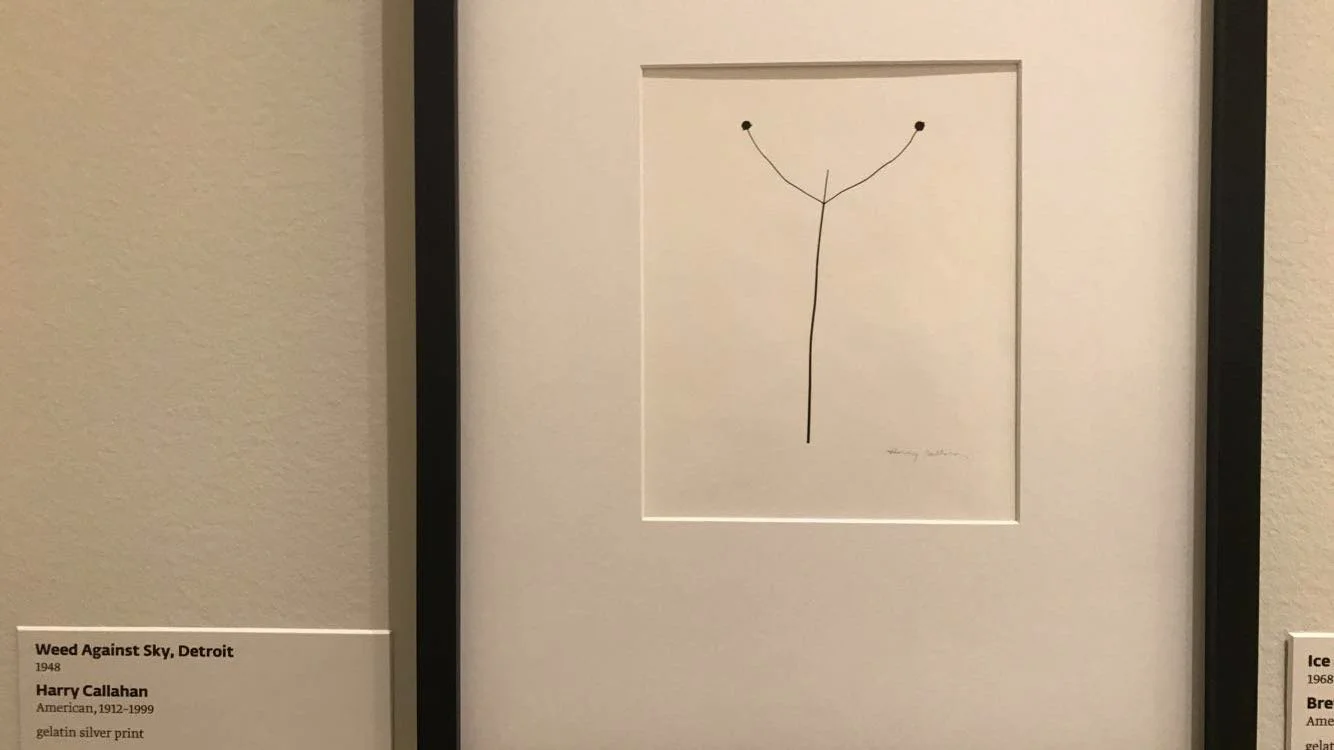
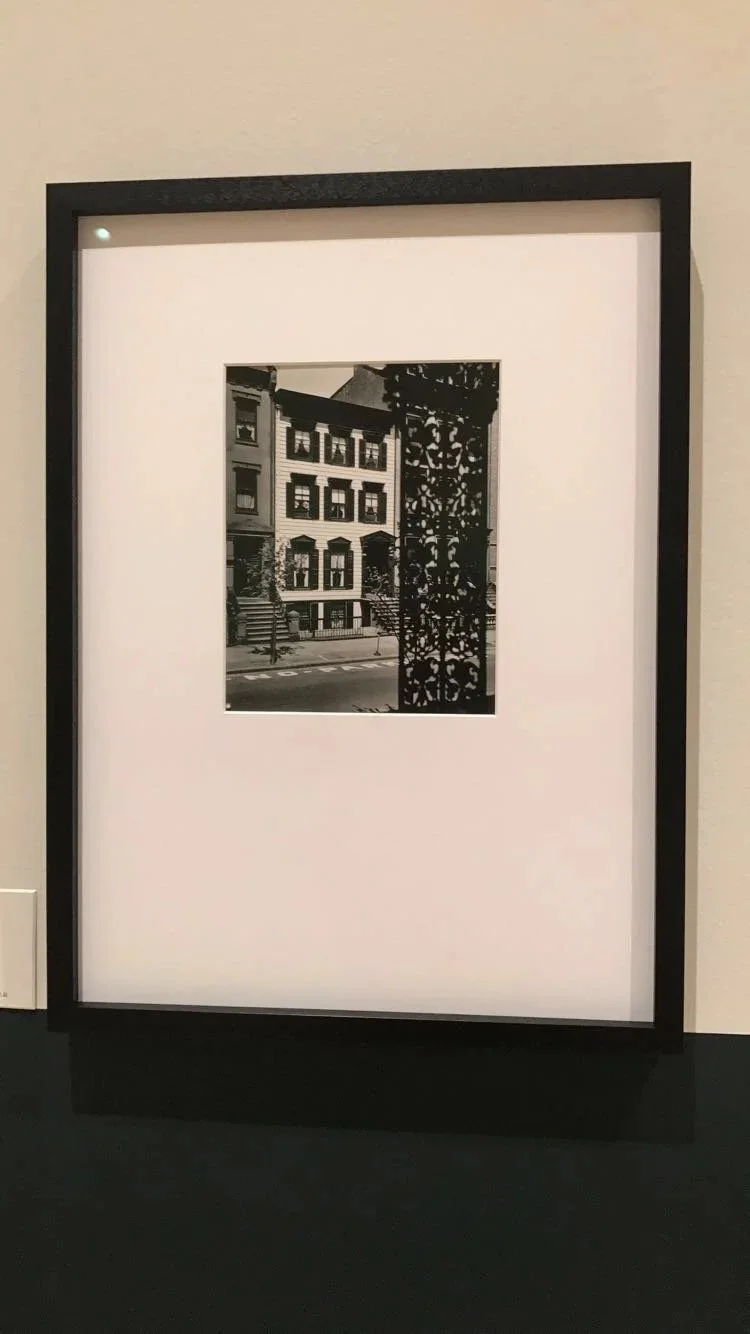
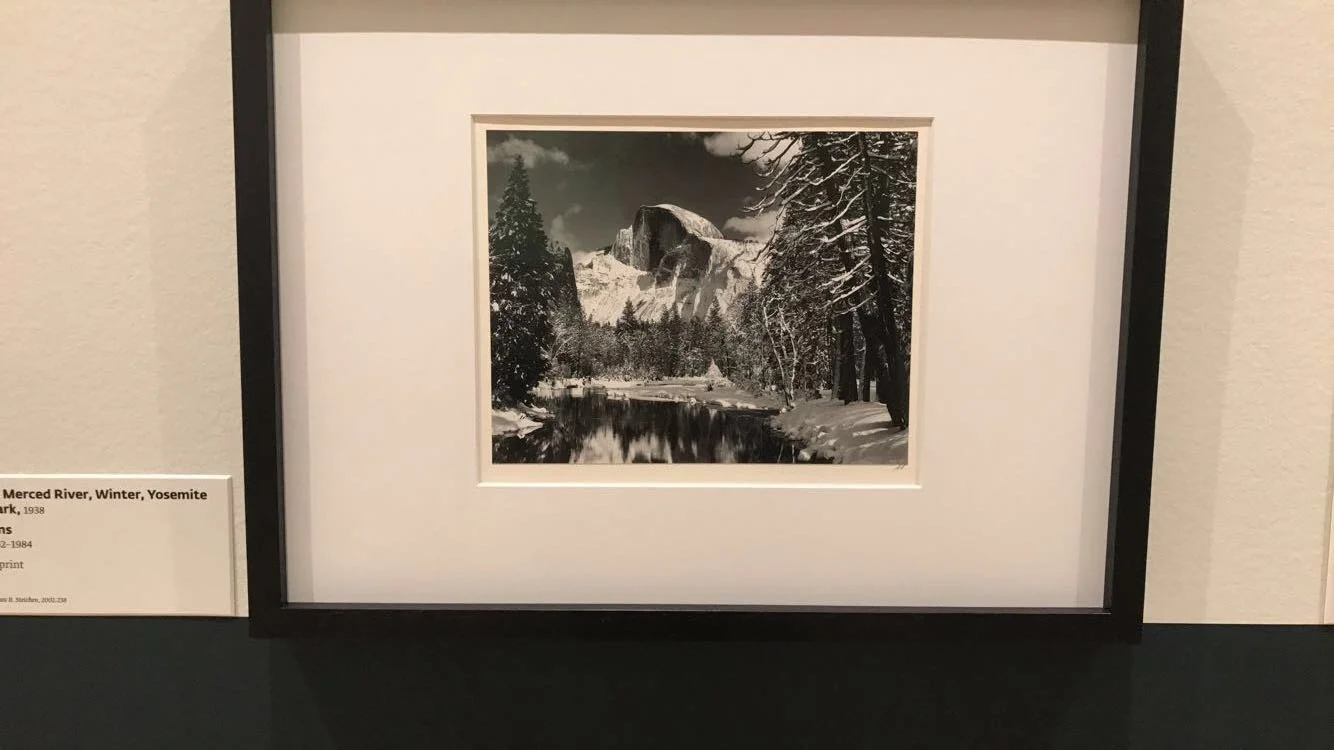
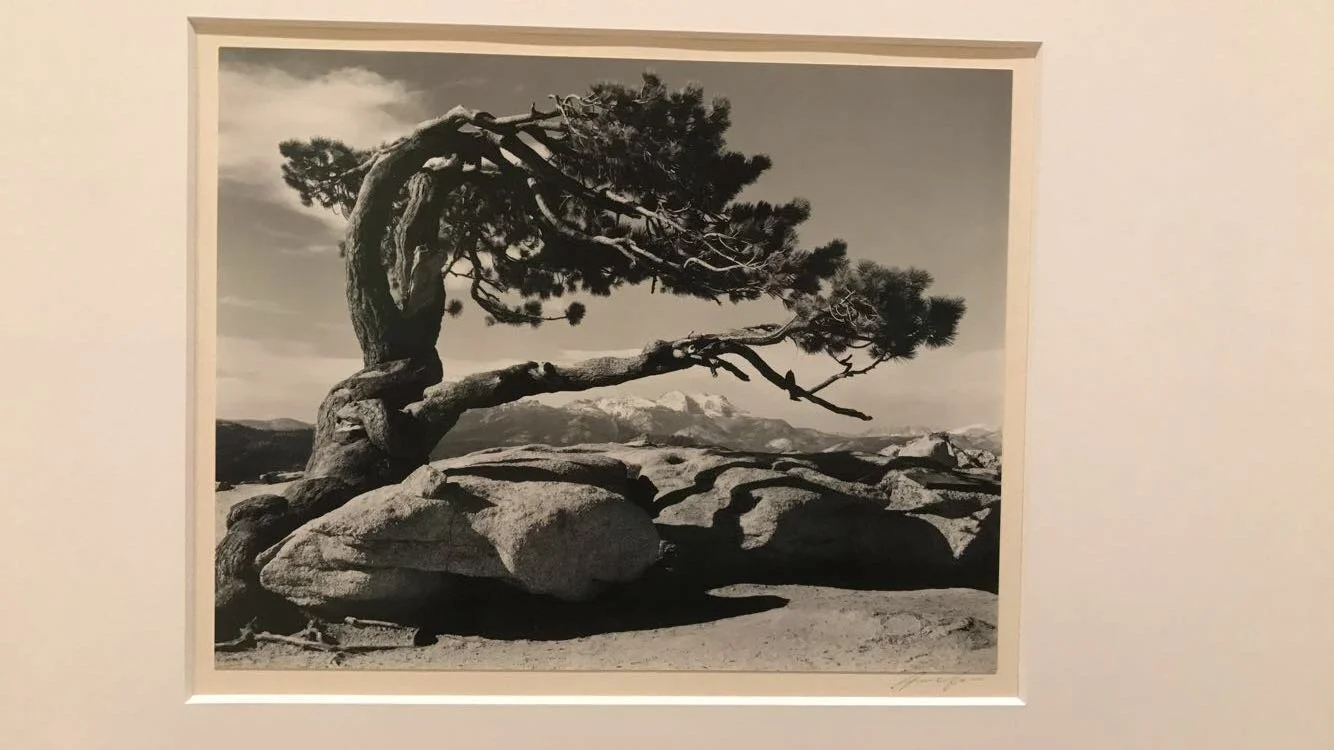
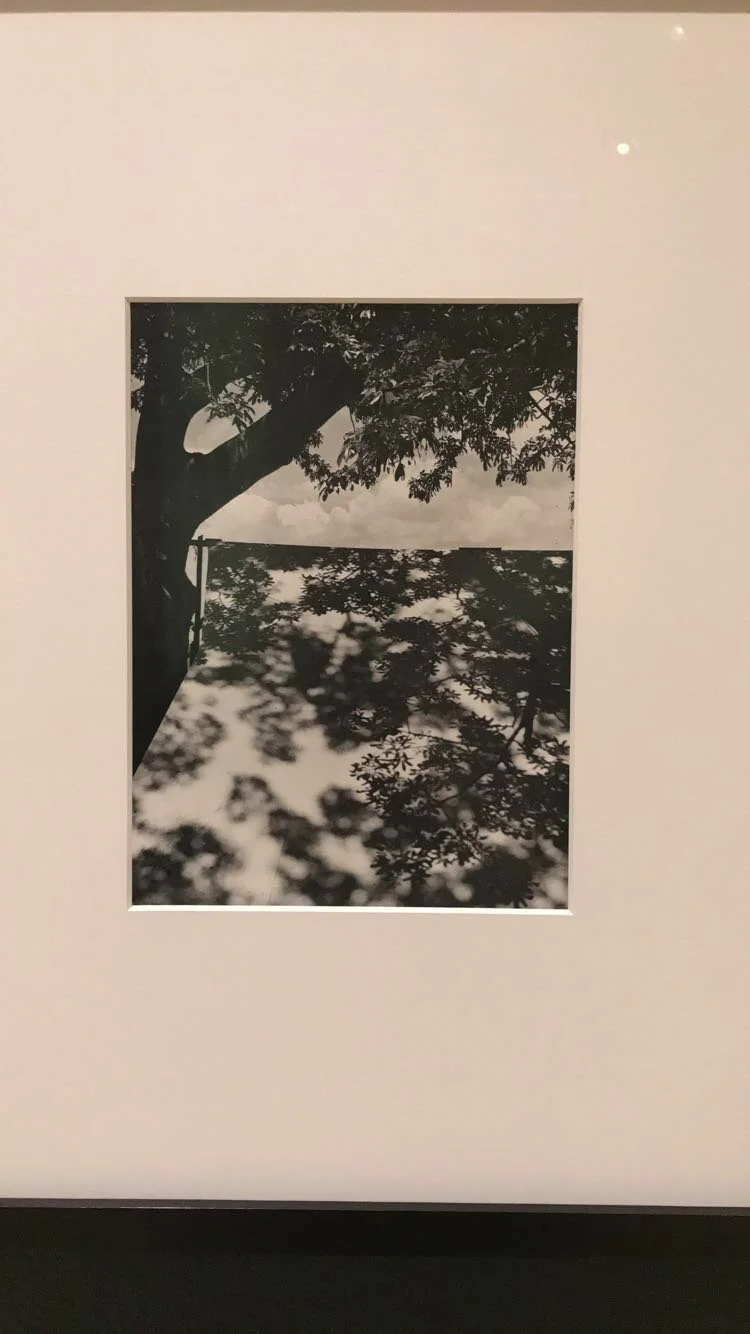
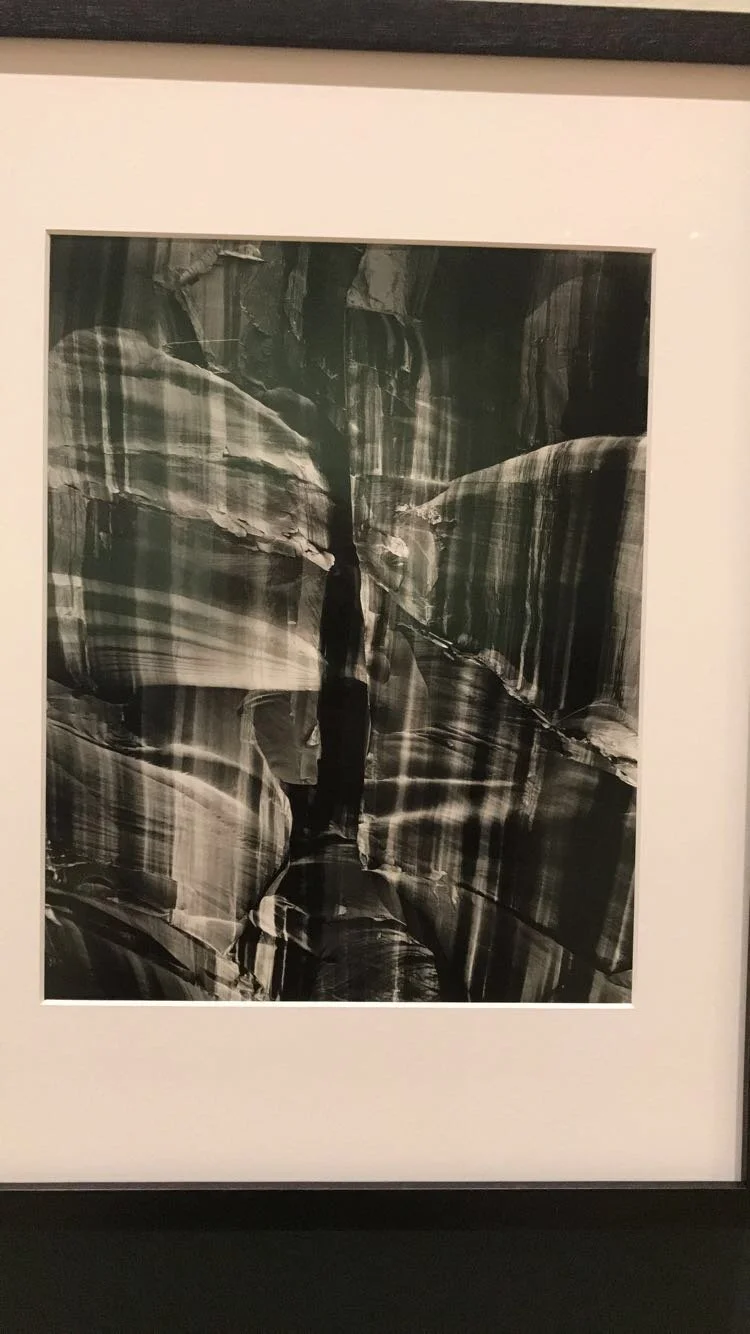
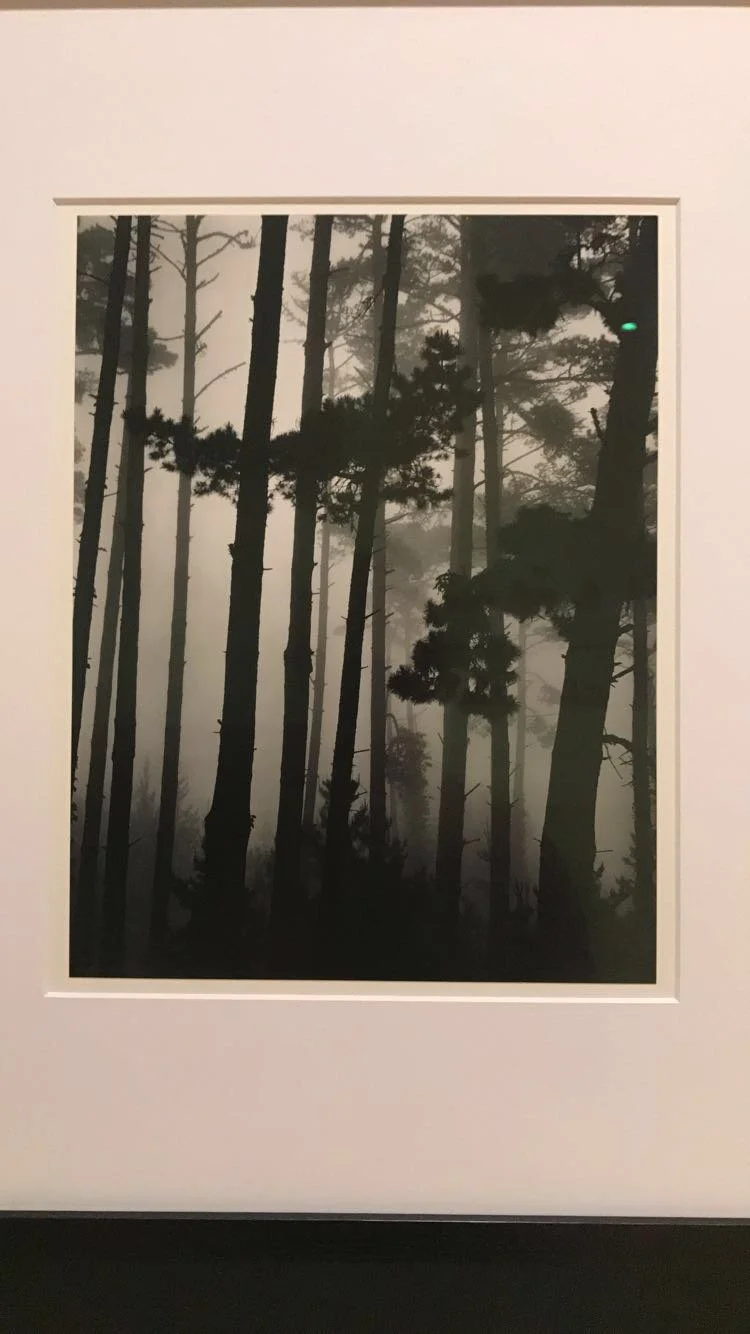
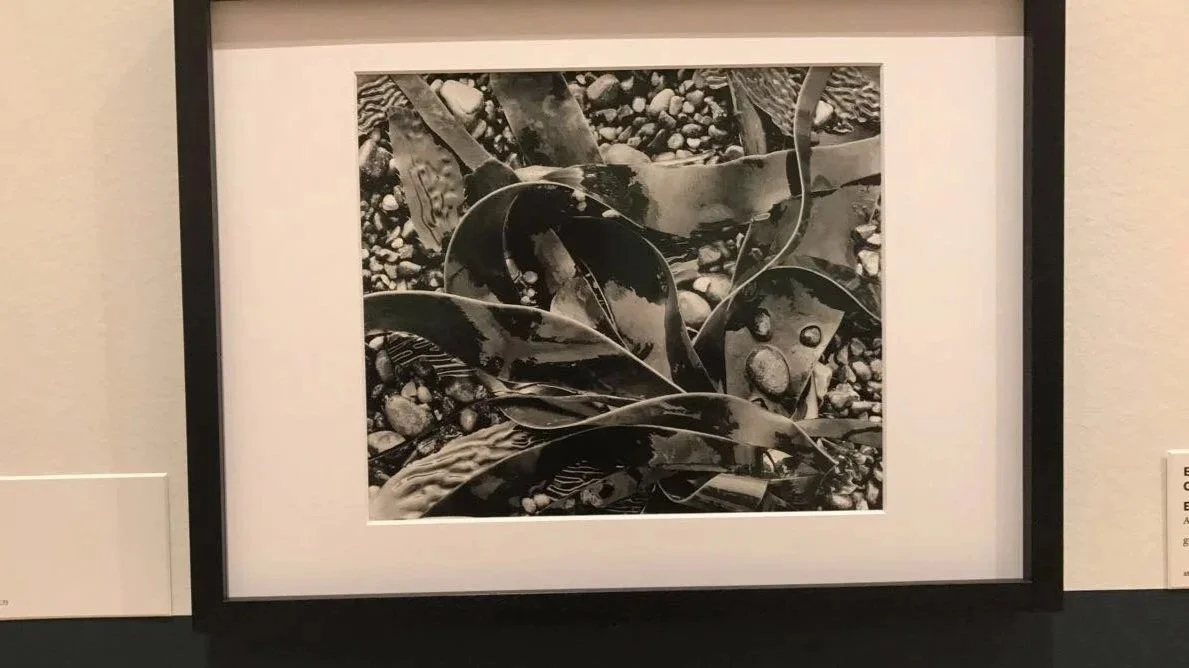
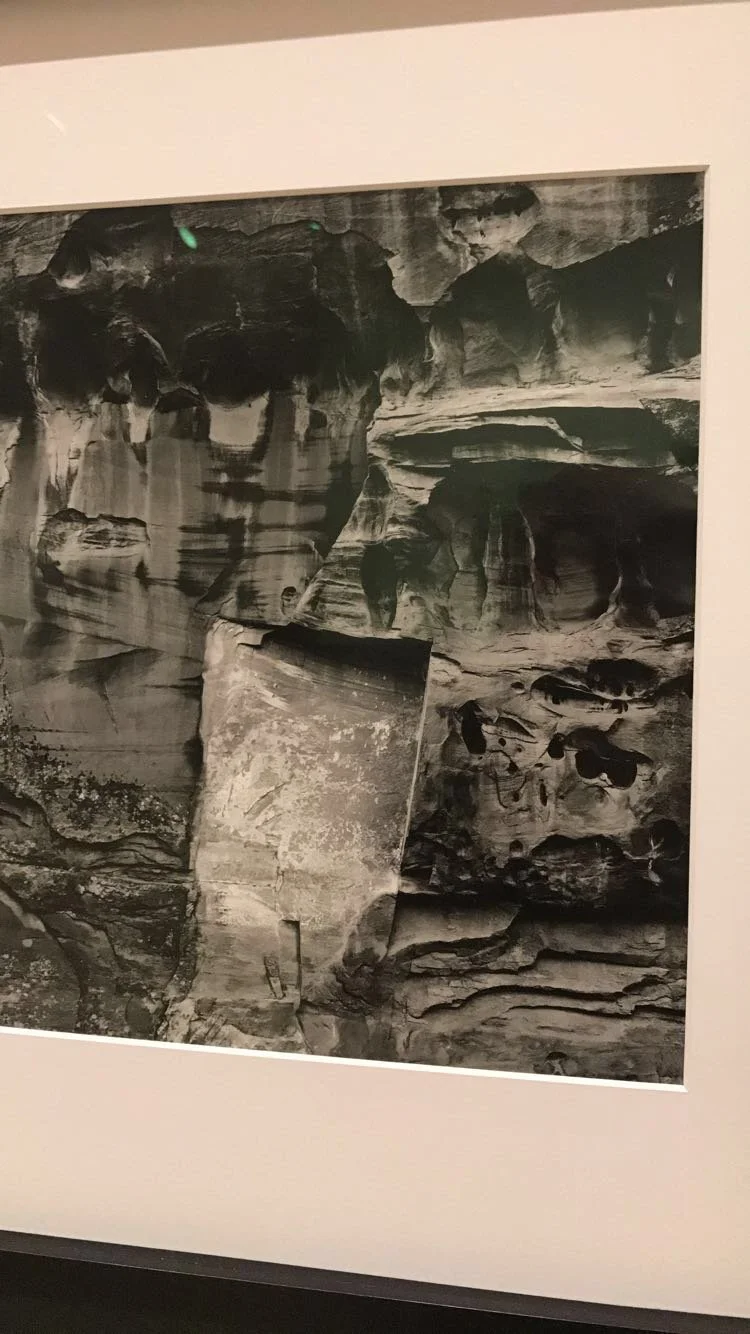
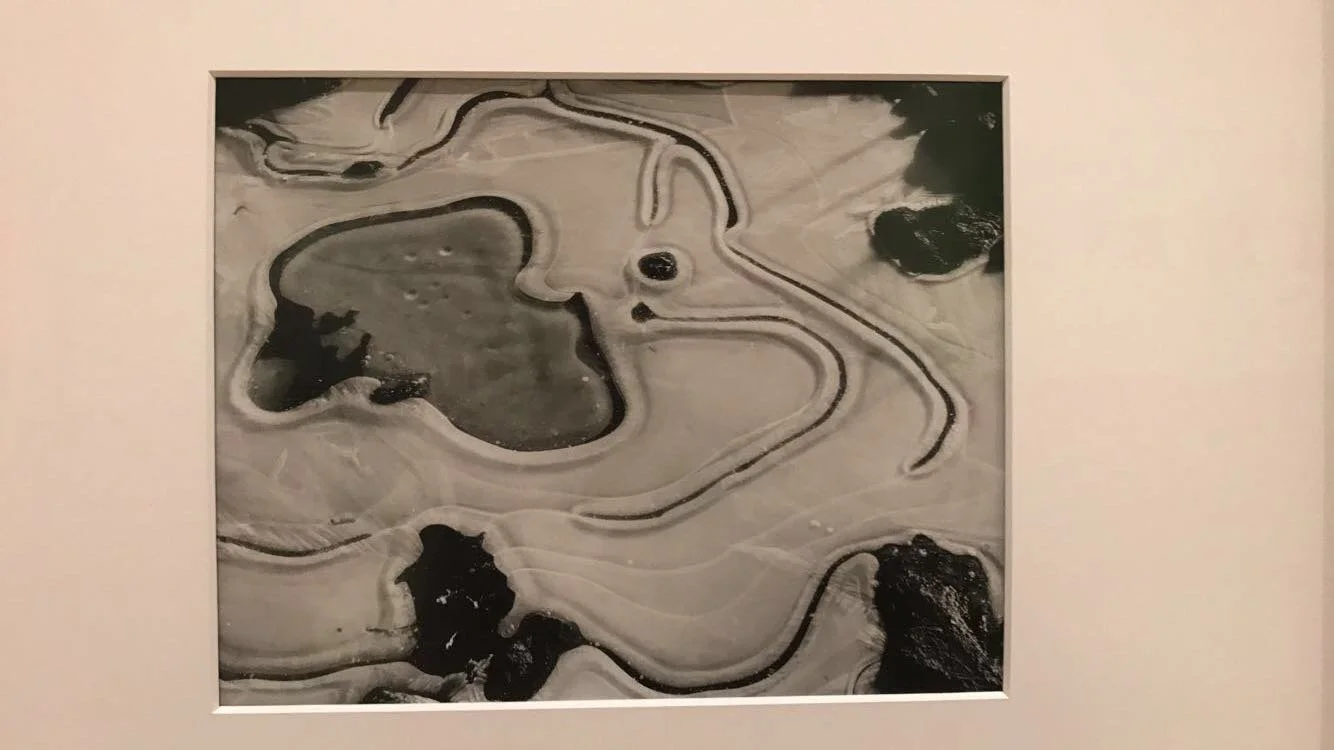
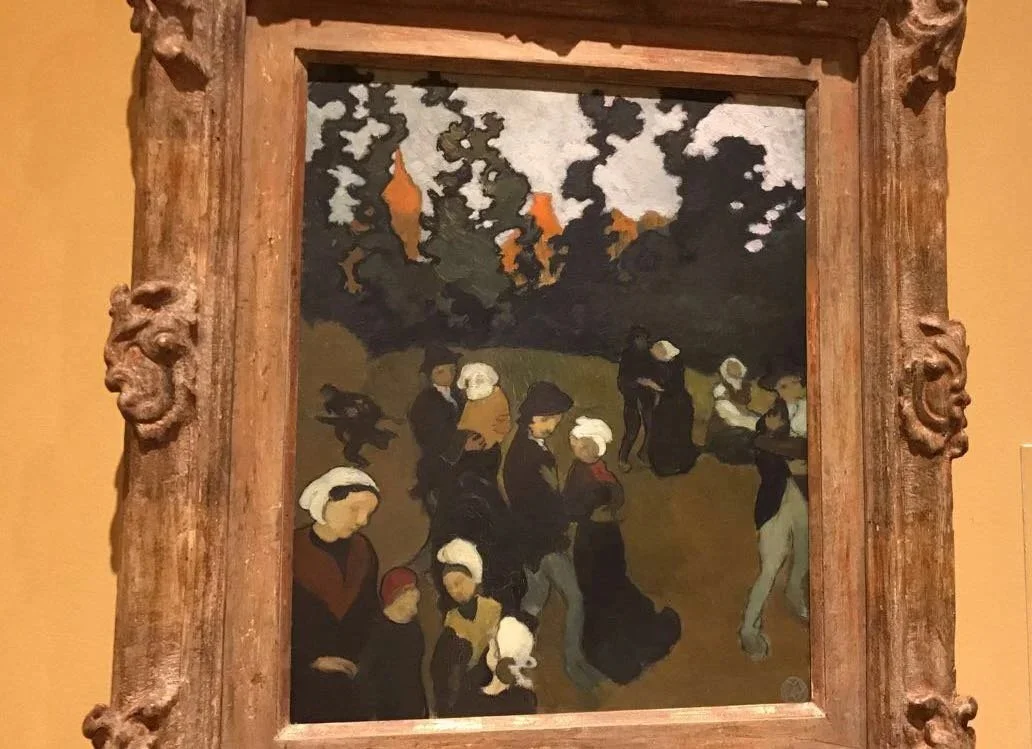
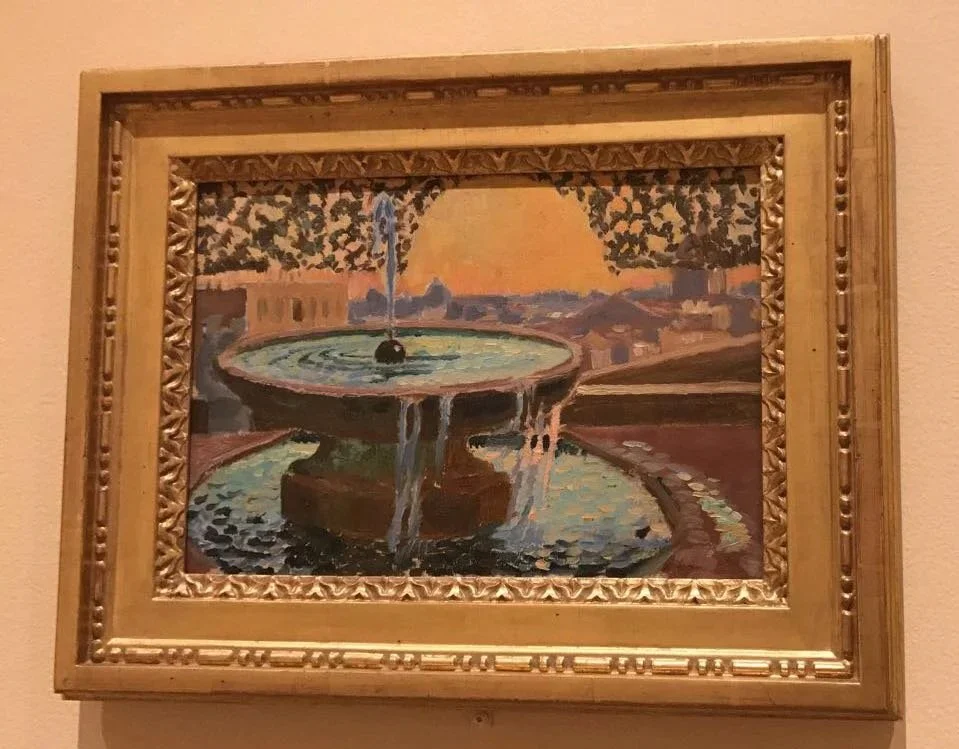
After the black and white photos, it was on to the bold, vivid colors of turn-of-the-20th century European art:
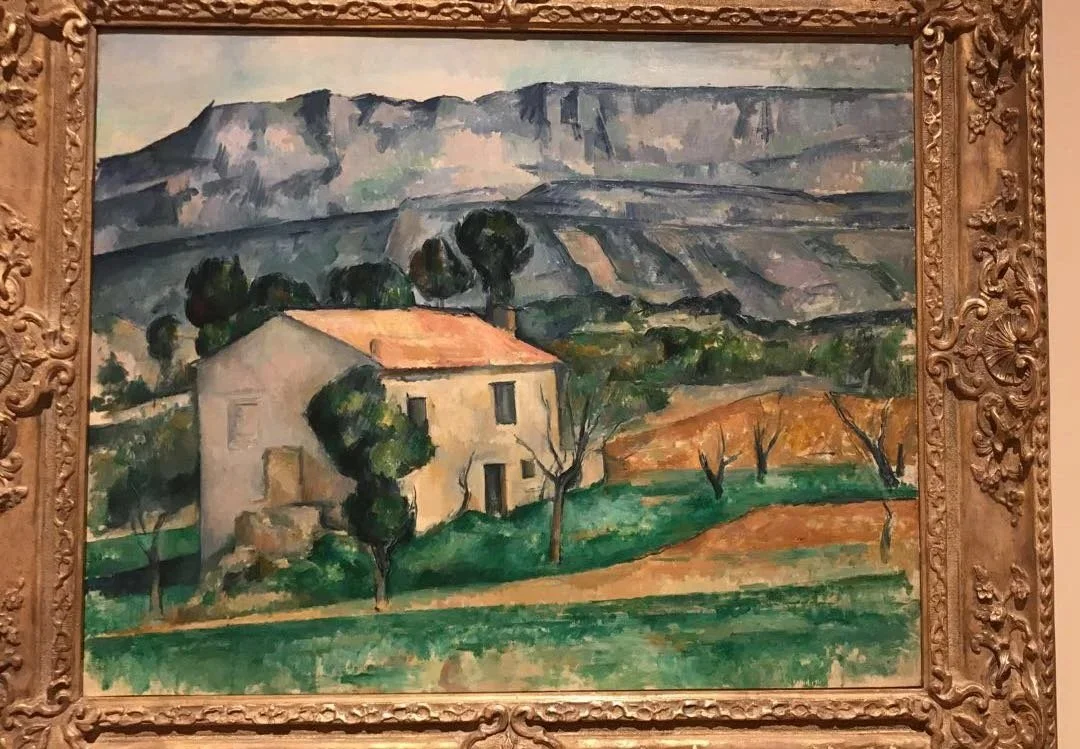
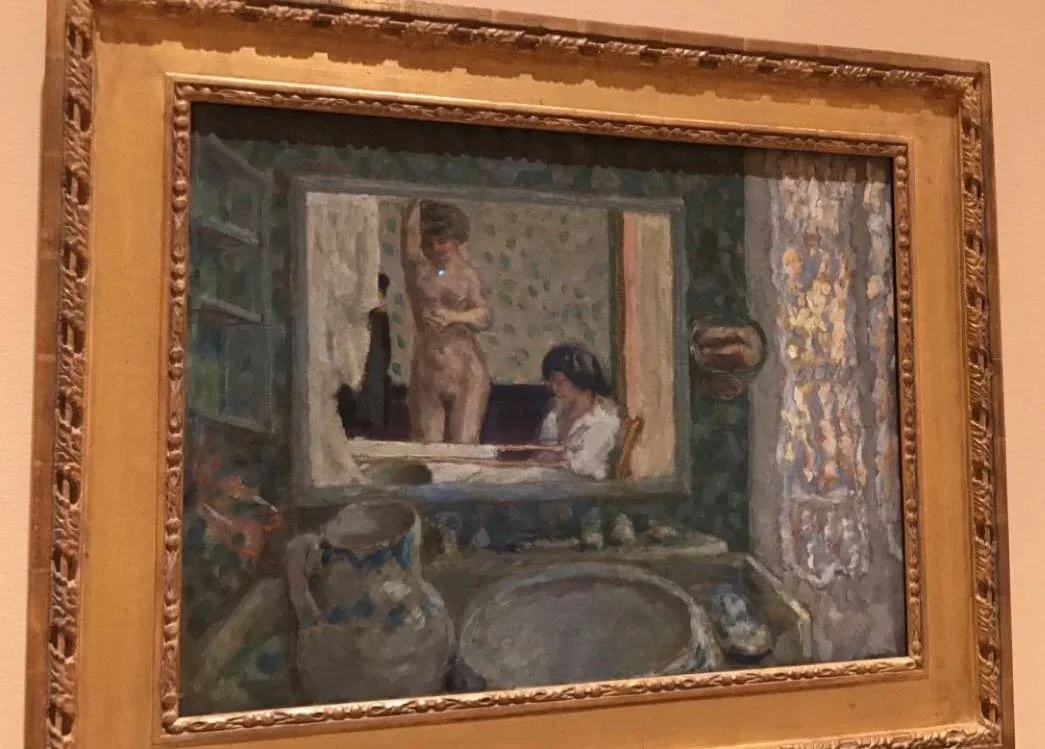
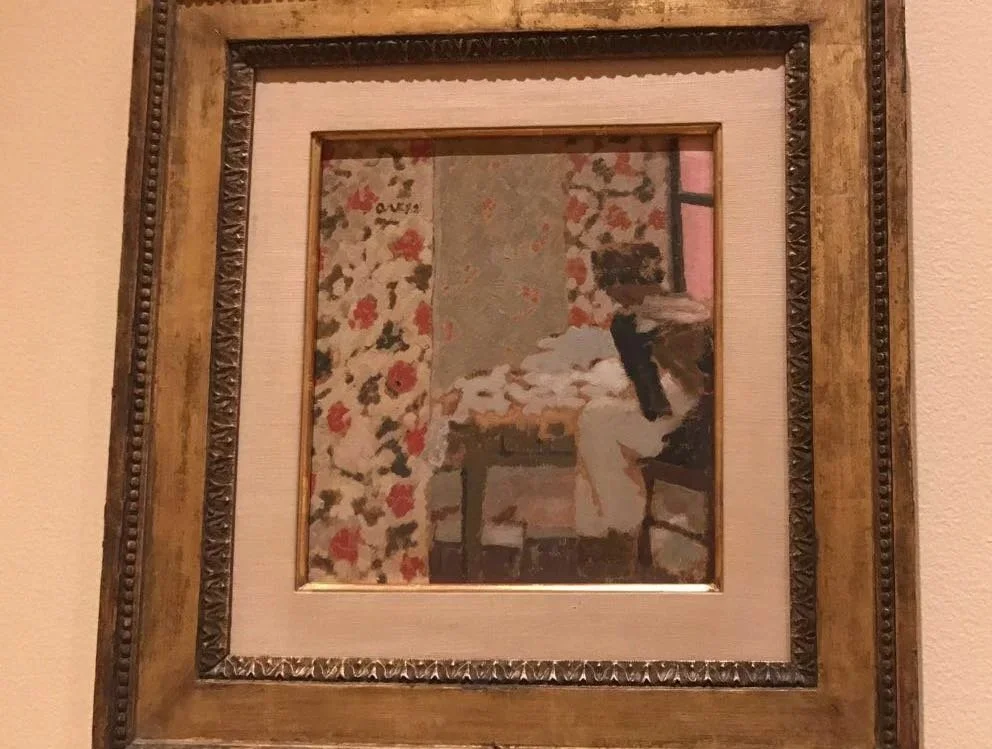
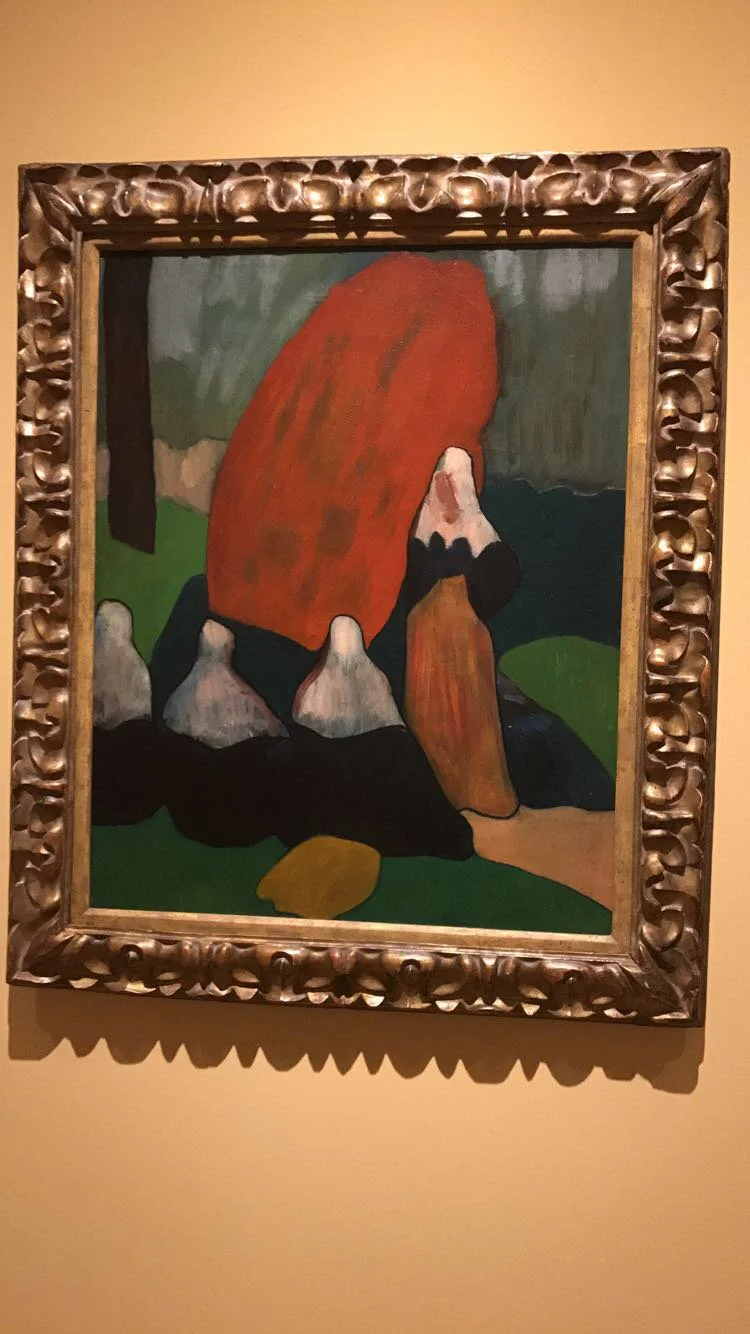
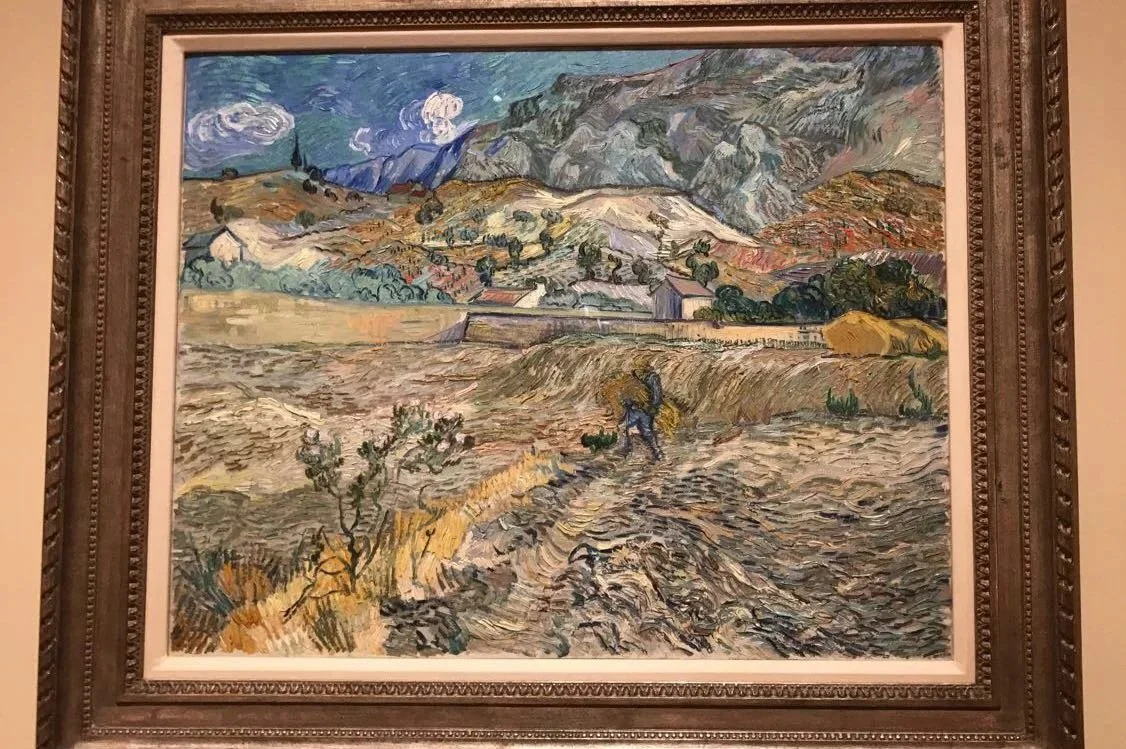
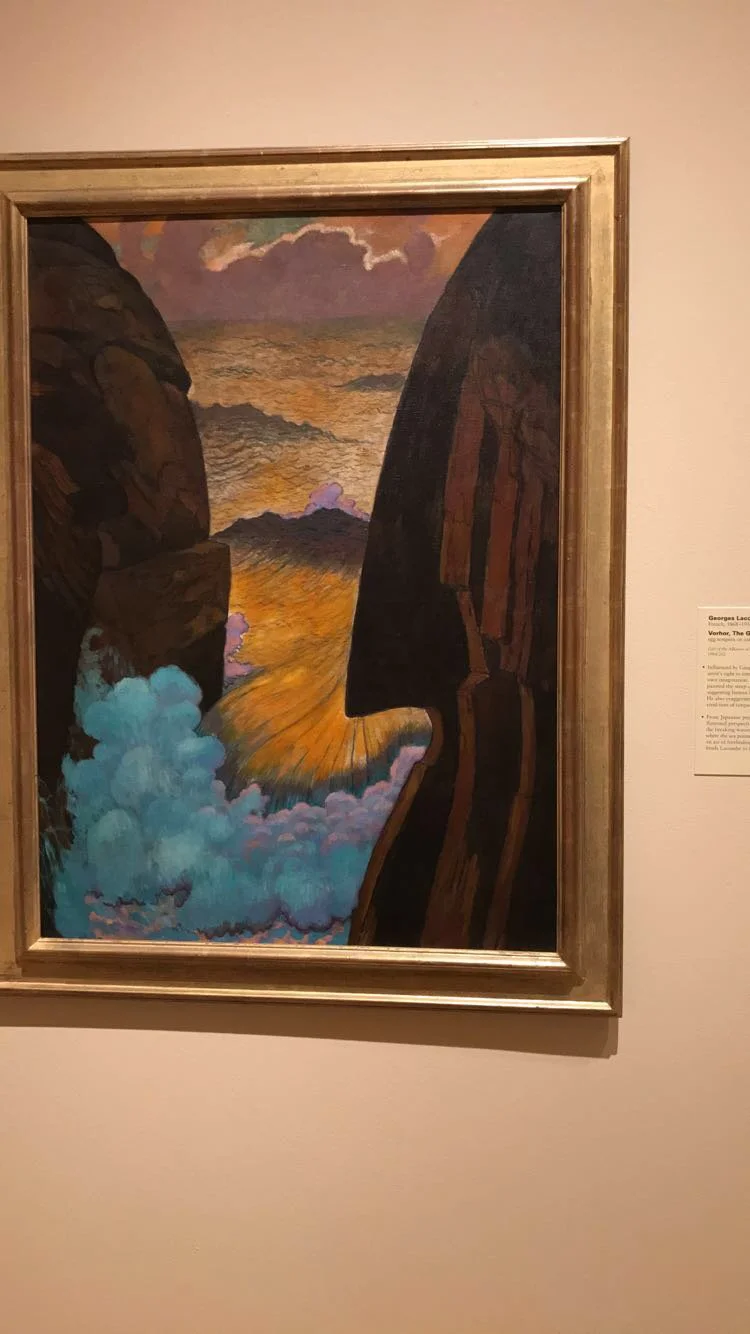
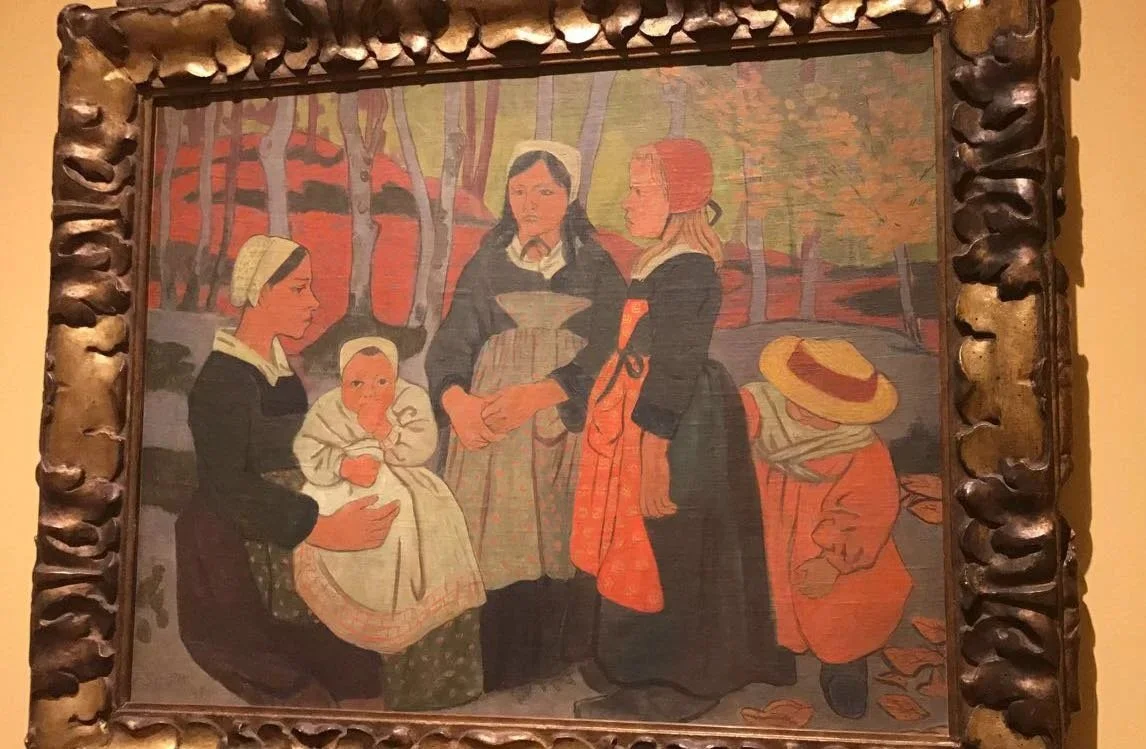
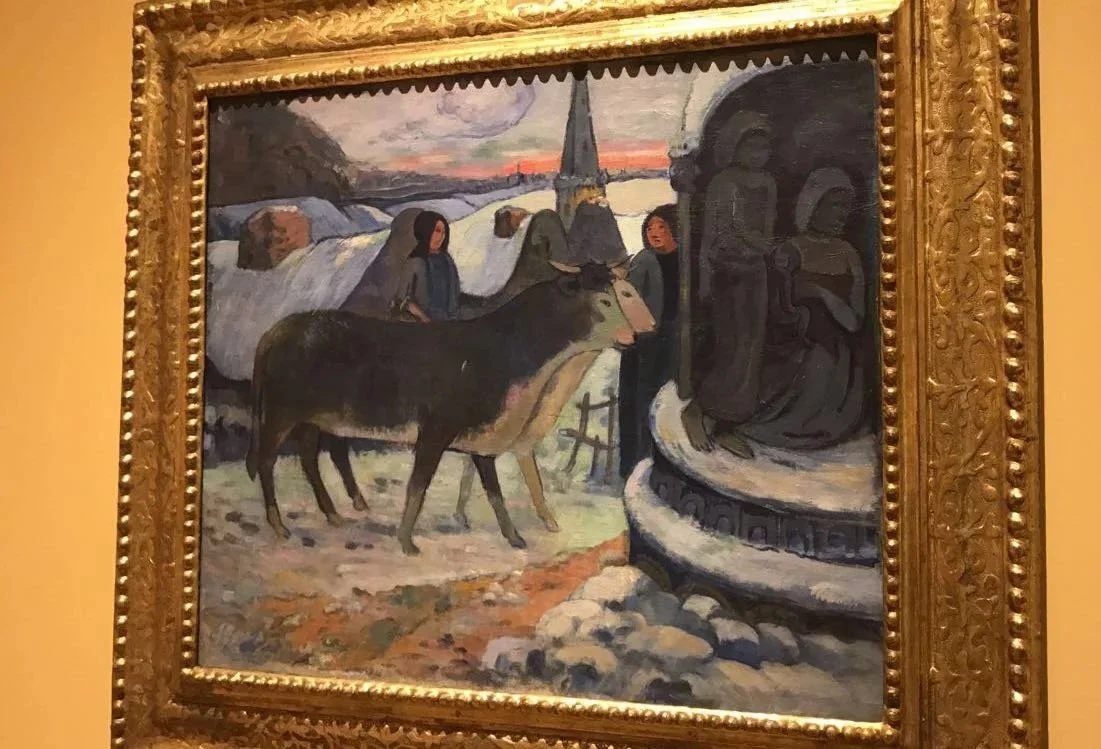
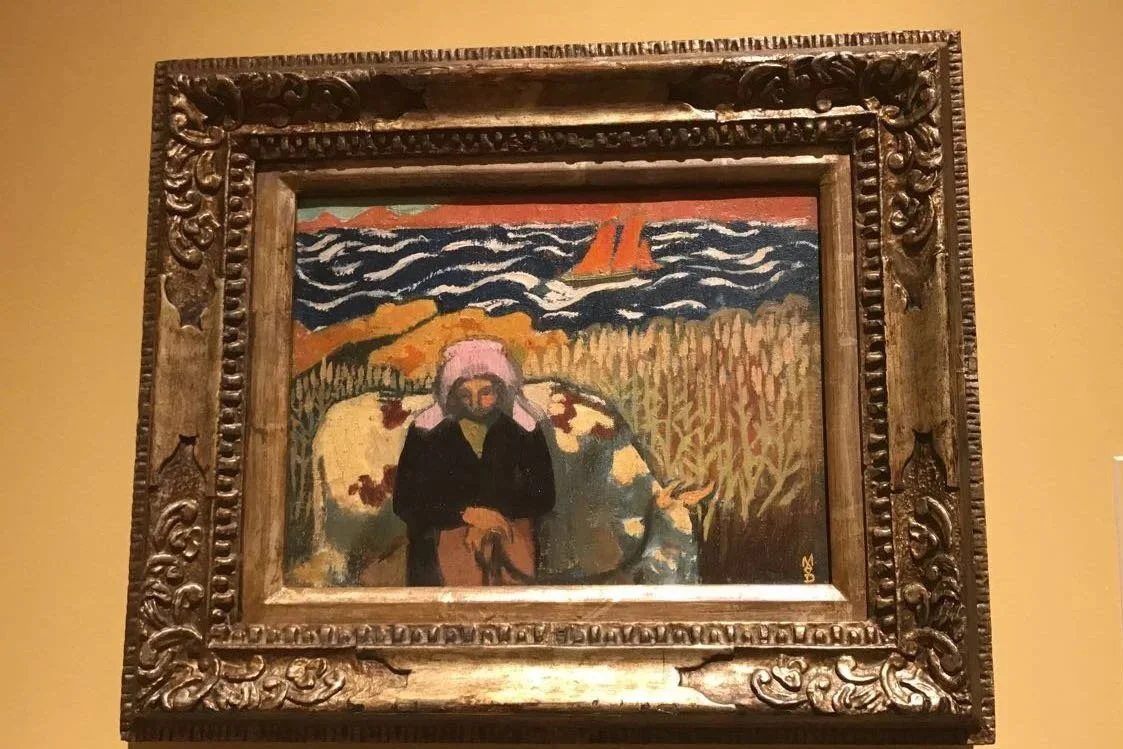
I particularly liked these pieces by Maurice Denis, a name I’d seen around museums but wasn’t as aware of as some of the big Impressionists. He had a really interesting approach to composition playing with the flatness of the canvas to create strikingly layered images in a way that anticipates more modern and abstract approaches. He’s credited with saying the pretty sweet quote “Remember that a painting—before being a battle horse, a nude woman, or some anecdote—is essentially a flat surface covered with colors assembled in a certain order.”
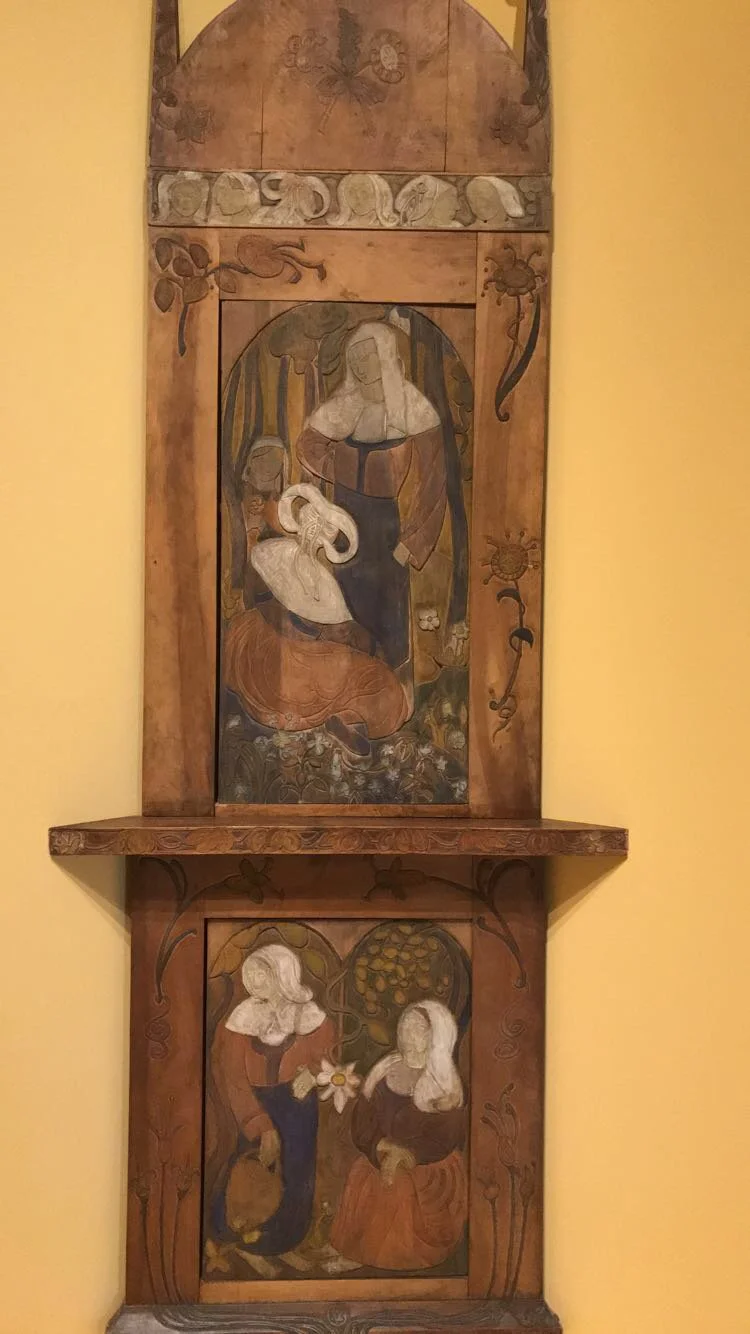
Complementing the paintings, was this pretty insane corner cabinet adorned with various Breton scenes by Émile H. Bernard. It’s at once impressively designed and sort of haunted looking because time has really worn out most of the Breton’s faces giving them a ghostly quality that honestly adds to the piece in my book.
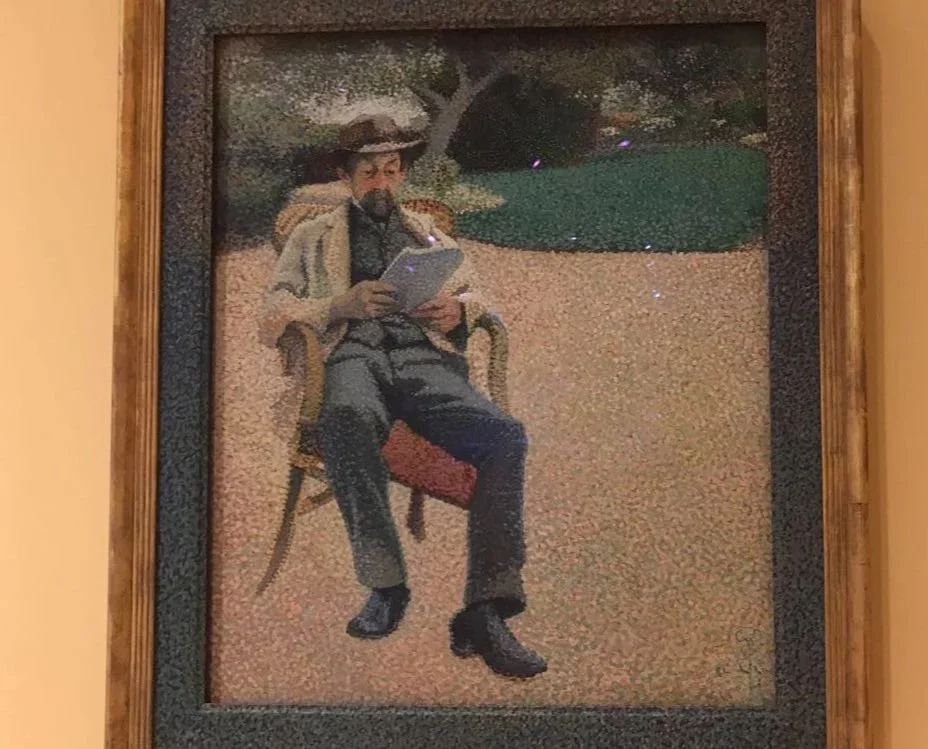
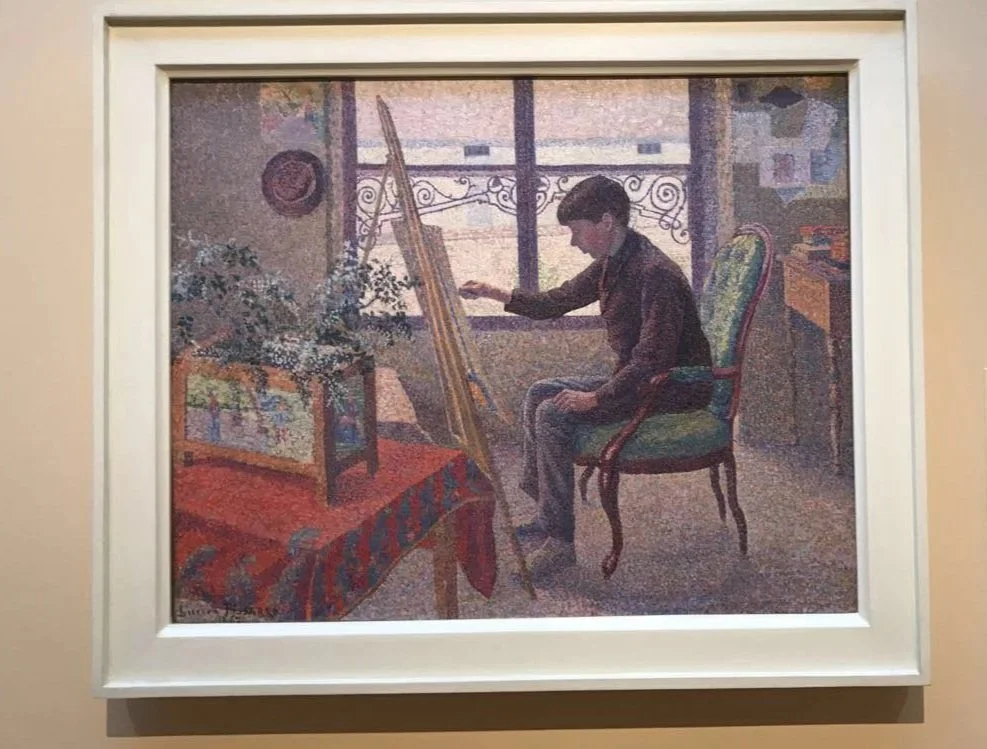
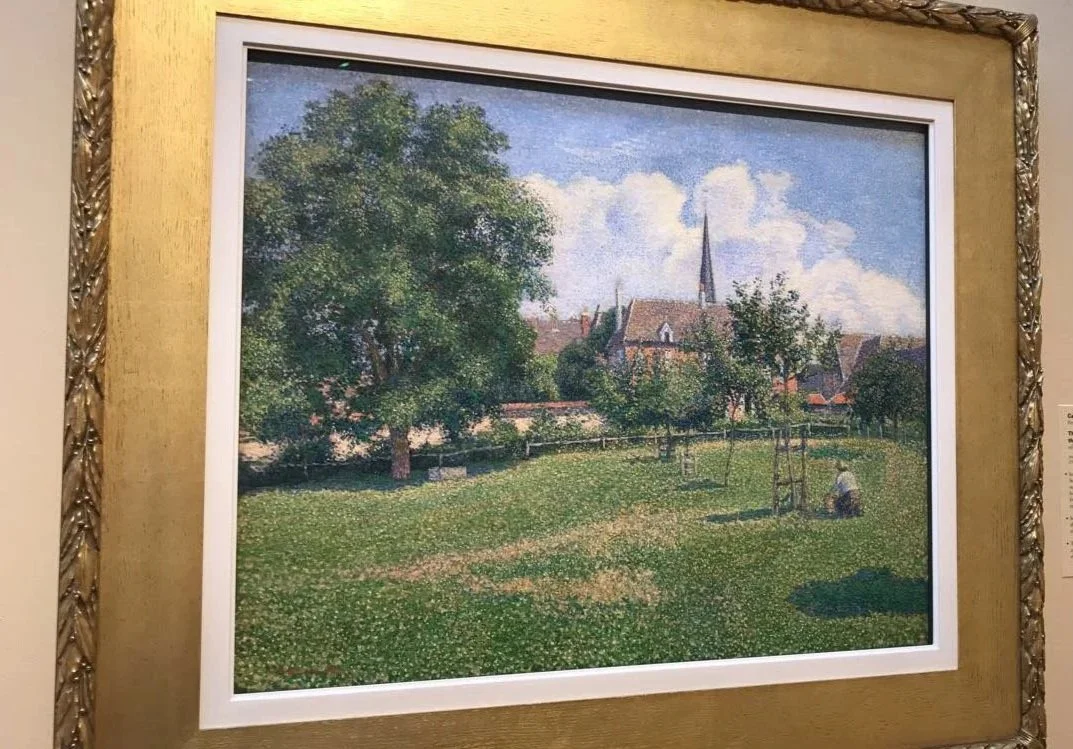
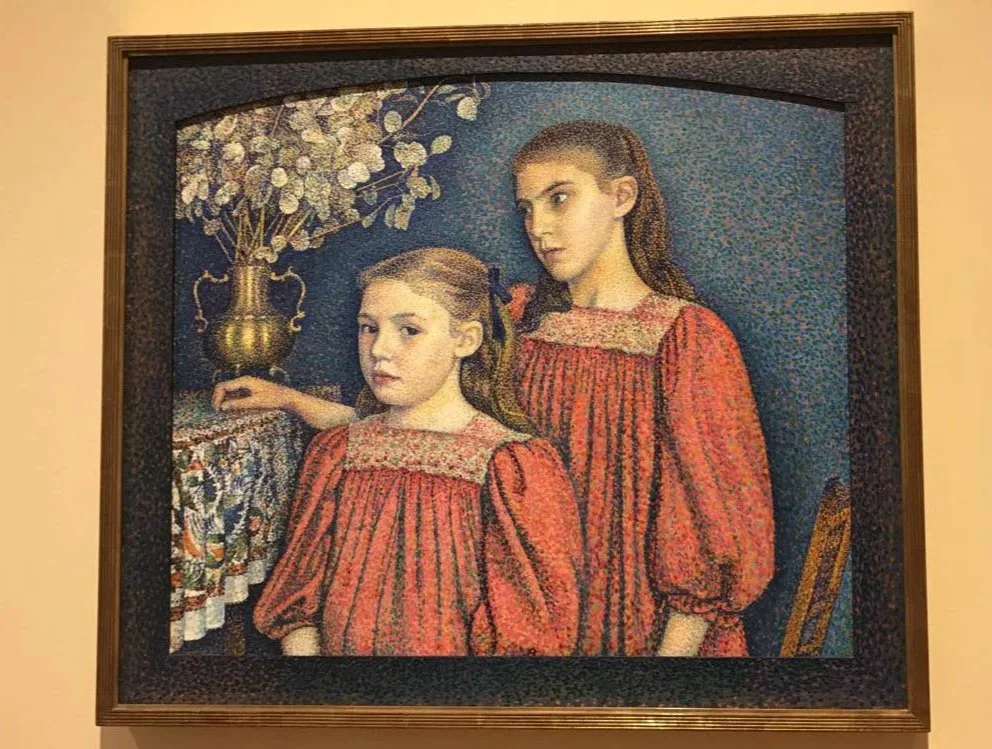
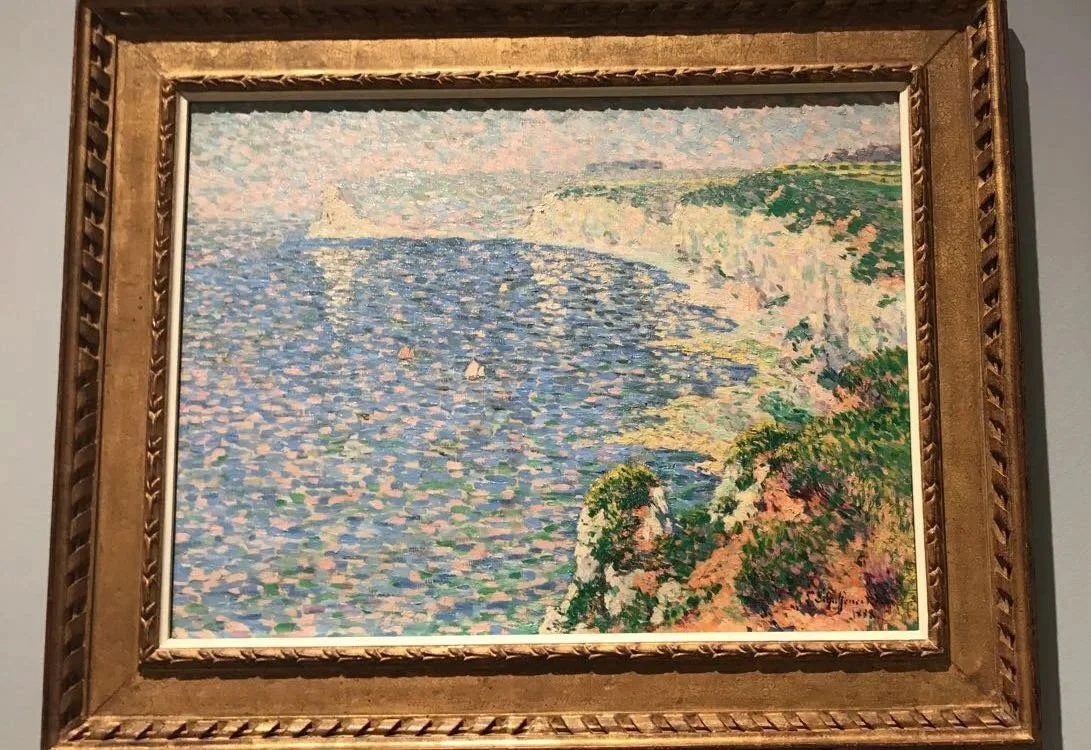
Next up we had some pieces of Pointillism (say that three times fast), a style of painting that always boggles my mind as someone with deeply limited visual arts abilities. It seems like a really painstaking process to make all those little dots, but the finished pieces look so effortless.
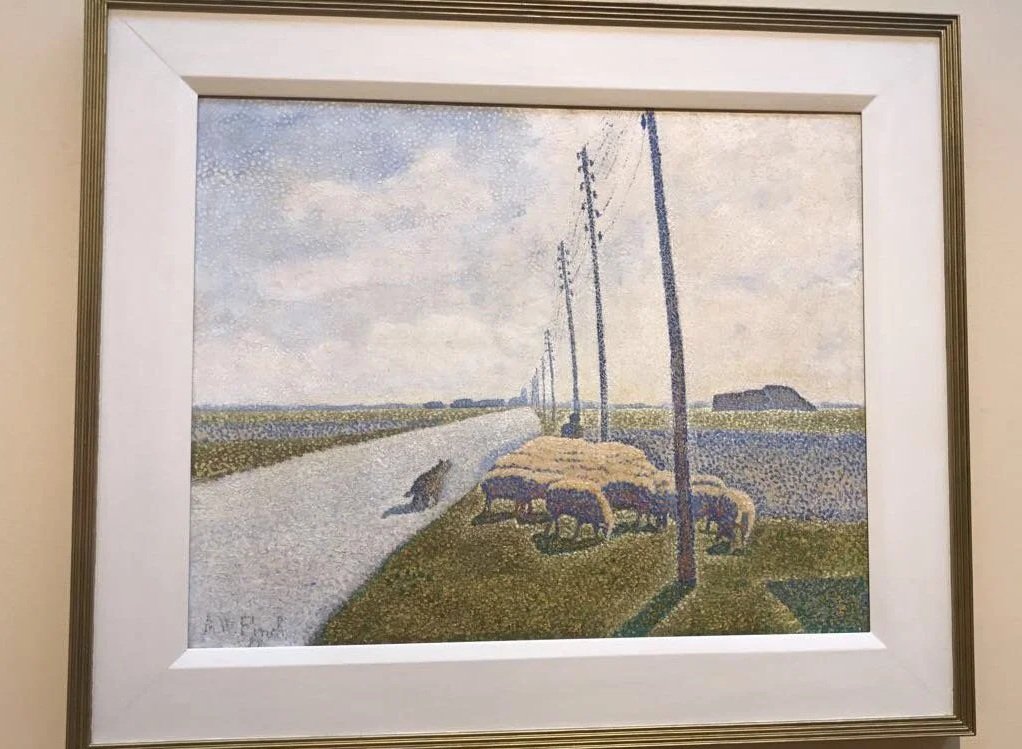
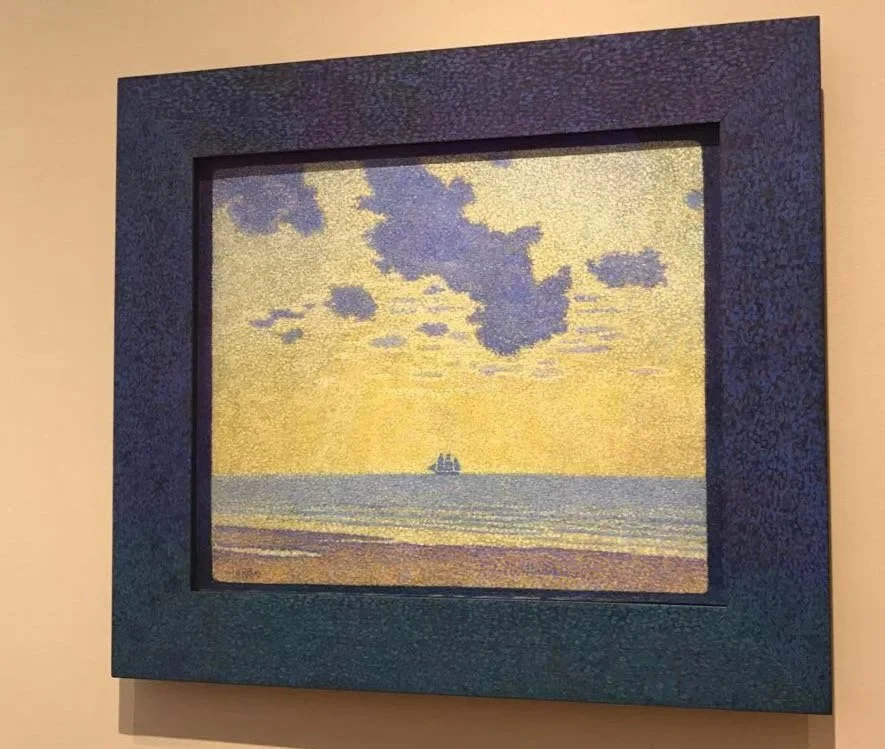
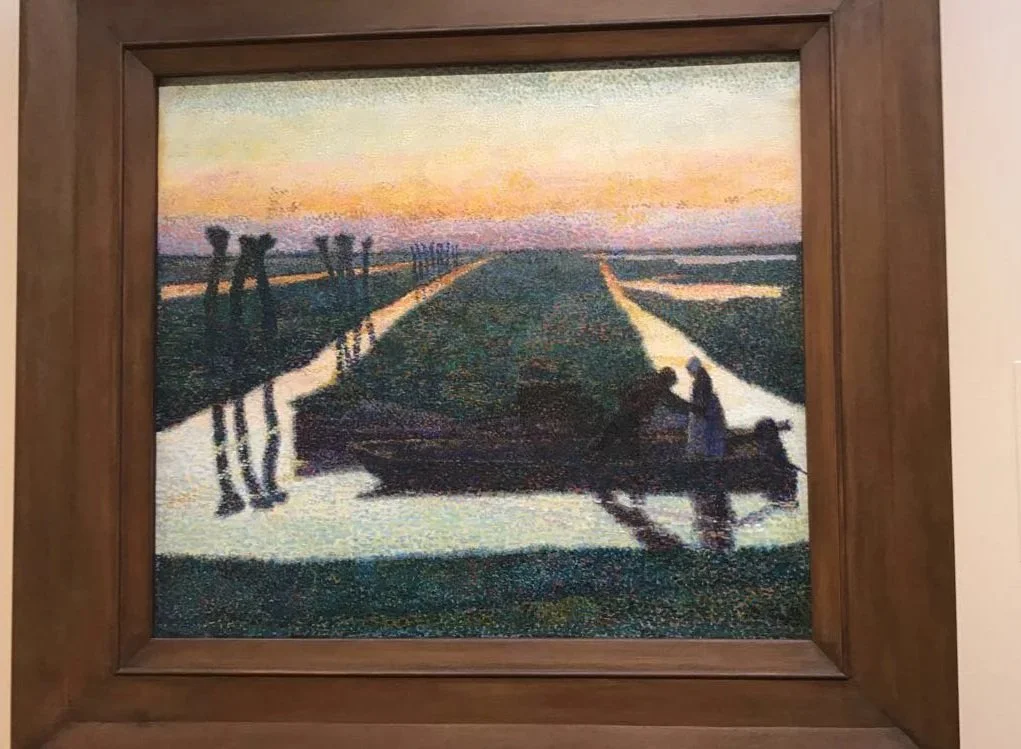
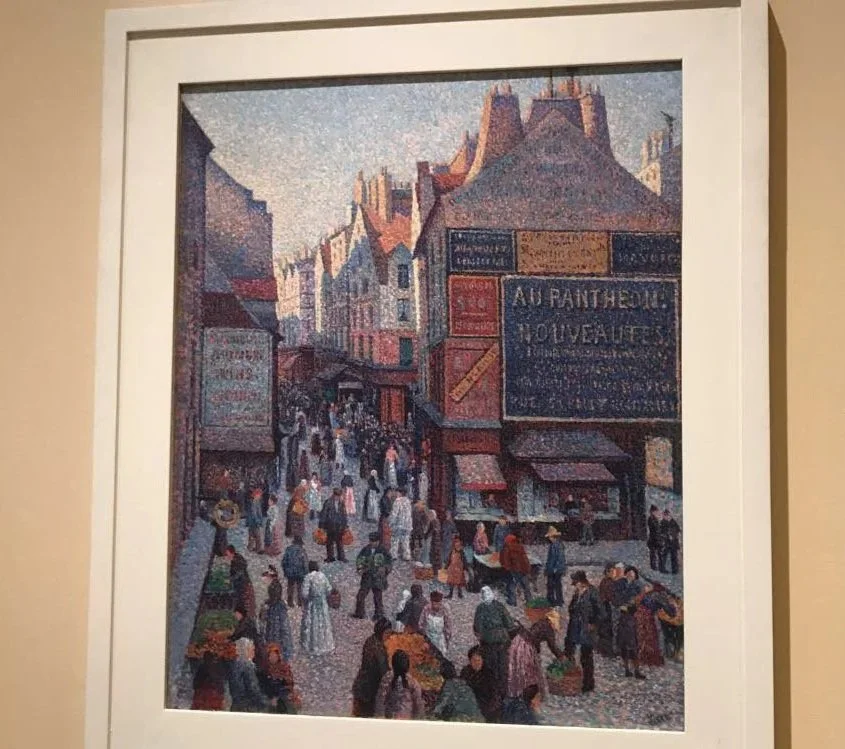
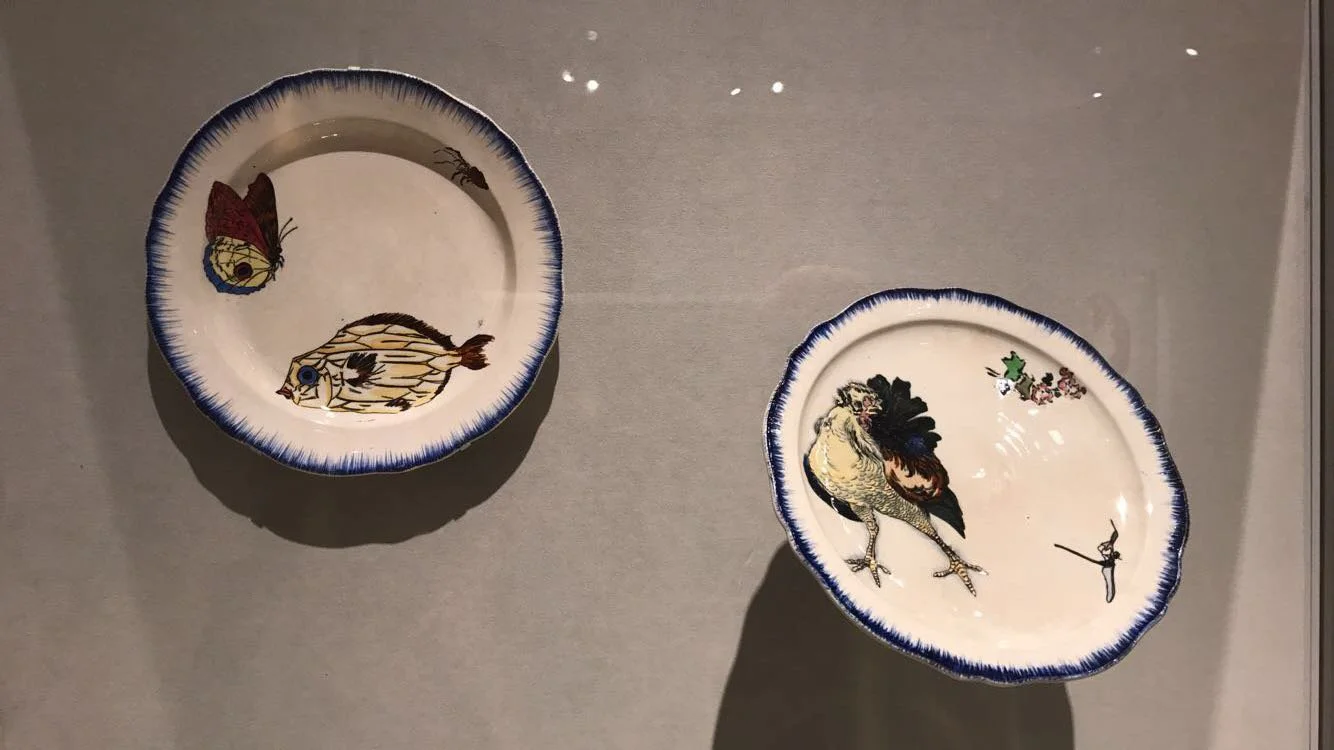
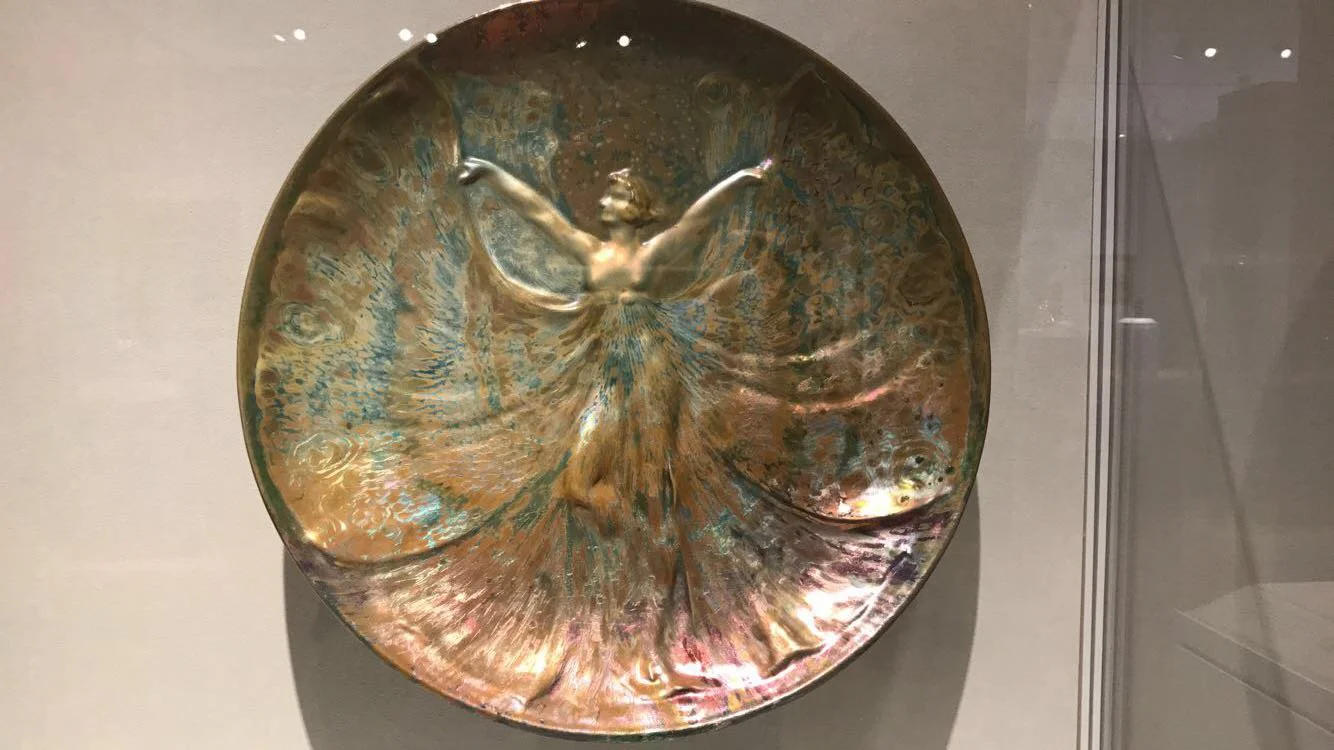
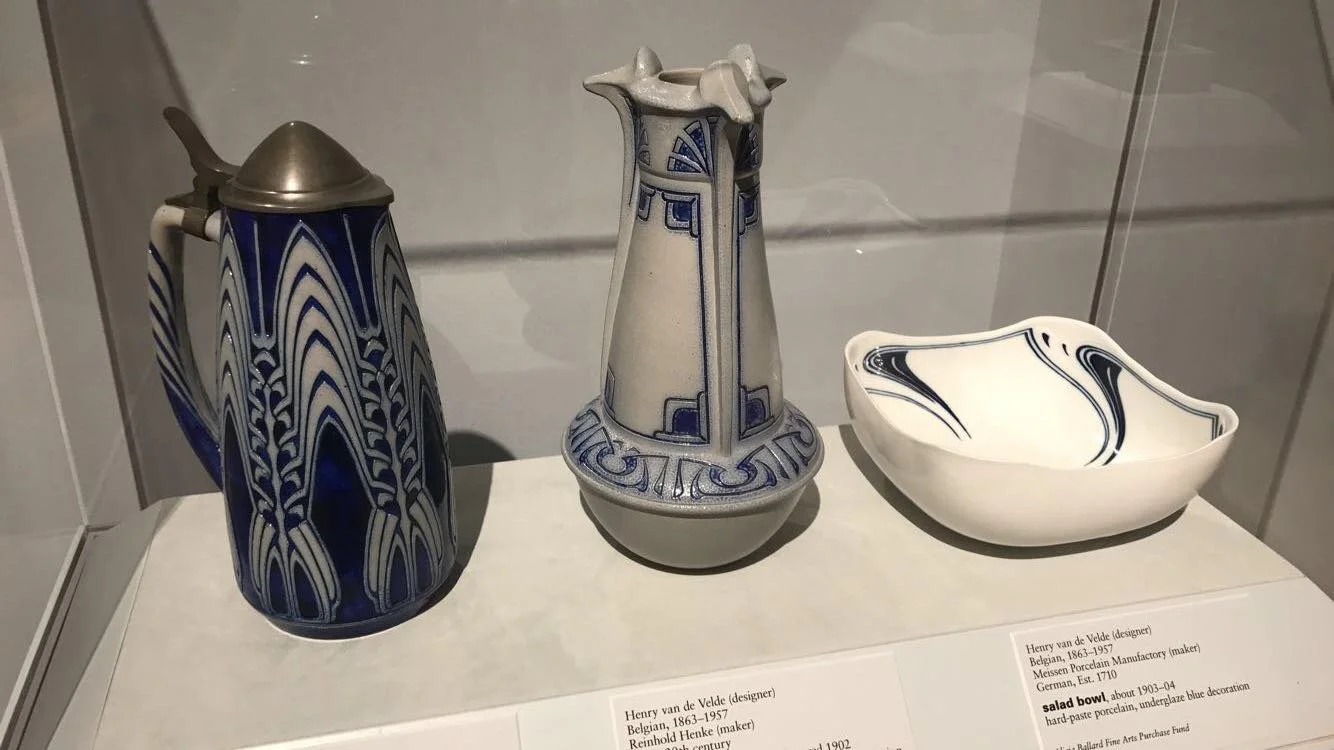
These paintings were complimented by decorative arts from turn-of-the-century Europe that captured the emphasis on color and movement of the Impressionists. Highlights for me inclued: a plate and cake stand featuring charmingly sketchy animal portraits by Félix Bracquemond, Lebeuf Milliet et Cie, and Eugène Rousseau; a stunningly lusterous plate by Clément Massier Lucien Lévy-Dhurmen called Charger; and some elegantly abstract-patternered dishware designed by Henry van de Velde.
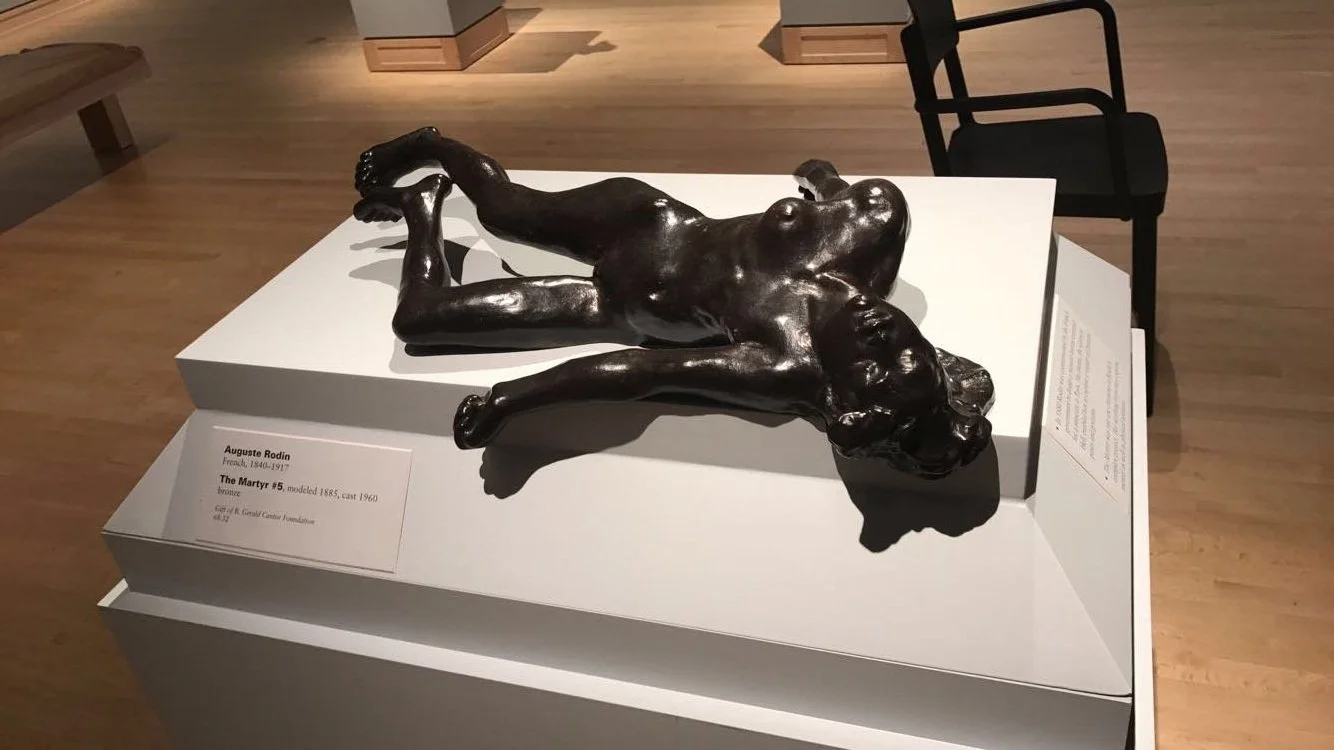
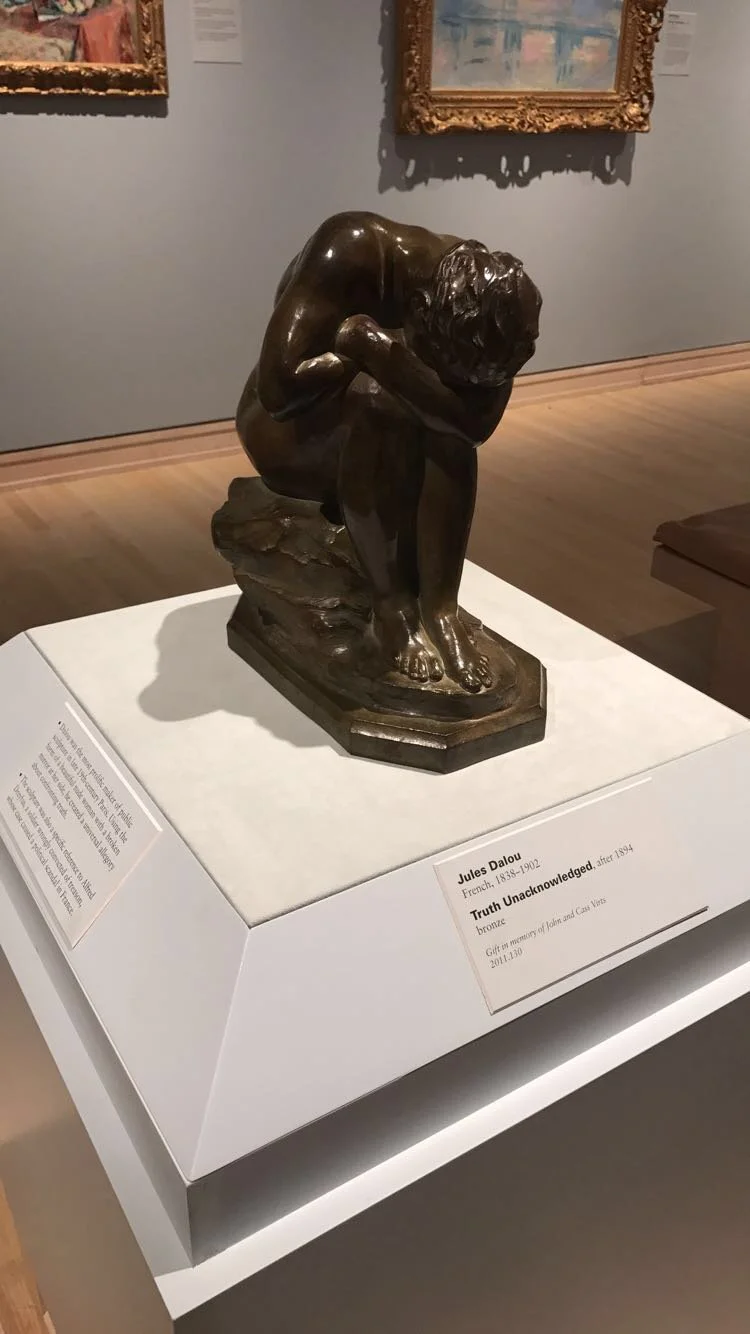
The gallery also included some dramatic sulptures including the sort of haunting Rodin sculpture of a writhing body entitled The Martyr #5 and the very emotional Truth Unaknowledged by Jules Dalou.
Next up were some more Impressionsit pieces:
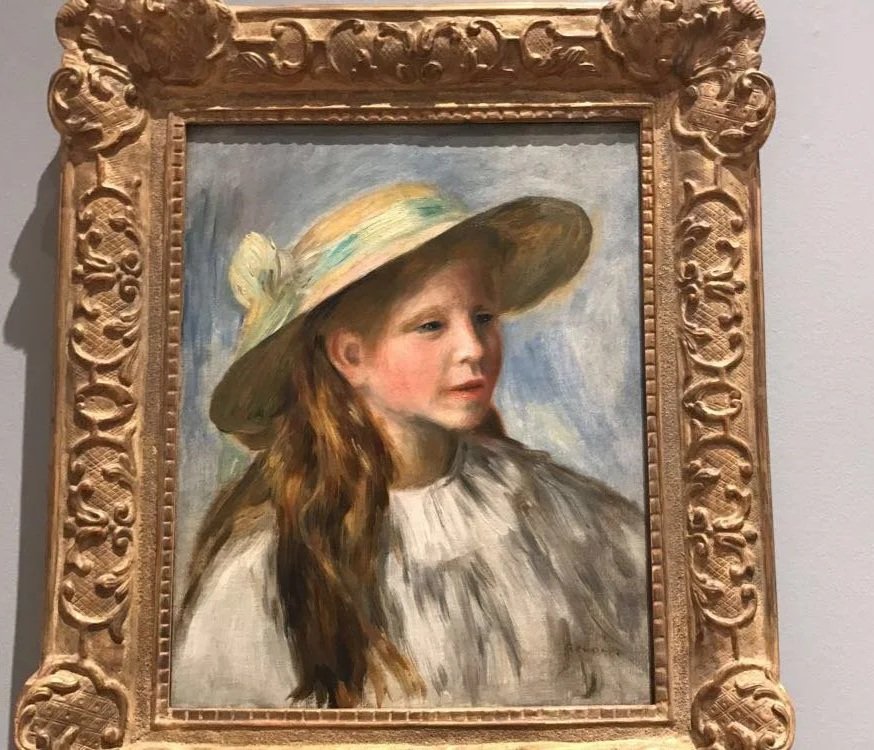
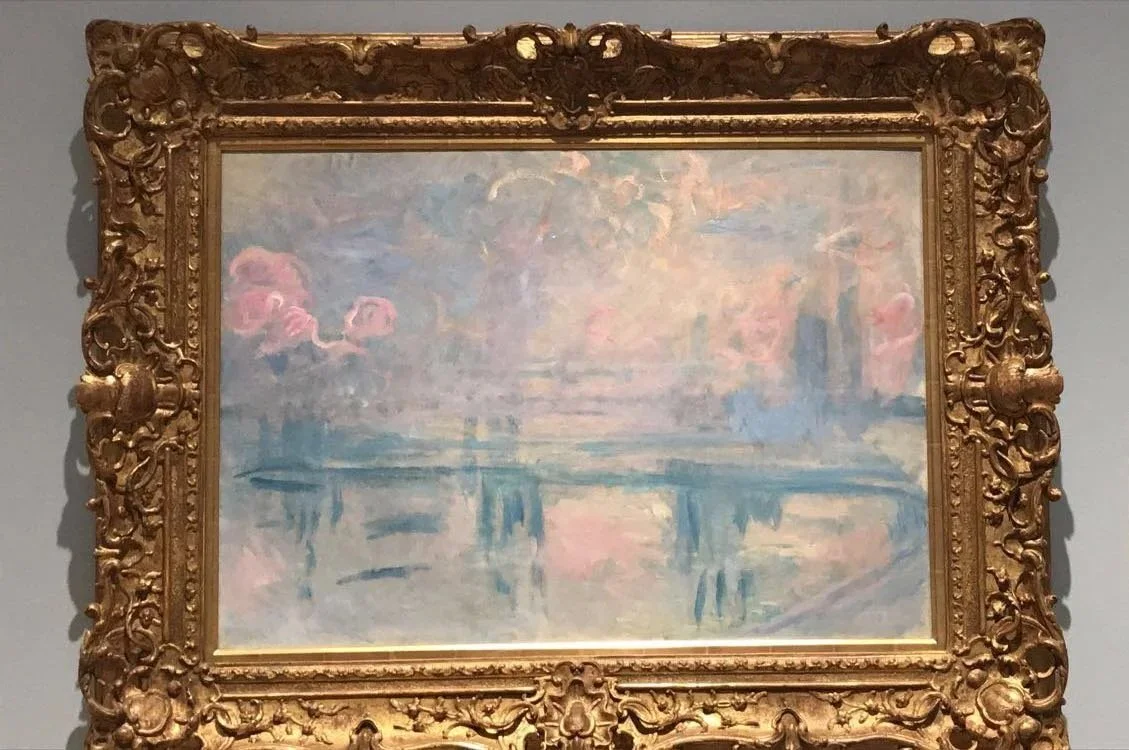
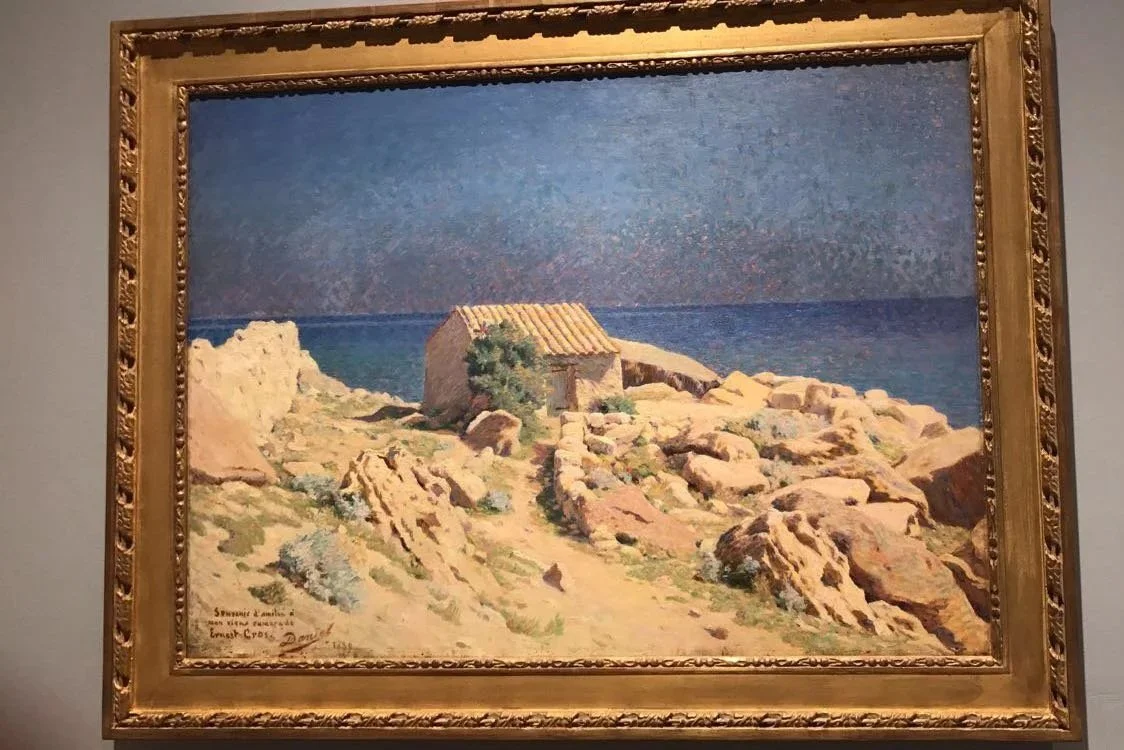
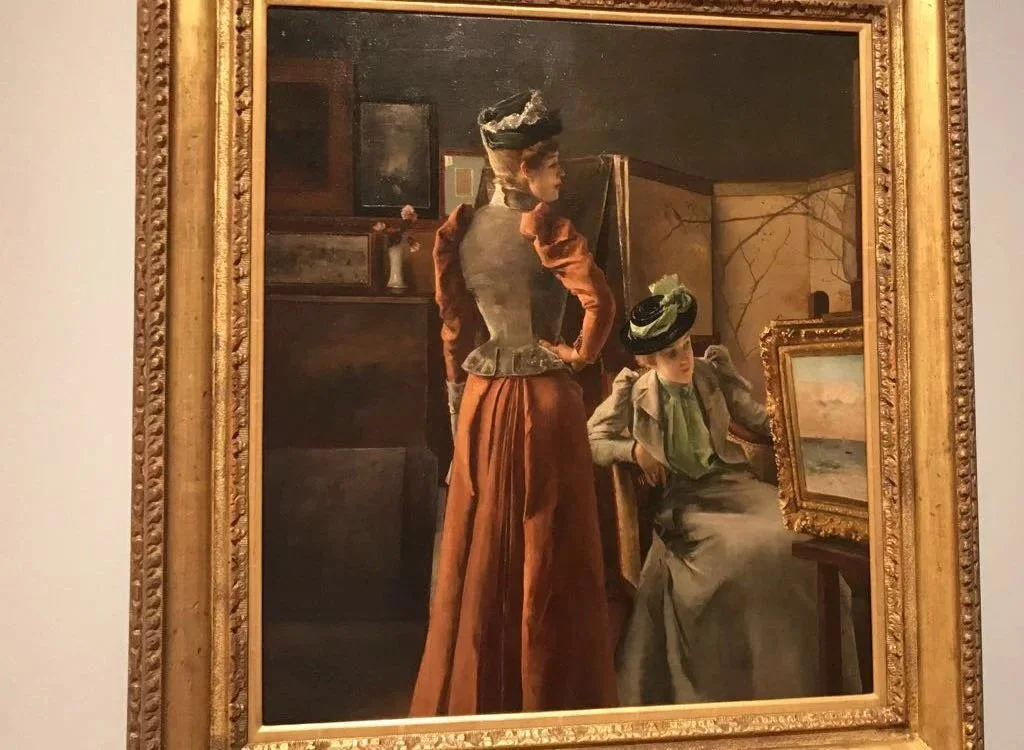
The next gallery took me a bit further back into the earlier 19th-century and more towards realism in representation.
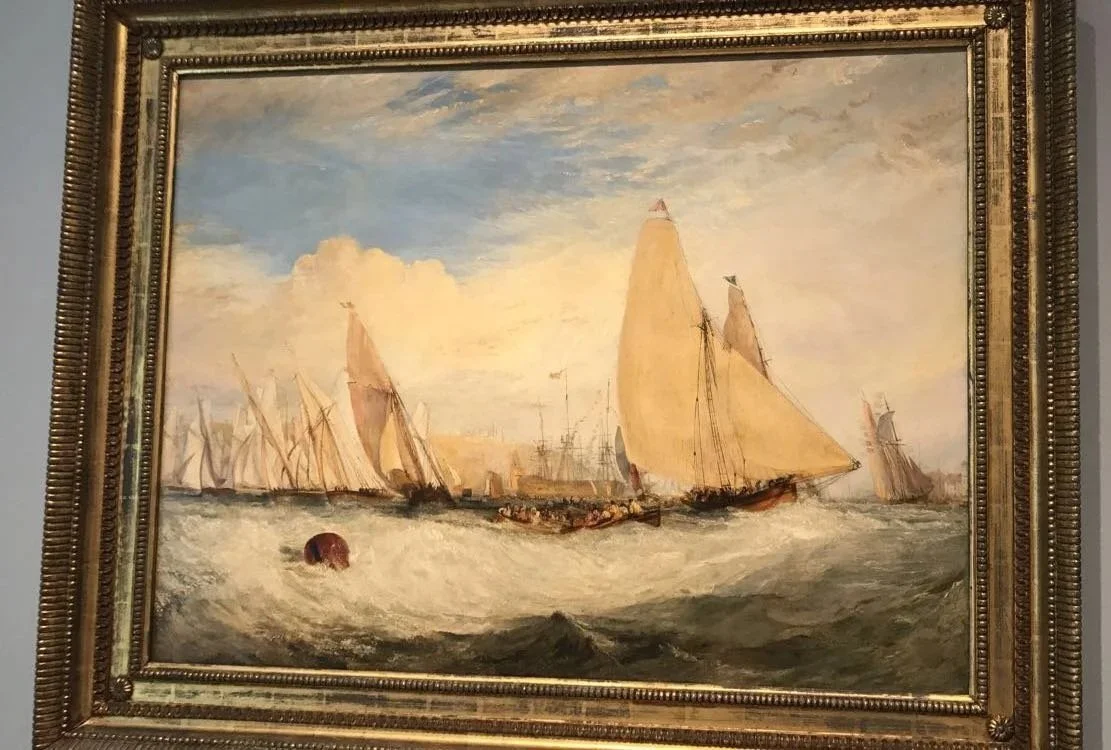
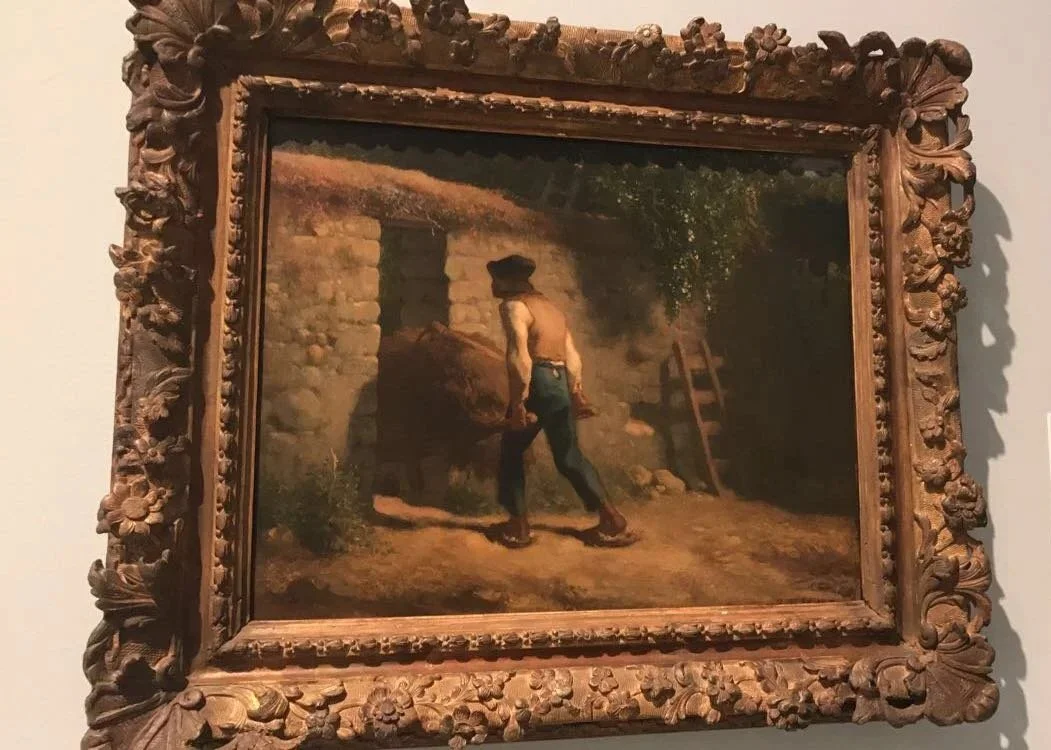
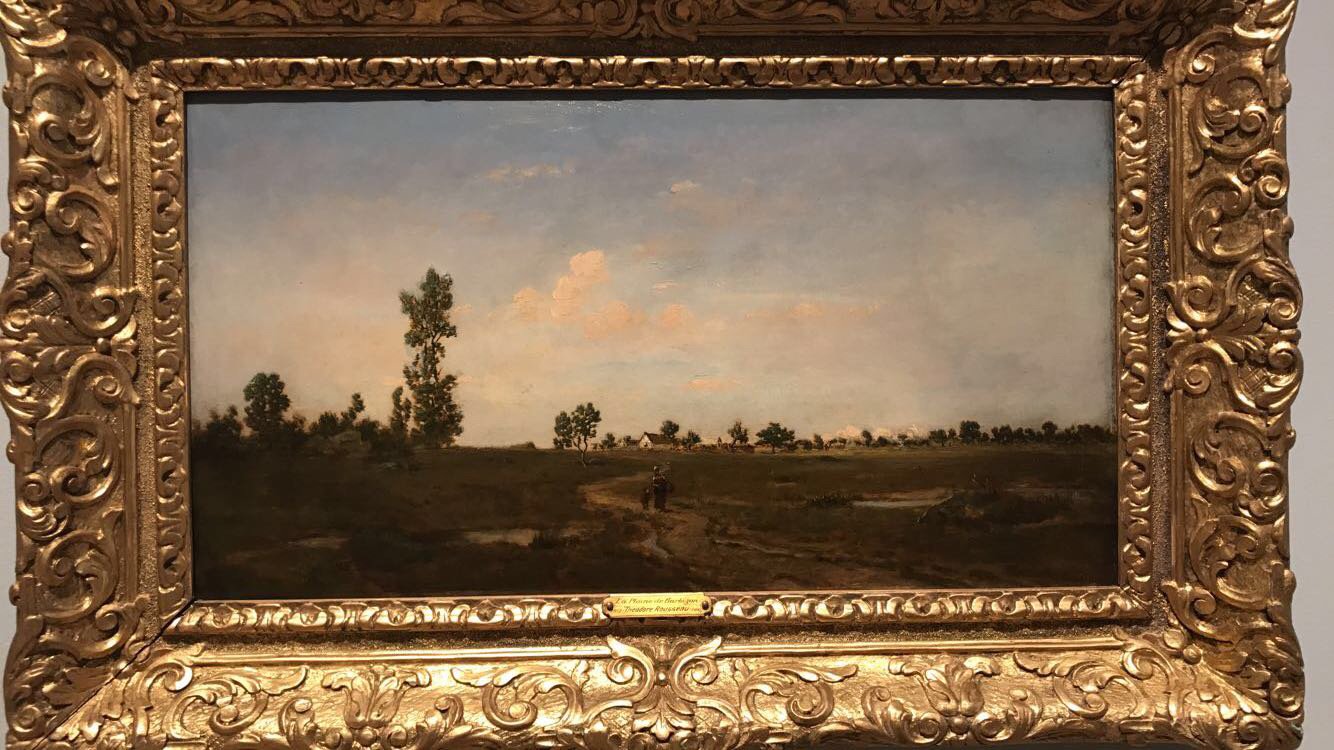
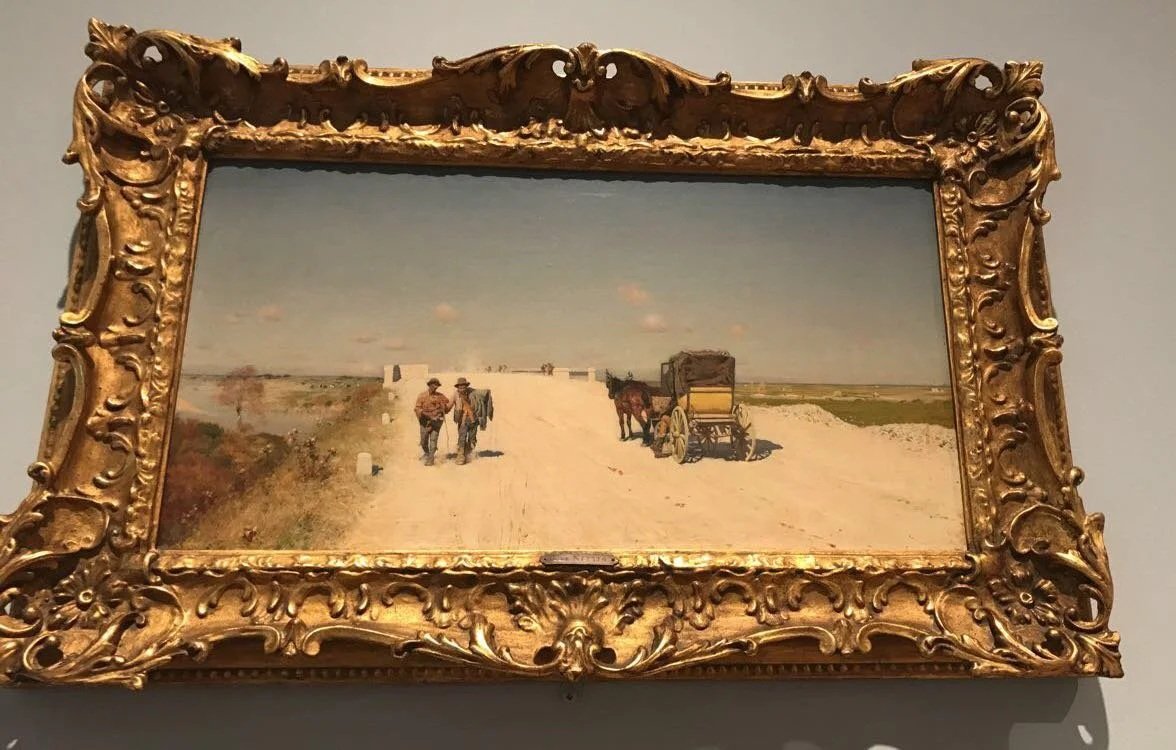
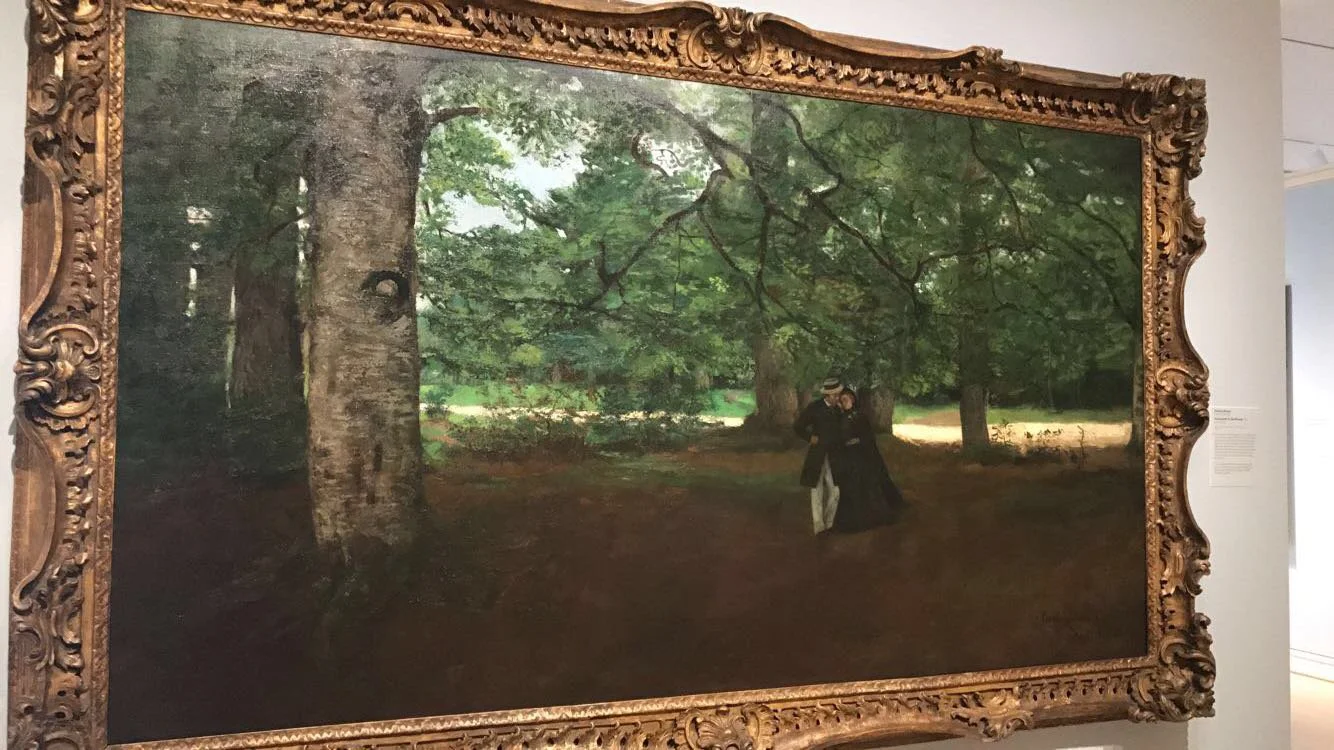
Next up were some beautiful larger works of allegory and mythology. I always like these more fantastical paintings because they feel like they let artists from older generations stretch out and get weird with it in a way you don’t see in portraiture and landscape paintings.
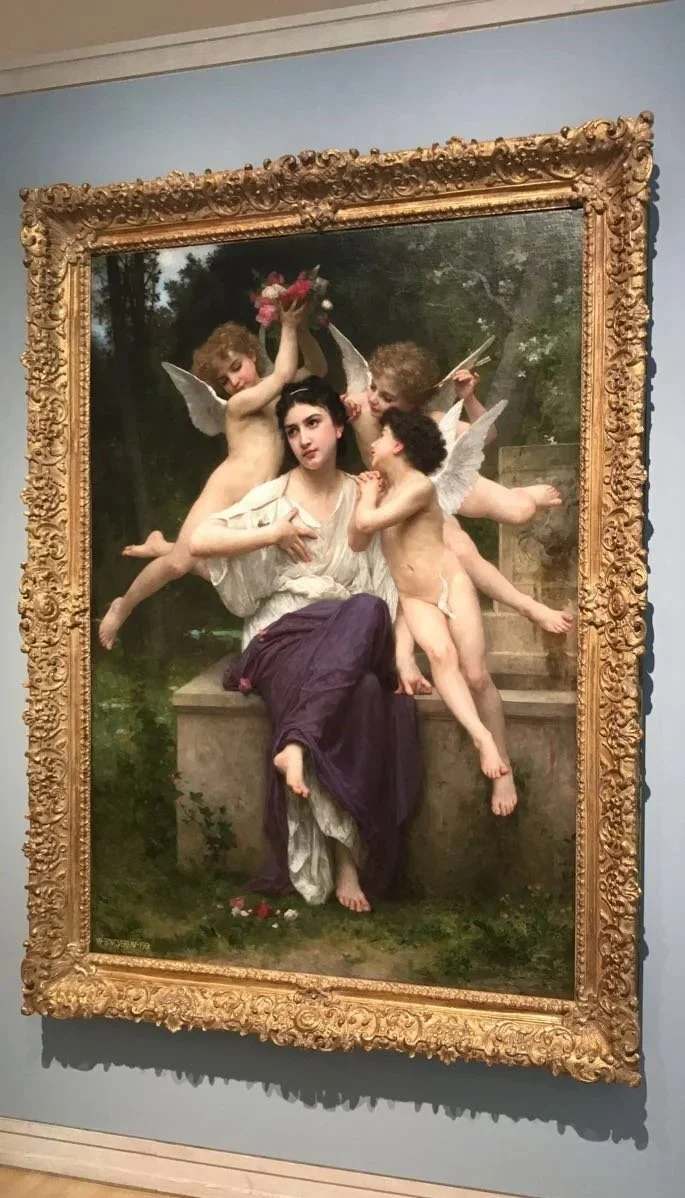
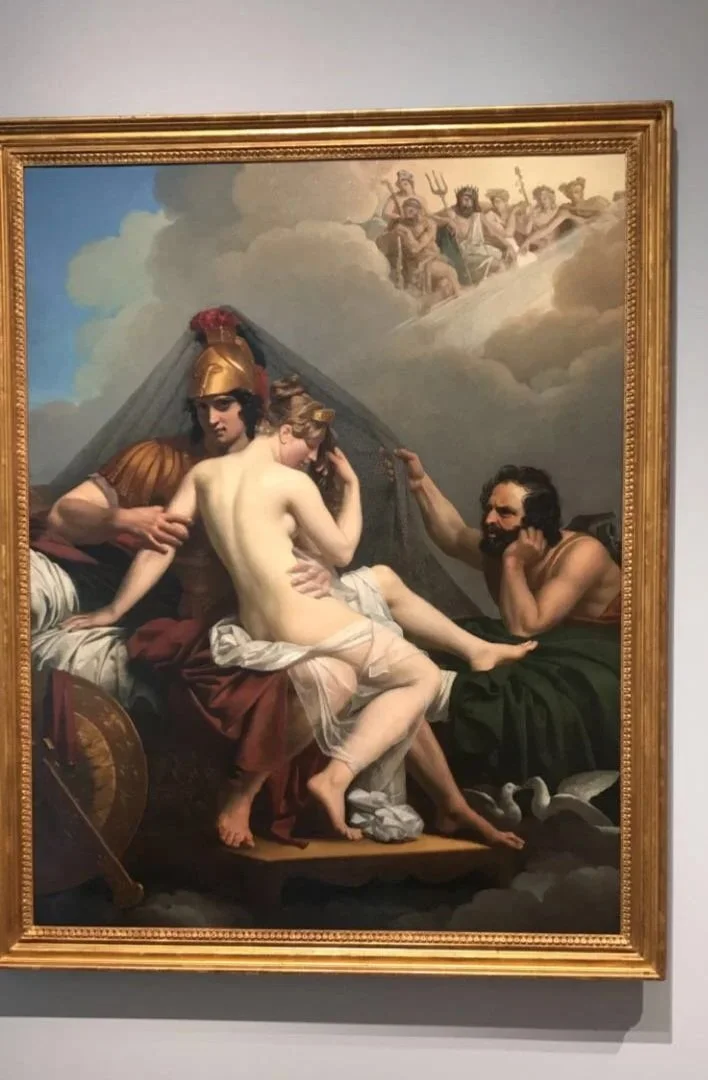
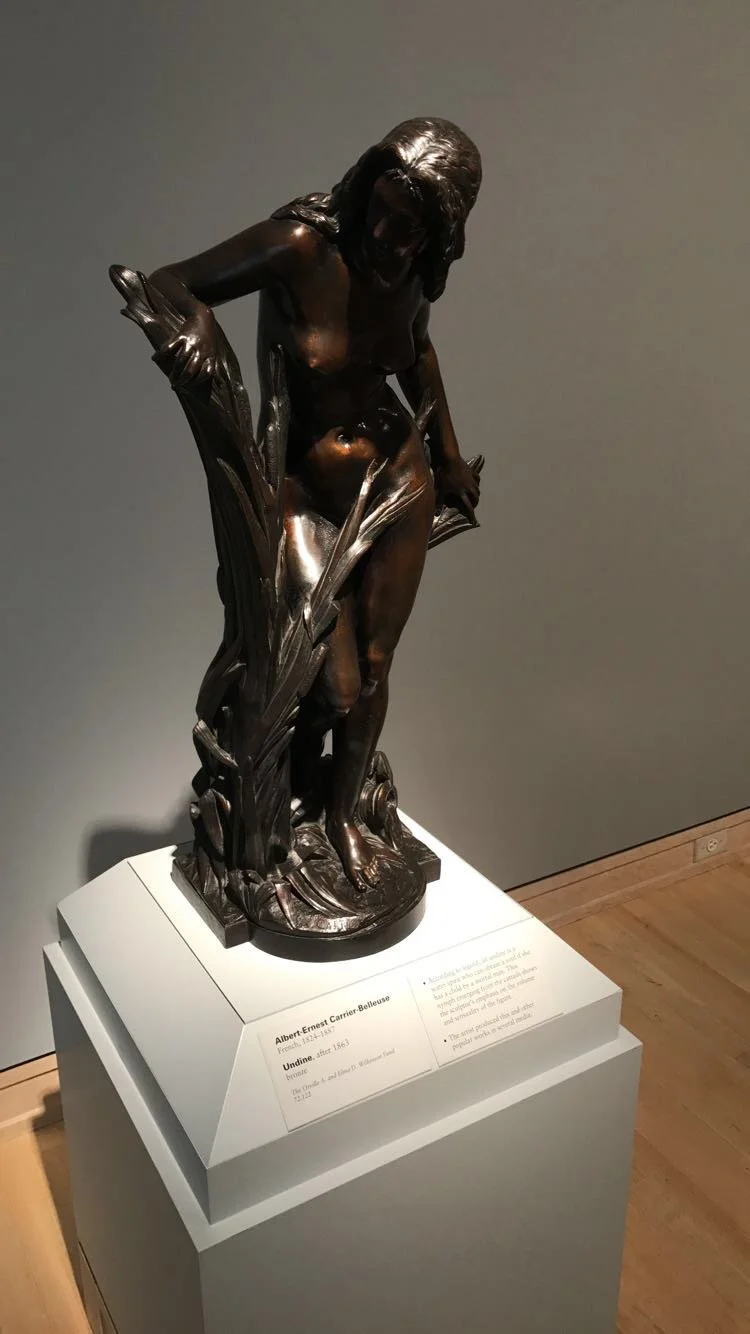
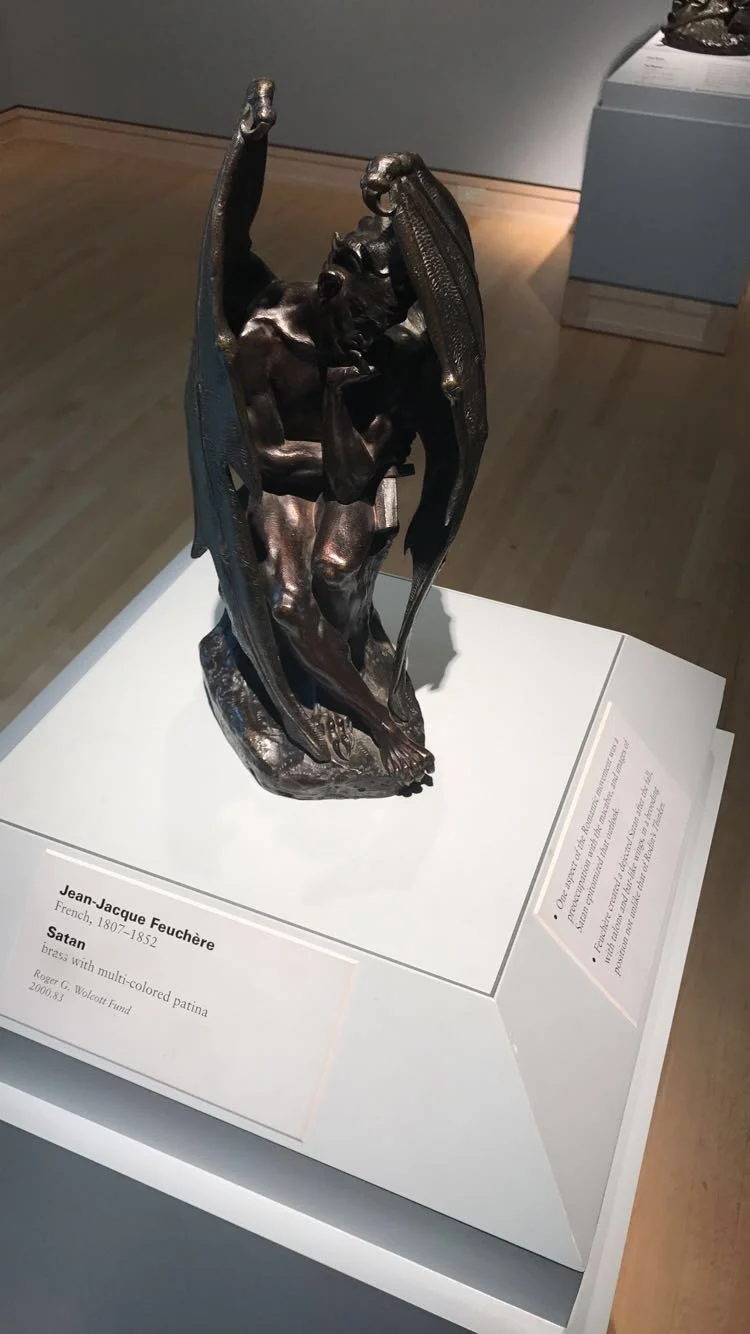
This room also had its share of sculptures sprinkled around the paintings:
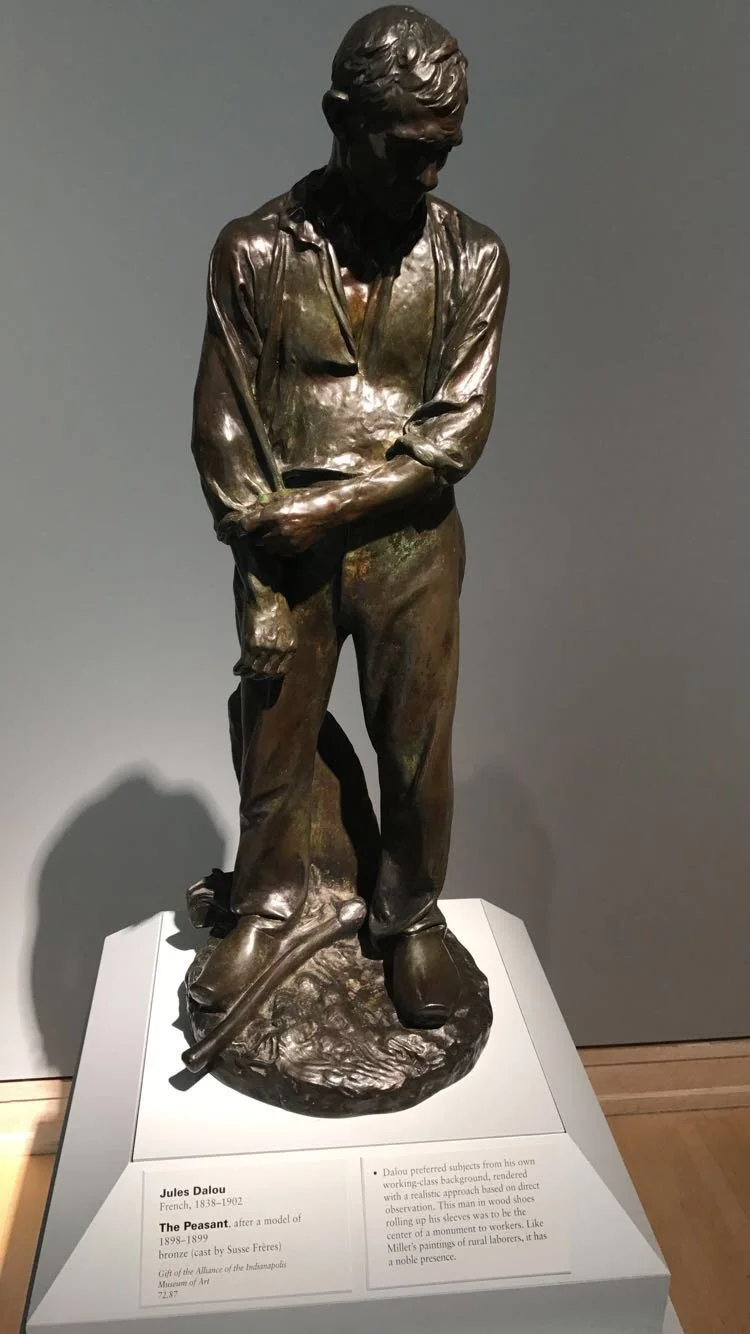
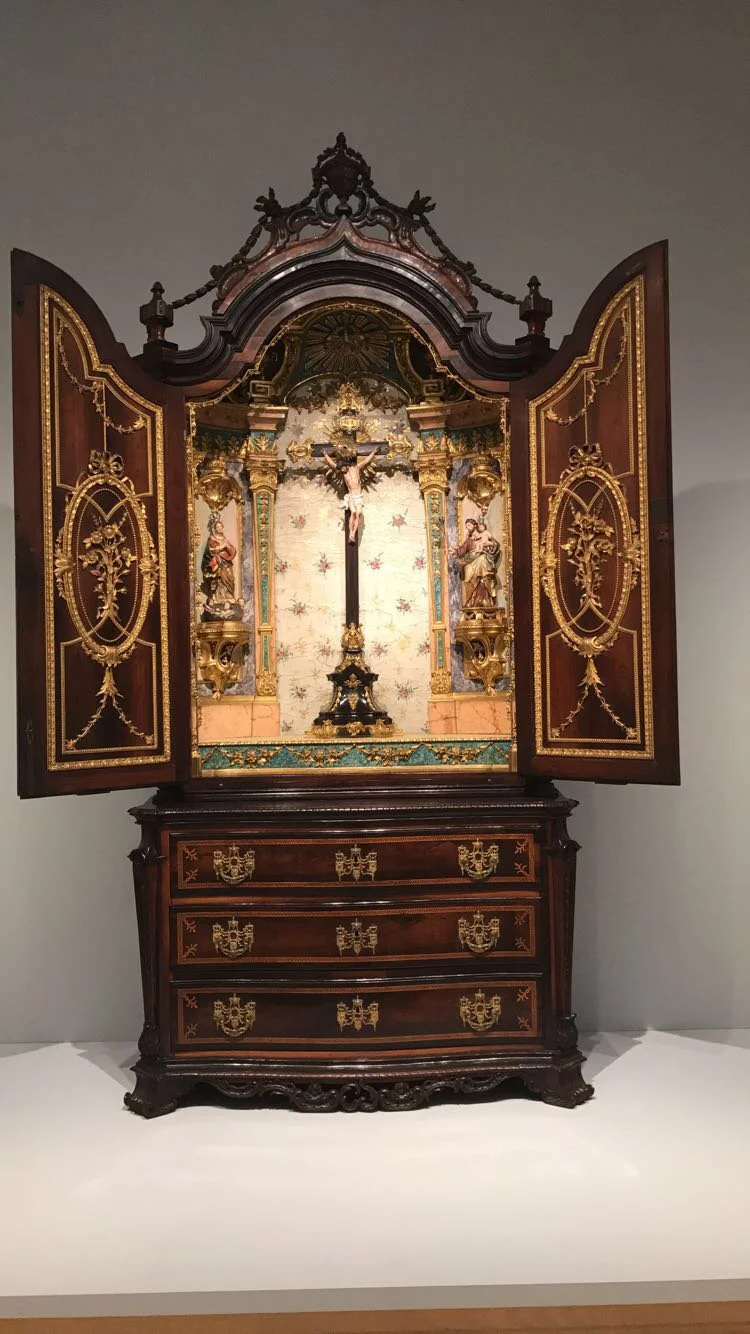
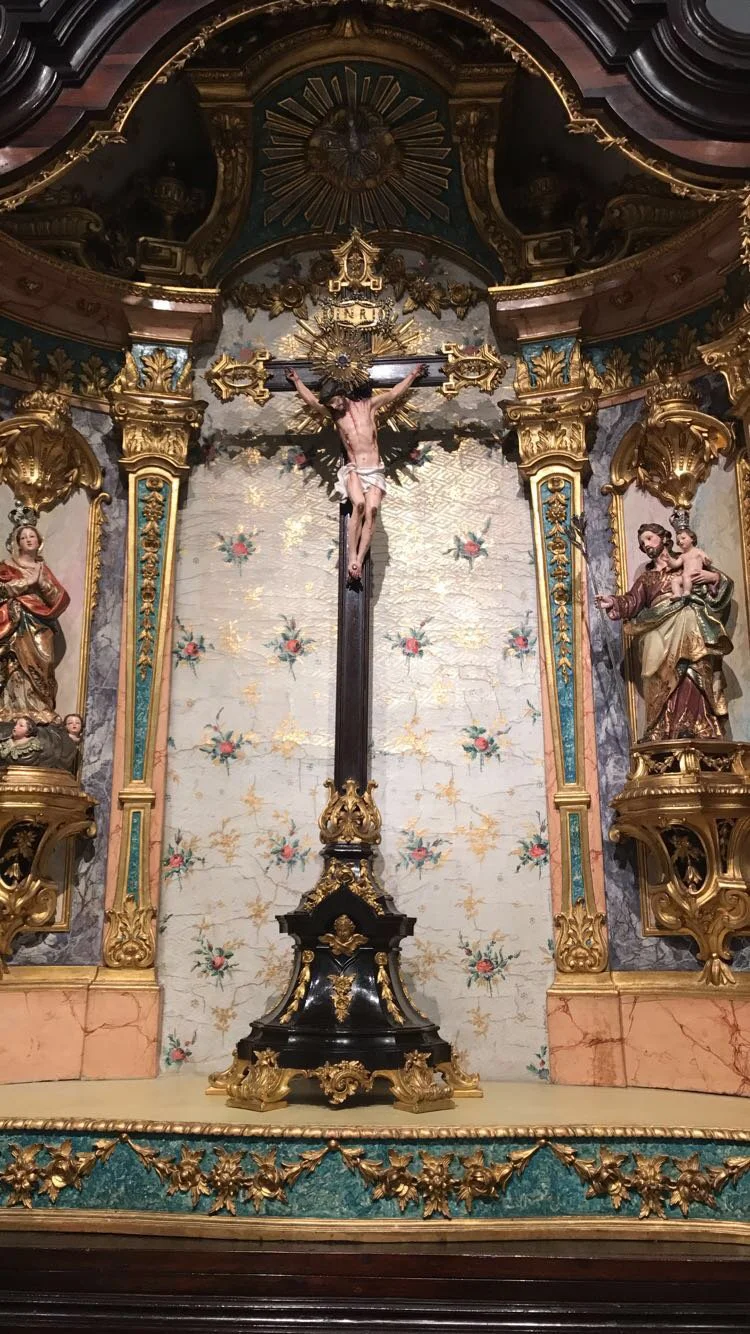
Next up was truly insane pieve of decorative art exemplifying the excesses of Colonial Portuguese called the Oratory Commode. The piece featured extradordinarliy intricate wood cavnings of the crucifixion sitting on top of an ordinary (though beautifully made) chest of drawers, because I guess the Portuguese felt that there was no need to seperate the mundane from the sublime. I was also surprised to learn that there was another usage of the word commode, because when I first looked at this I was really trying to figure out how in the world it was also a toilet.
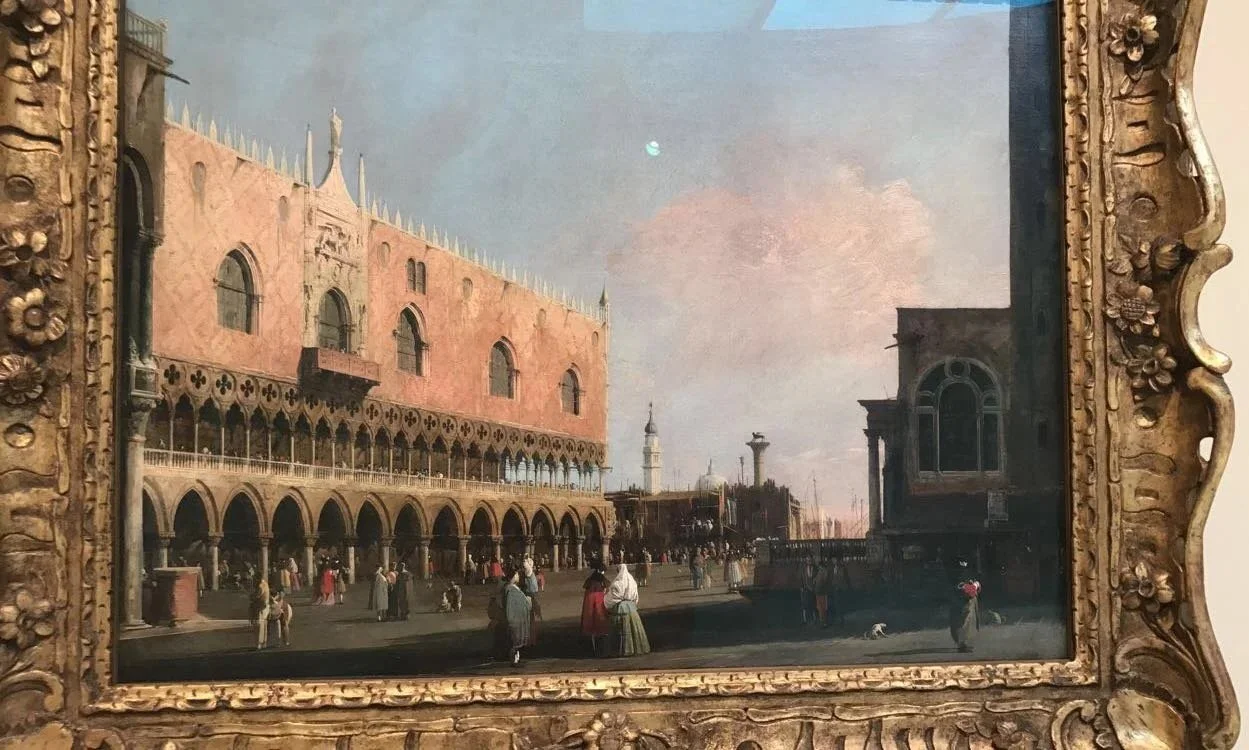
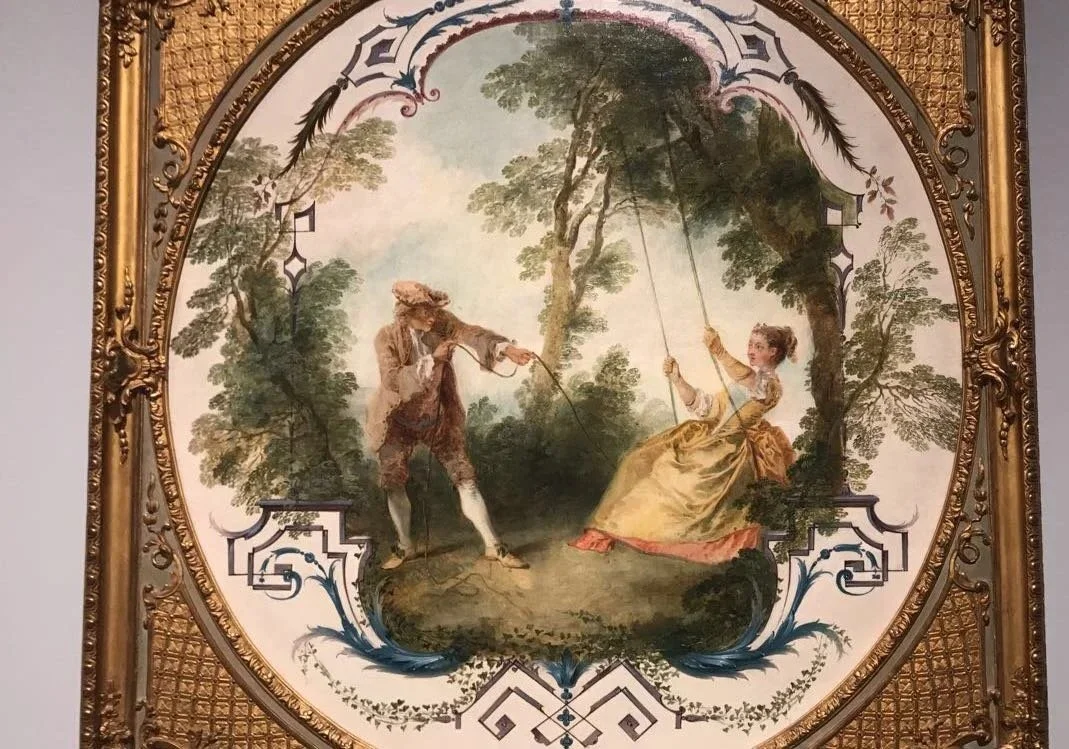
The next gallery moved to European works from before 1800, wherre I particularly enjoyed the bold colors and caution-to-the-wind romanticism of the Rococo pieces:
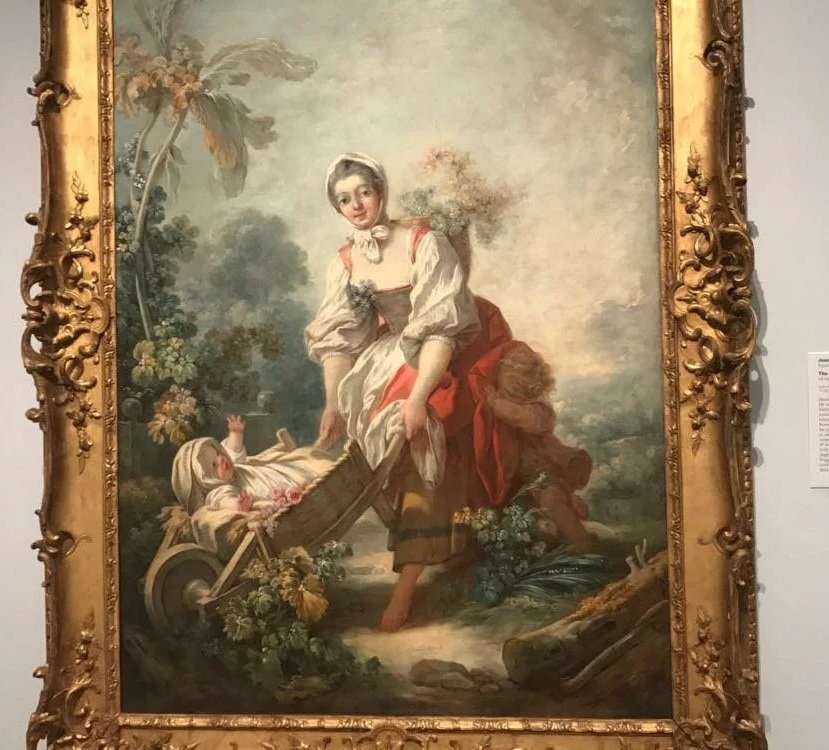
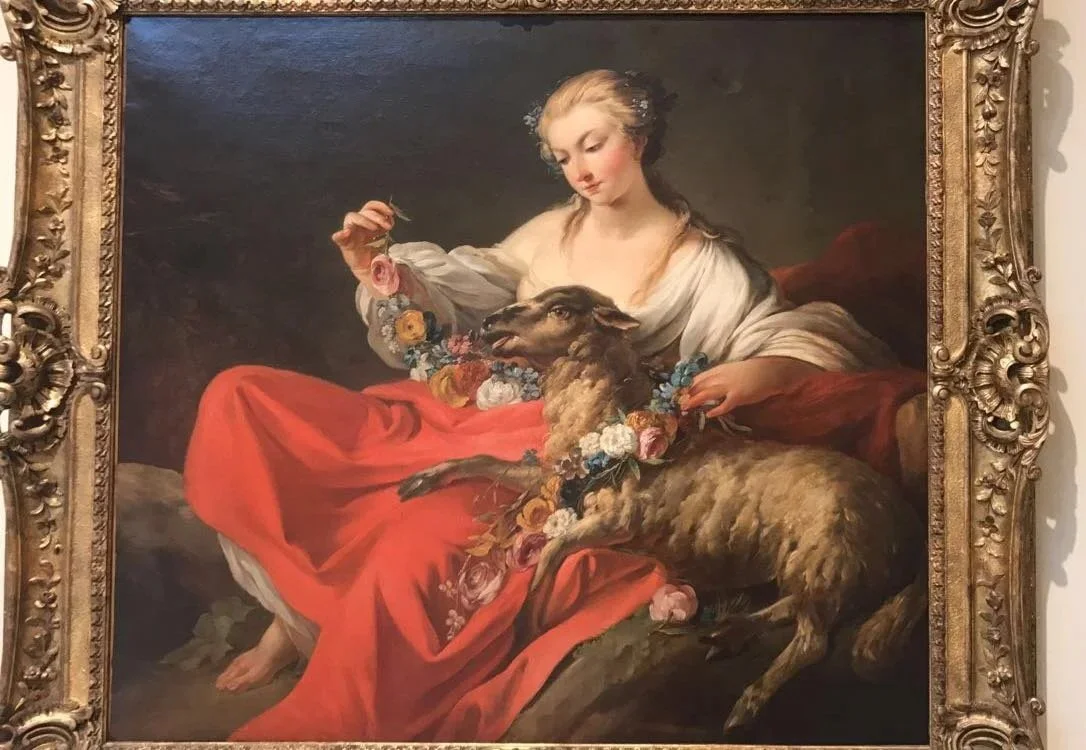
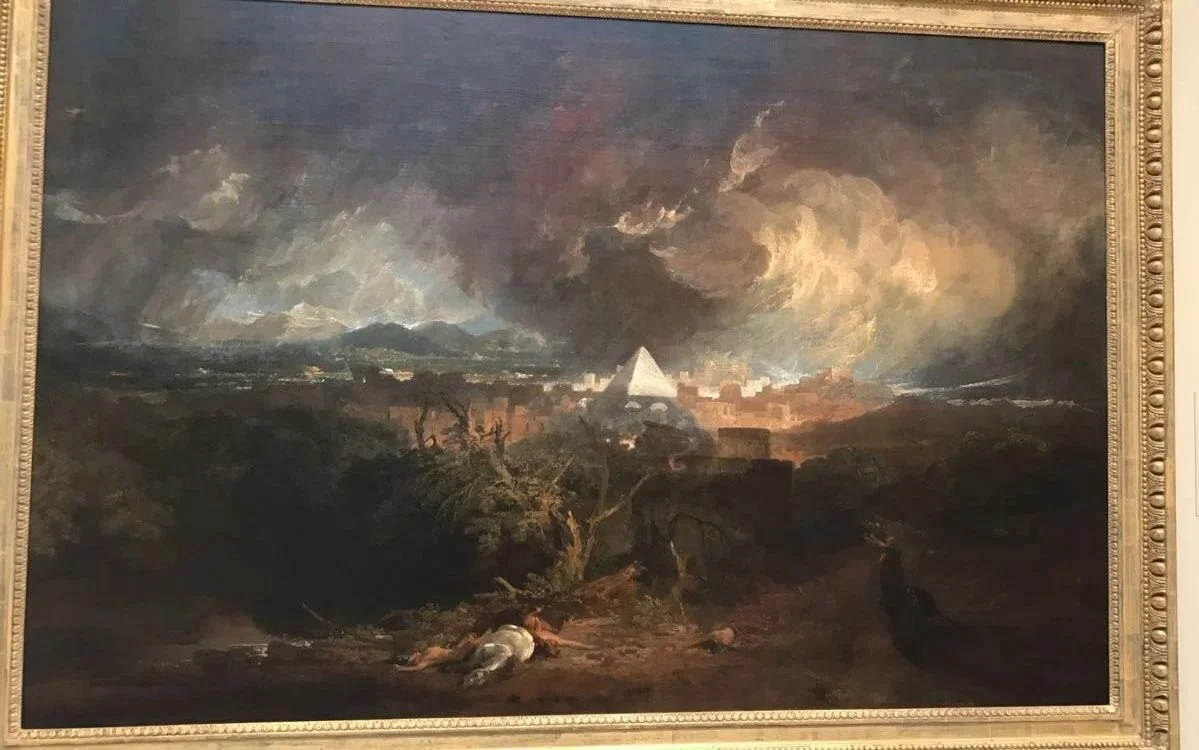
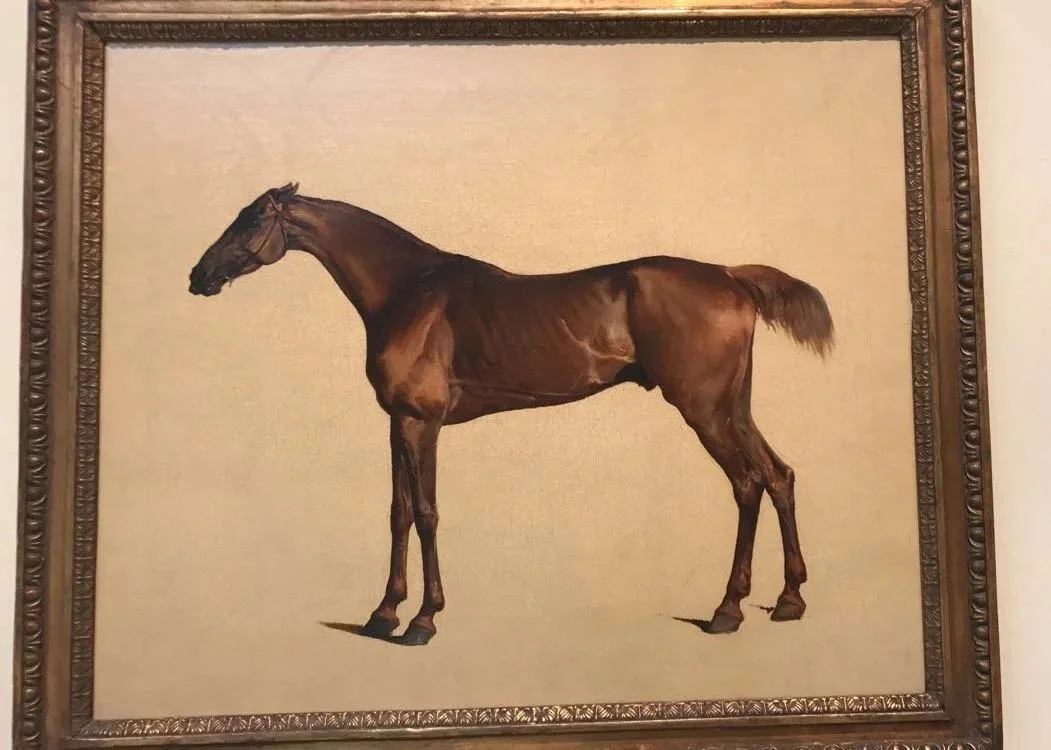
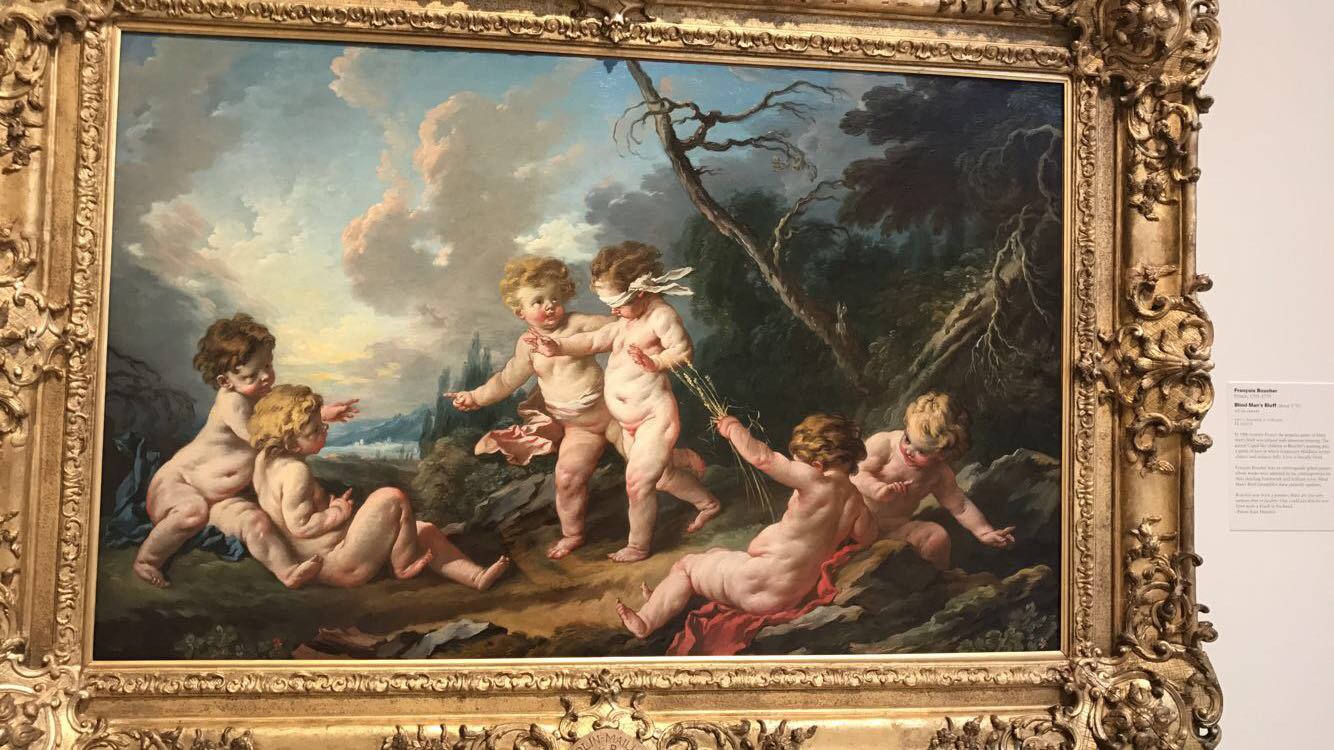
My favorite of these pieces though had to be this bonkers painting of blindfolded naked babies cavorting in the woods unattended entiteled Blind Man’s Bluff by François Boucher
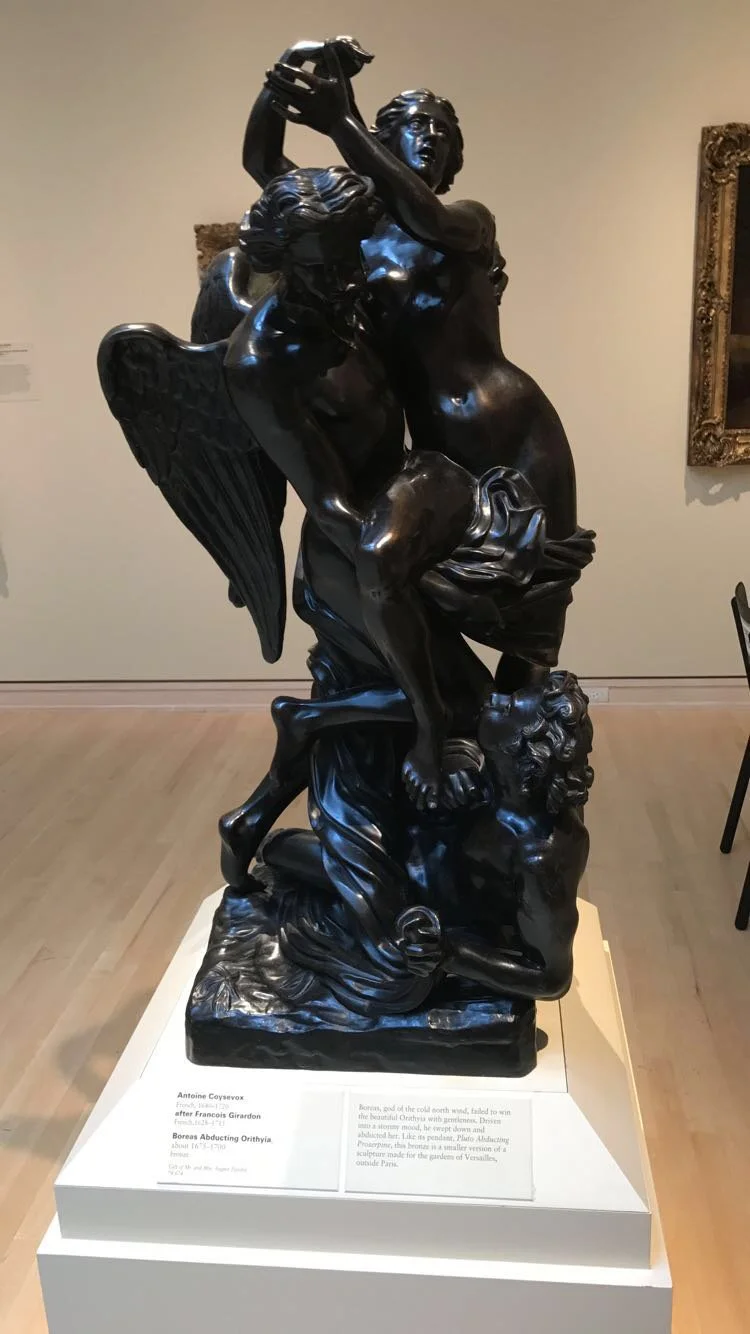
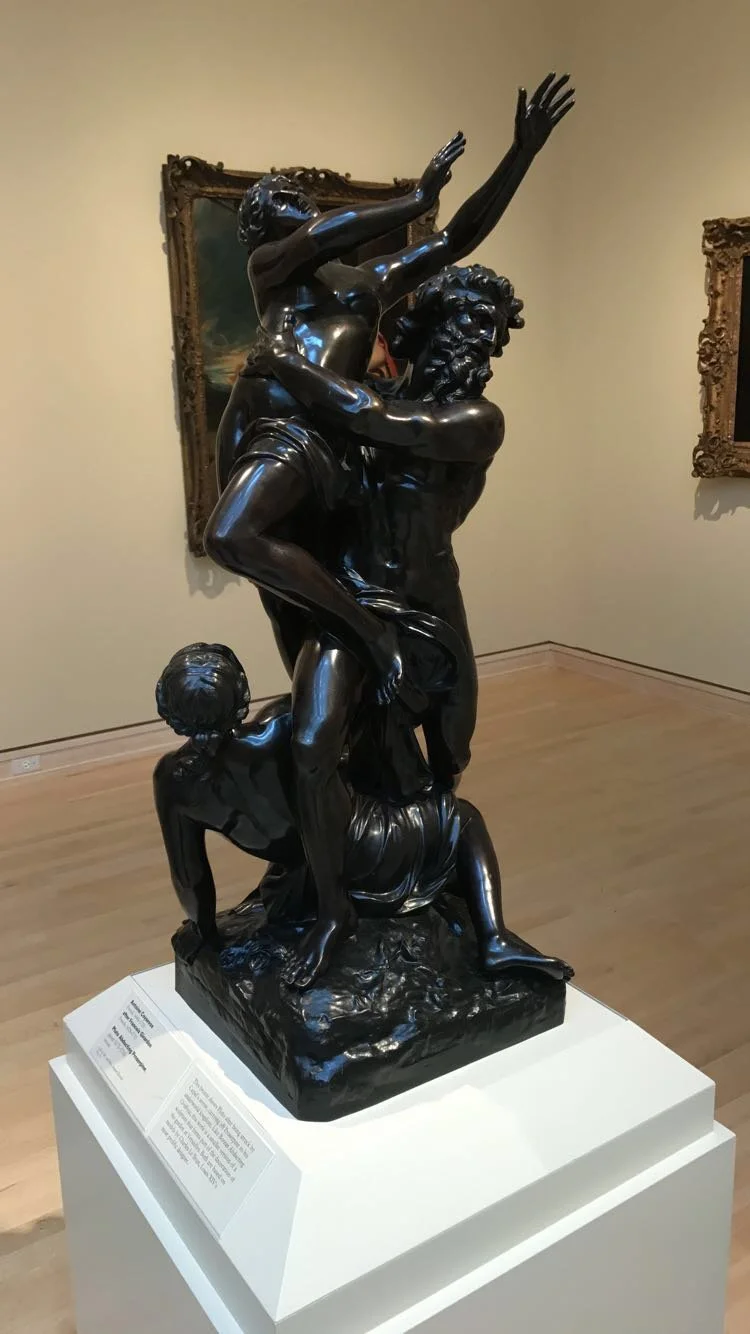
This gallery also had two different but related sculptures by Antoine Coysevox that really make you woder why folks in 18th century Europe were so obsessed with mythological beings abducting women.
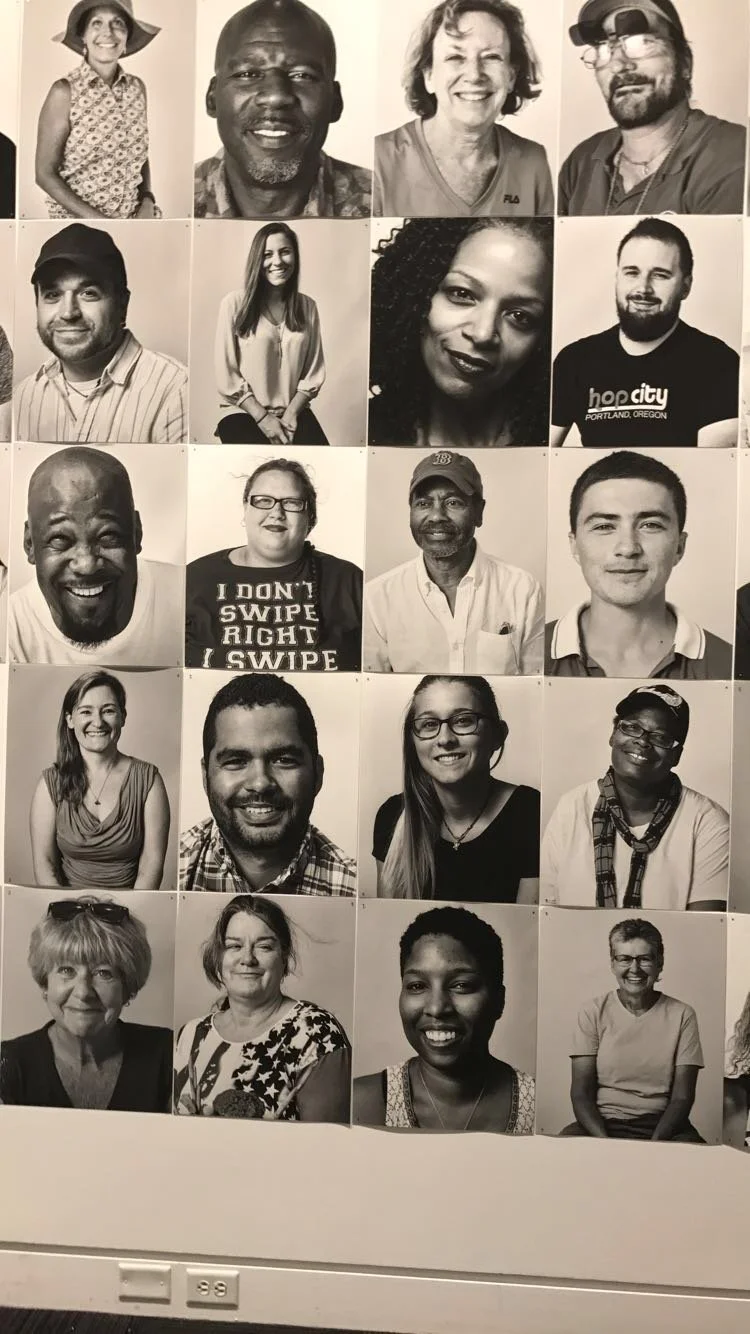
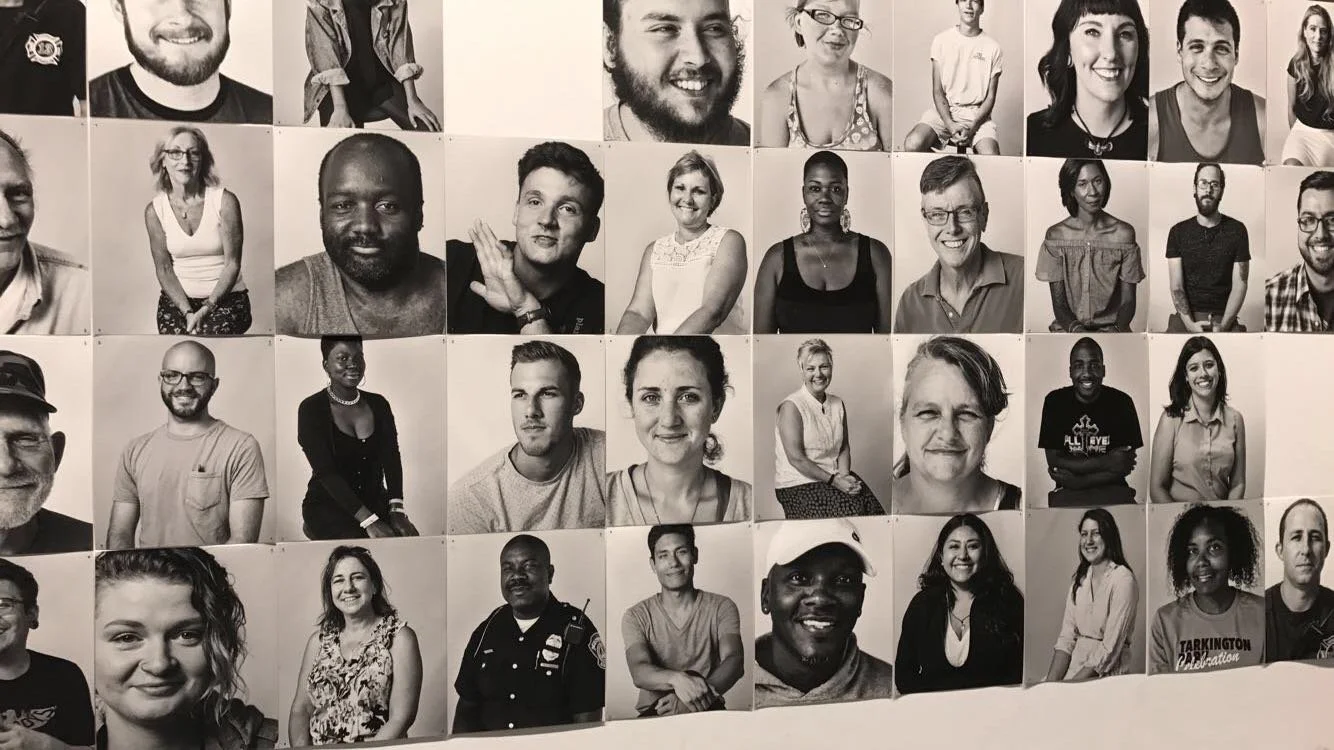
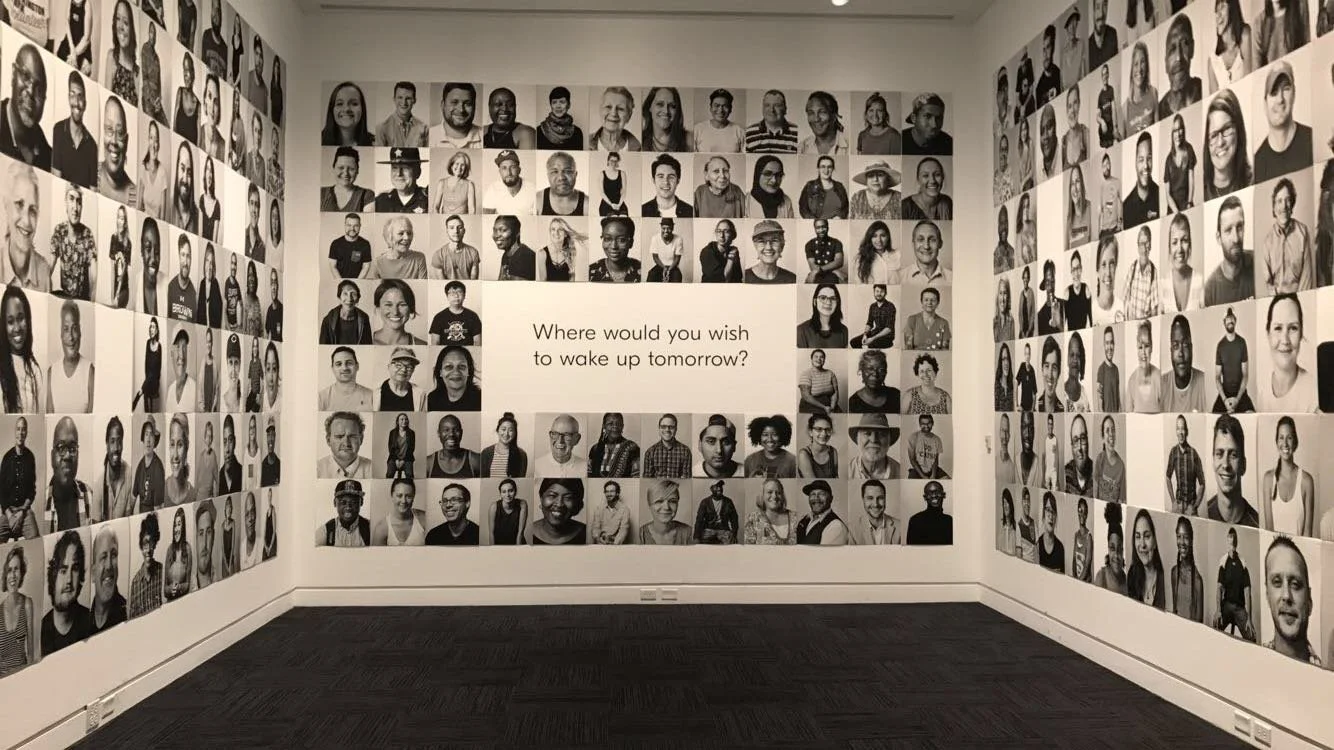
With the next gallery, I bid the past farewell and came firmly to the present (though it’s taken me so long to write this that it is now the past again) with a special exhibited entiteld Portraits of Our City. This exhibit featured hundrds of portraits of Indianapolis residents, filling up the walls of the entire gallery space. Each person was also asked by the photographers the question “Where would you wish to wake up tomorrow?” and audio of these answers accompanied the photos. It was a simple, but sweetly moving snapshot of the people living in this place and time.
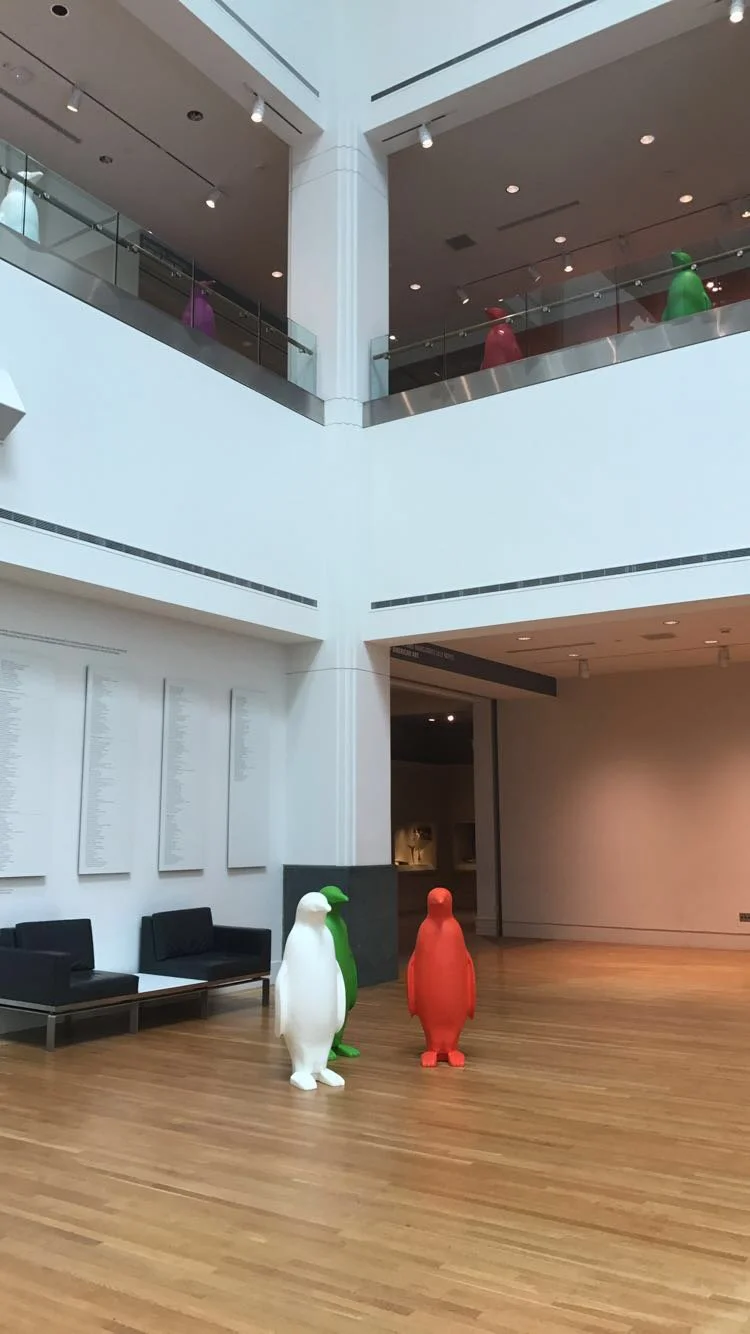
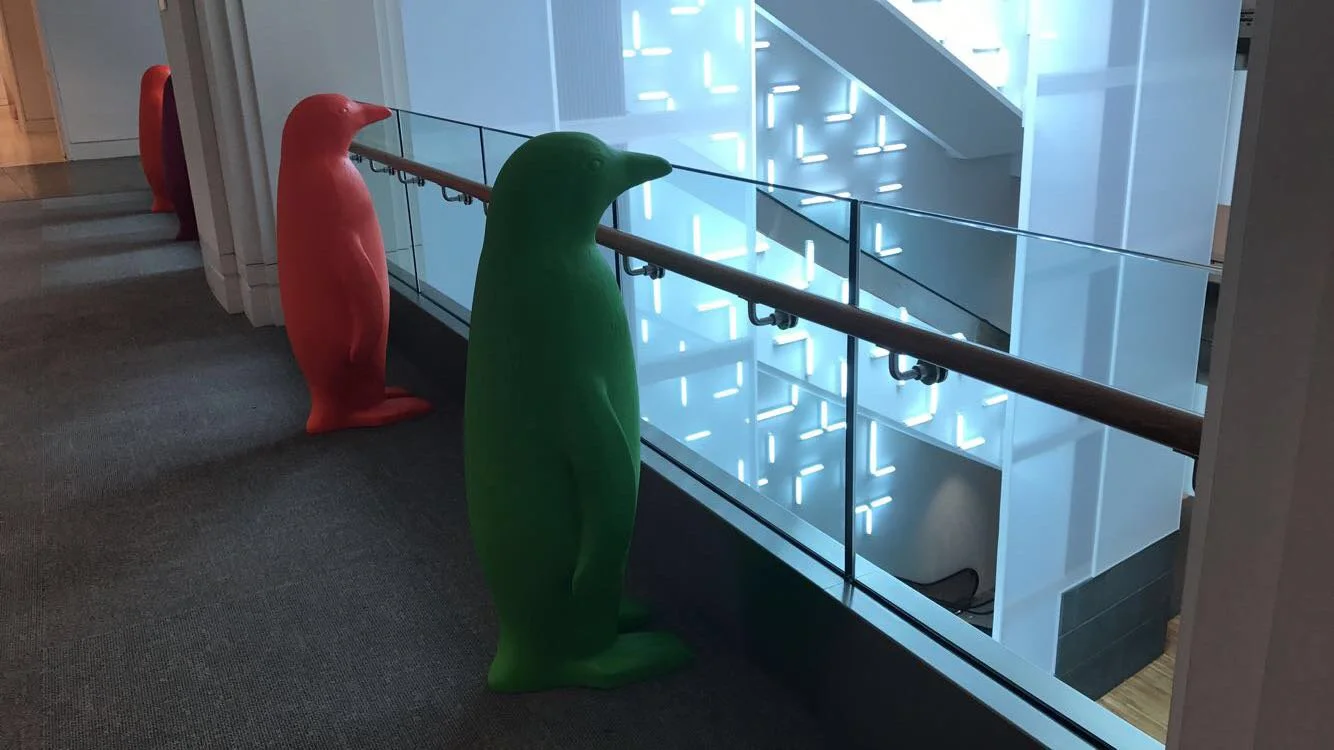
Leaving this gallery I had my first encounter with some of the installations by Cracking Art, a Milan-based artist collective, that were scattered throughout the museum. The pieces, brightly colored plastic sculptures of different animals, were primo Pop Art, both playful and gently subversive. The cartoonish-ness of the animals, in this case wonderfully dopey looking penguins, made them eye catching interactive pieces for visitors to have photo opps with, but the choice of making the sculptures out of plastic also highlighted the industrial pollution that is putting the depcited animals in real danger. The thoughtful curation of the pieces within the environment of the museum, while often done in humorous ways, also forces the visitors to be mindful of the museum and museum grounds as both built and natural enviorments which adds some nice depth to the silliness.
Next up, I moved into the 20th century with some modernist works that had that sort of dreamlike blend of representation and abstraction that I really love.
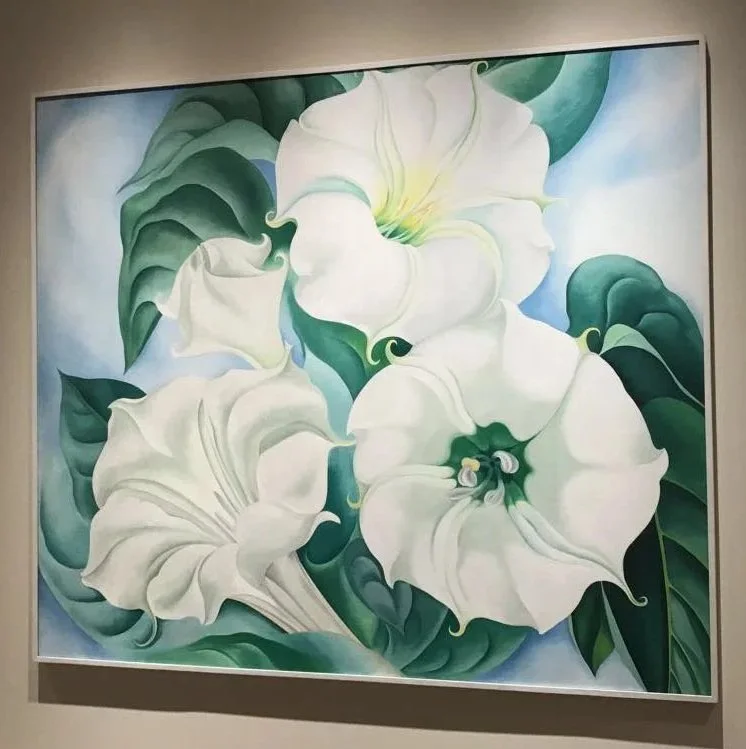
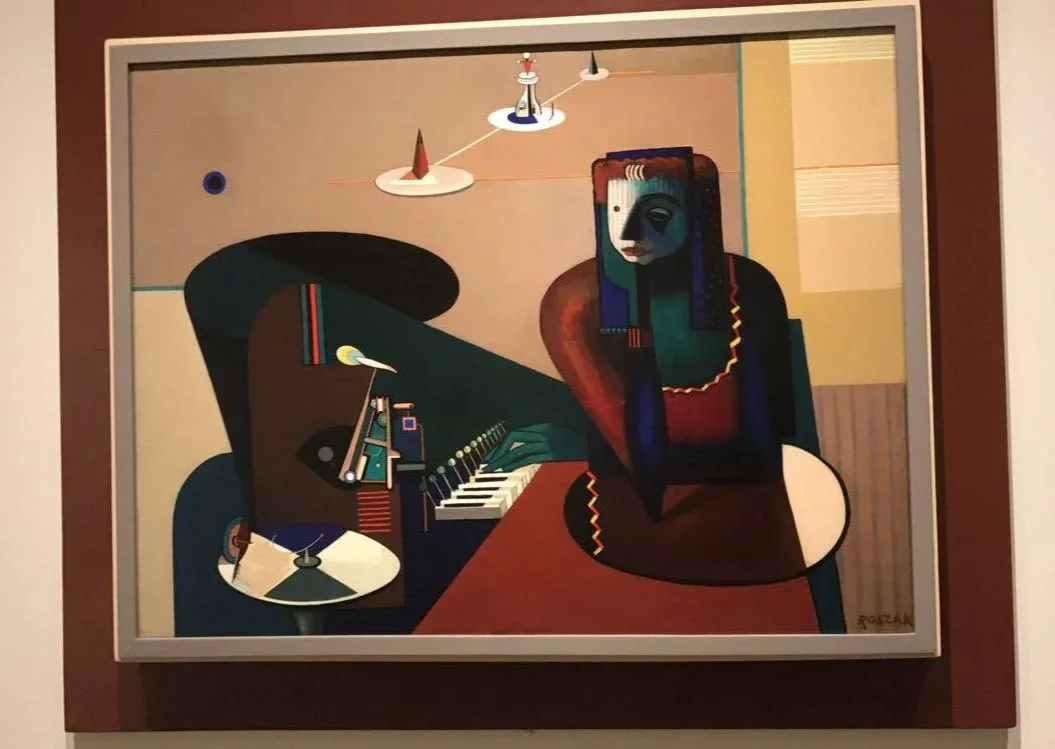
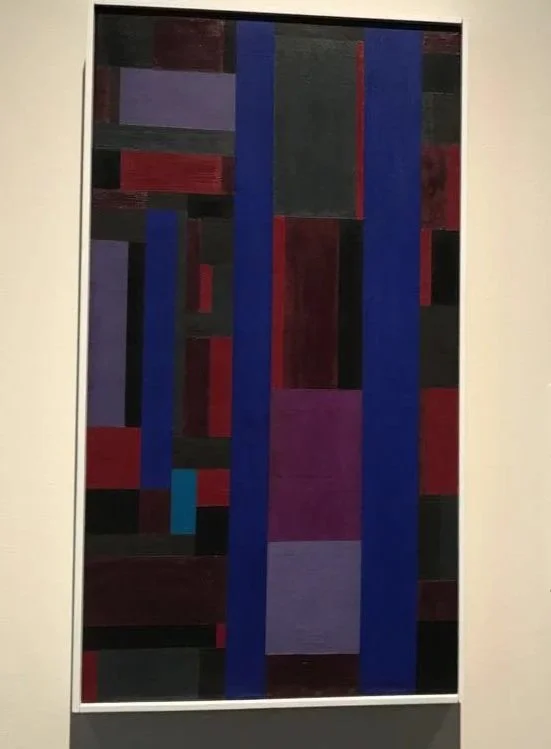
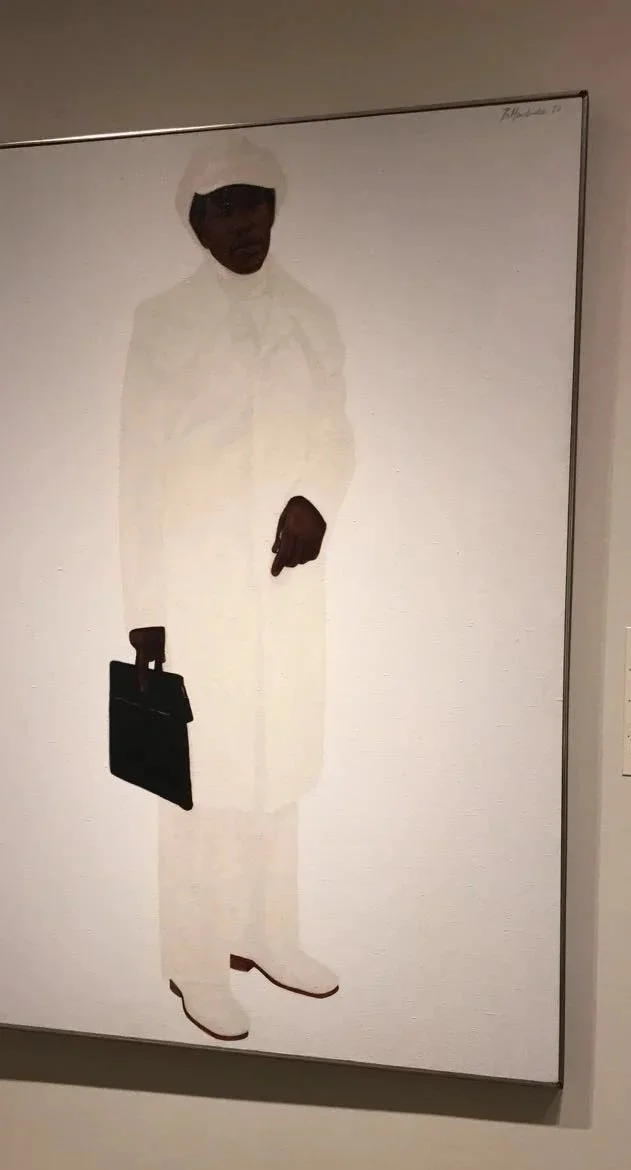
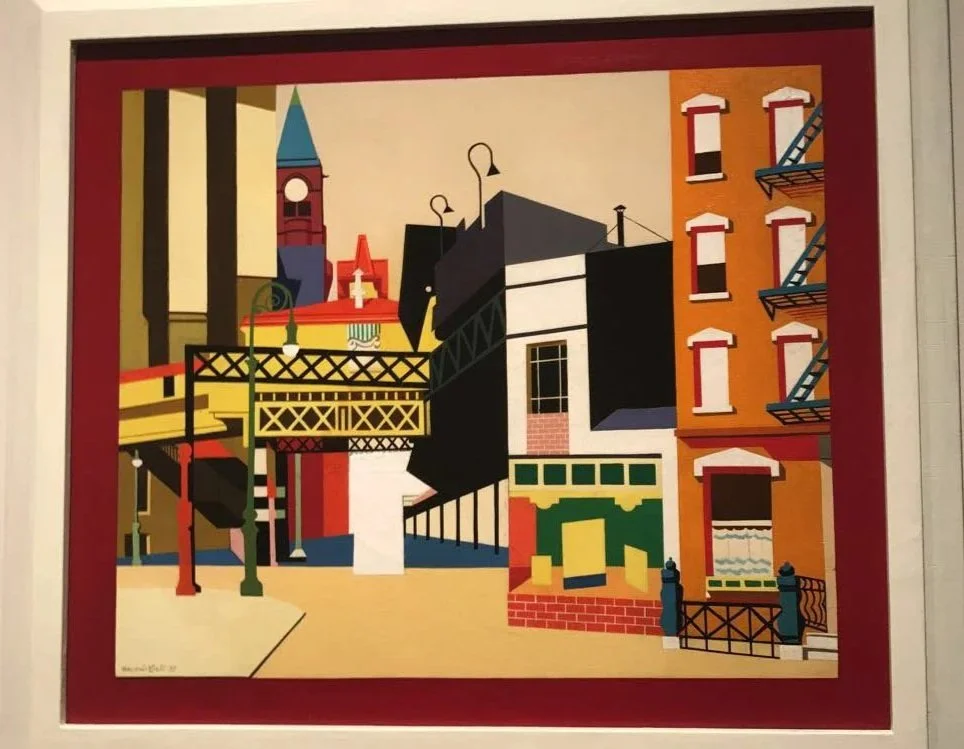
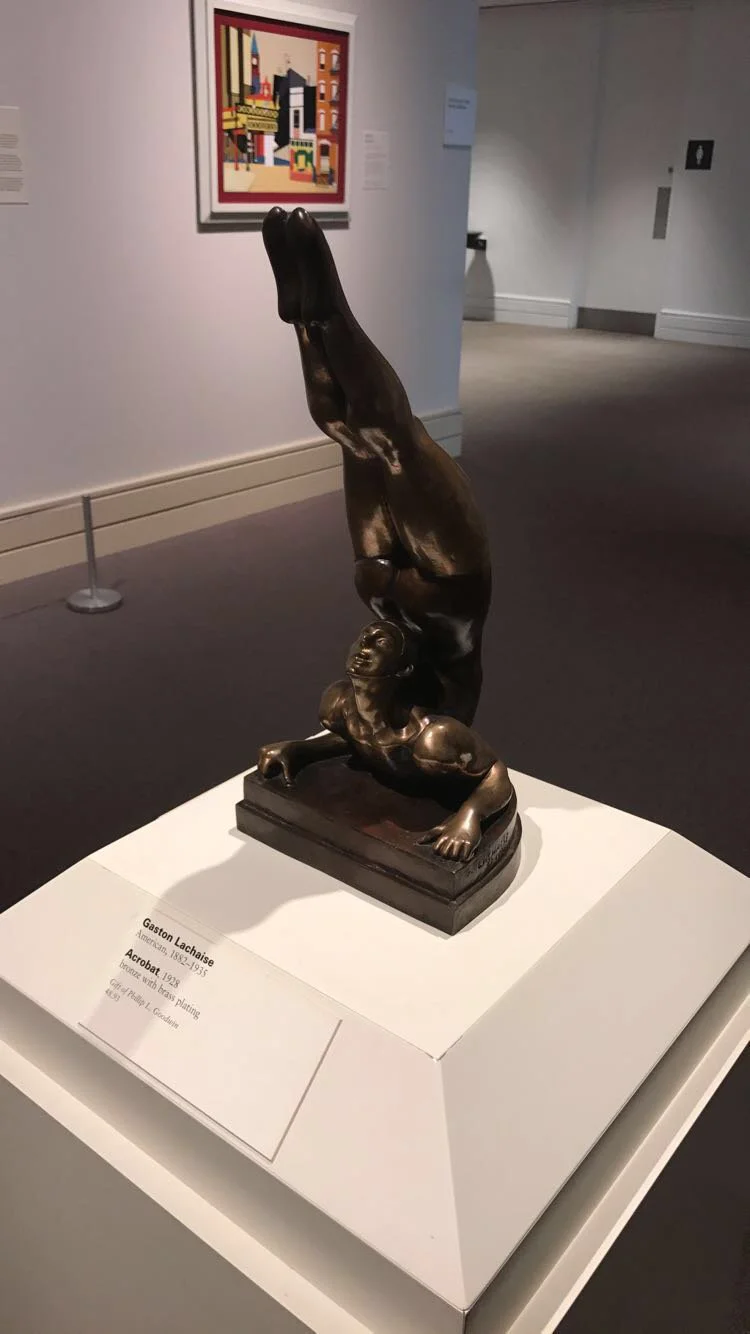
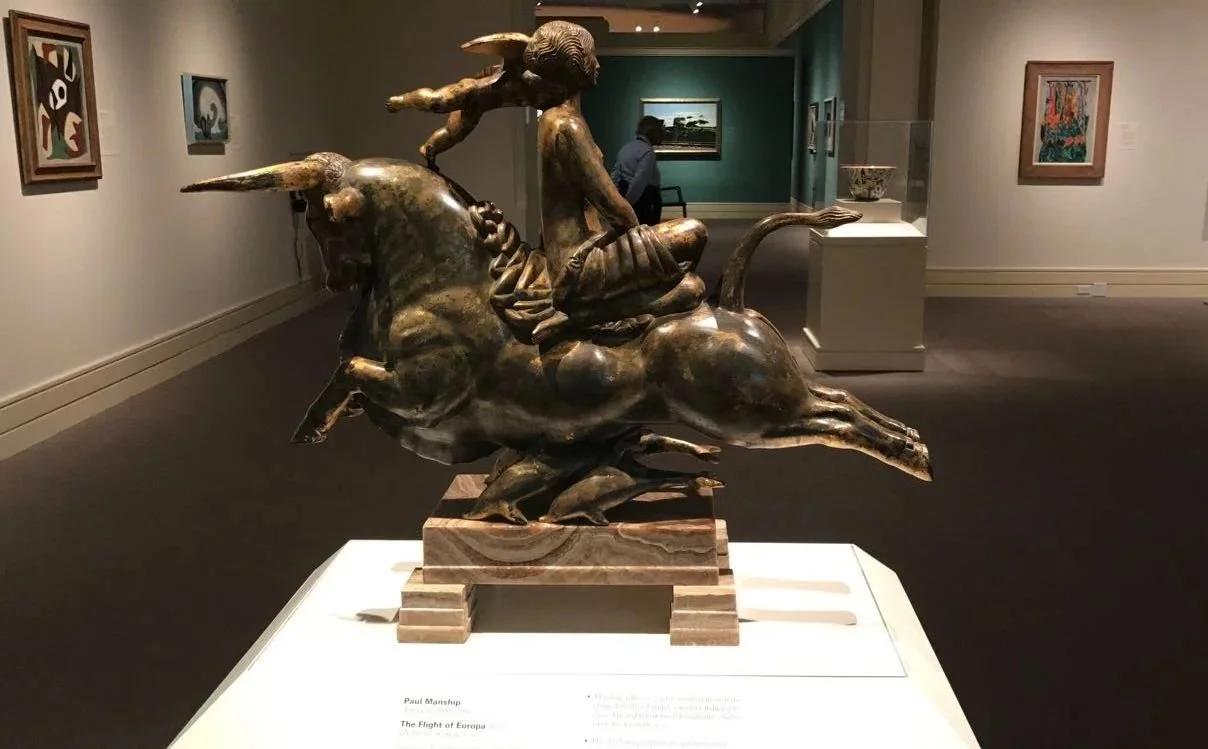
These paintings were complemented with some dynamically strange sculptures include an artfully contorted Acrobat by Gaston Lachaise and a depiction of The Flight of Europa by Paul Manship featuring a very stoic woman and her cherub companion sitting atop Zeus in the form of an incredibly pudgy bull seemingly getting almost no air and having to be supported by a school of doplhins. Wild!
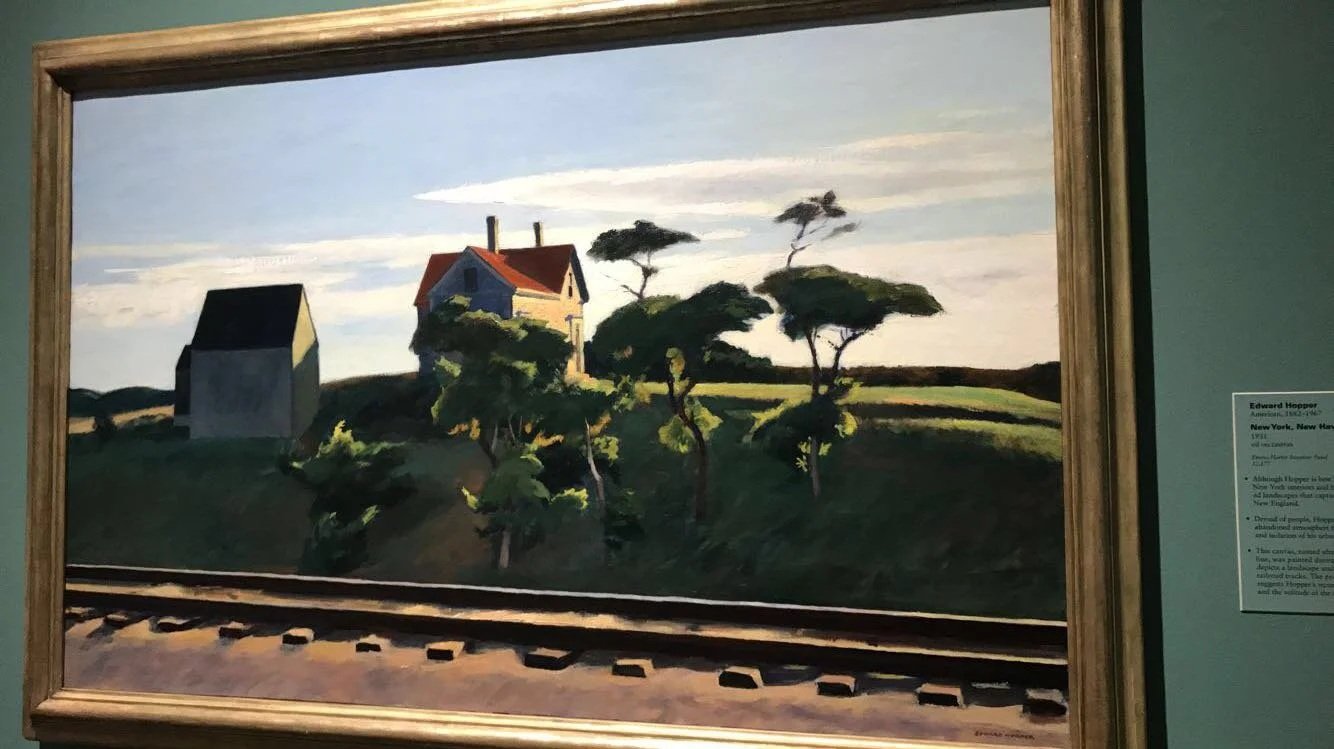
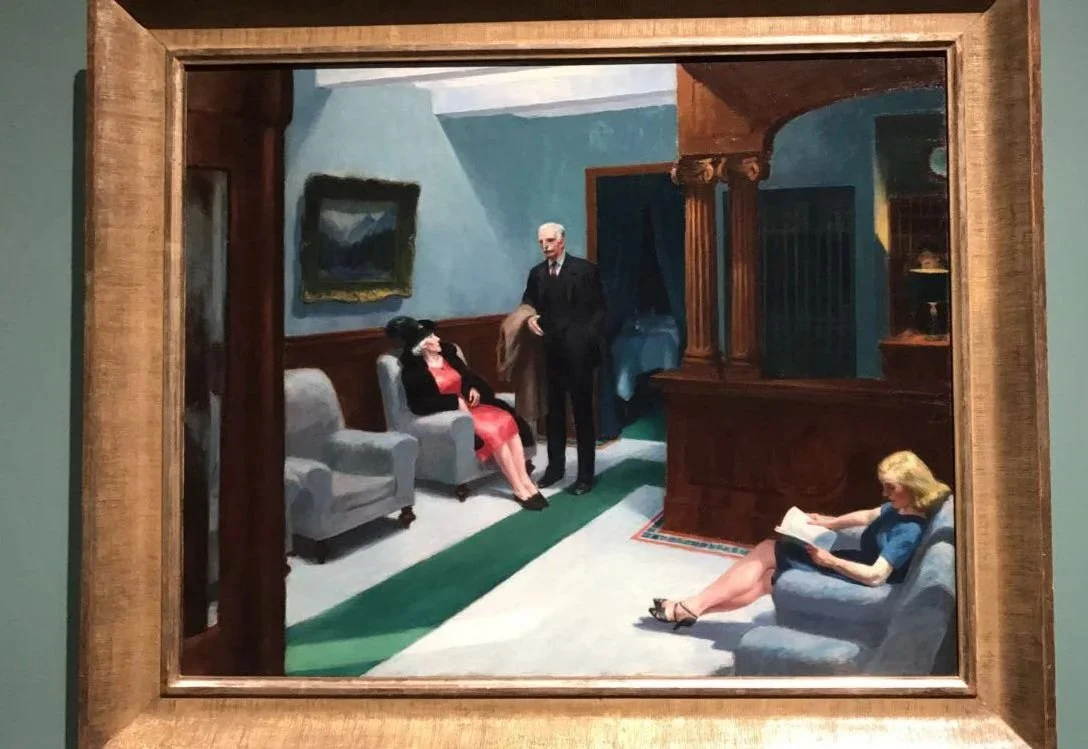
Next up we had some modernist American landscapes and cityscapes which really capture the beauty and loneliness of a both a big expanse and a big city.
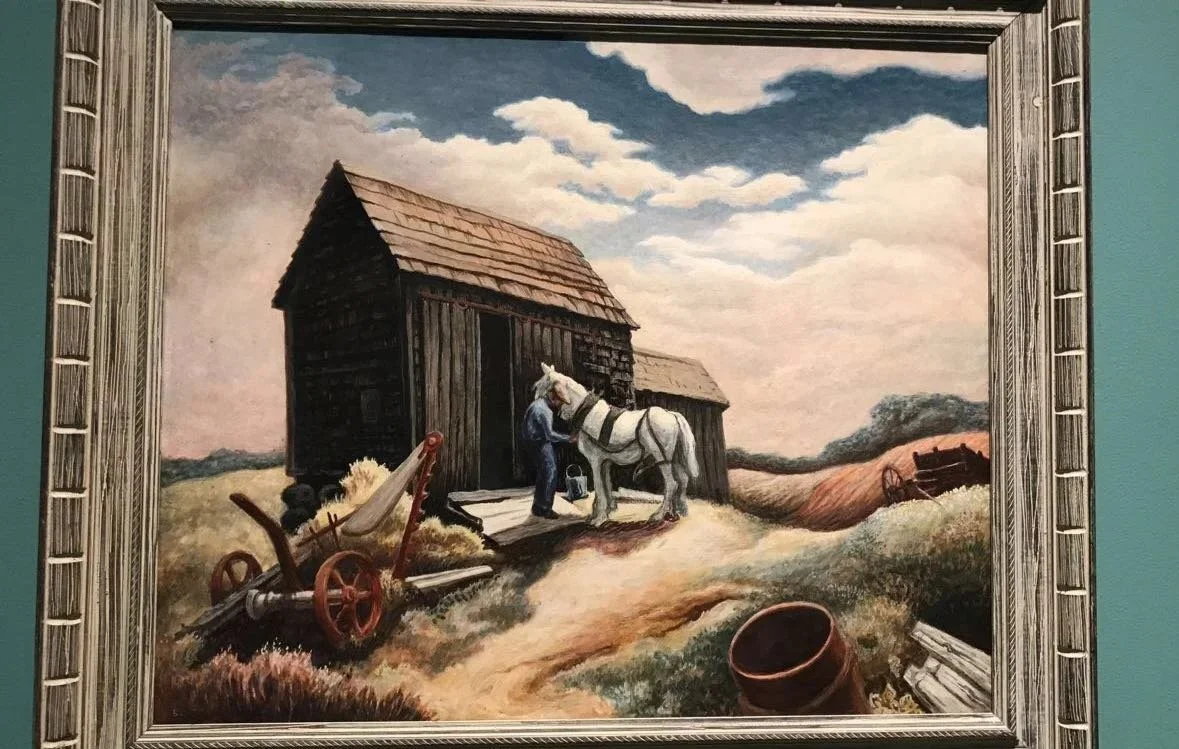
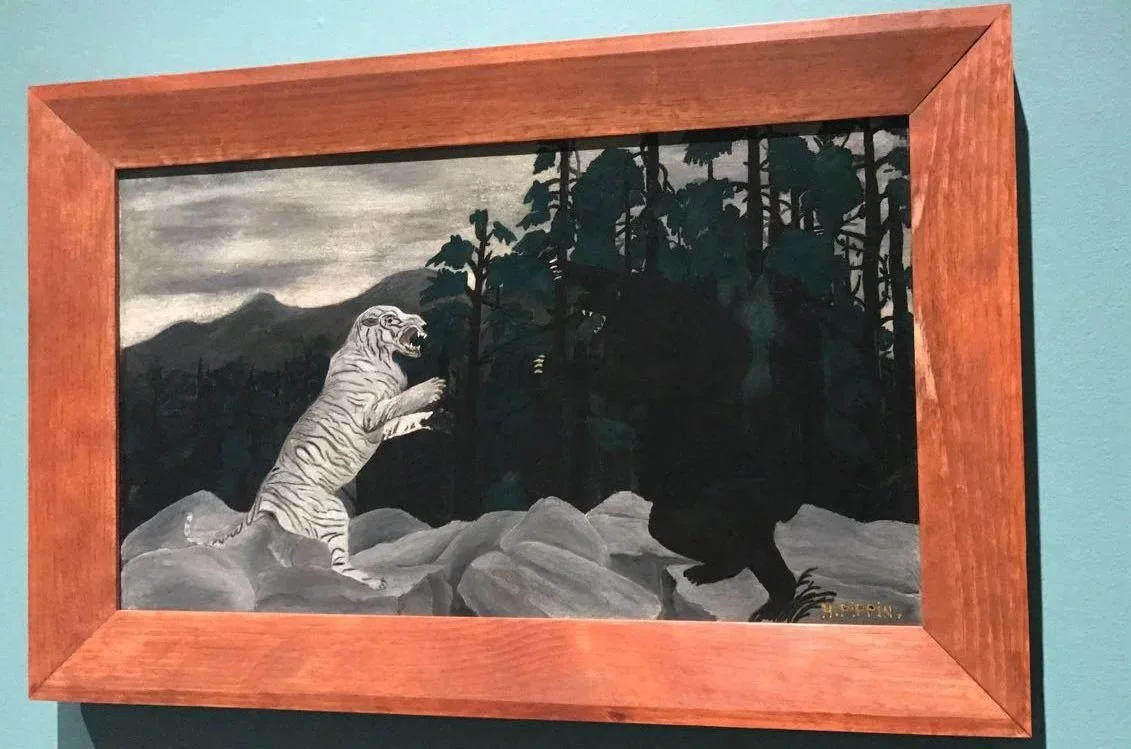
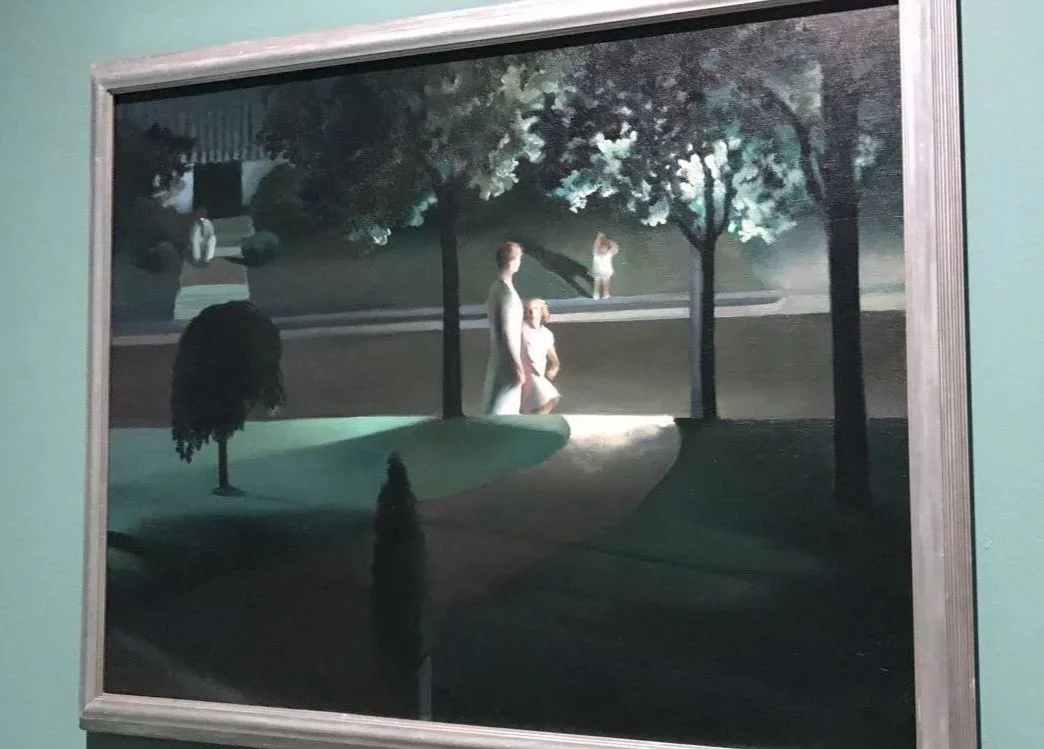
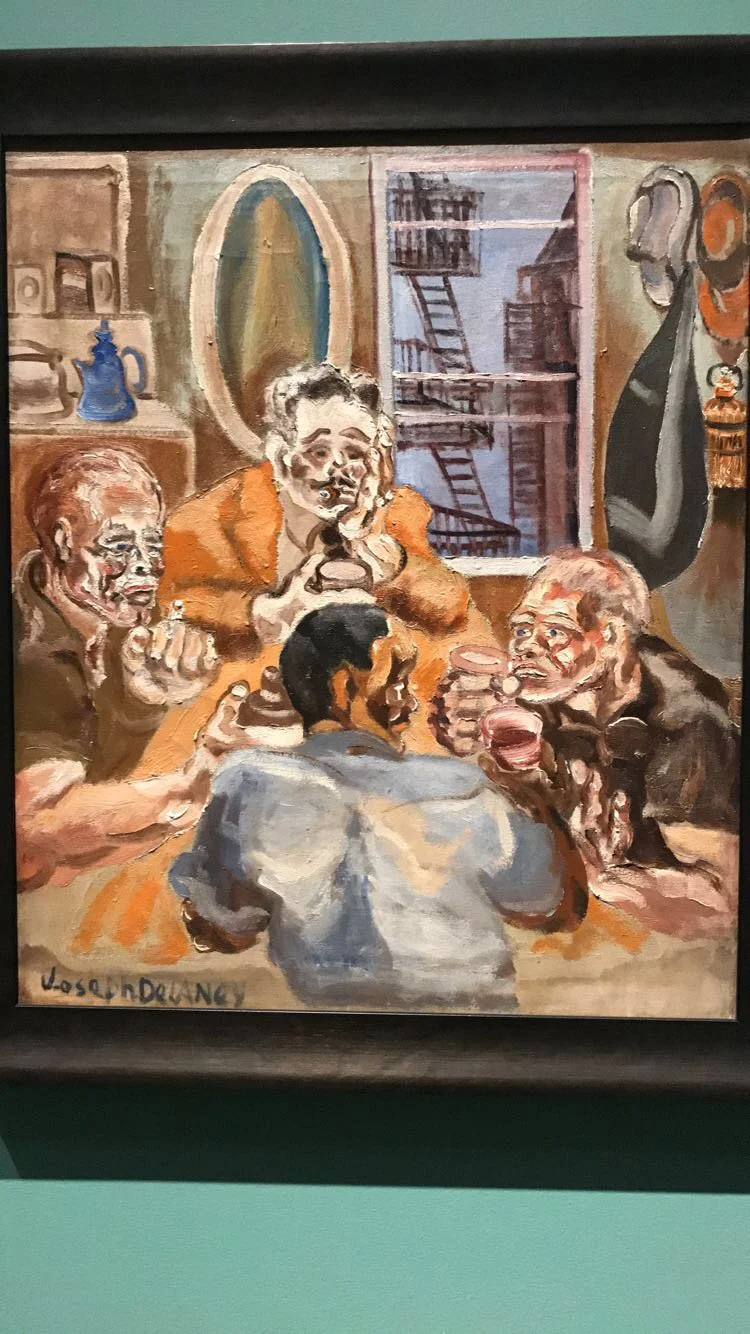
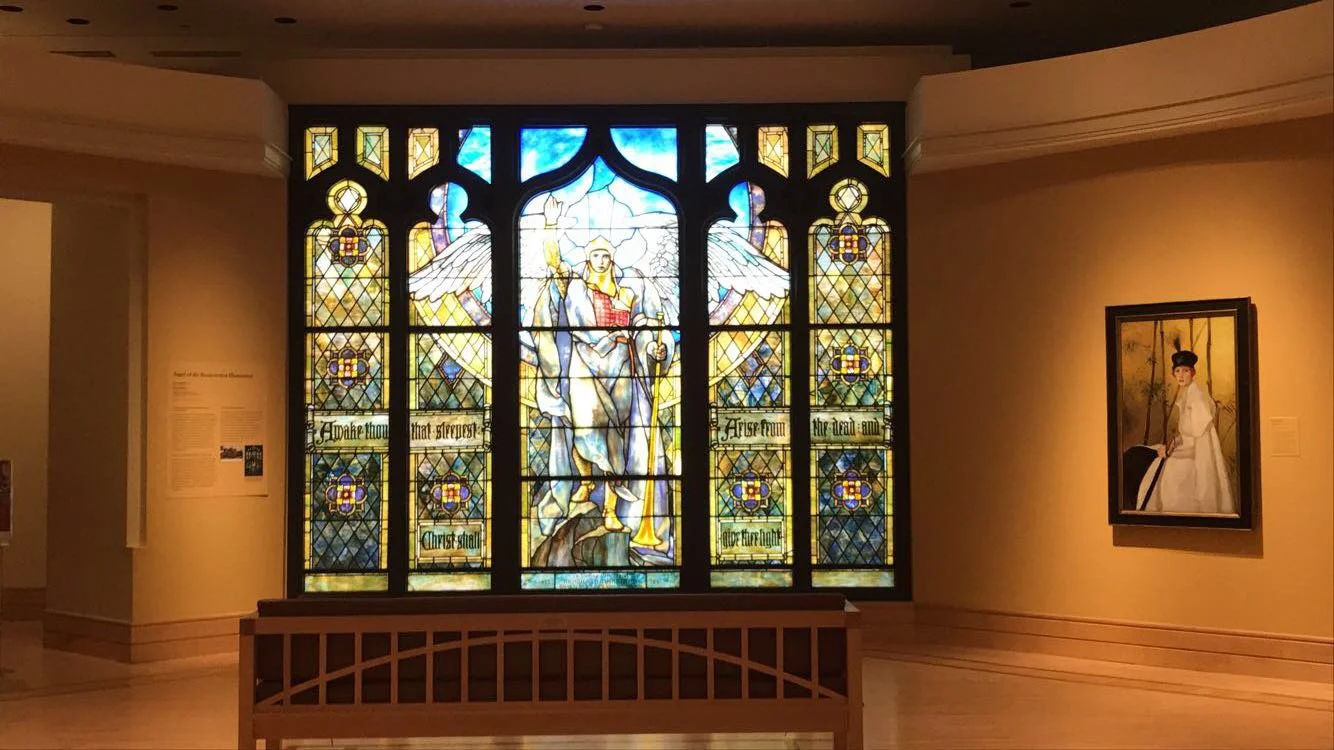
Walking to the next gallery, I was greeted by a monumental piece of Tiffany stained glass that had originally adorned an Indianpolis Presbyterian church. The window had been commissioned as a memorial to the congregation’s most famous member President Benjamin Harrison after his passing. Entitled Angel of the Resurrection and designed by Frederick Wilson, the piece depicts the Archangel Michael proclaiming the second coming of Christ with all the mesmerizing colors and textures that Tiffany Glass is known for.
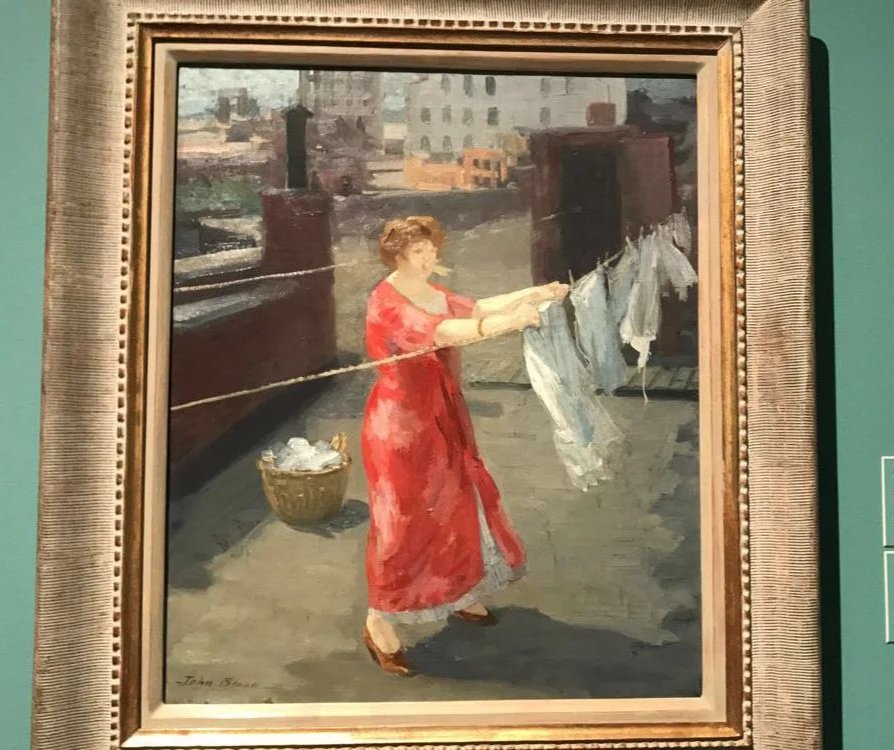
Next up was some more early 20th Century American art featuring some really lovely portraits and landscapes that were ostensibly realist but with some early modernist flourishes:
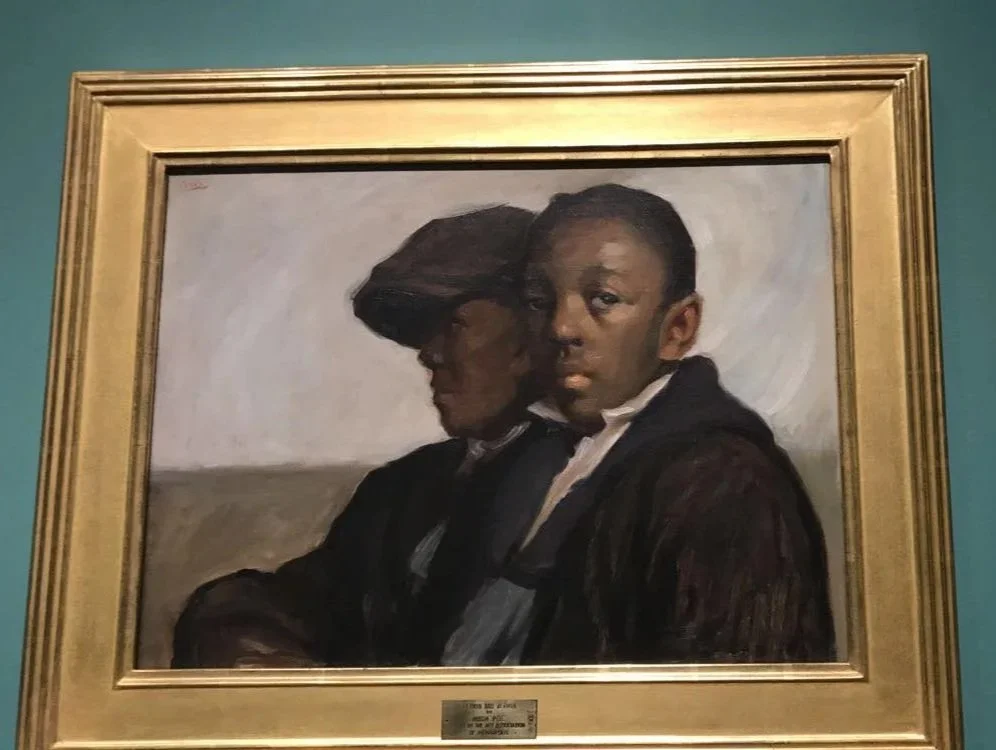
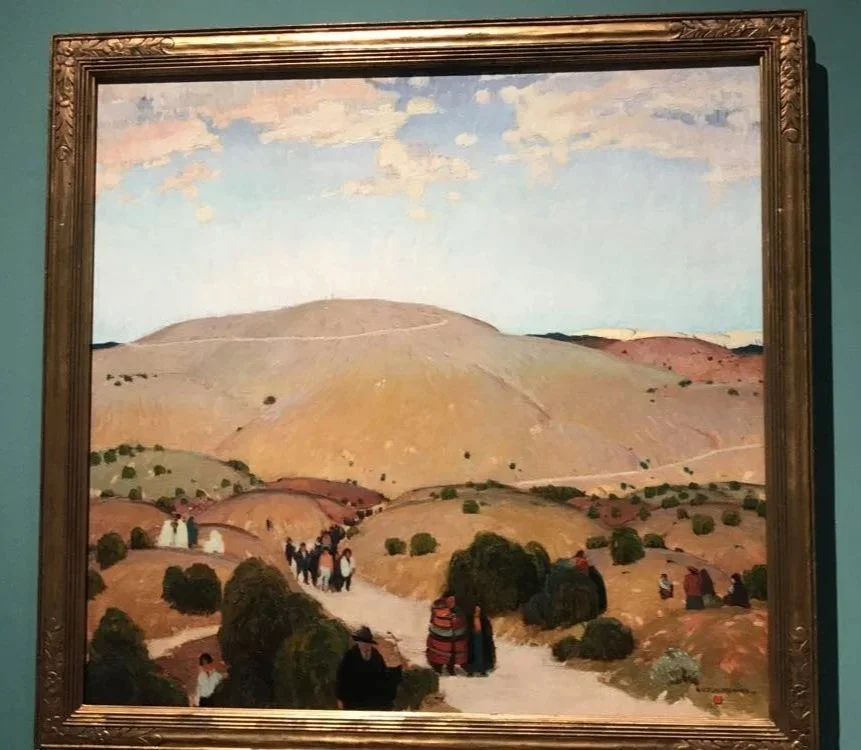
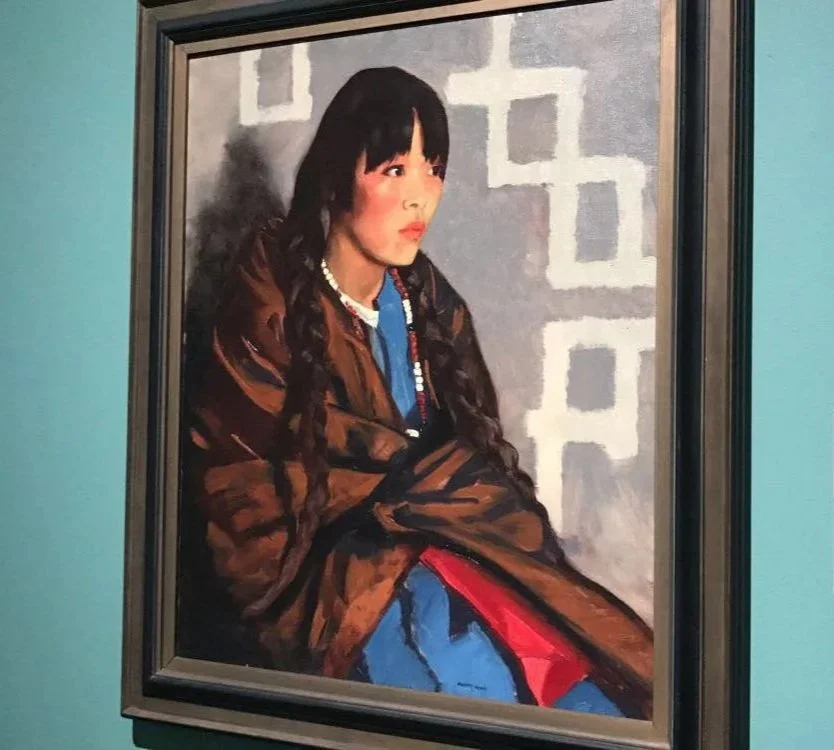
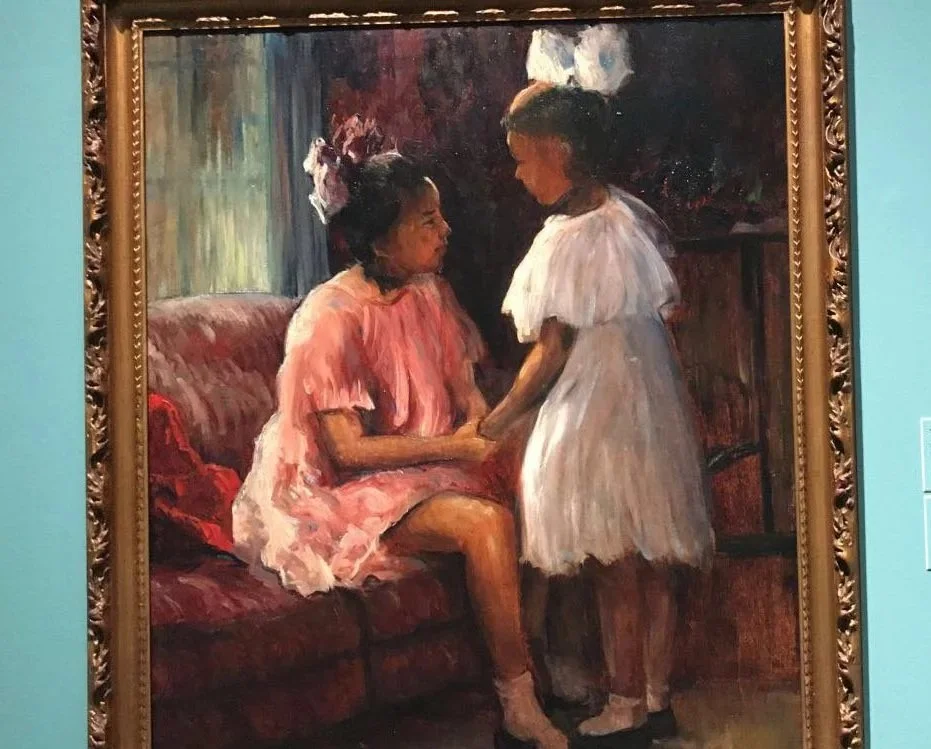
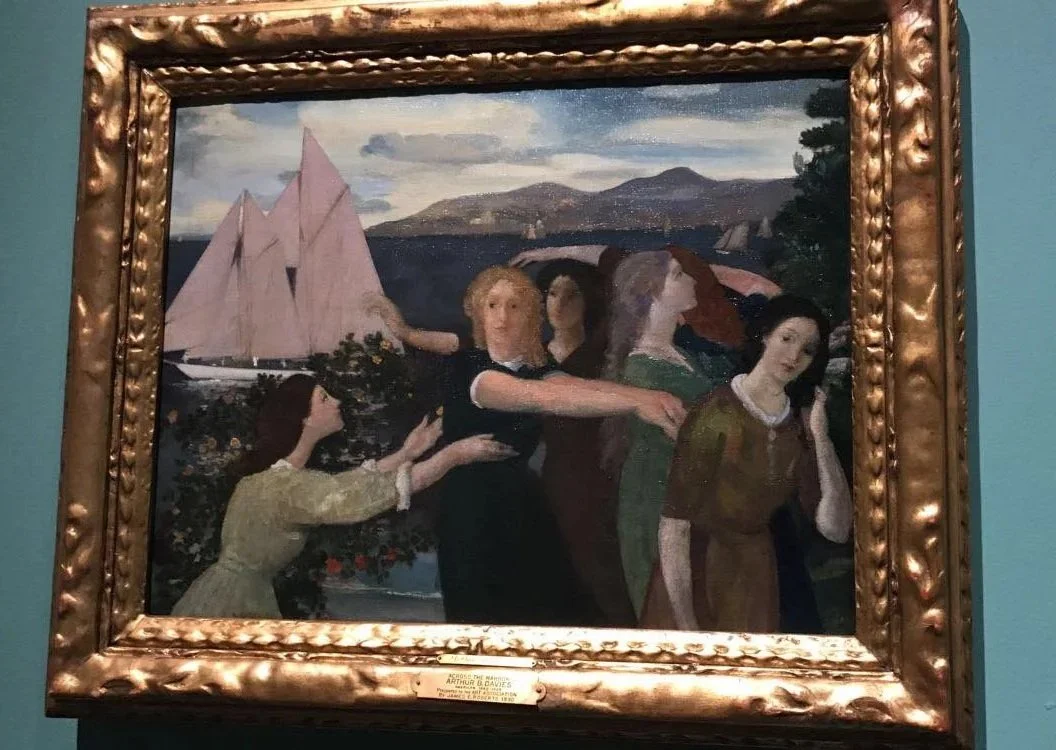
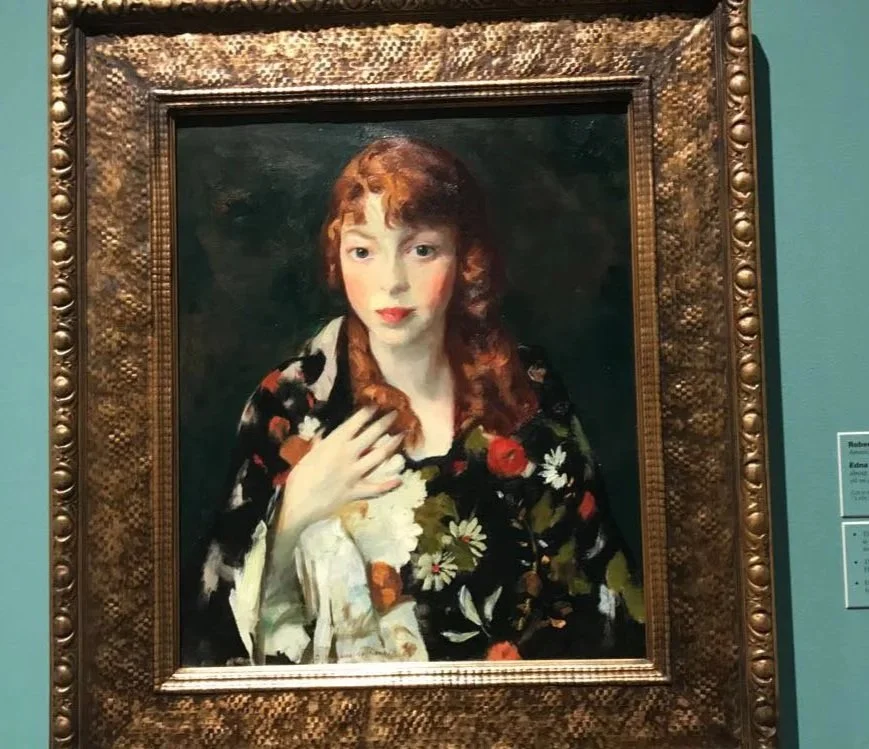
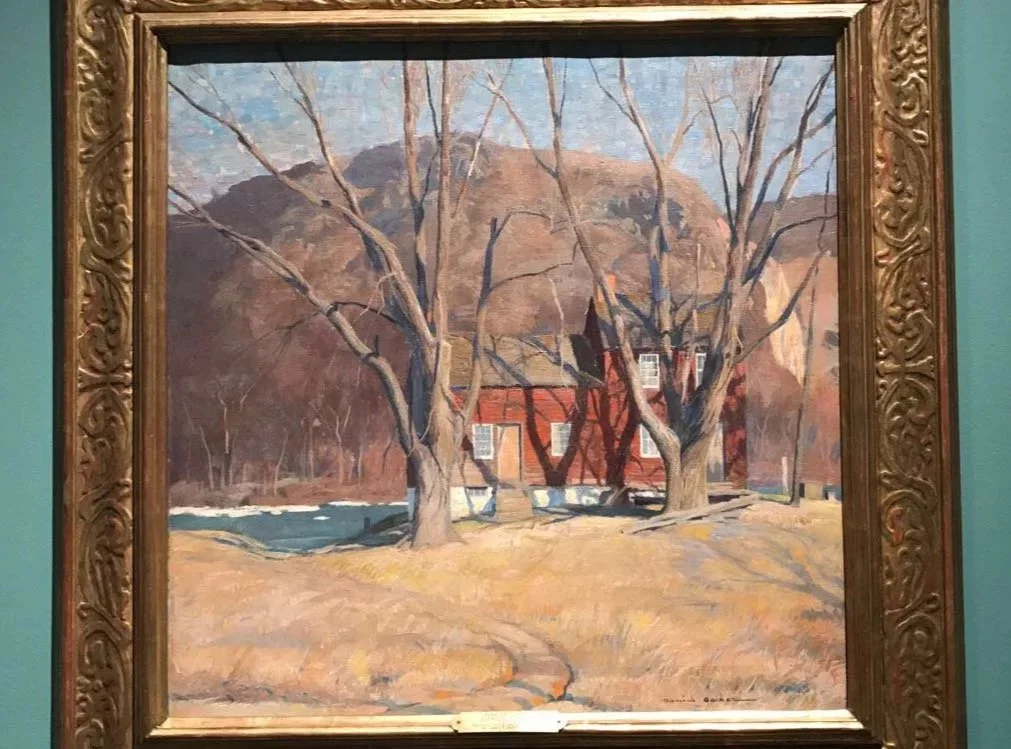
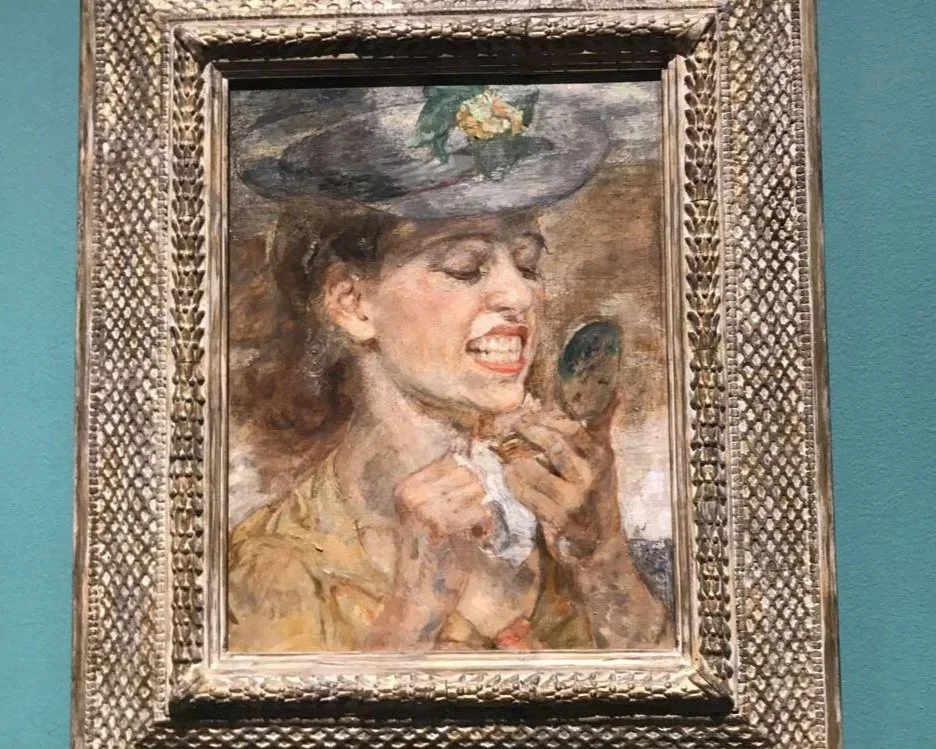
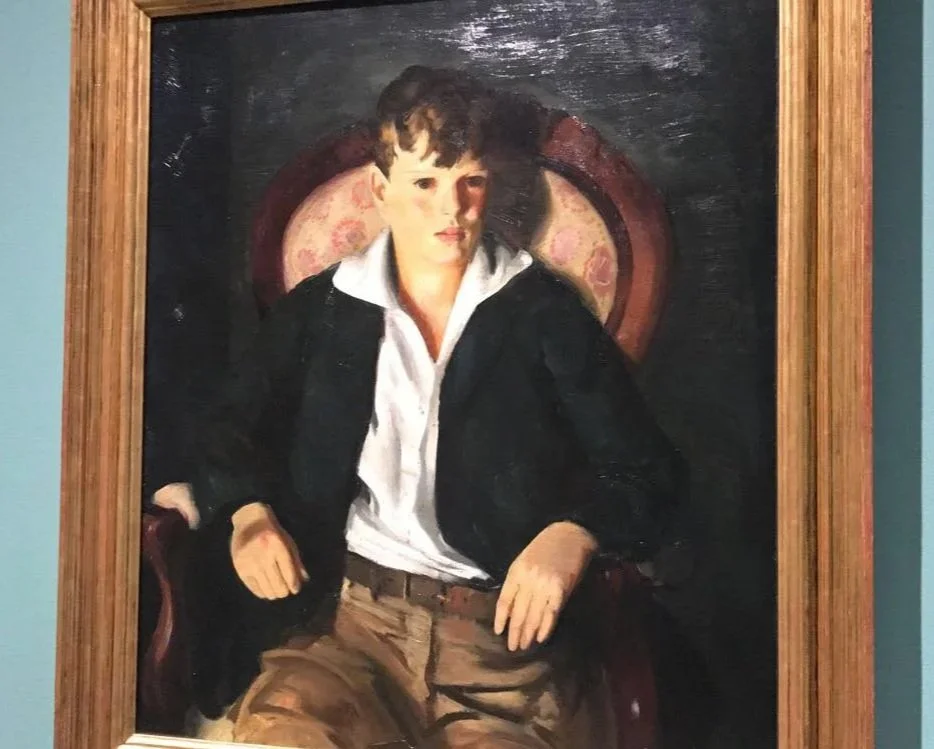
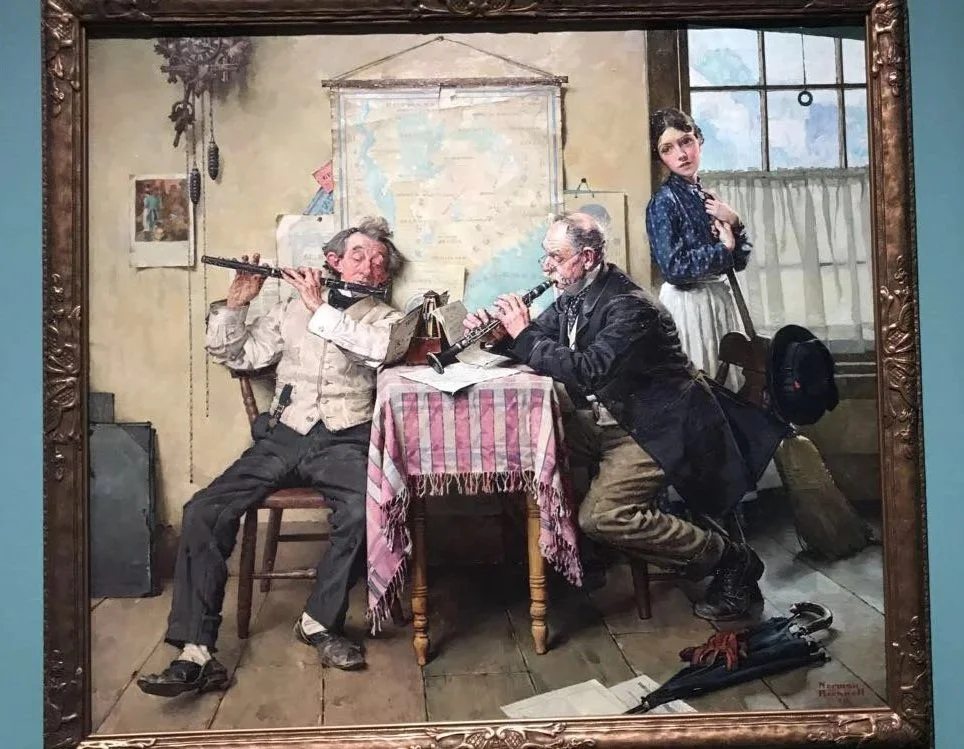
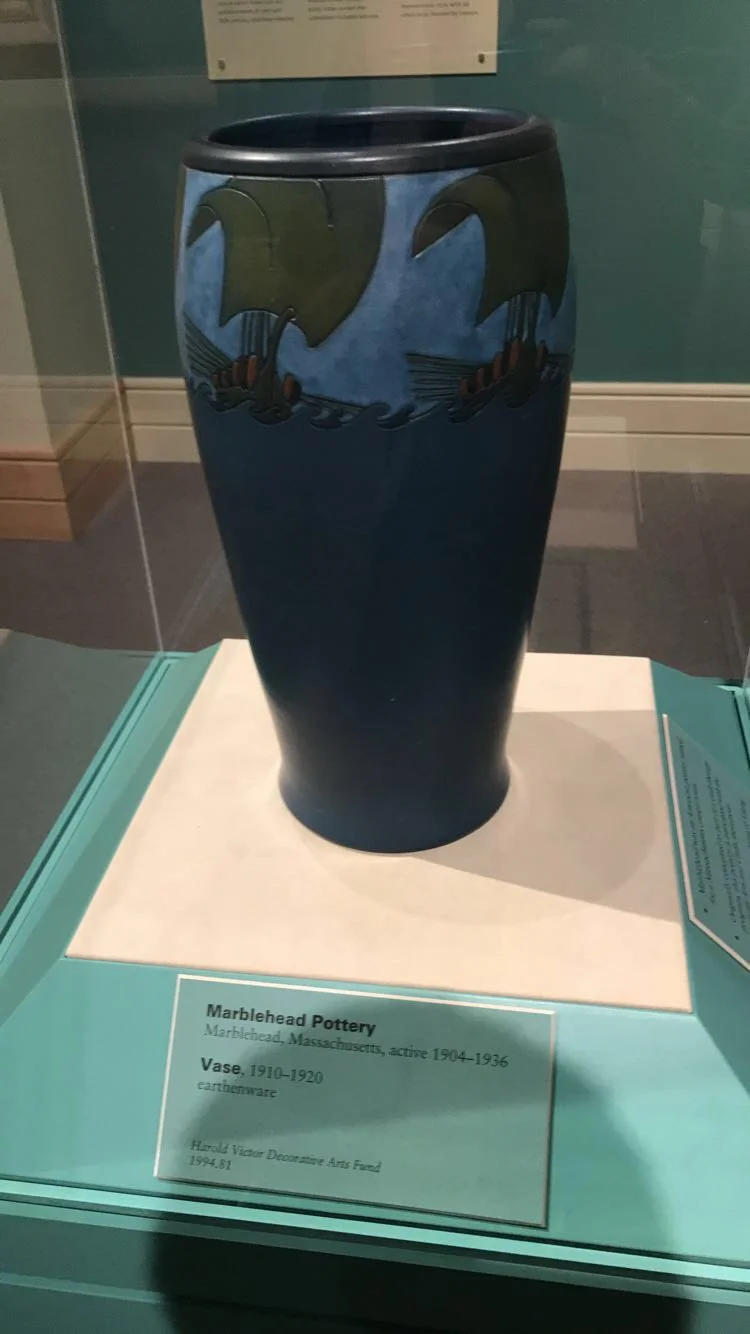
The paintings were accompanied by this really excellent vase (I’m not biased at all because it comes from MA) that featured a clever design of viking ships on a rolling sea that made a really good use of the vase shape to add a sense of motion and depth to the dark blue water with without any additional lines in the block of color itself. Super simple but effective design.
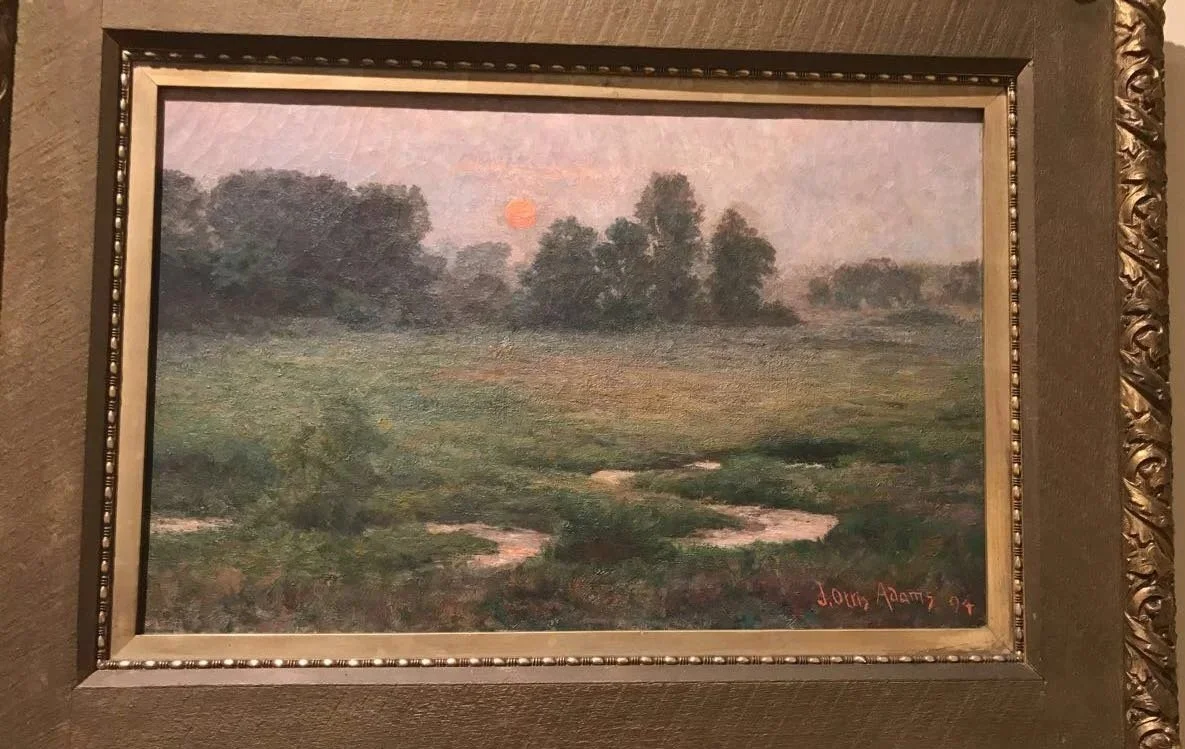
Next we moved into more 19th and early 20th Century American works mostly featuing lush, pastoral landscapes with some refelctions of the Impressionism happening in the European art world:
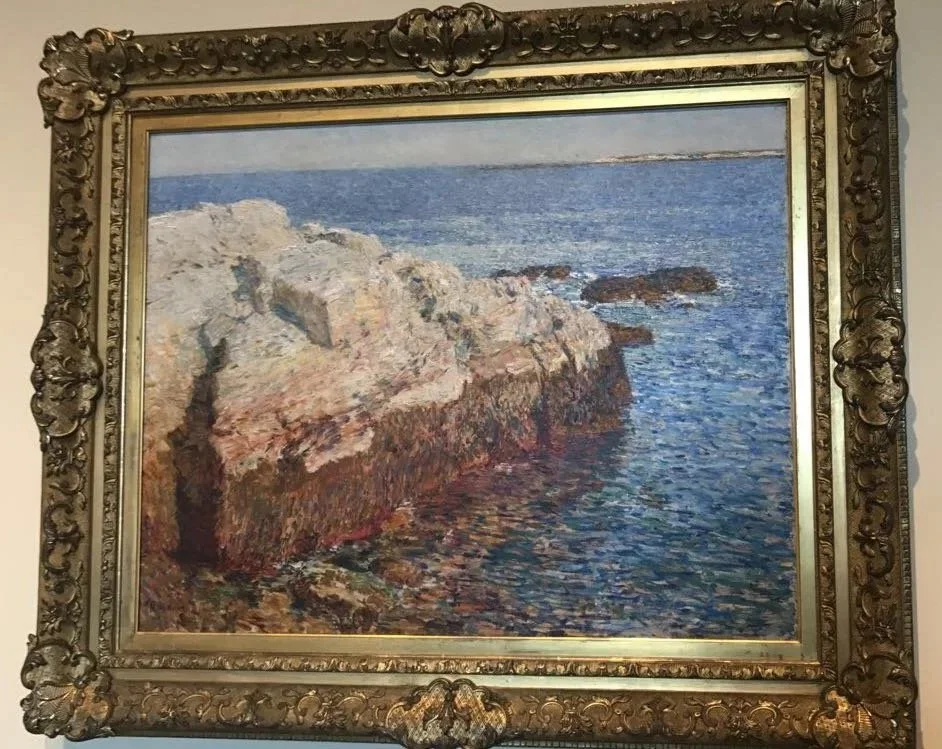
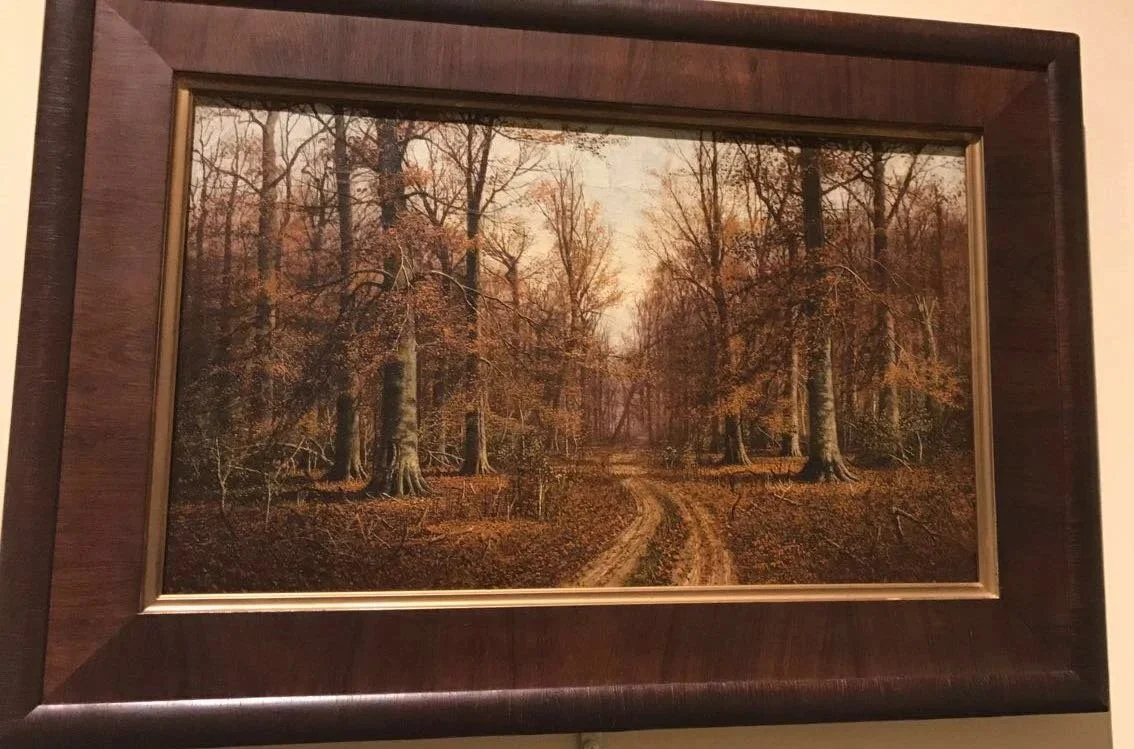
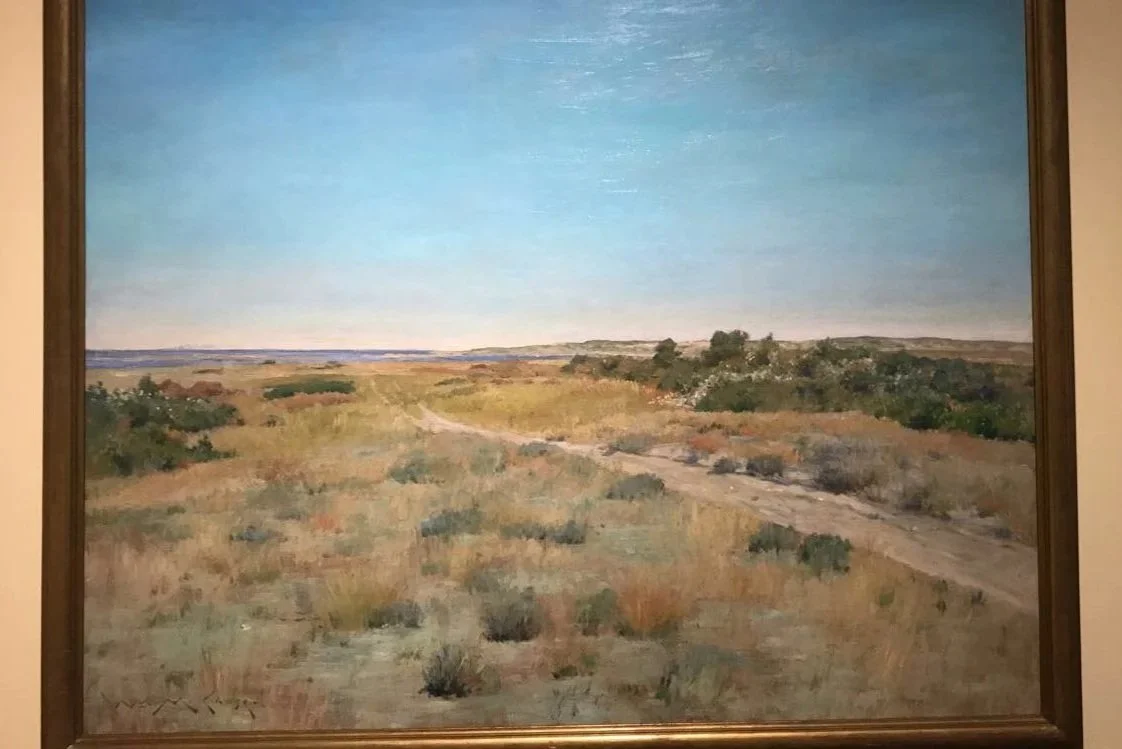
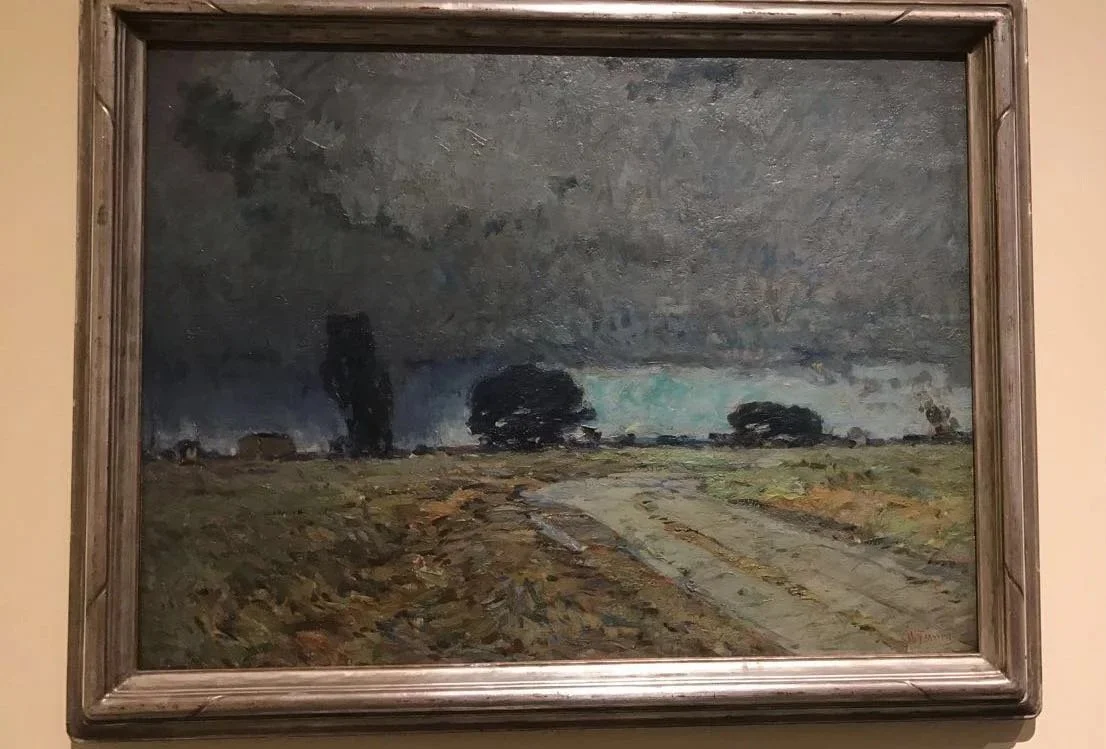
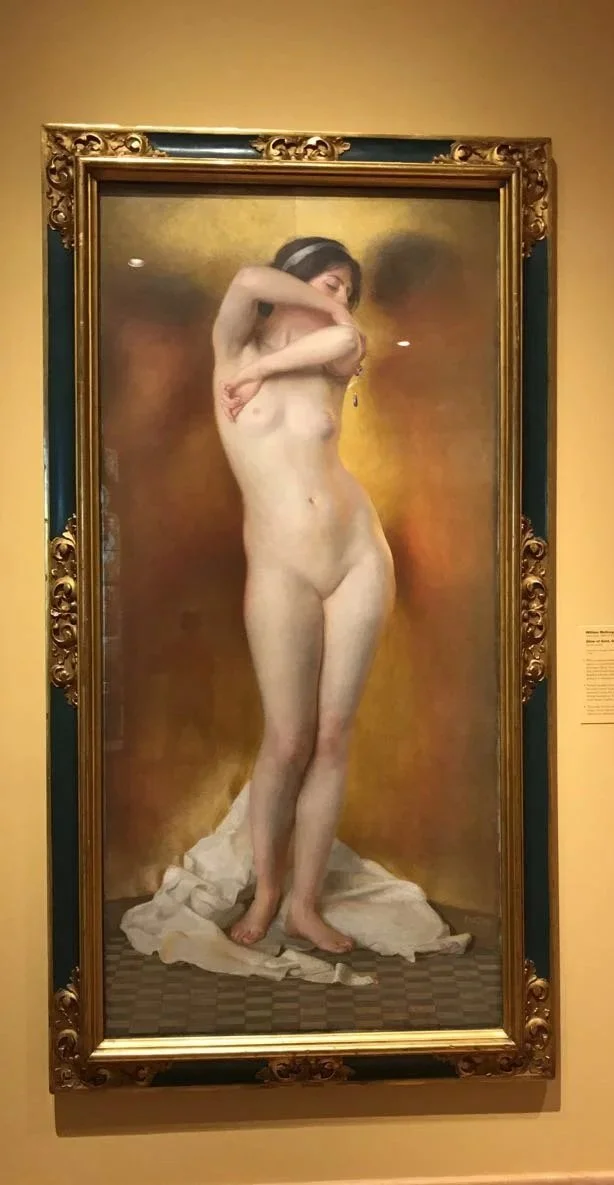
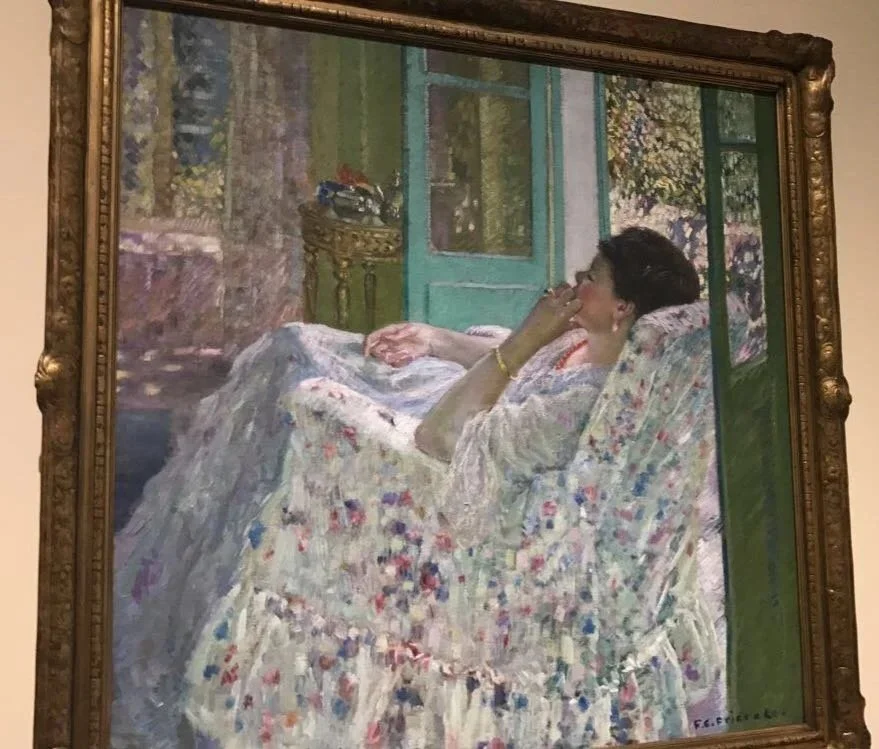
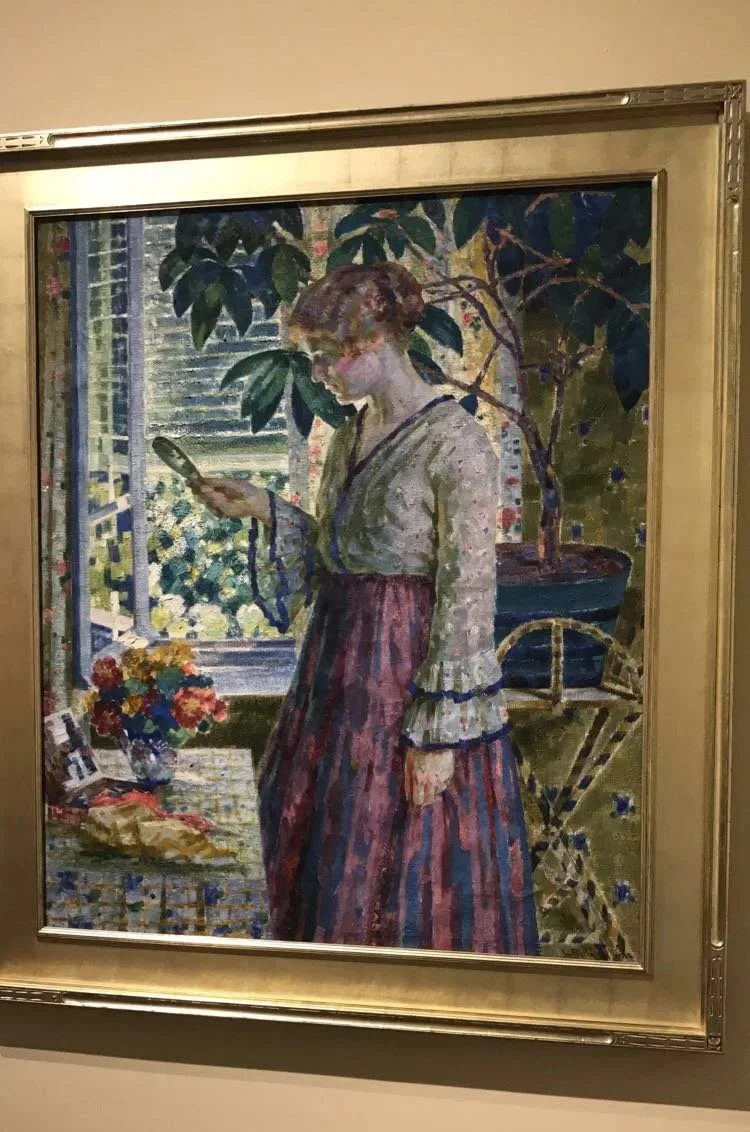
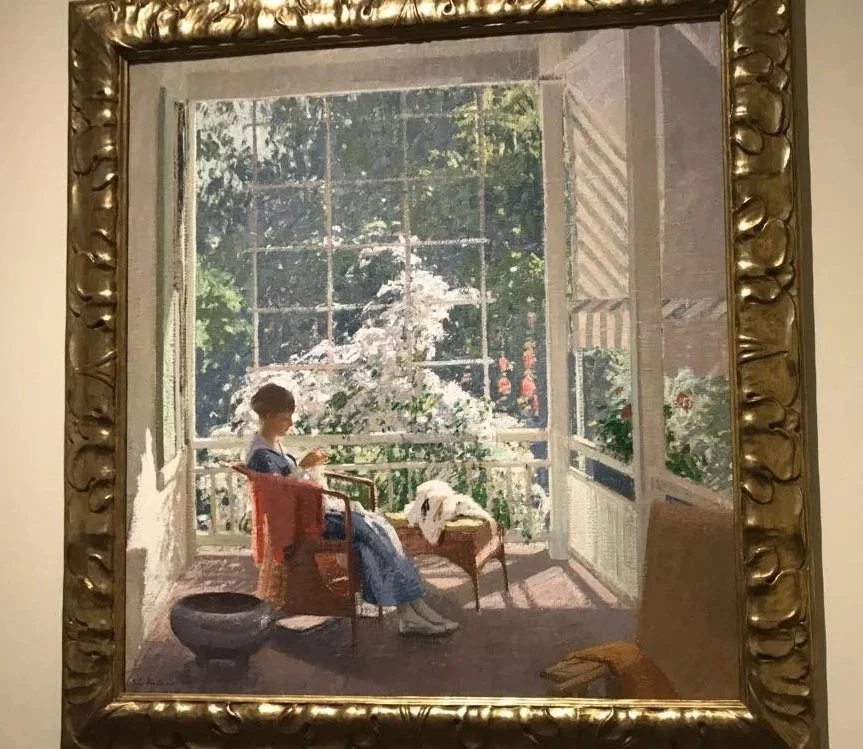
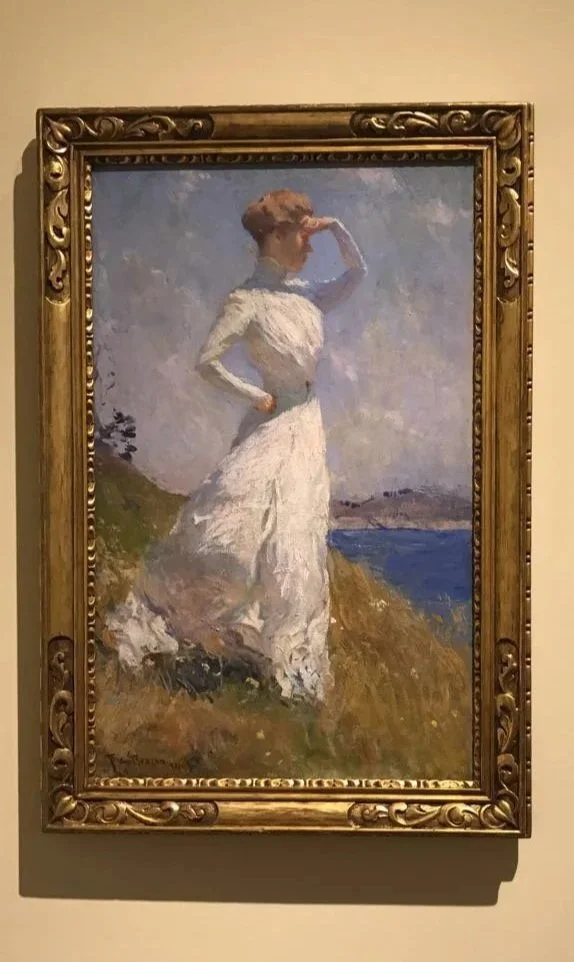
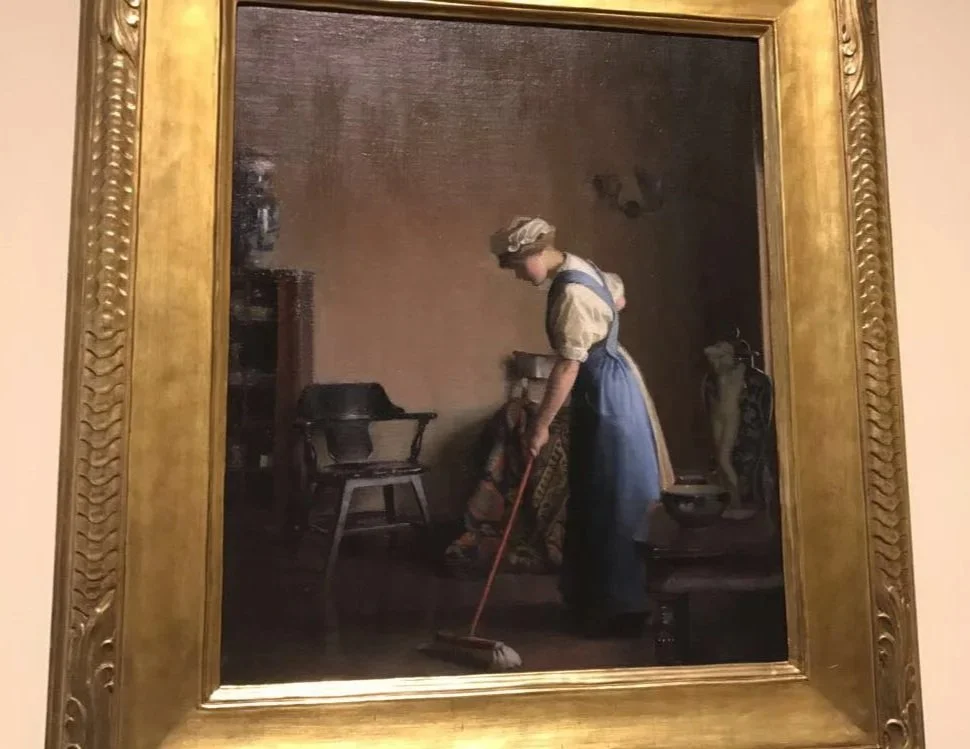
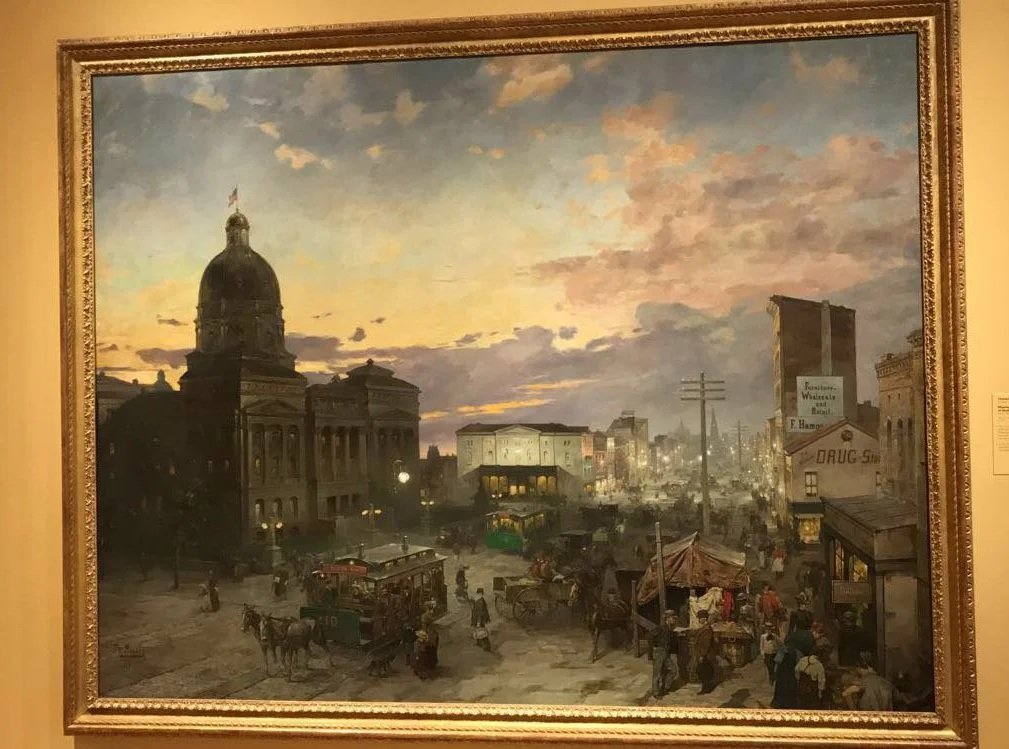
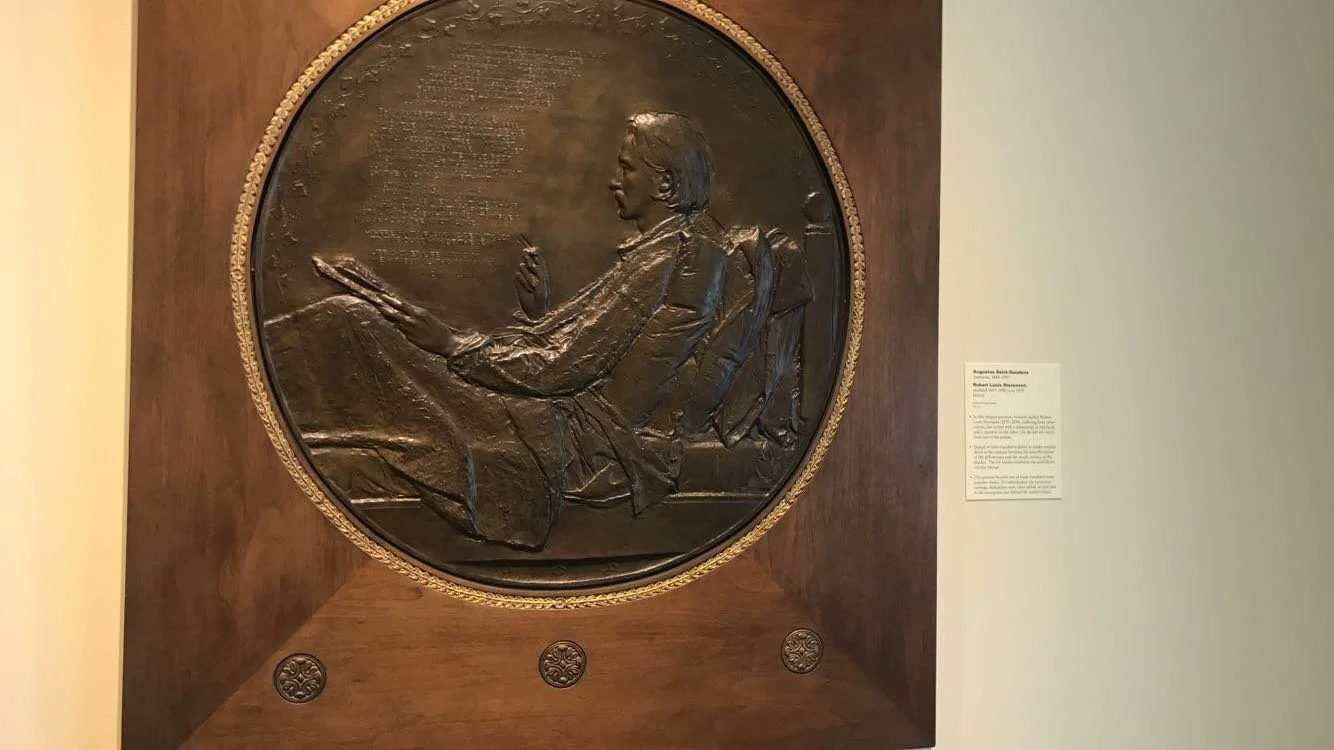
Included among the paintings was an incredibly rendered bronze medallion of the author Robert Louis Stevenson bedridden from TB but still smoking and reading sculpted by Augustus Saint-Gaudens.
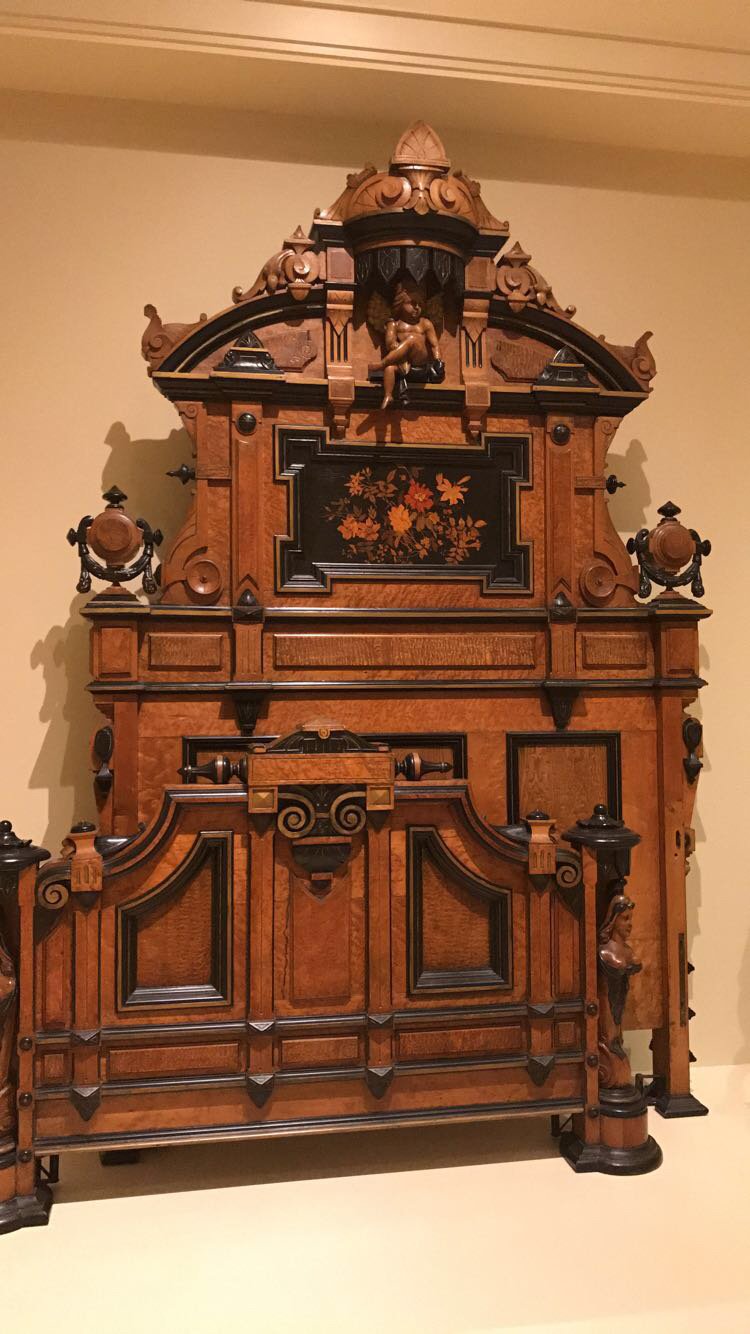
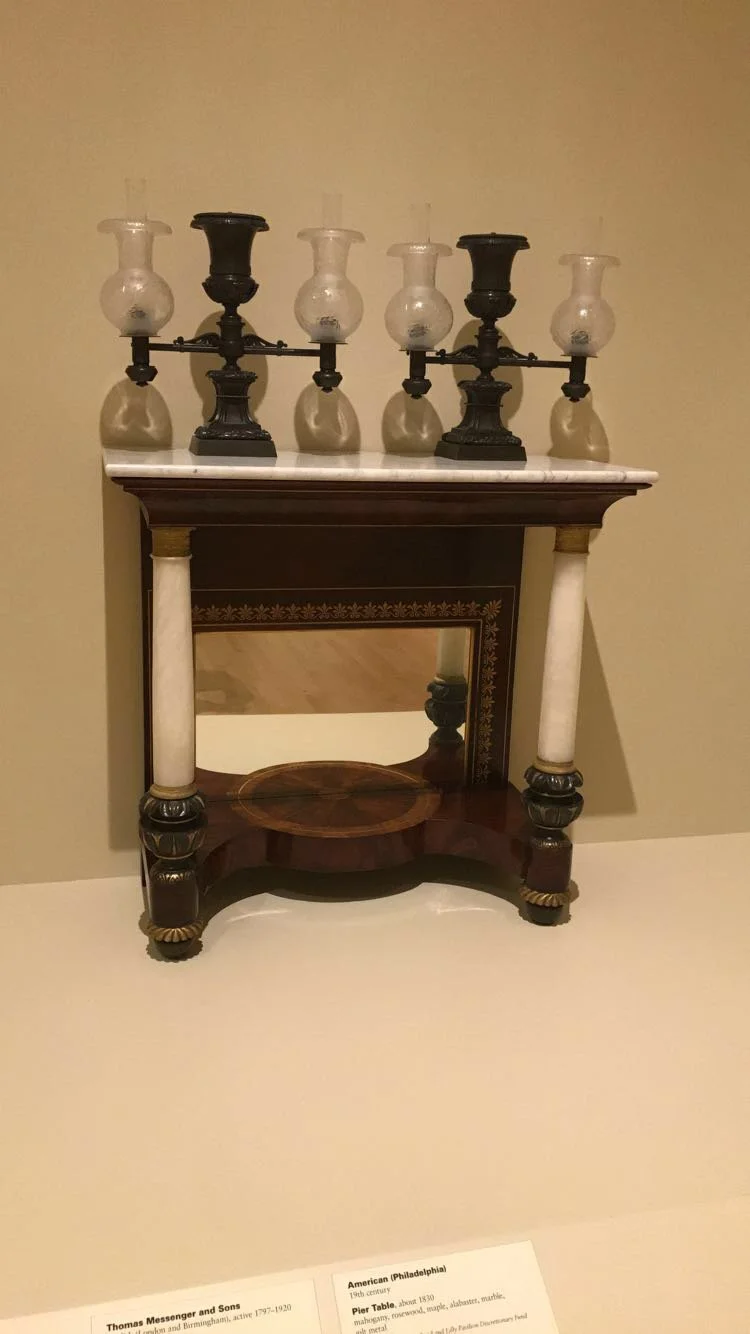
Next up was some American decorative arts with the highlights for me being this lavish, ridiculously detailed maple and ash Bedstead (unknown artist) and this pairing of funky Thomas Messenger and Sons lamps on a wood and marble Pier Table by Anthony Quervelle.
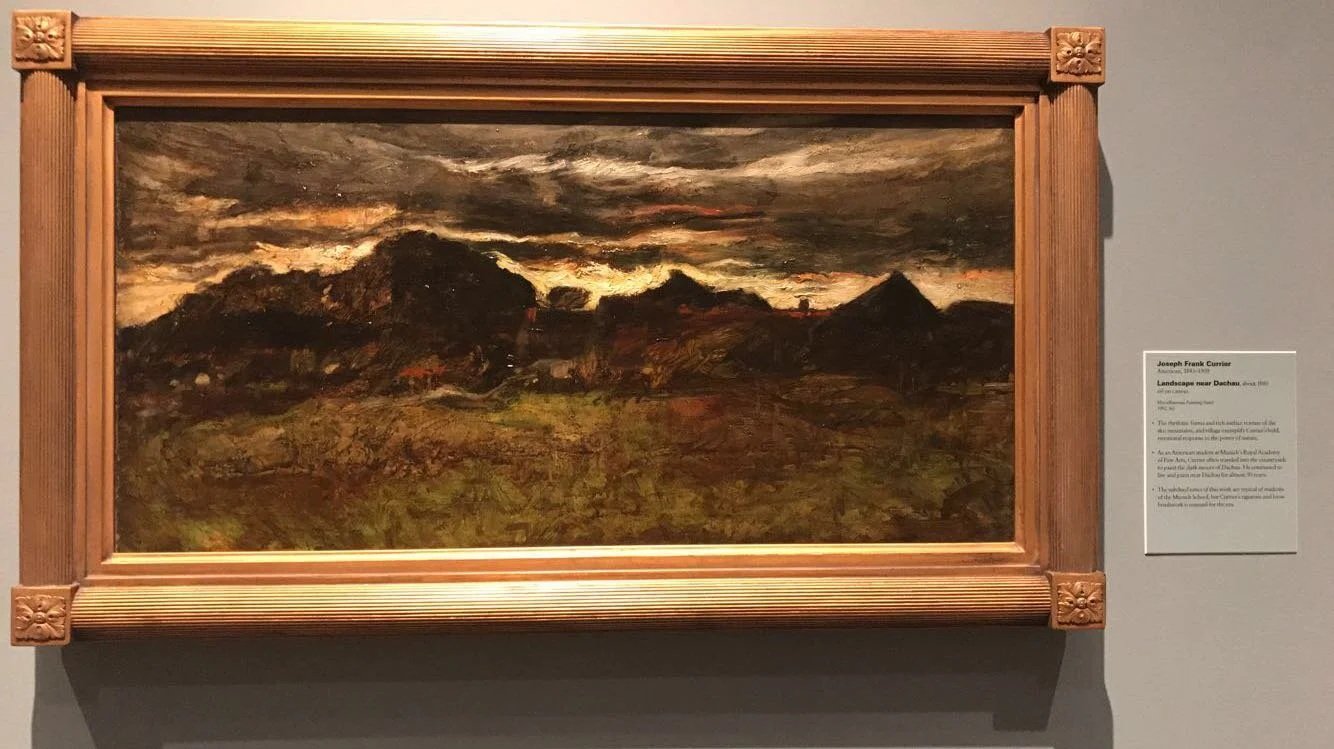
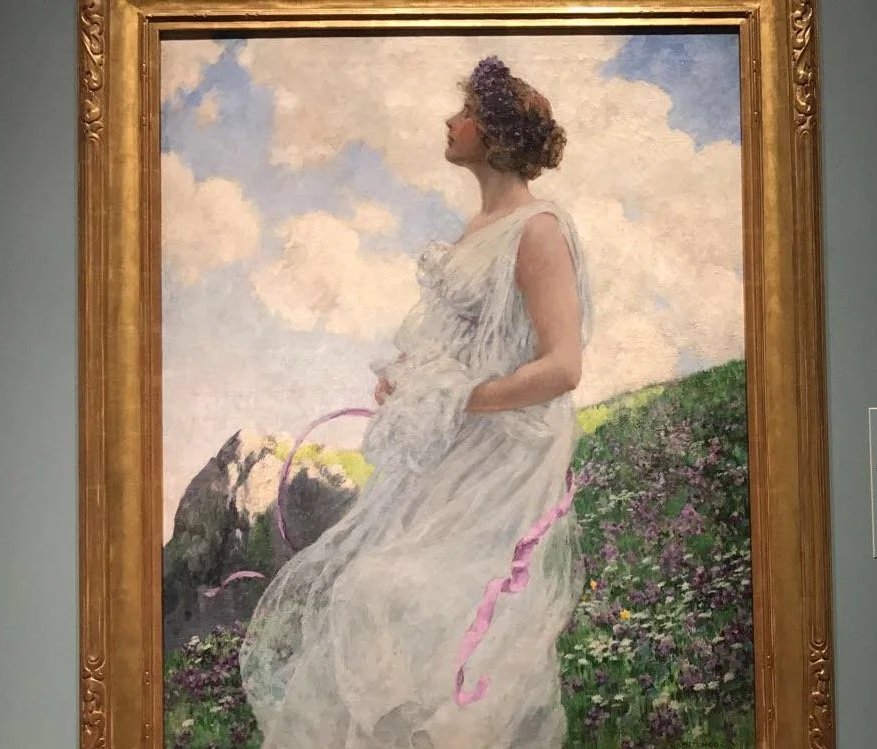
Next up was some more turn of the century American art with these ones leaning a little bit more into Impressionism and abstraction:
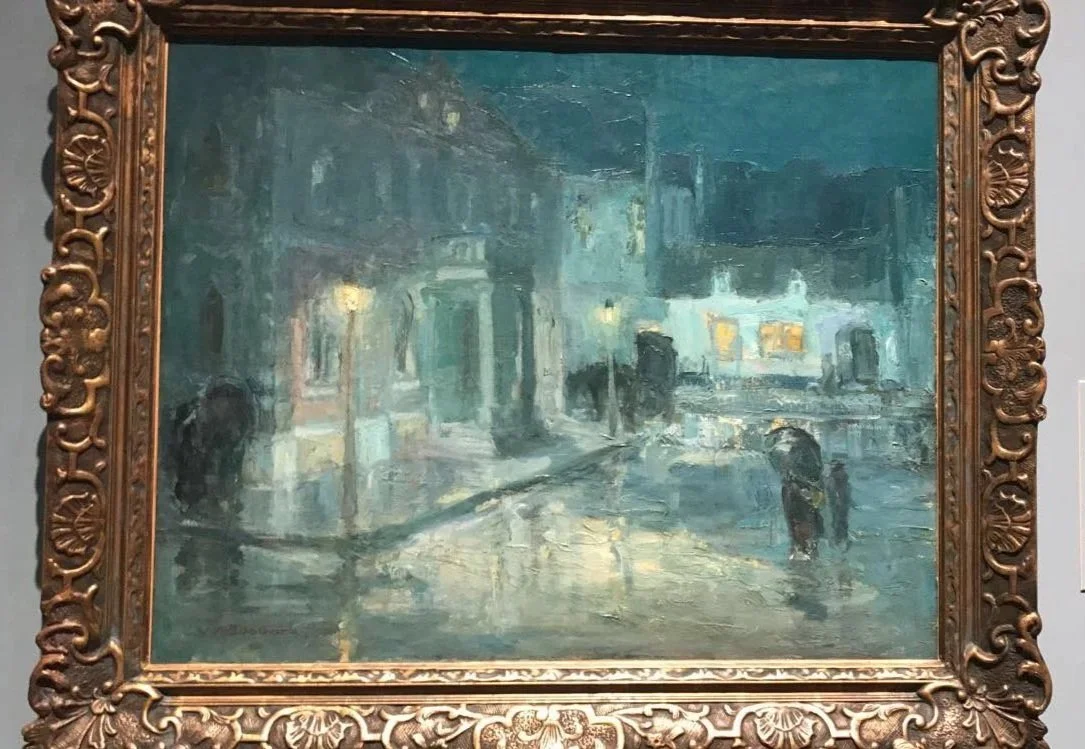
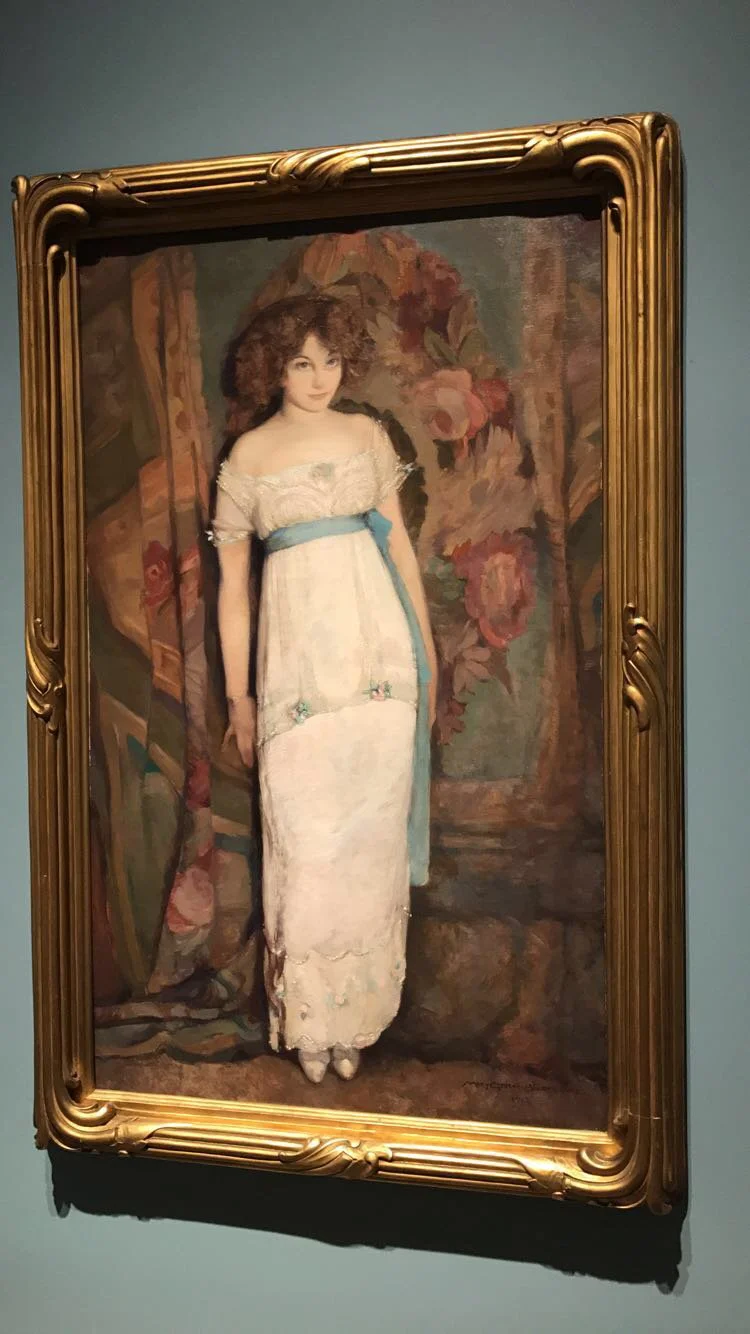
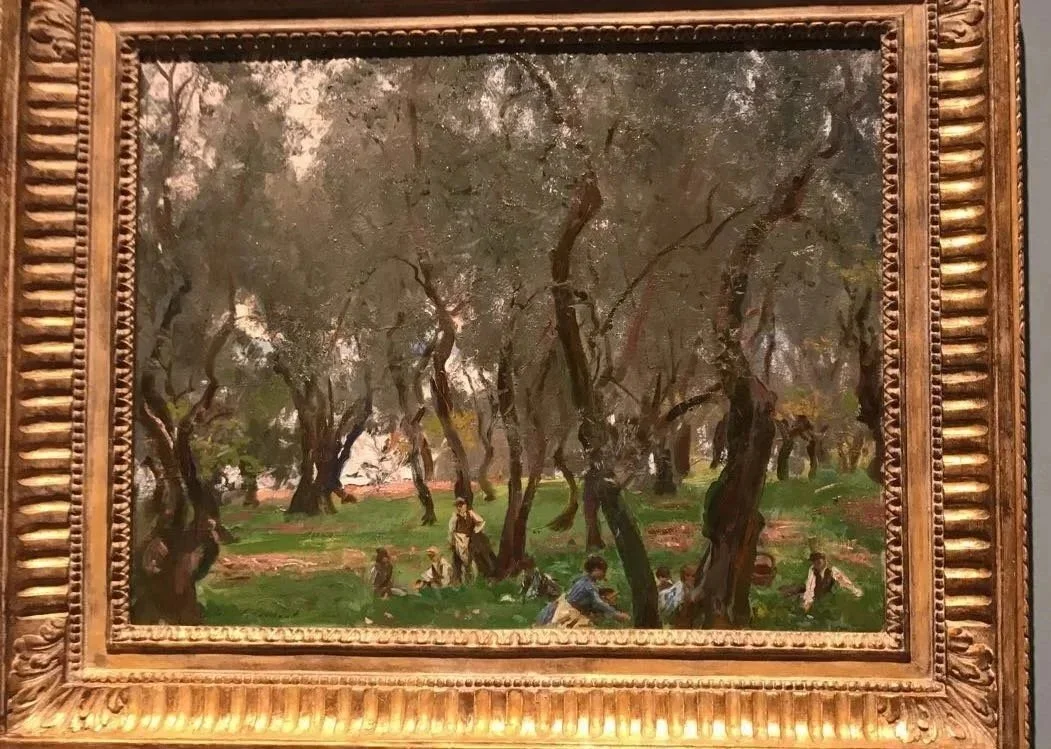
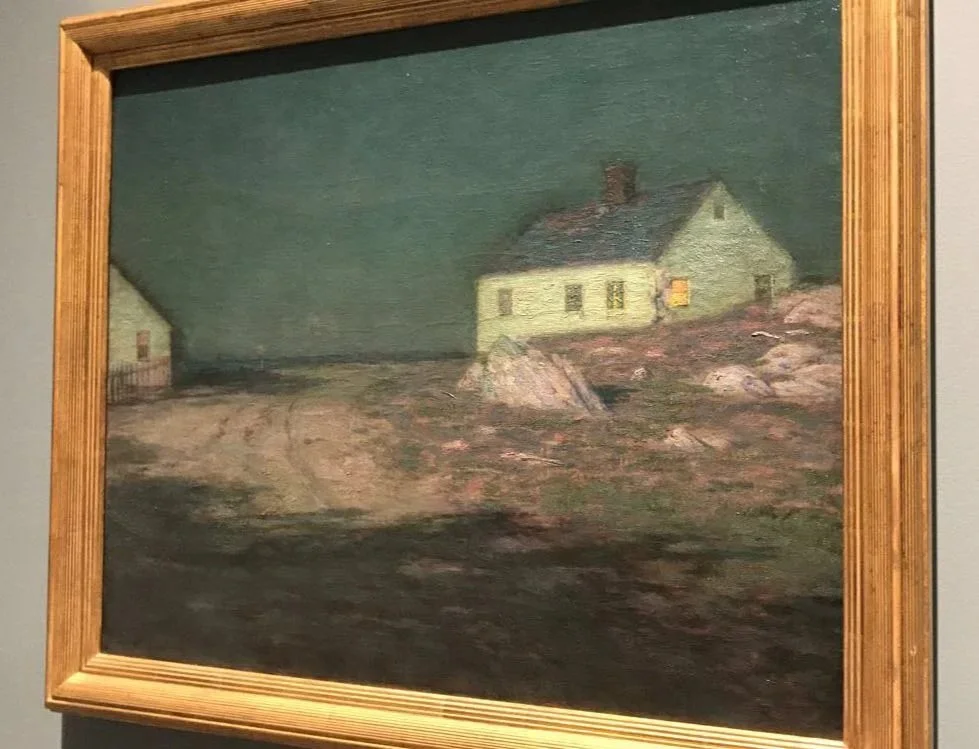
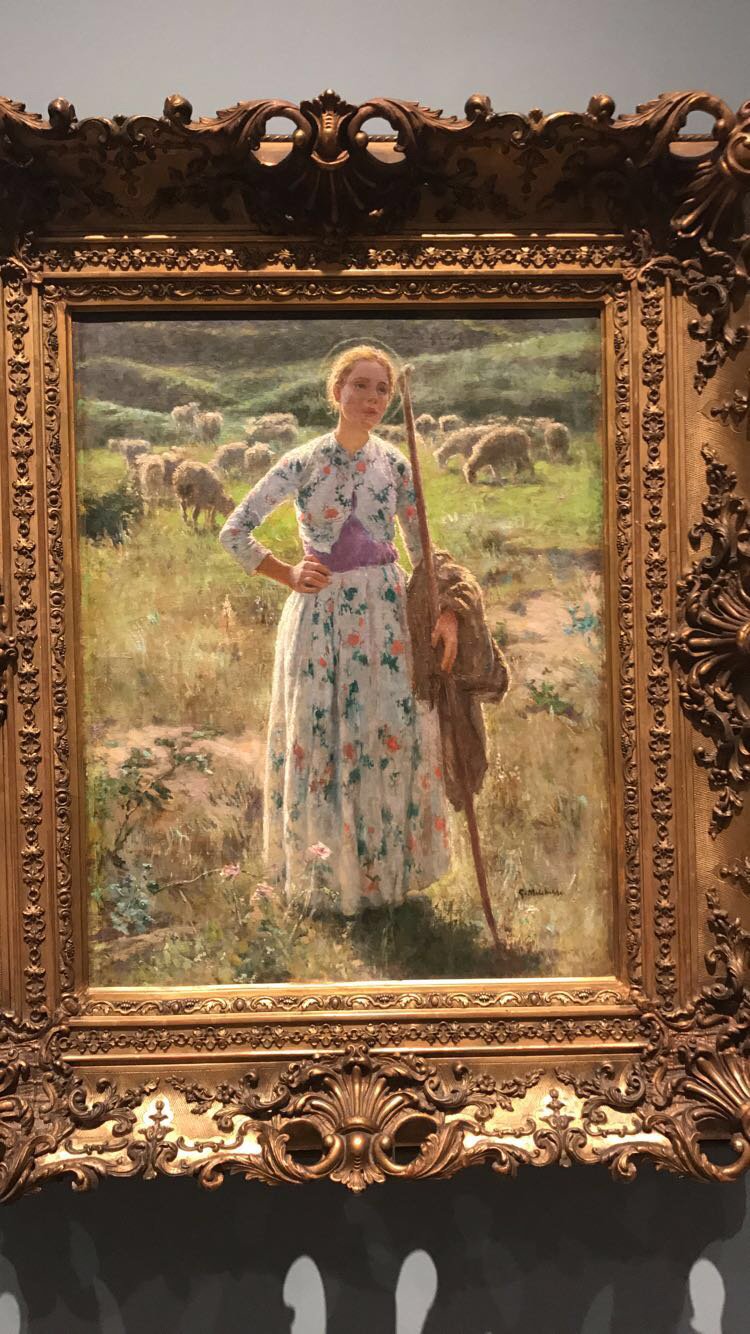
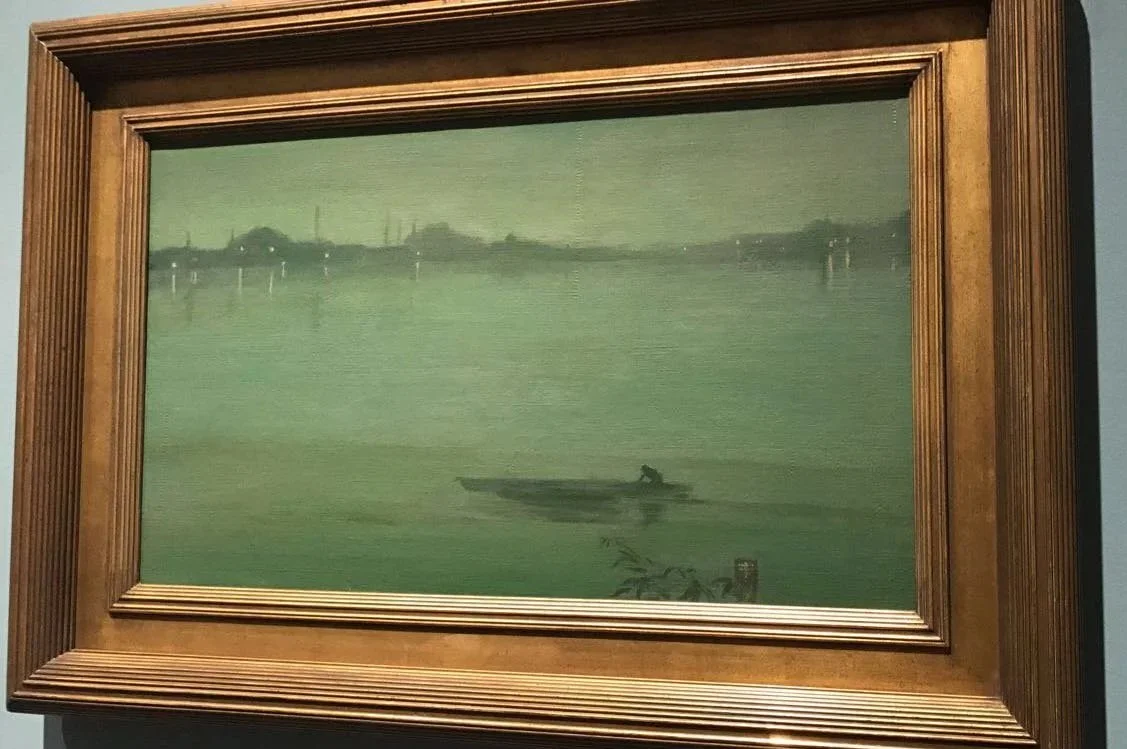
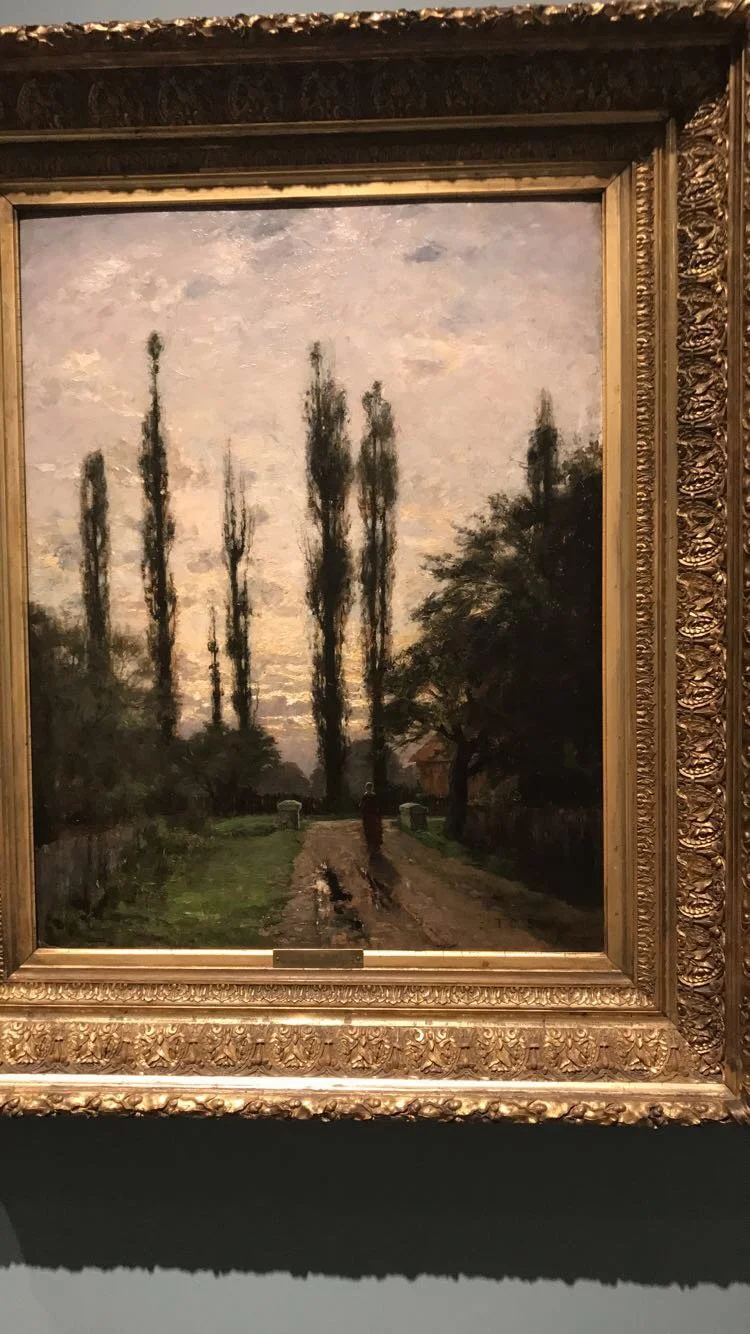
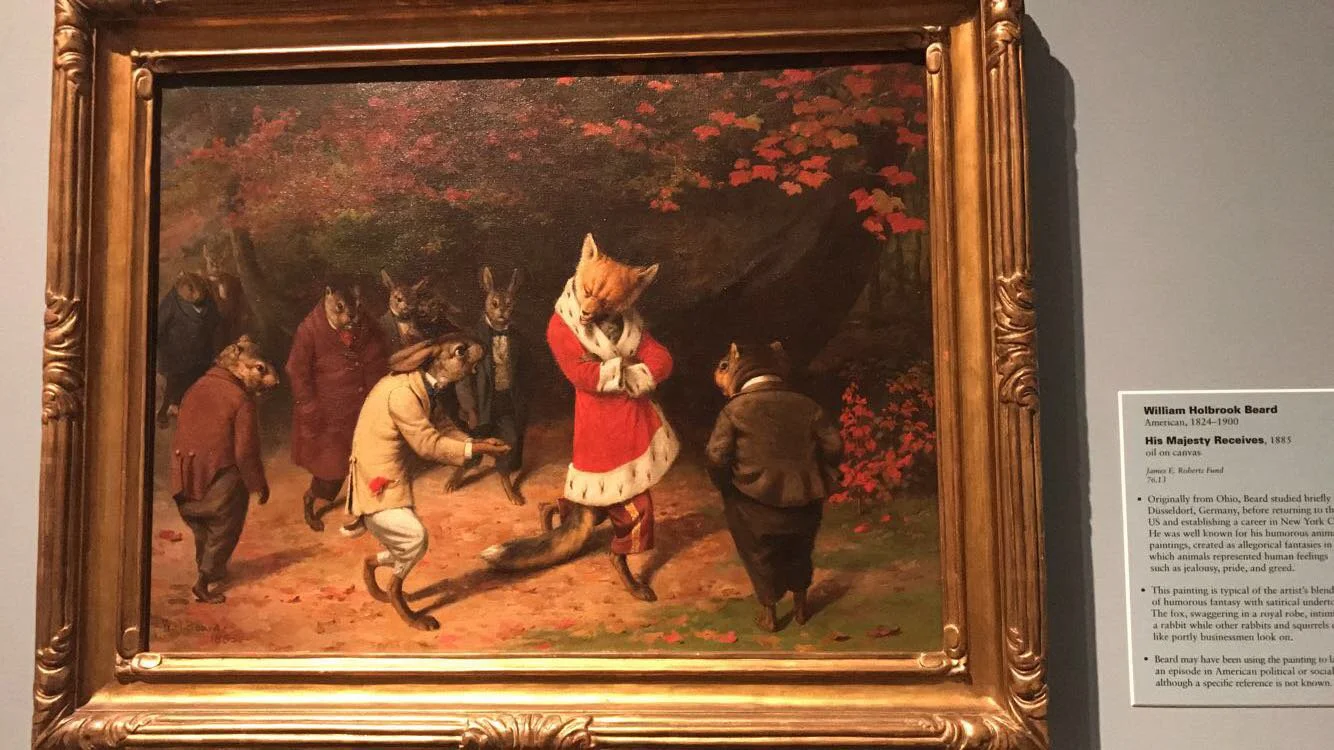
I particularly enjoyed this piece humorously named His Majesty receives by William Holbrook Beard because the every animal is dressed to the nines and making really amusingly human expressions (I particularly like the pudgy chipmunk trying to seem nonchalent with his hands in his pockets).
Next up I was still in the American art section of the museum, and this gallery seemed to focus more on portraiture and small realist scenes, but the ones I liked most all had something a little weird or playful about them.
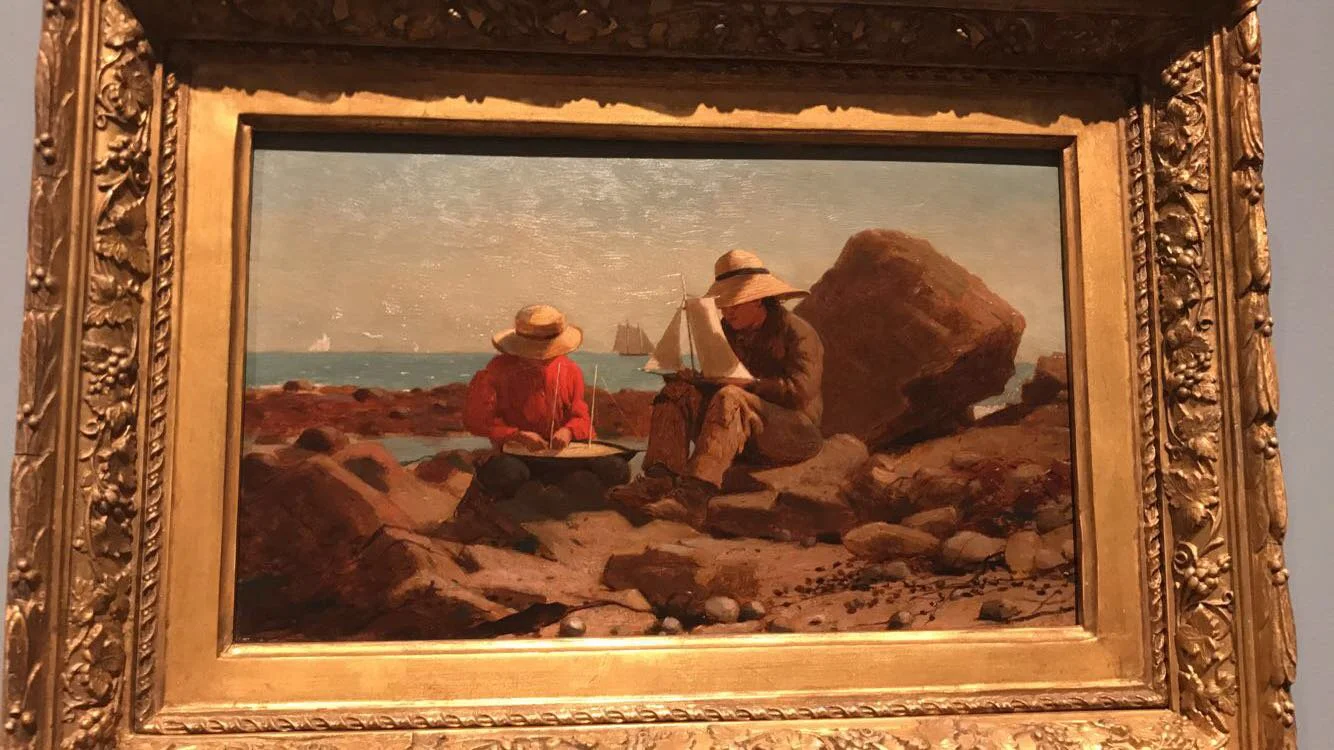
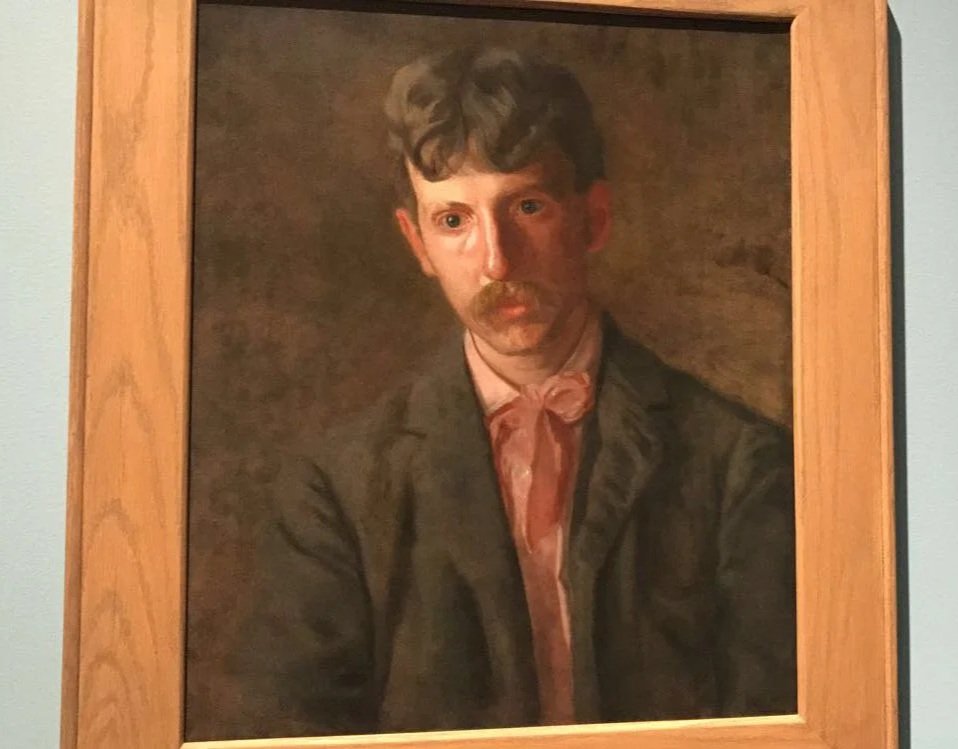
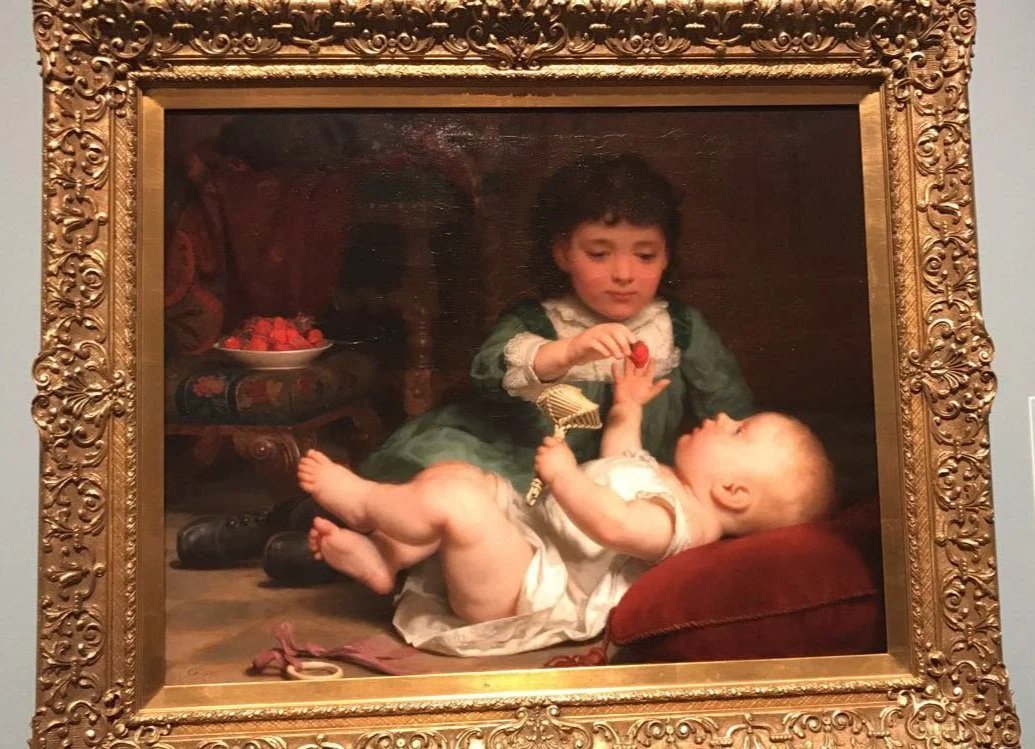
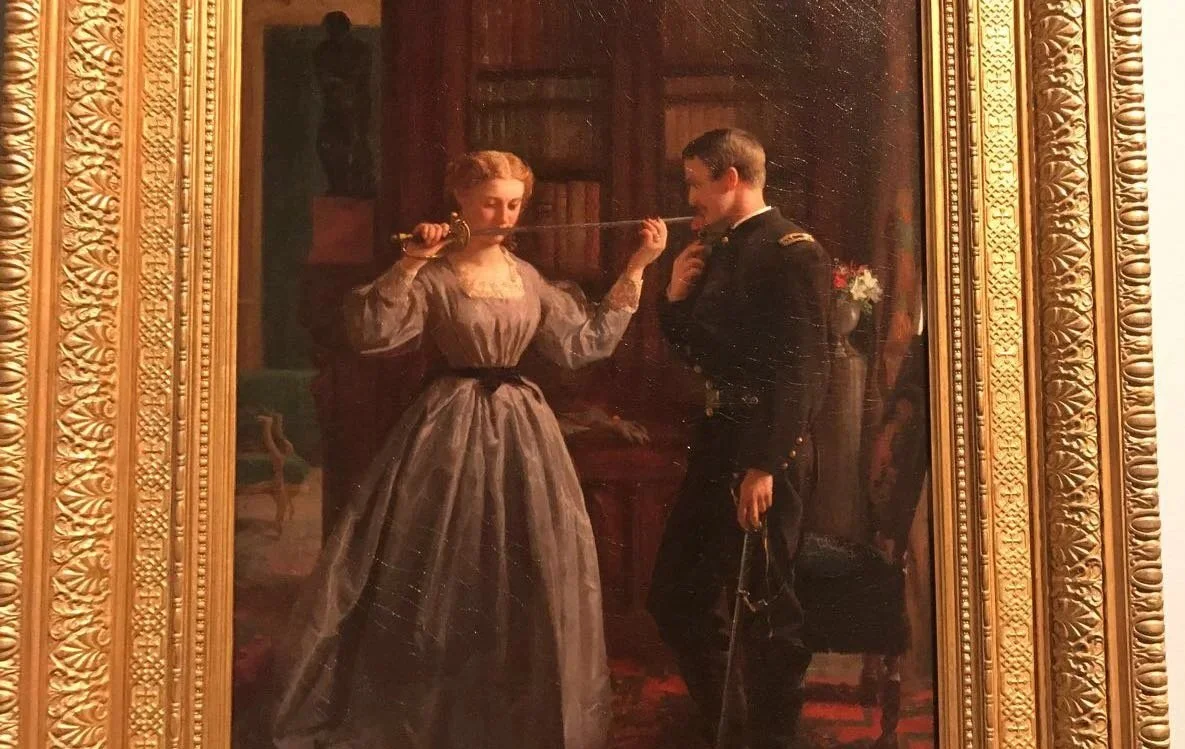
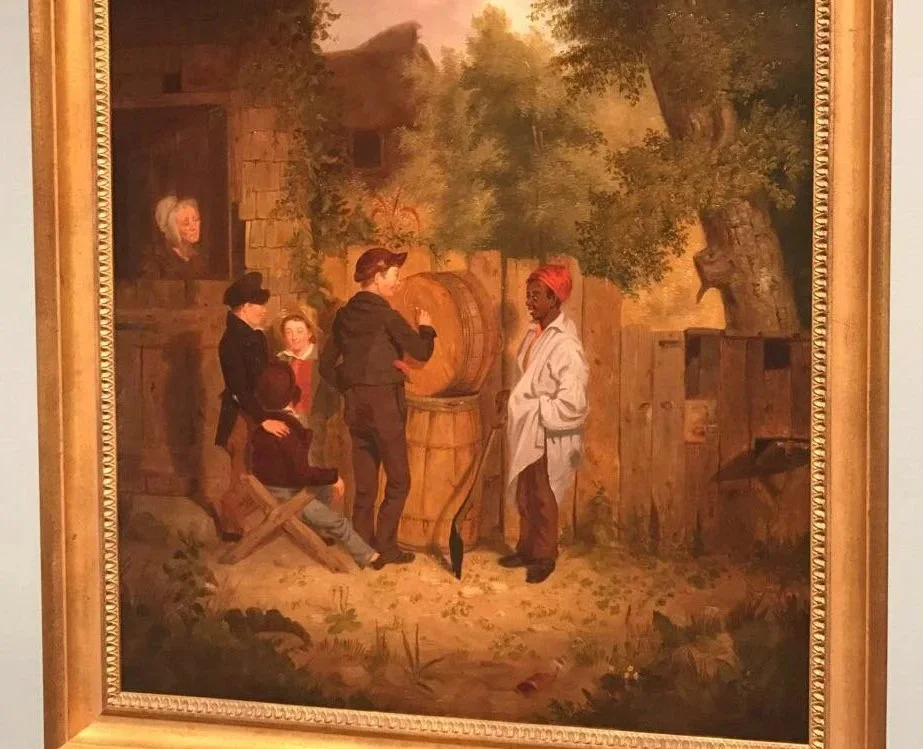
Lastly, leaving the American wing we had some huge pastoral landscapes:
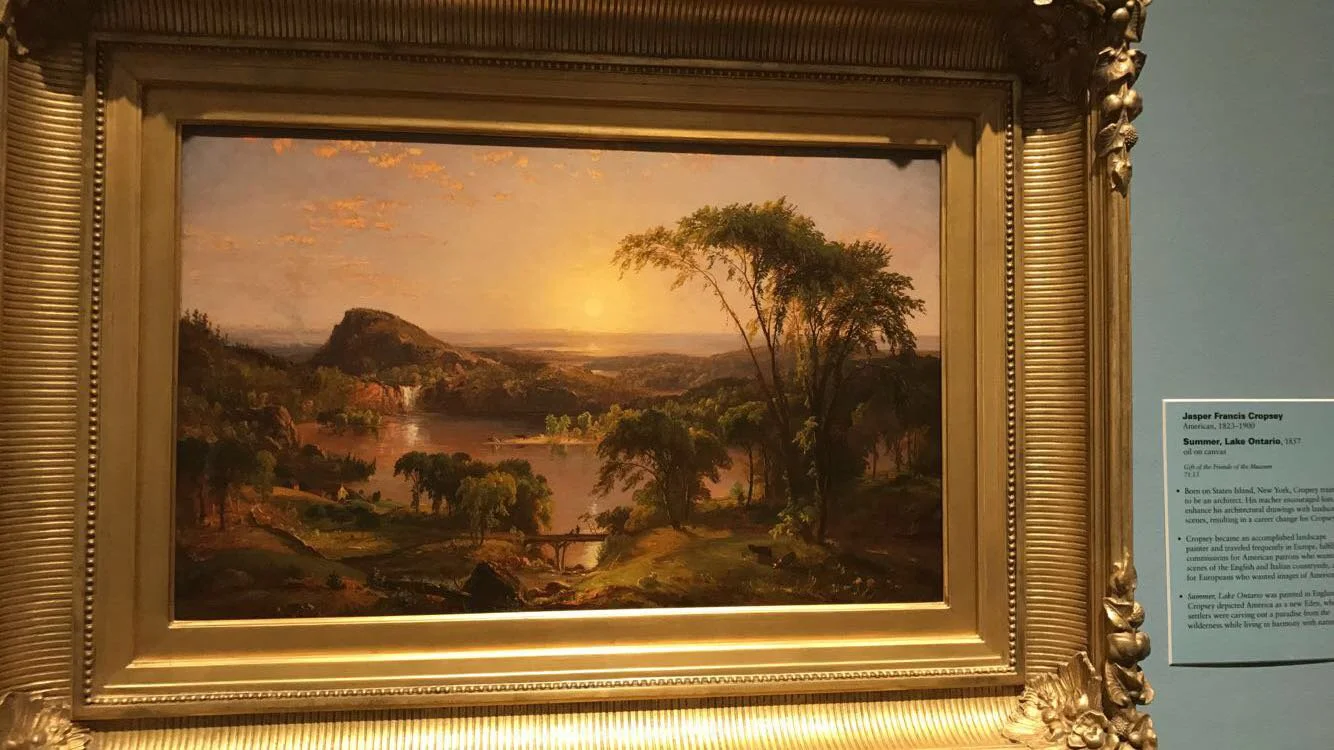
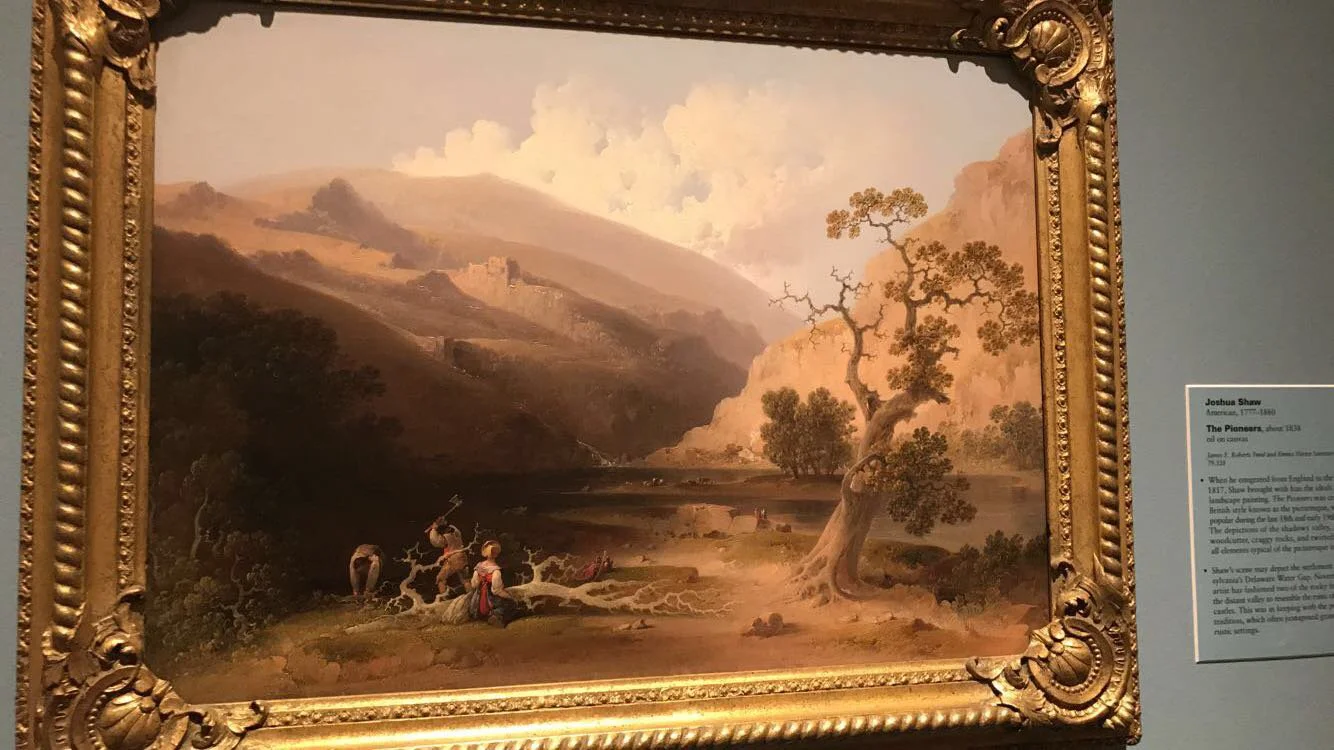
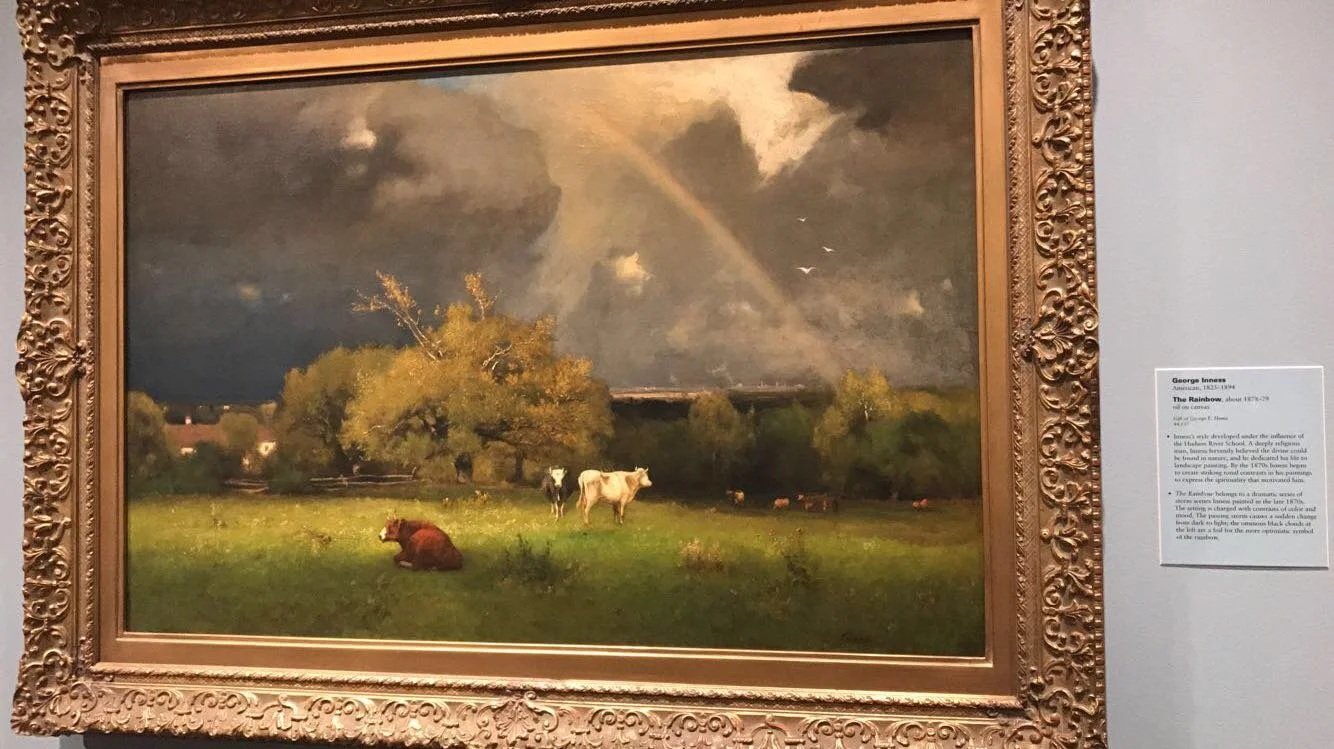
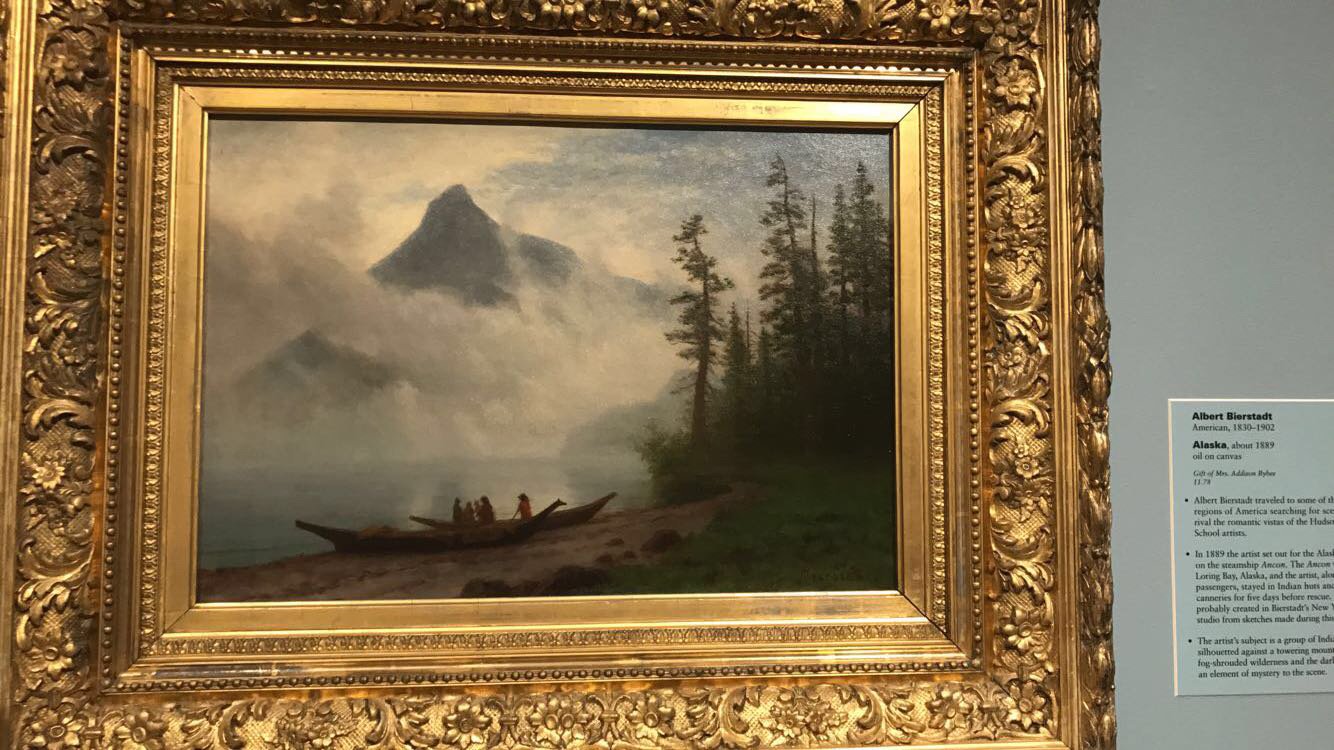
Next up was Indigenous art from the Americas, which in this gallery primarily consisted of incredible pre-colonial ceramics, stone carvings, and woven baskets. This is often what comprises Native art selections in major museums which on the one hand I think is a little bit reductive because I don’t think whole civilizations can or should be reduced to the pottery they left behind, but on the other hand these are still hugely impressive works of art (especially when considering just how old many of them are) so I do understand why art museums would want to show them off. It can just be a tricky needle to thread to honor legitmately great art without painting the whole culture with too broad a brush, especially when the specific cultures are not well known to the average american museum-goer (myself very much included).
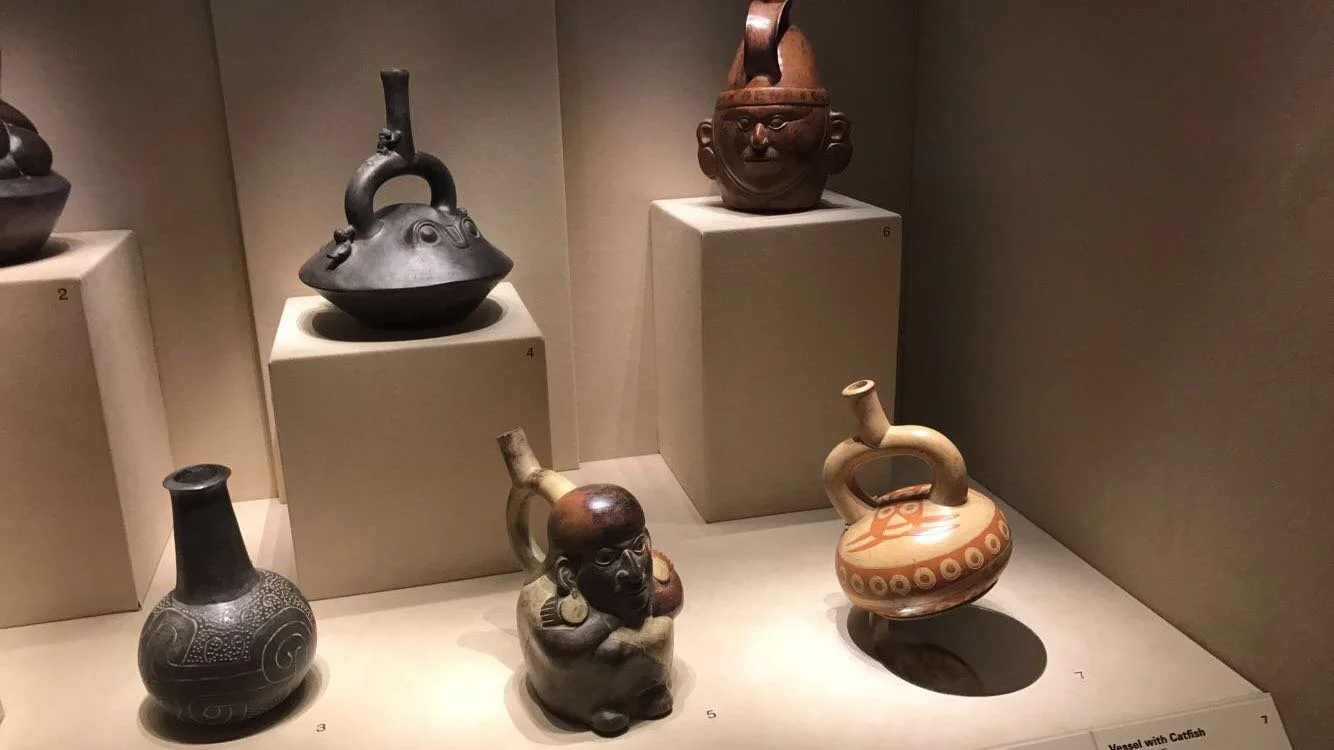
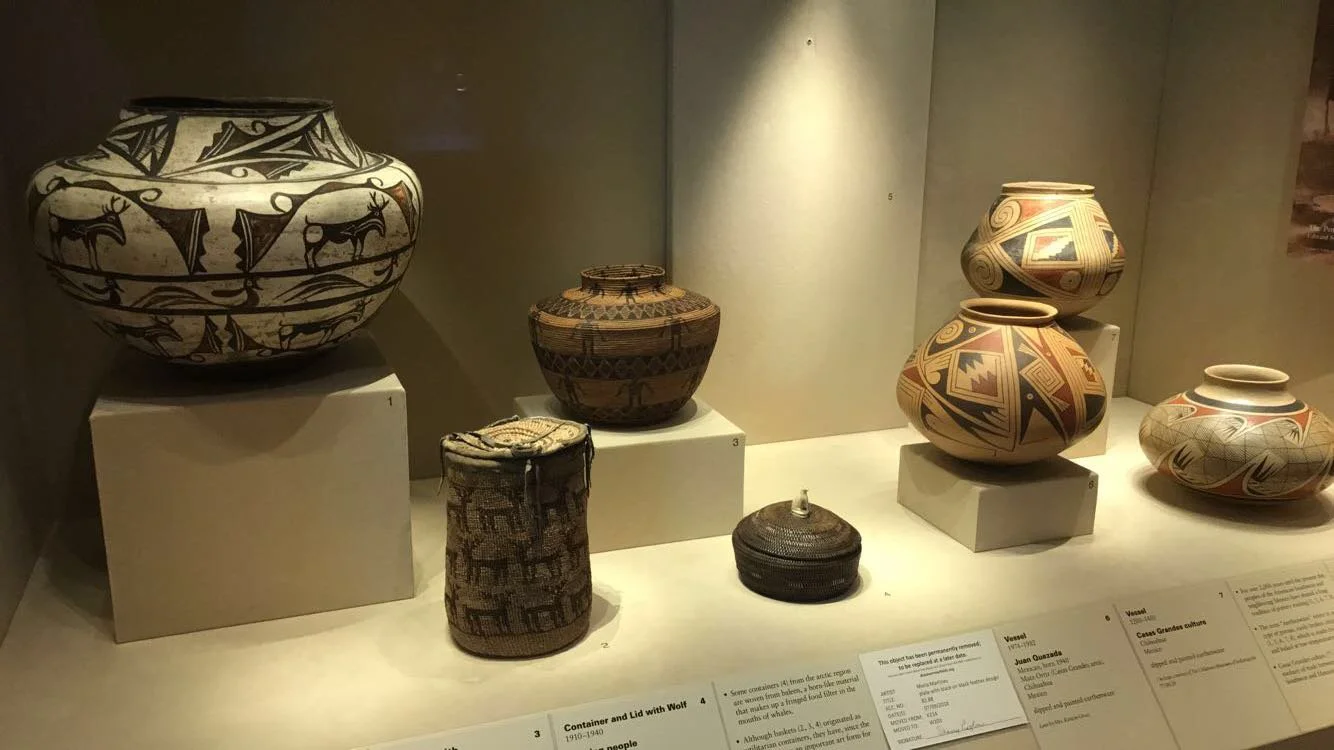
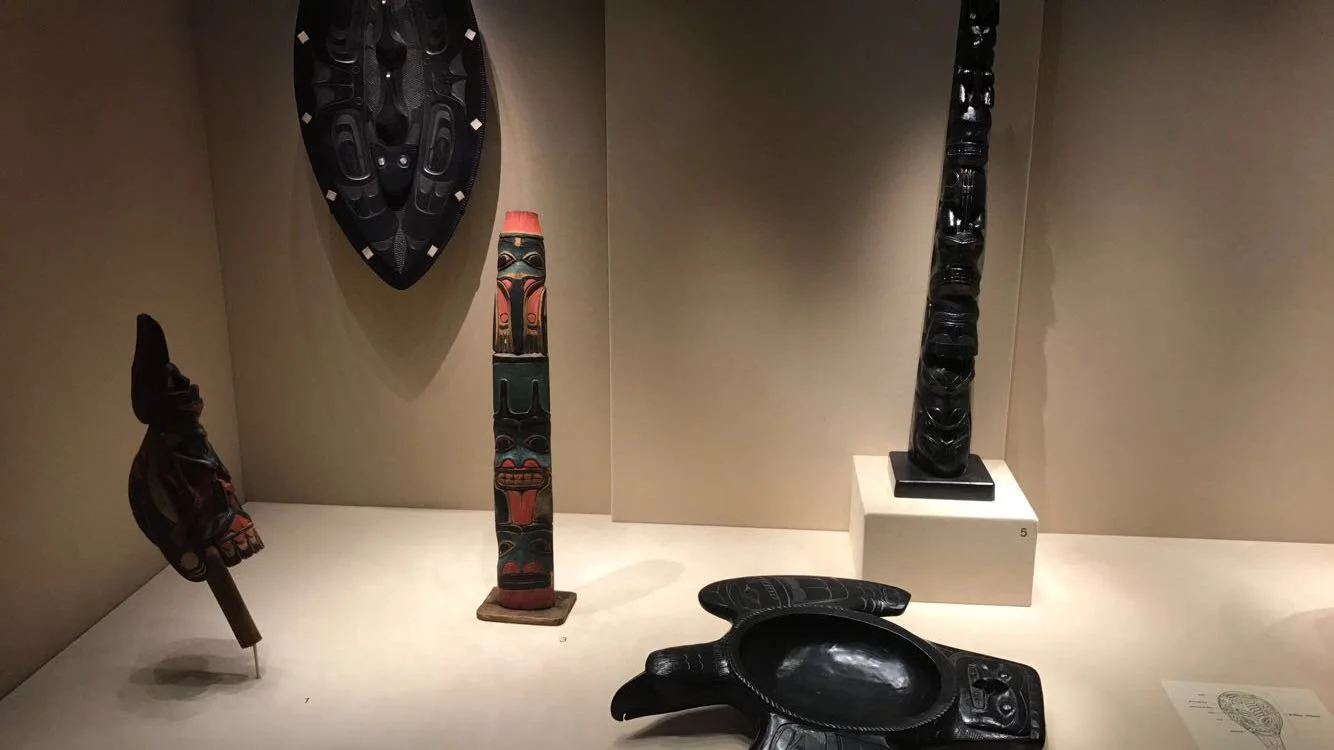
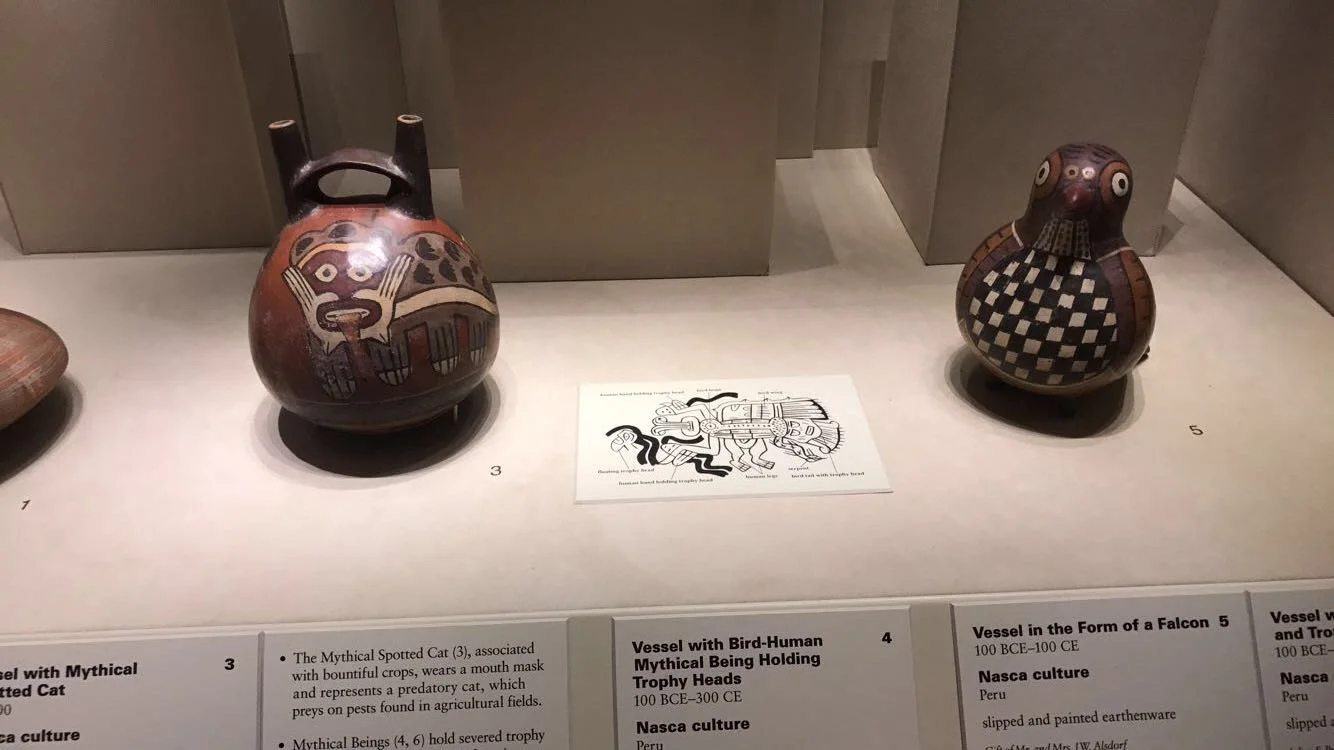
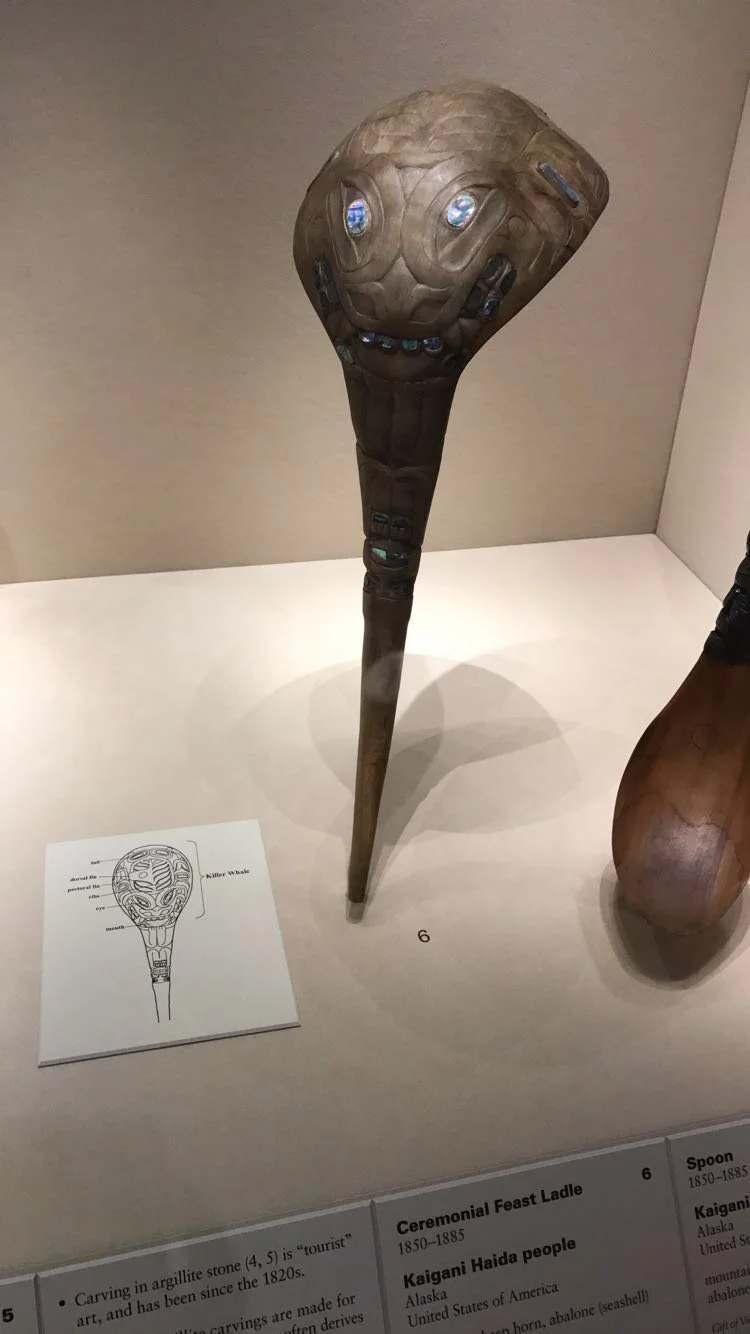
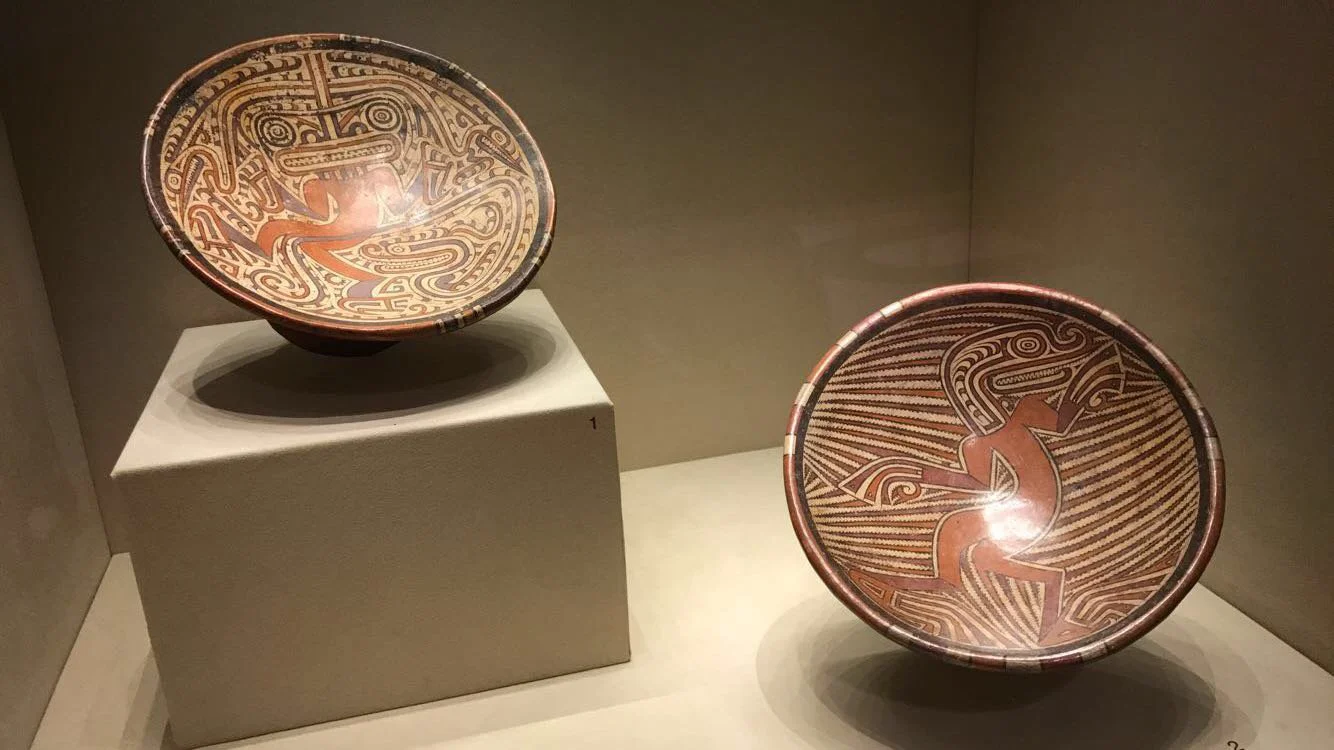
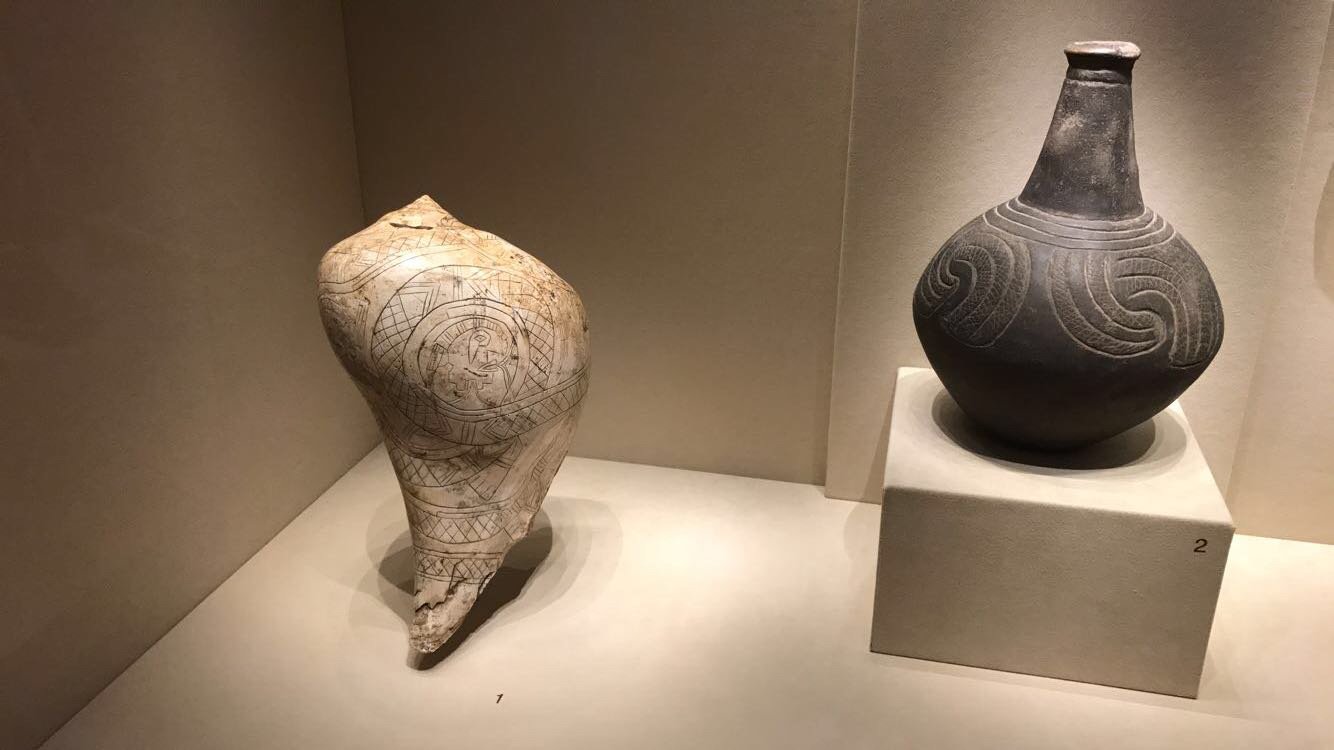
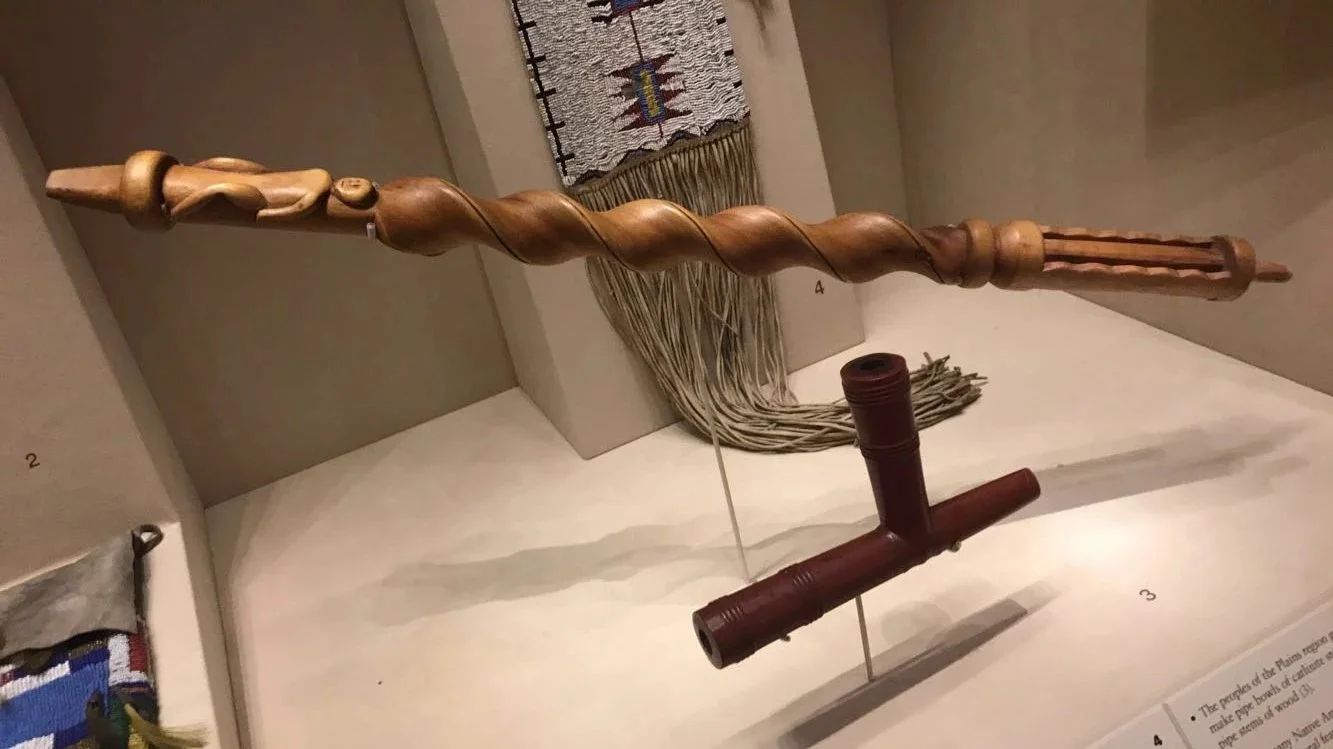
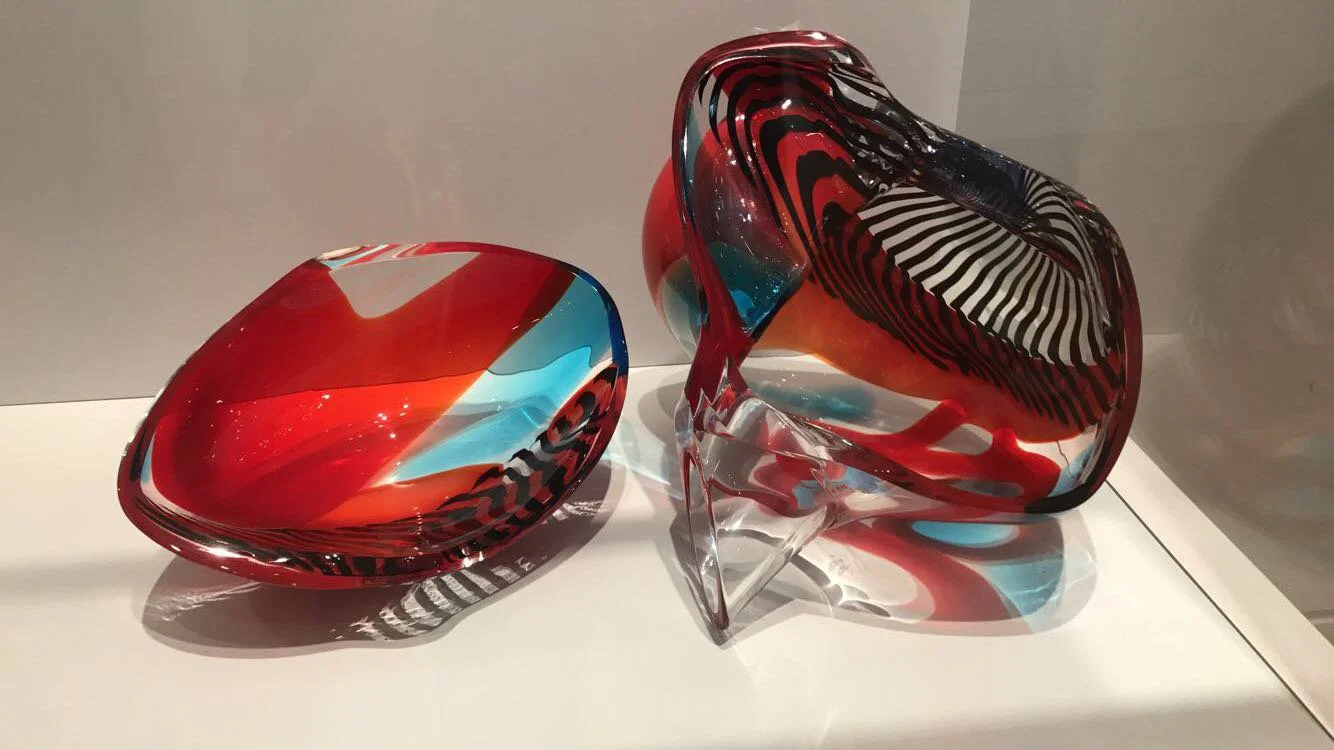
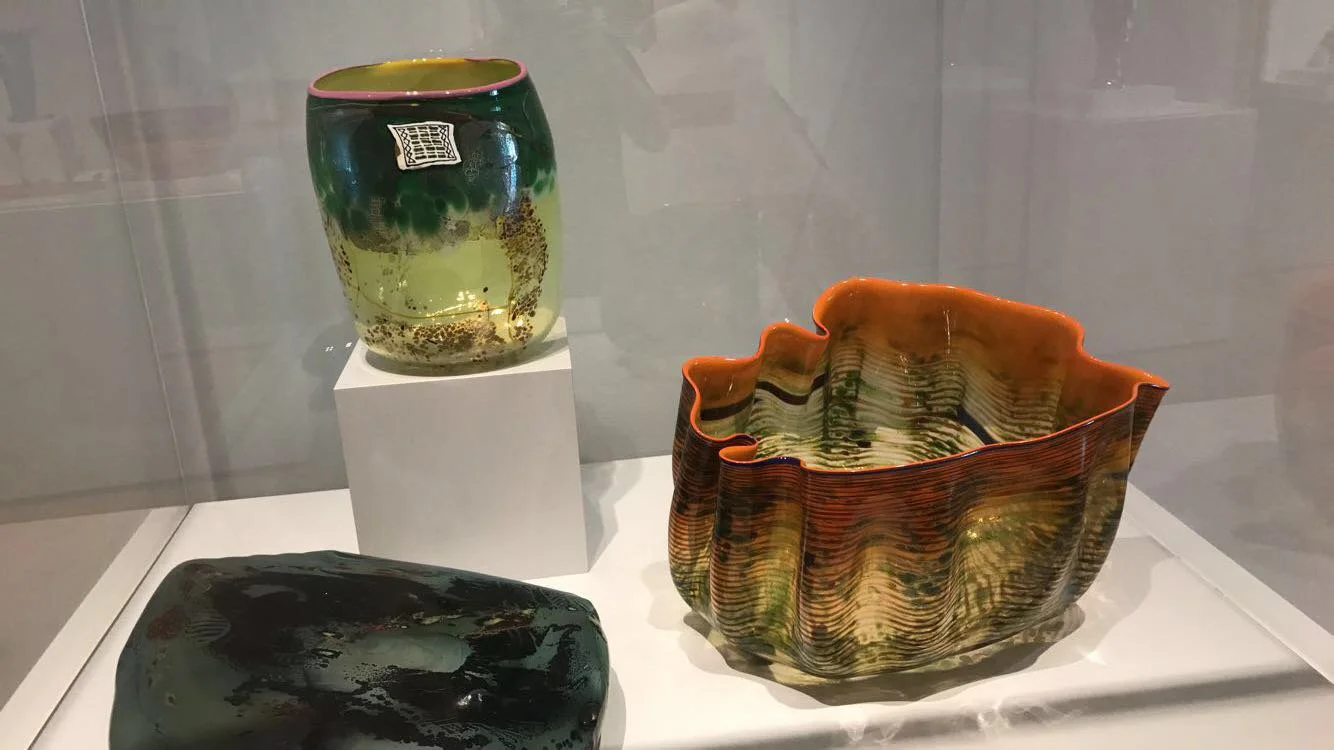
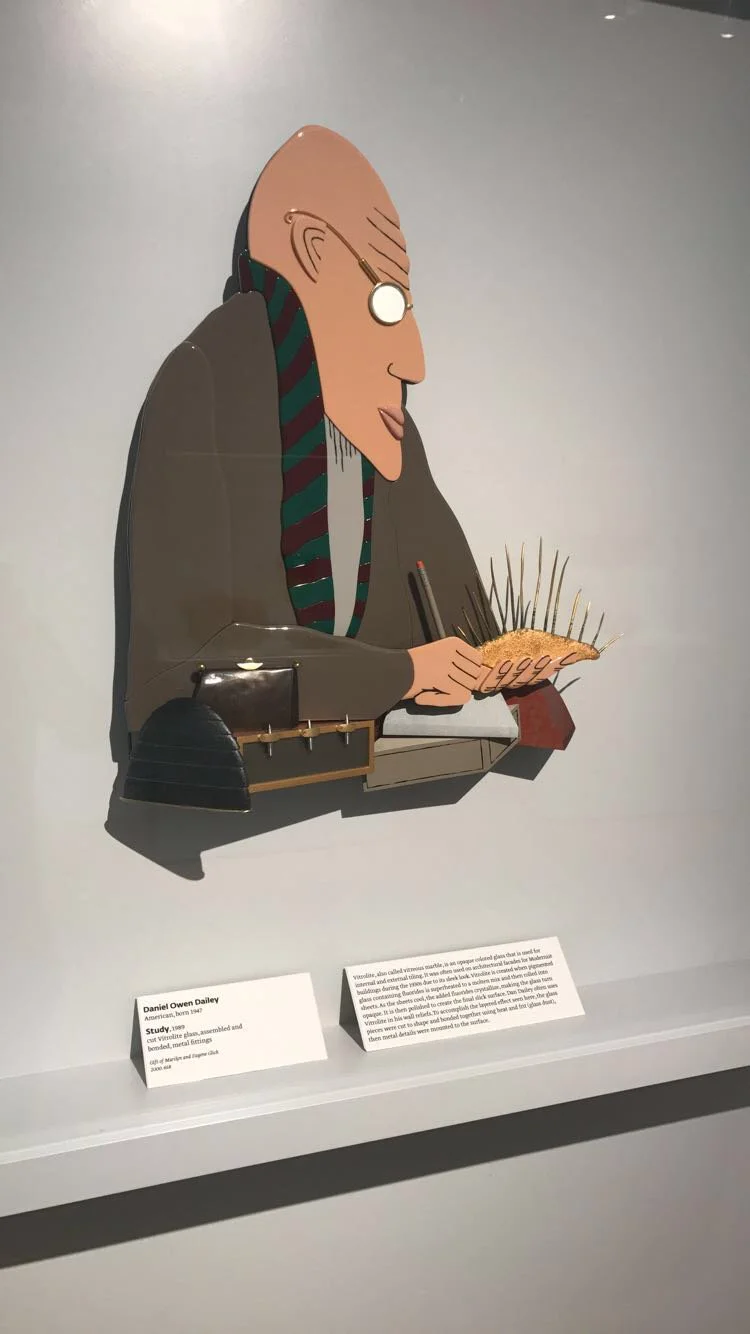
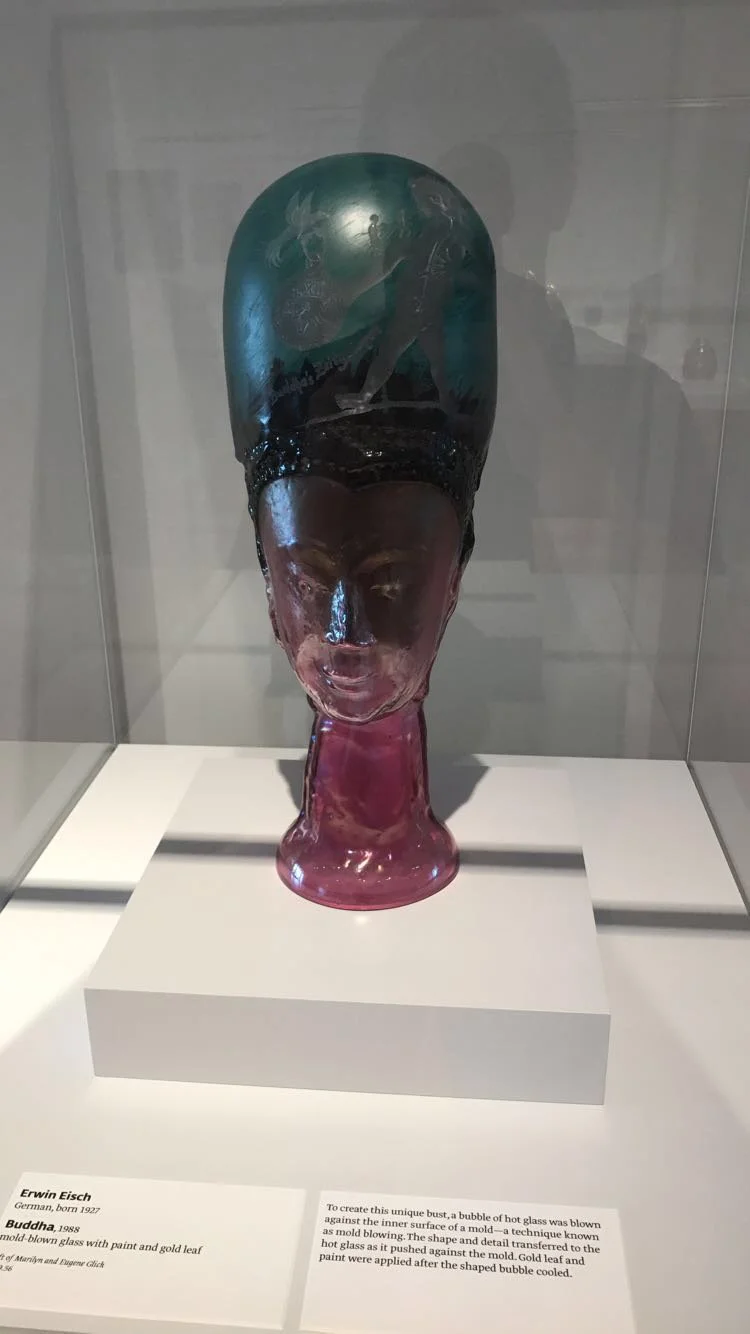
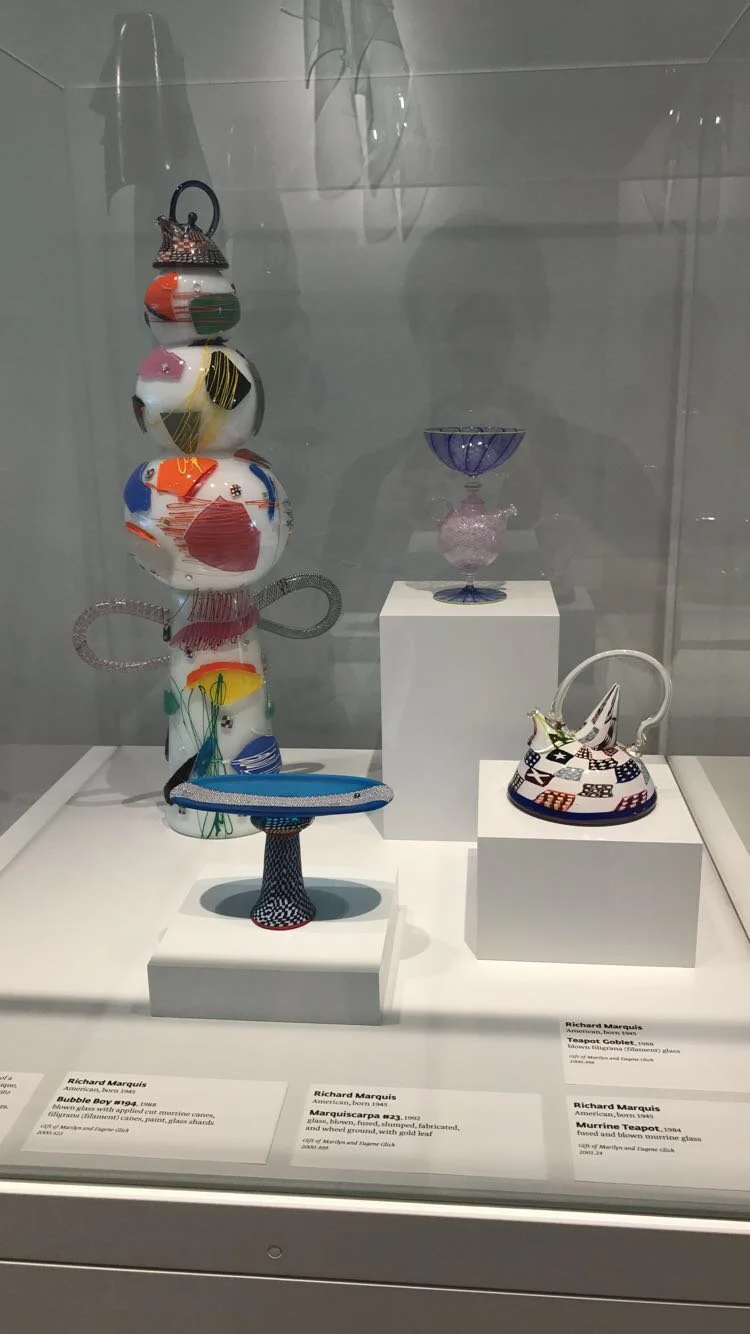
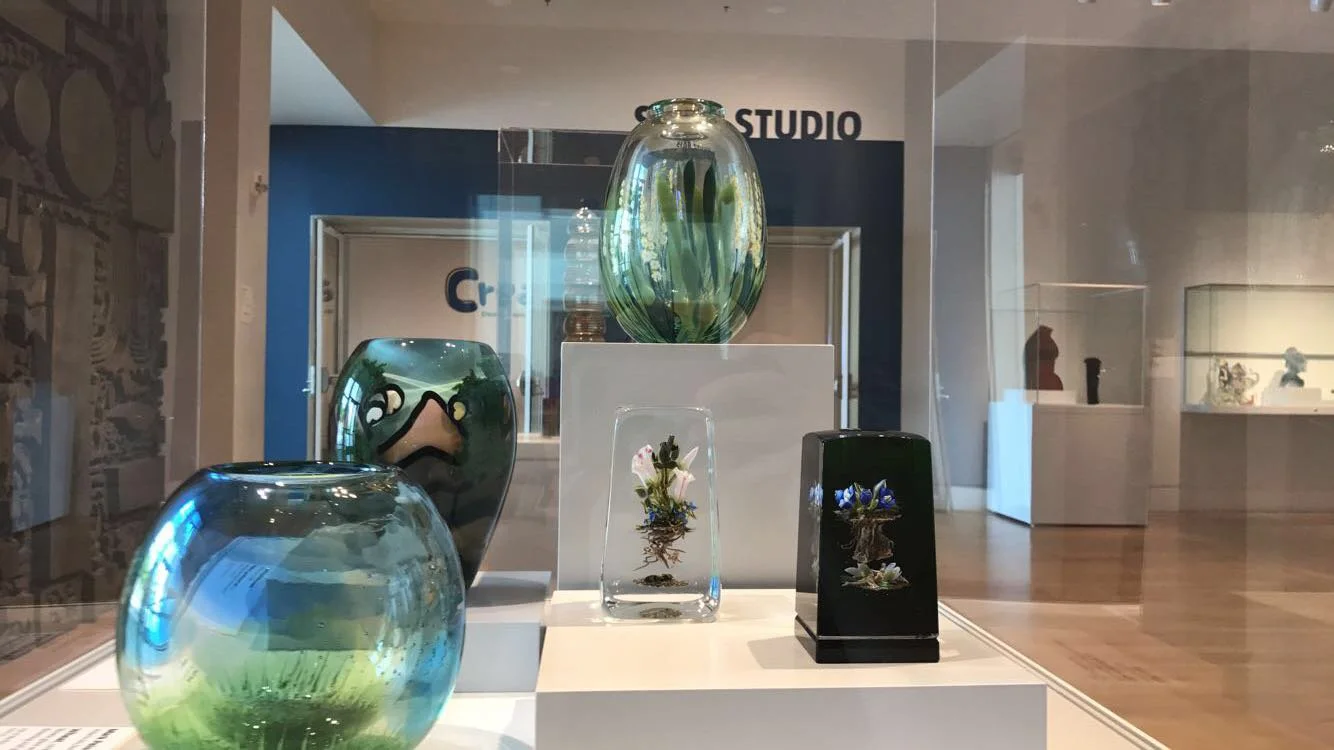
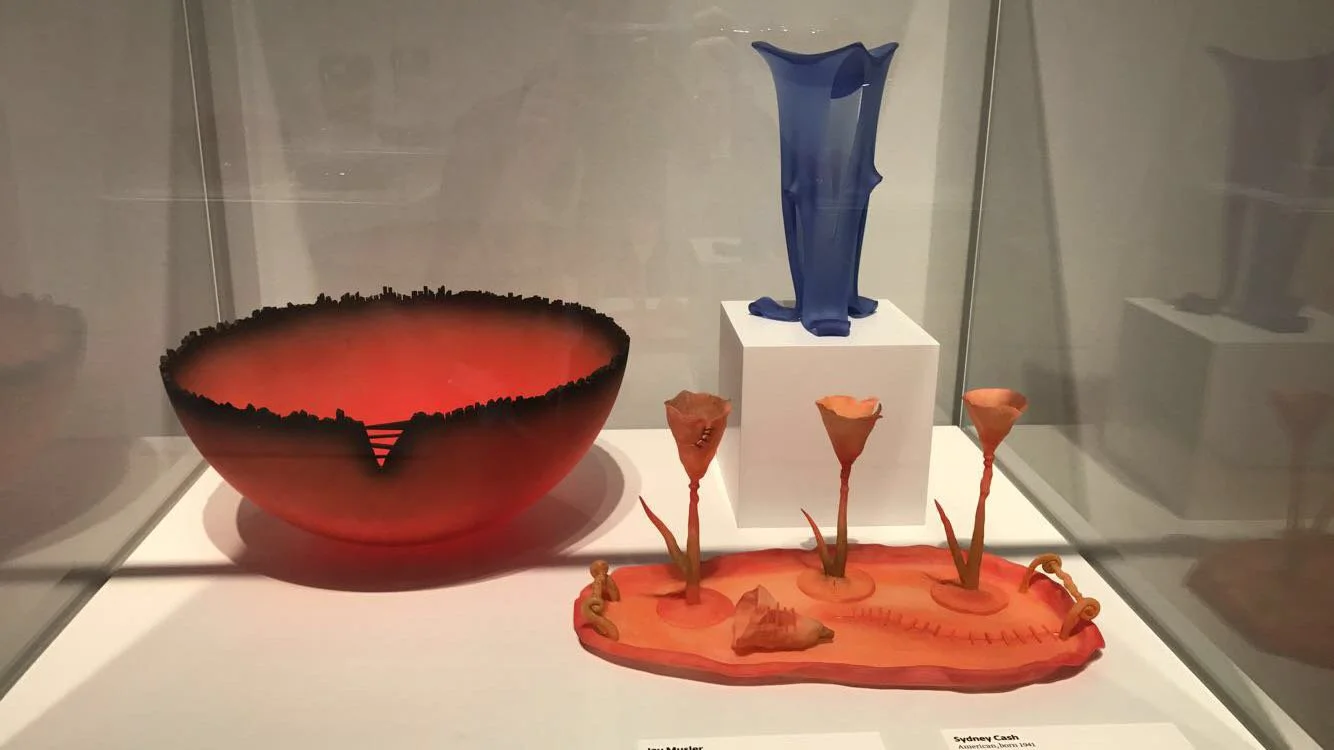
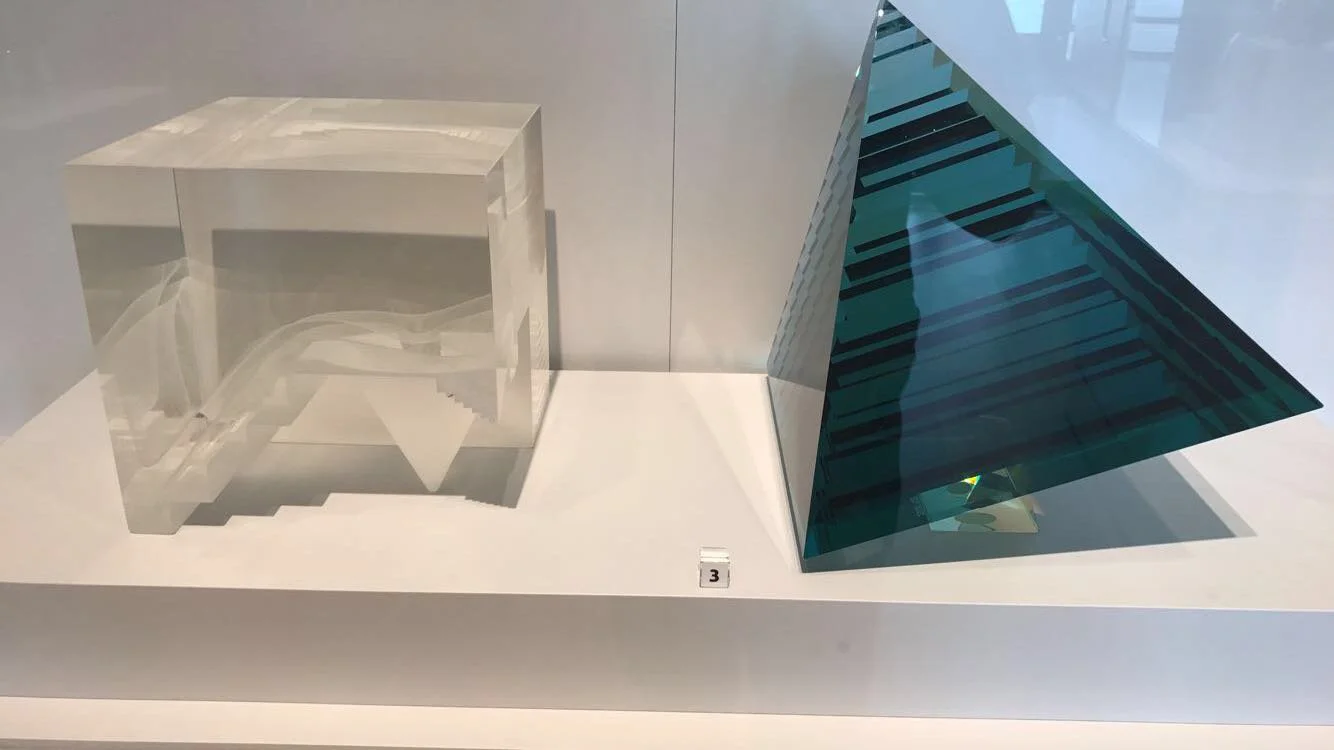
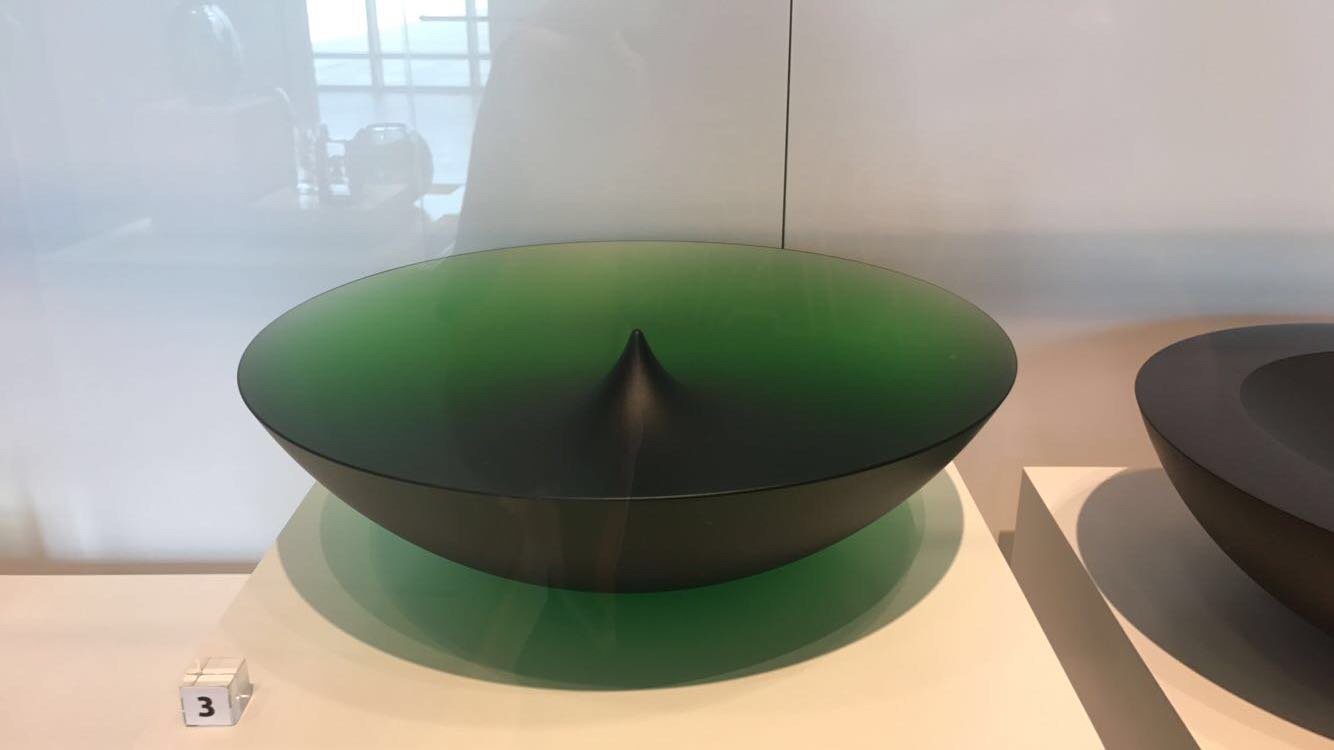
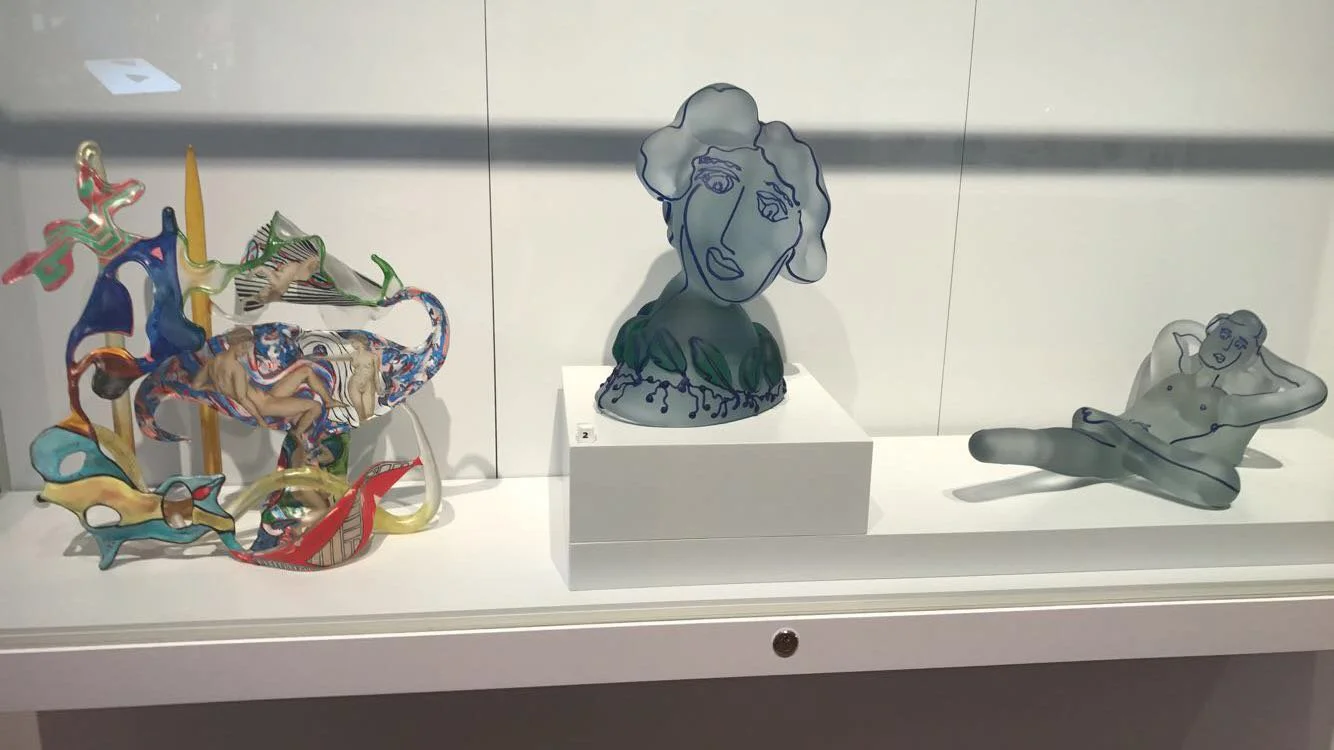
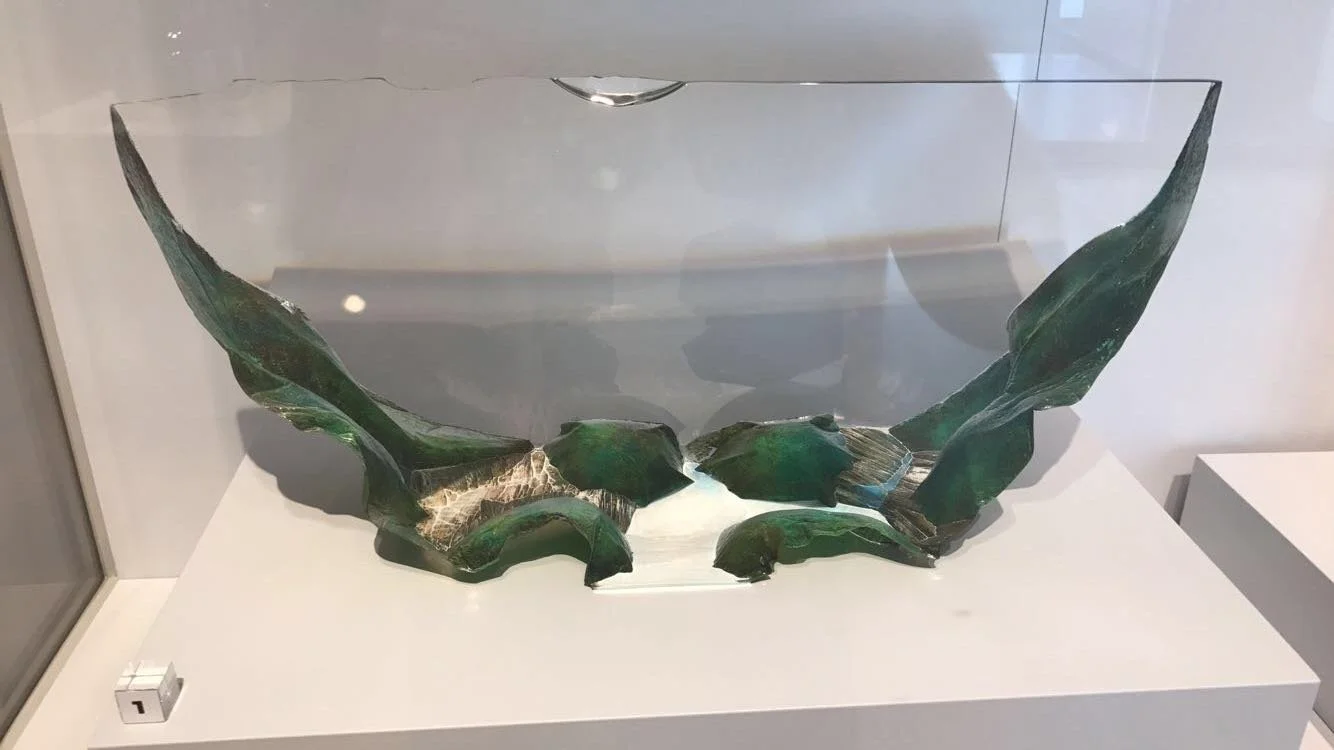
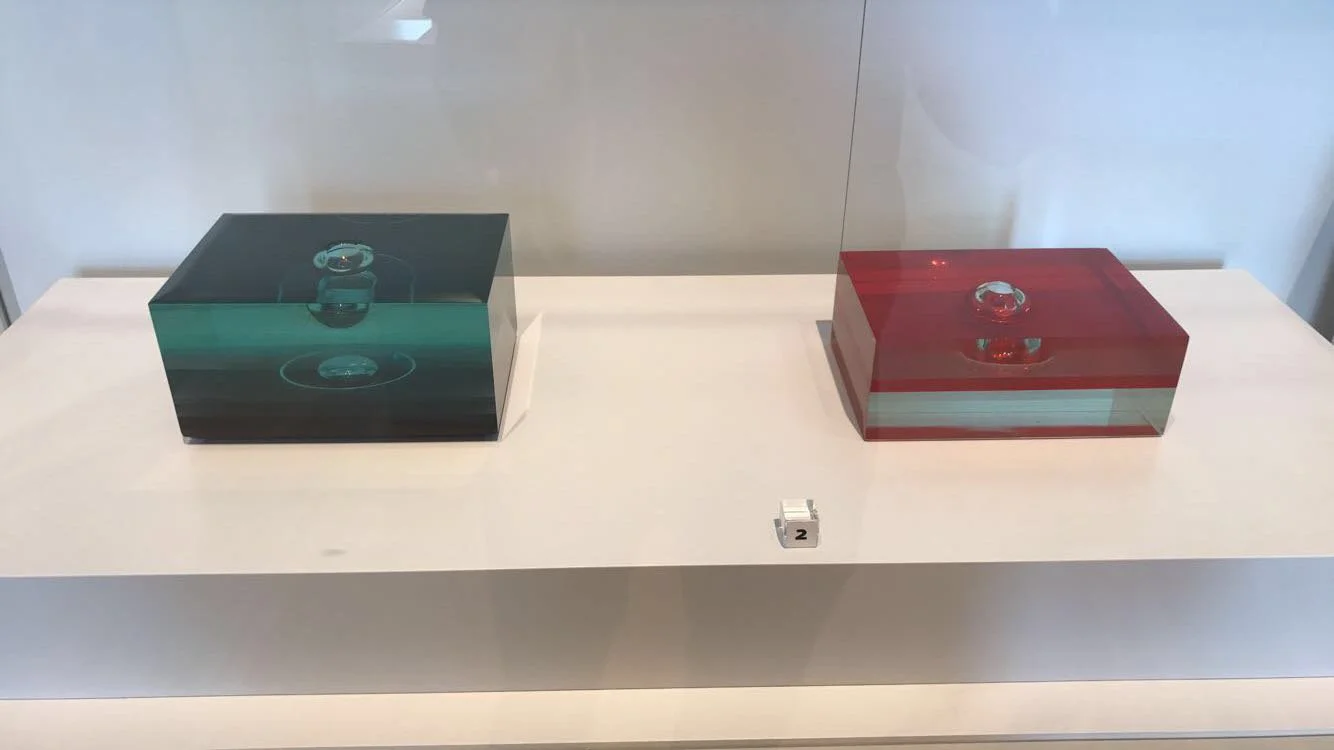
The thousands of years old Native art actually segued really nicely into a gallery of contemporary works of glass art, because Native ceramics and textiles have greatly influenced the subsequent generations of decorative artists. I’ve always been a sucker for glass art anyways, because the way the material interacts with light always feels sort of magical.
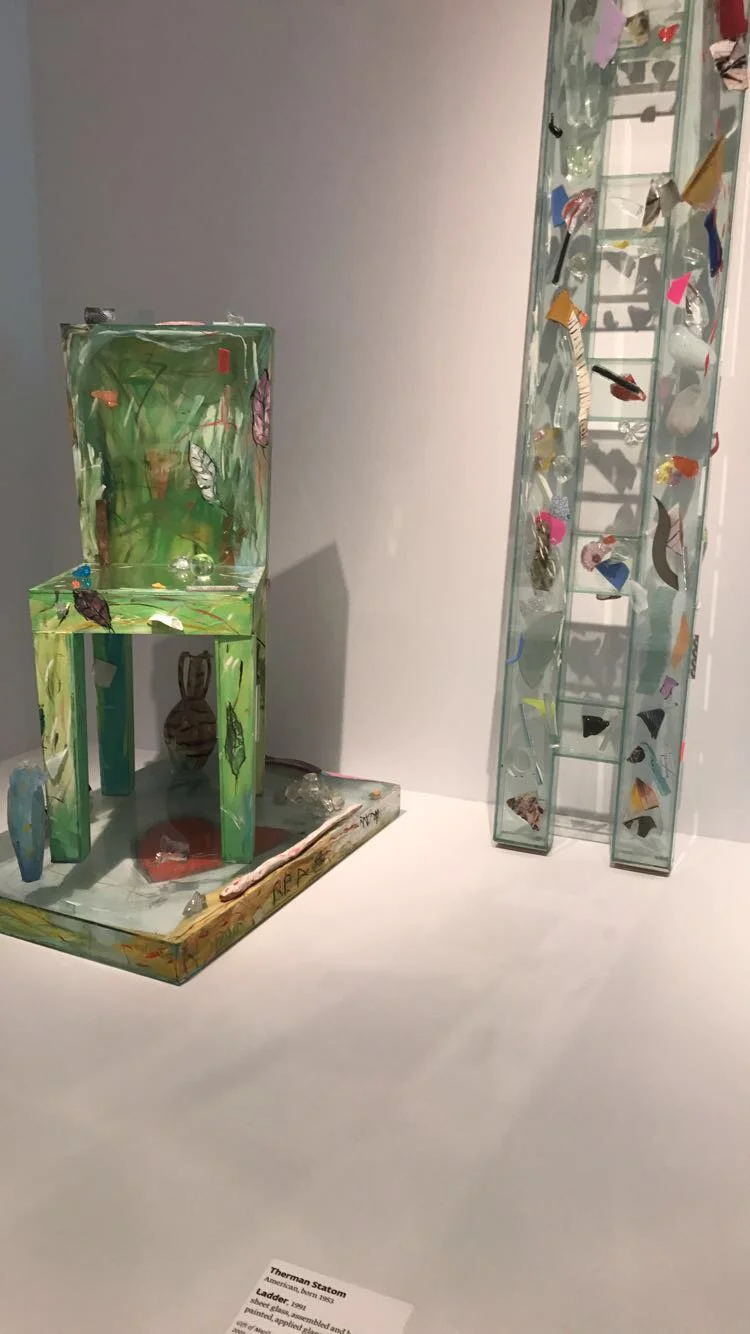
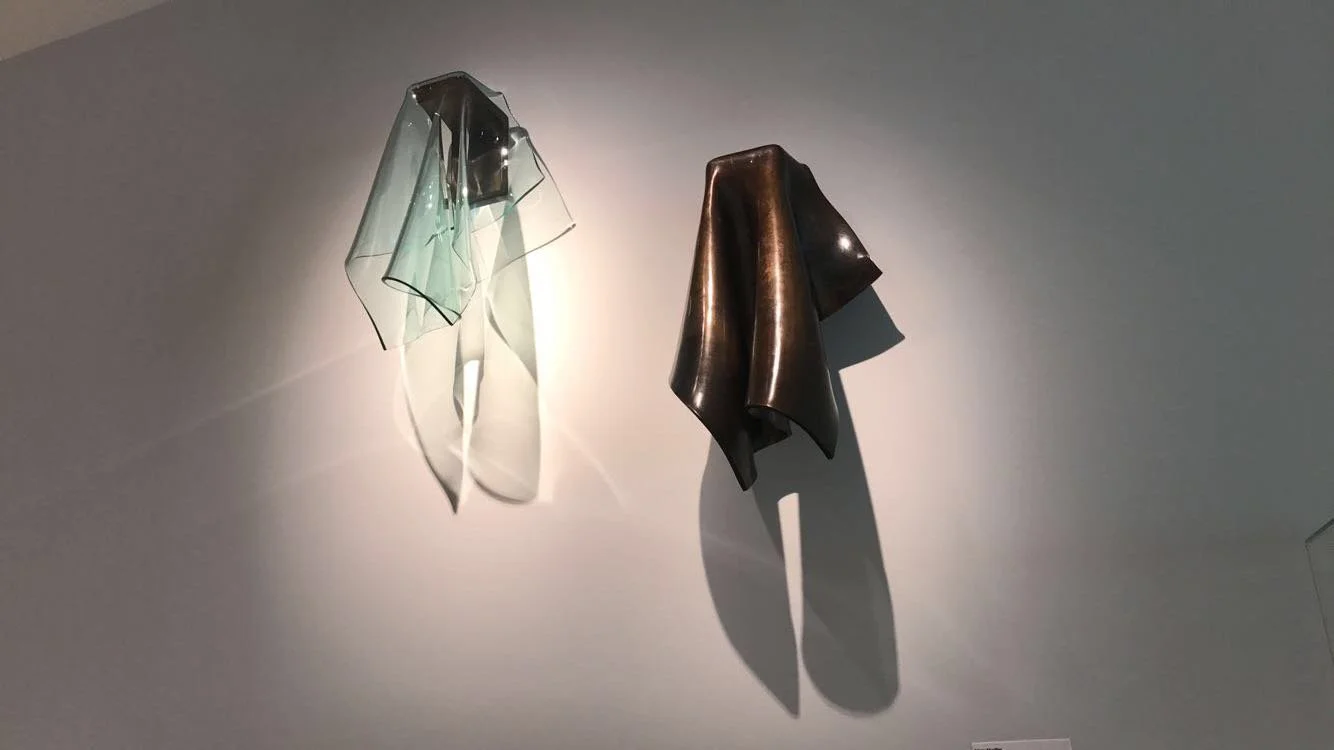
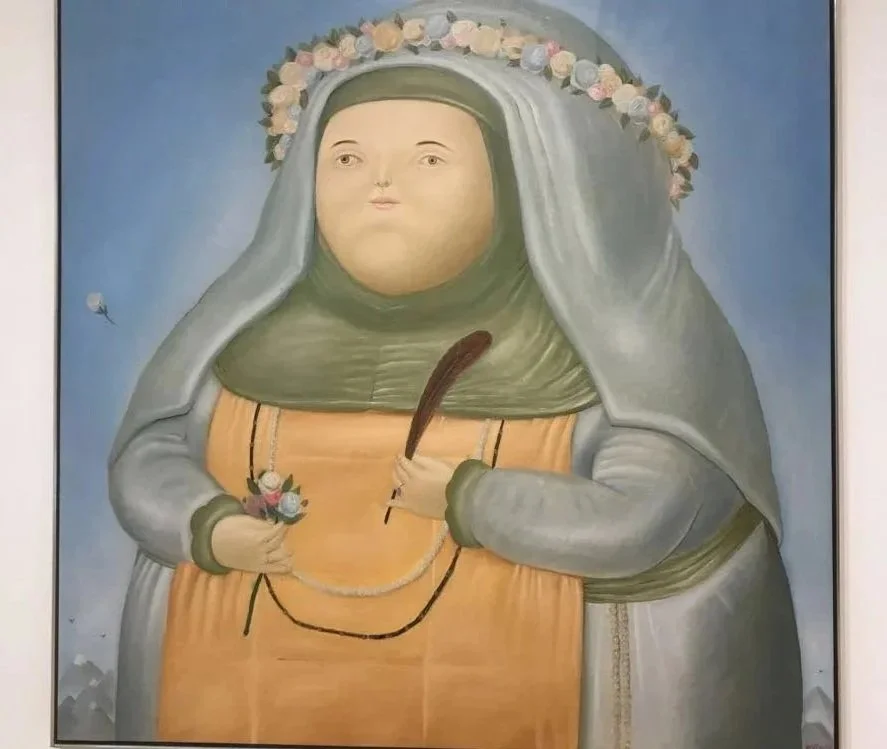
Next up, I made my way to the Contemporary wing, which started with some modern riffs on class portraiture:
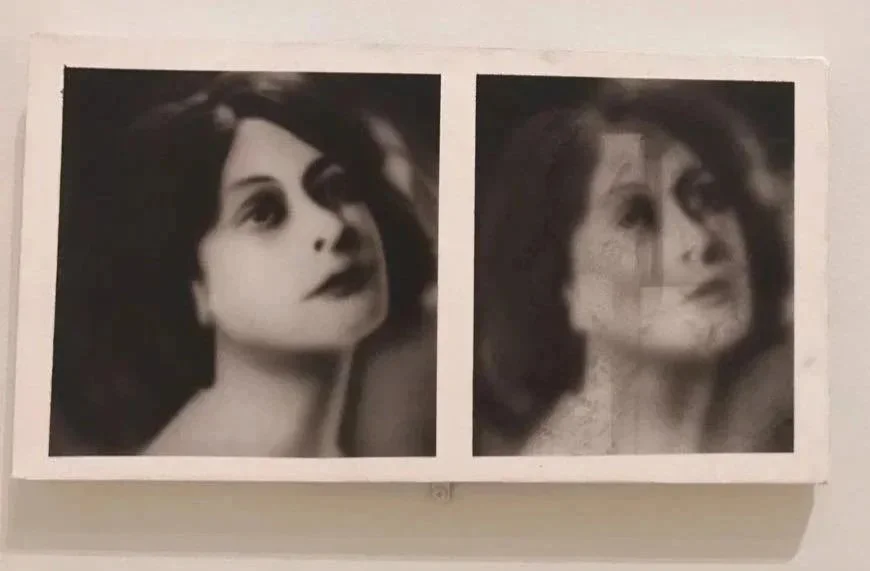
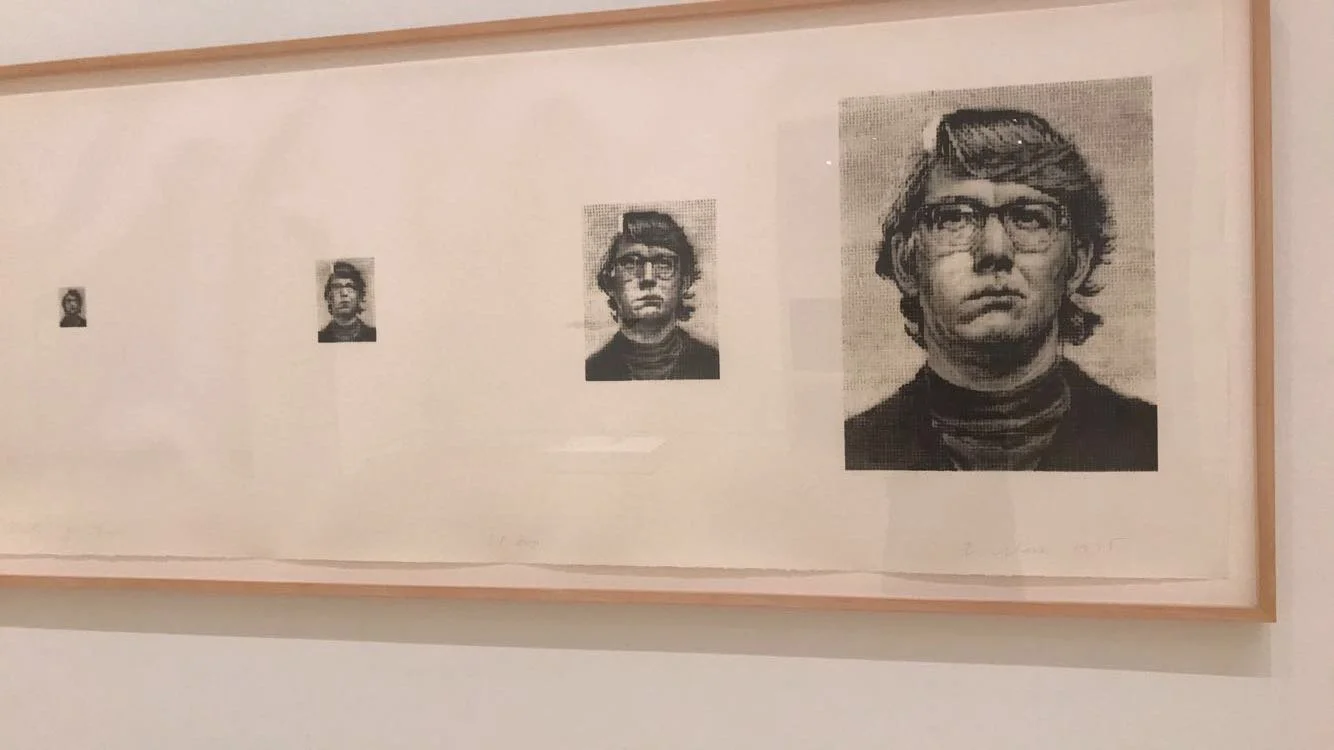
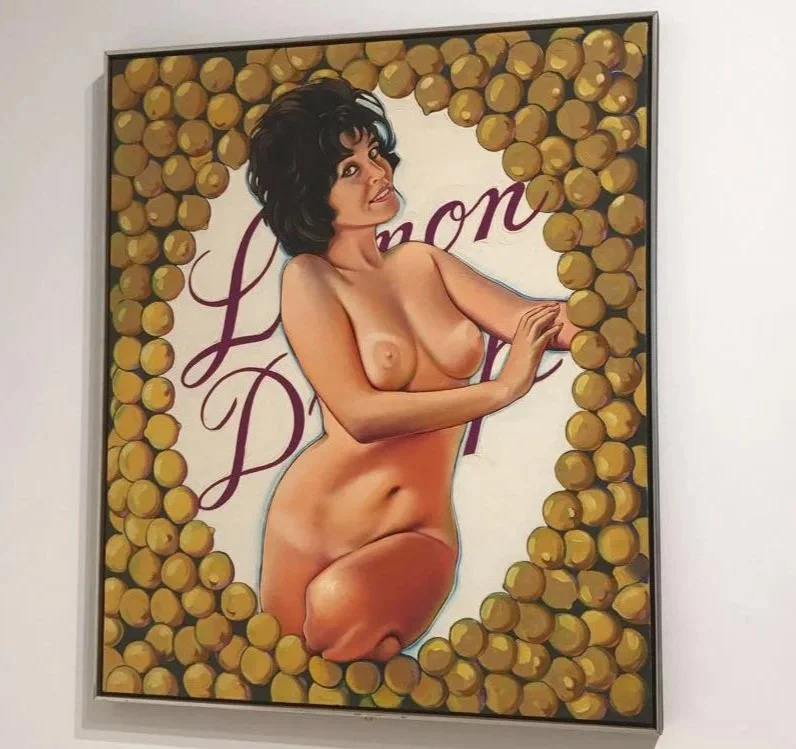
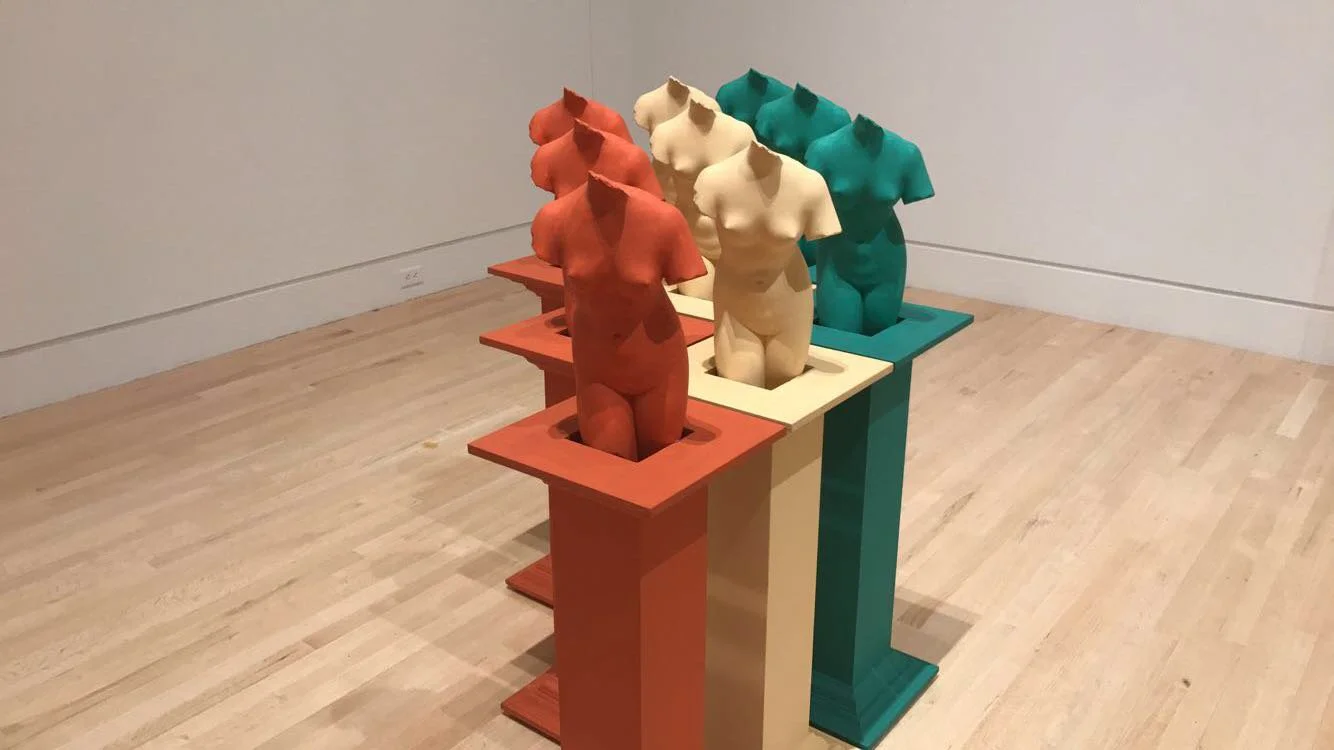
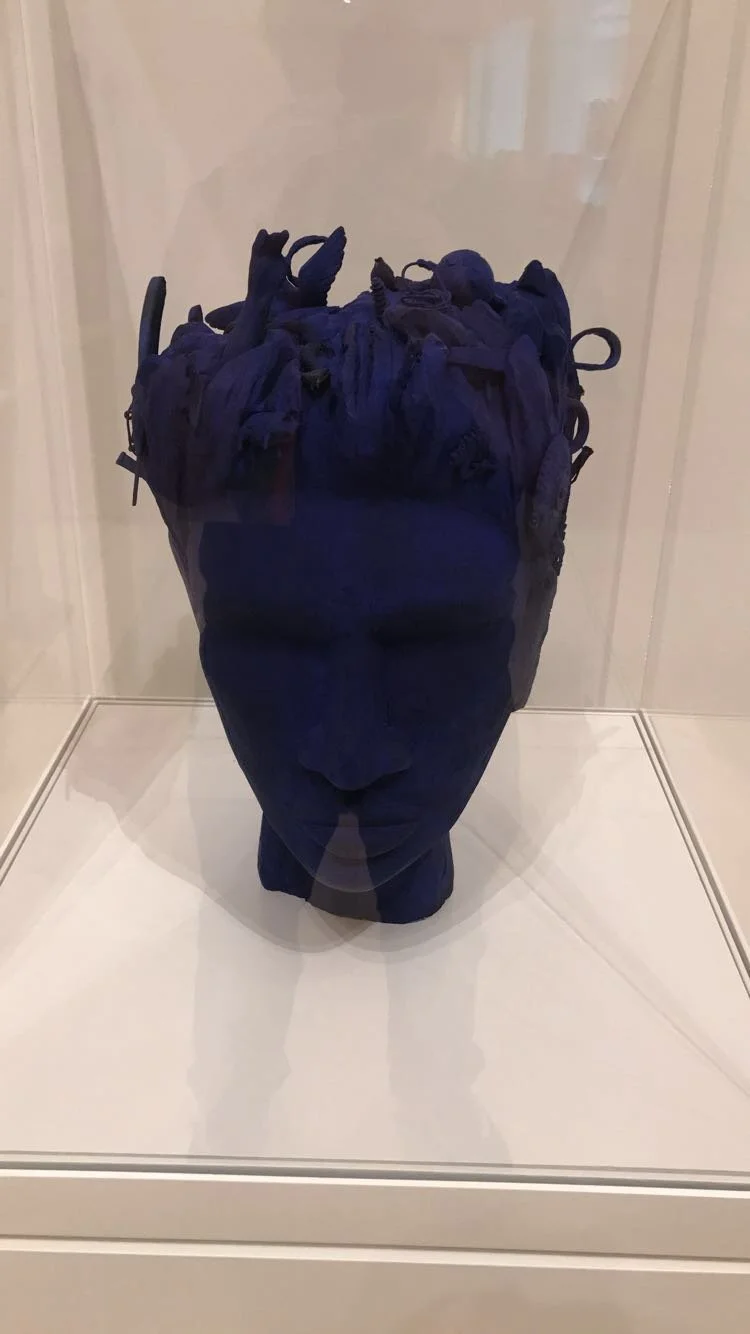
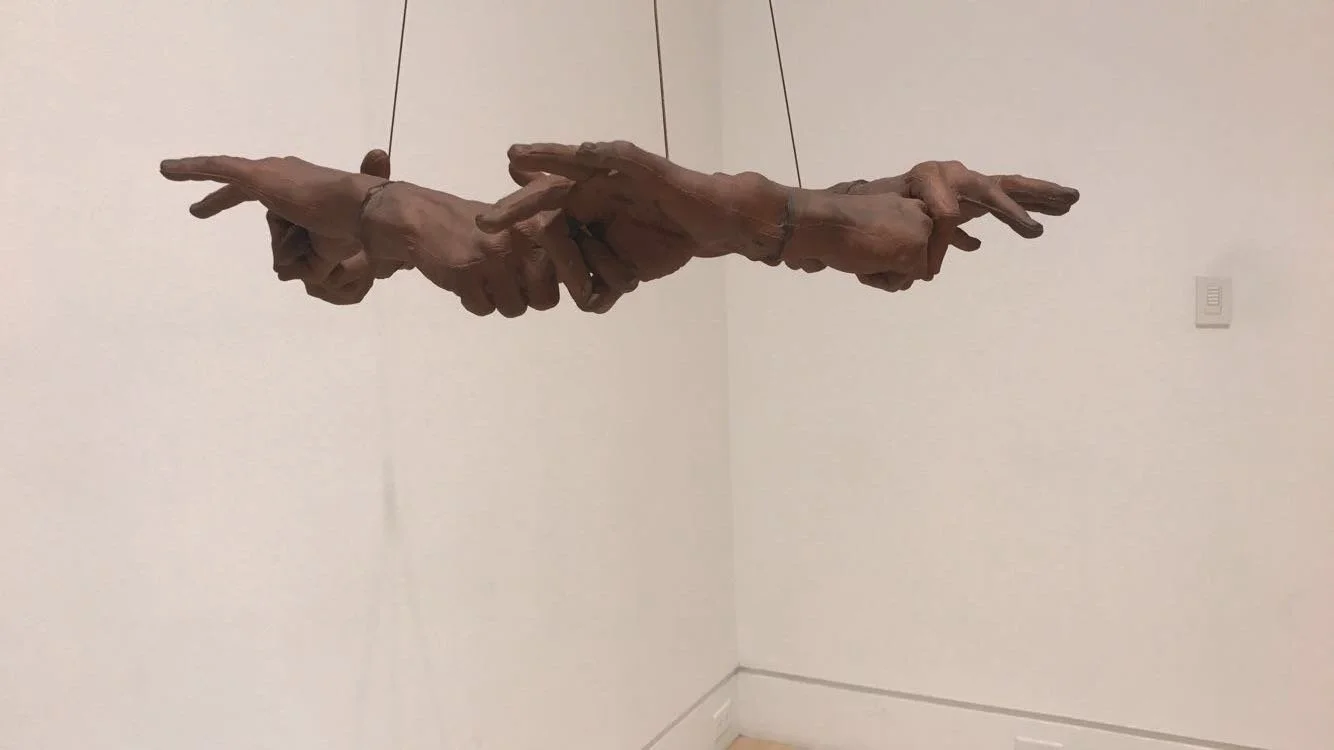
Next up were some sculptures including: a bright colored series of Venus replicas by Edward Allington called Roman from the Greek in America; an incredible carved wooden bust by Alison Saar called Nappy Head Blues; and a floating circle of entwined bronze hands by Bruce Nauman
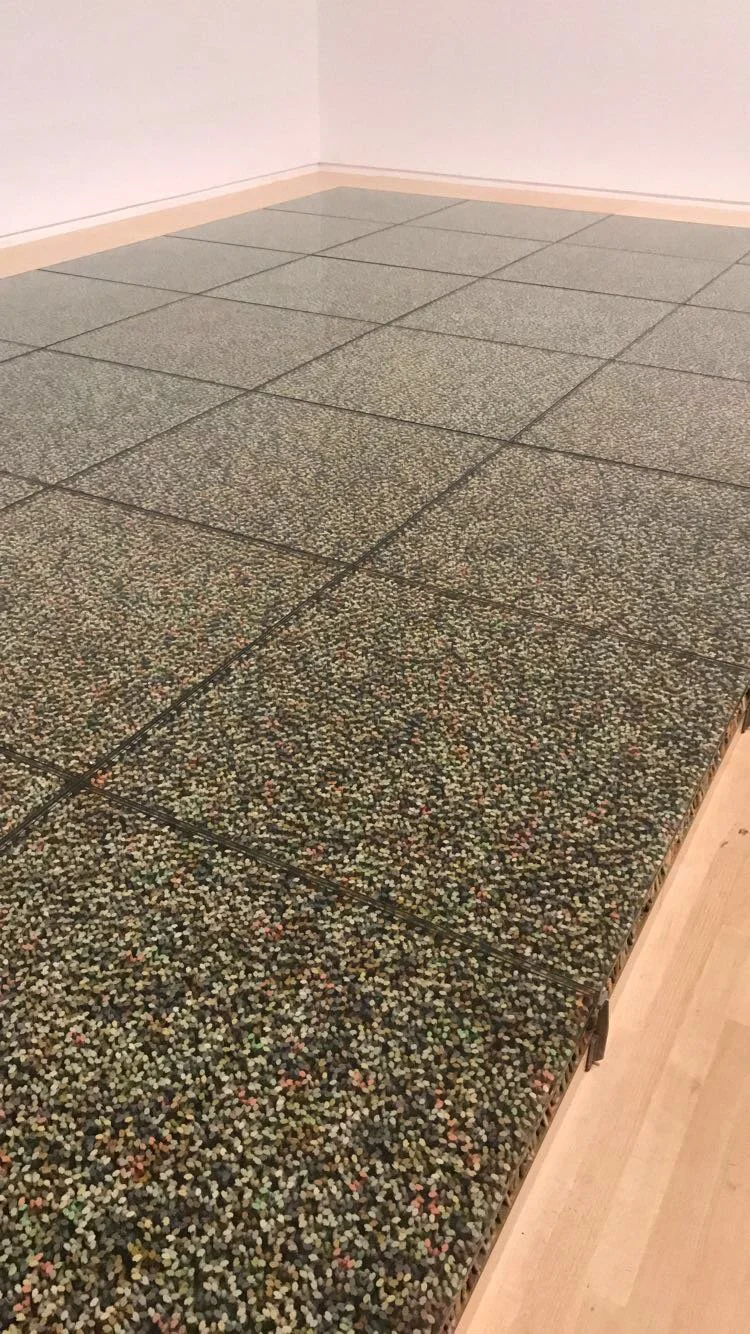
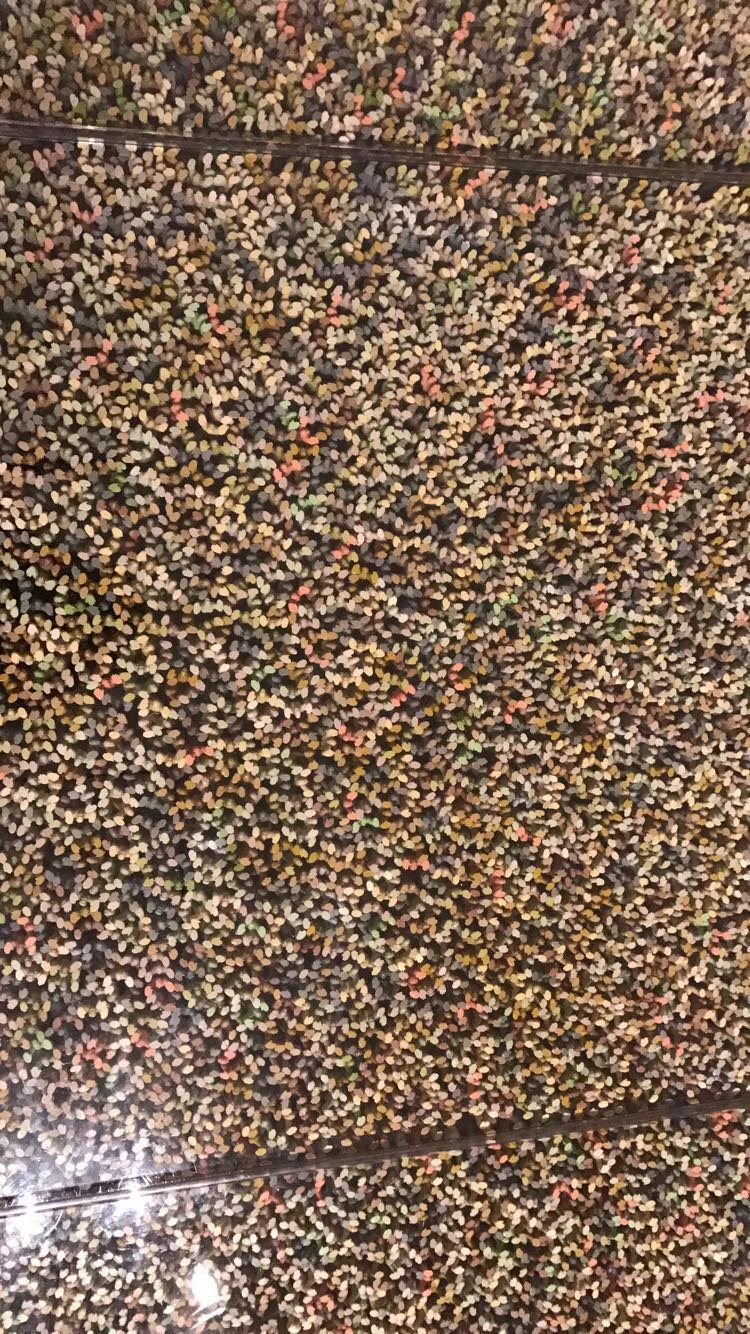
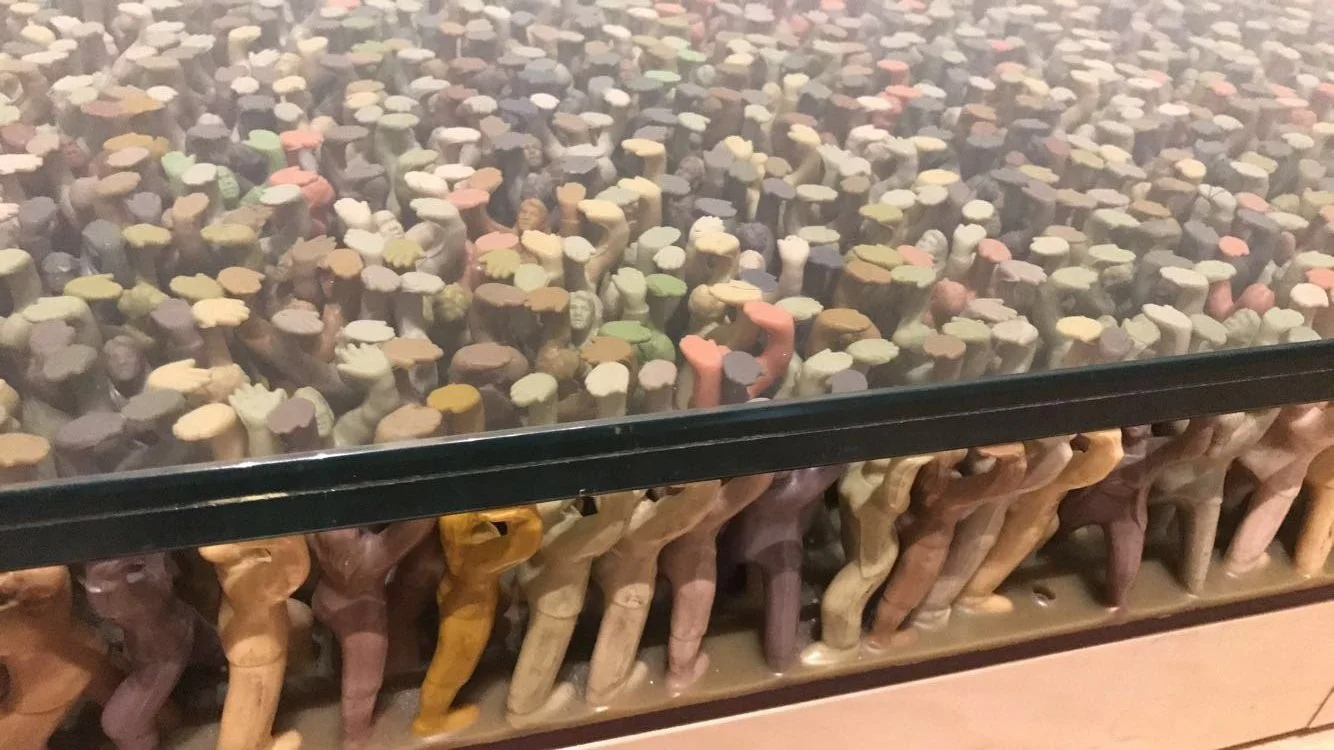
One of the most astonishing pieces was entitled Floor by Do Ho Suh, and it initially looks like a raised glass plaform with sort of funky multicolored tiles. Upon closer inspection though, every single colored dot is actually the hands of a little plastic figure and the whole platform is supported by their collective effort. Each little figure is small flimsy on their but together they can support the weight of the thousands of museum visitors who walk across the platform. It makes for a really powerful reveal, elevetating what would be a perfectly fine abstract piece into something much more symbolically rich.
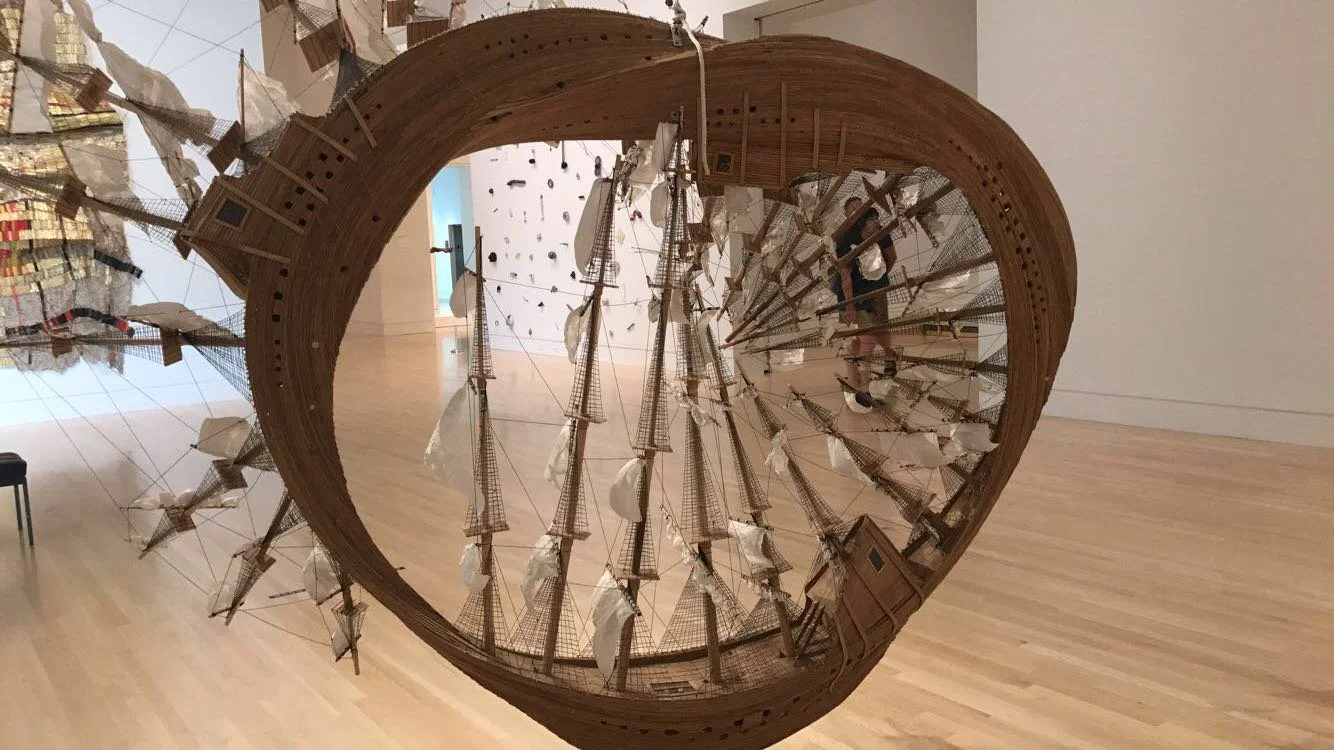
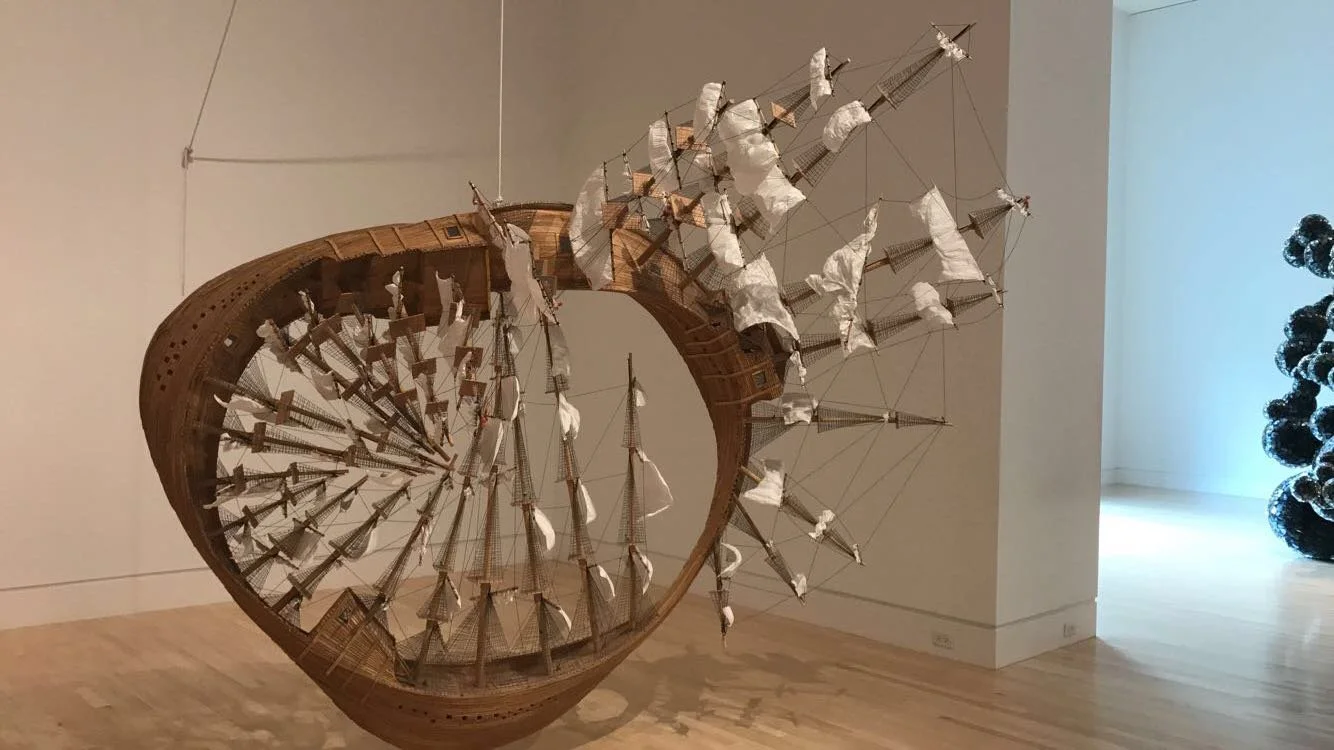
Next up was one of the most impressively intricate pieces punnily entiteld Möbius Ship by Tim Hawkinson which features, as the name implies, a model ship that the artist painstakingly assembled out of twist ties, craft wood, staples, and packing material into the the form of a Mobius strip twisting around itself in improbable ways before making a full circle. The craftsmanship and attention to detail all in the service of what is essentially a big joke really took my breath away.
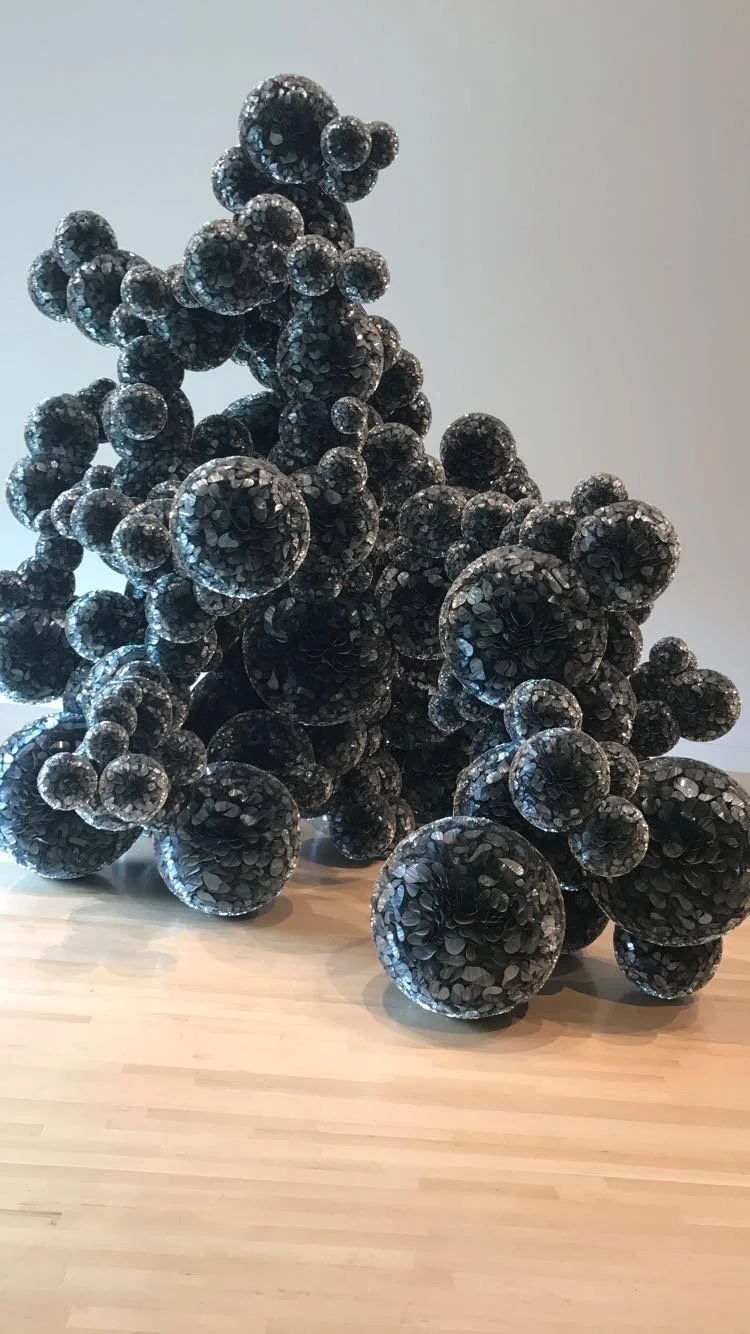
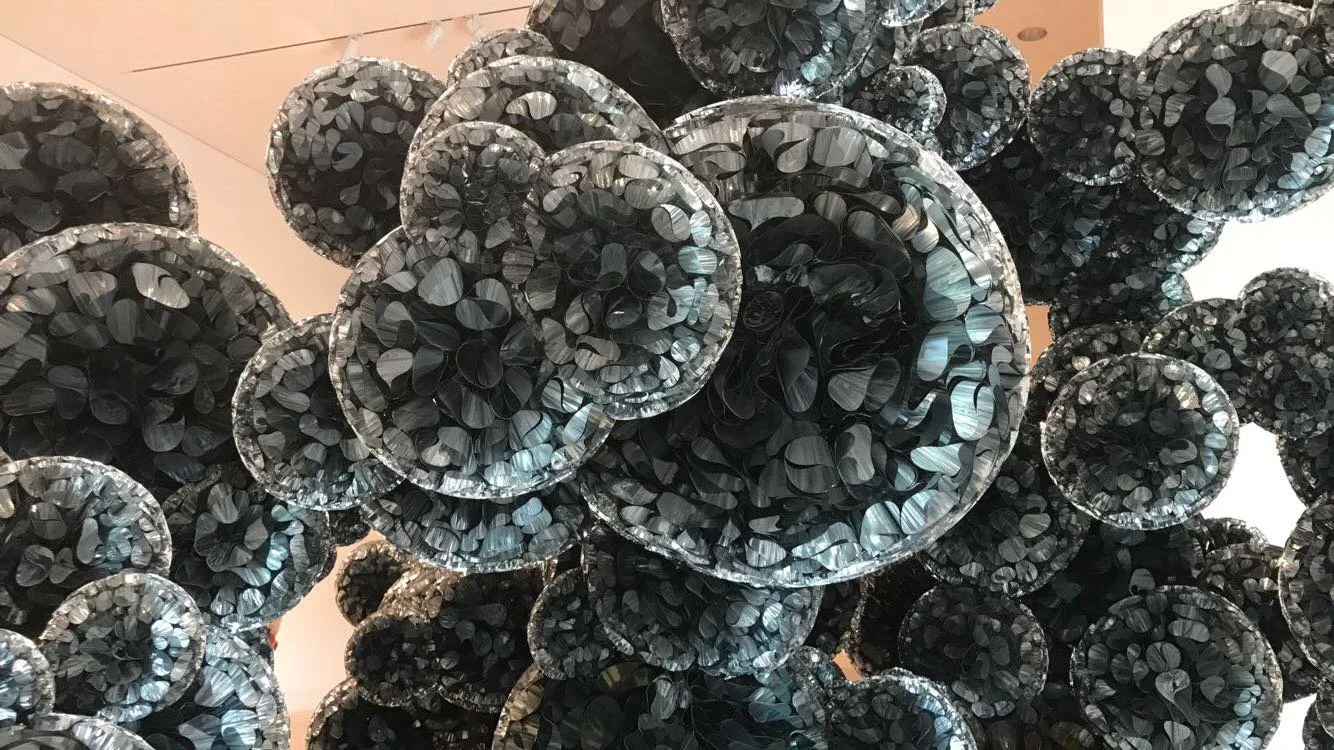
Next up was in impressively large abstract sculupture by Tara Donovan which is notable for its ununusal construction. The whole piece is entirely made out of thin strips of Mylar (the same material used in Grocery store birthday balloons) which the artist and her studio assistants folded into little cones and then those cones were glued together into the pherical forms that make up the sculpture whose amorphous form calls to mind molecular structures and also constellations of interstellar bodies. I don’t know necessarily if the piece “means” anything, but the wow factor is undeniable.
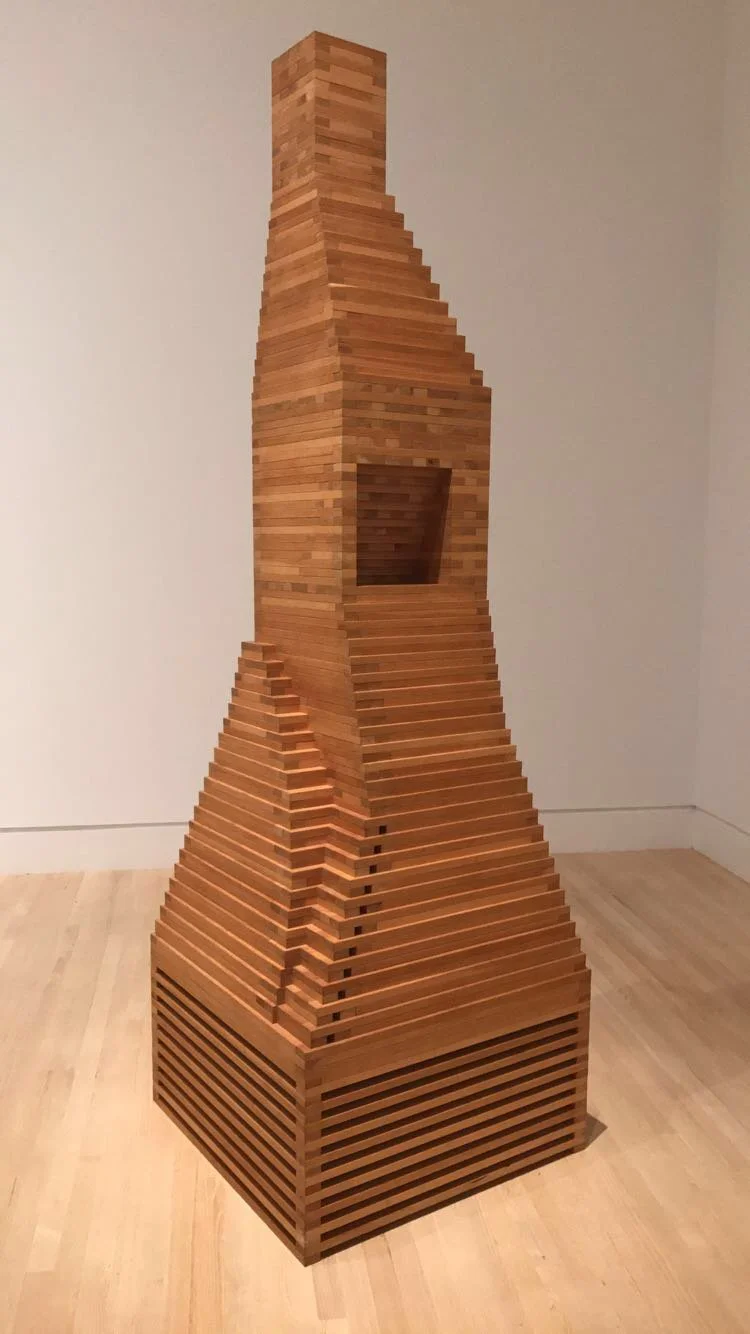
Up next were some contemporary wooden sculptures playing with the lines between art and architecture:
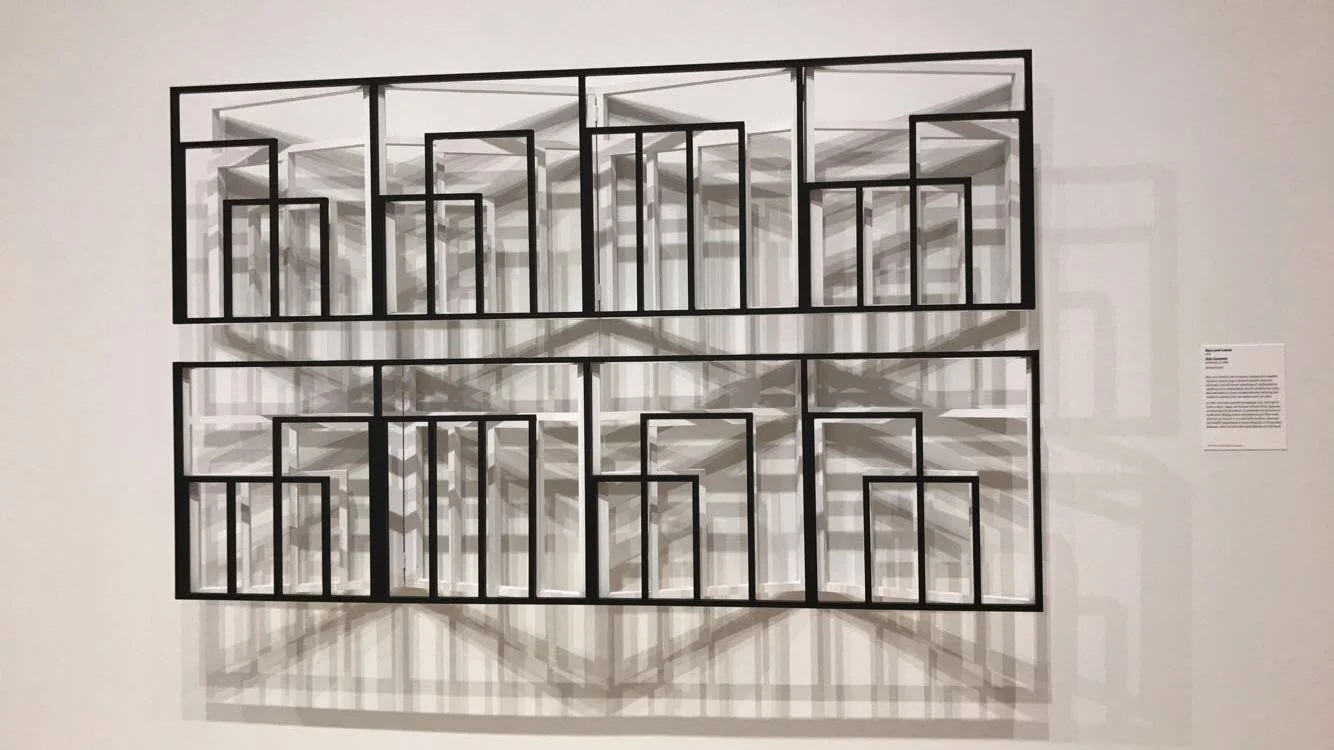
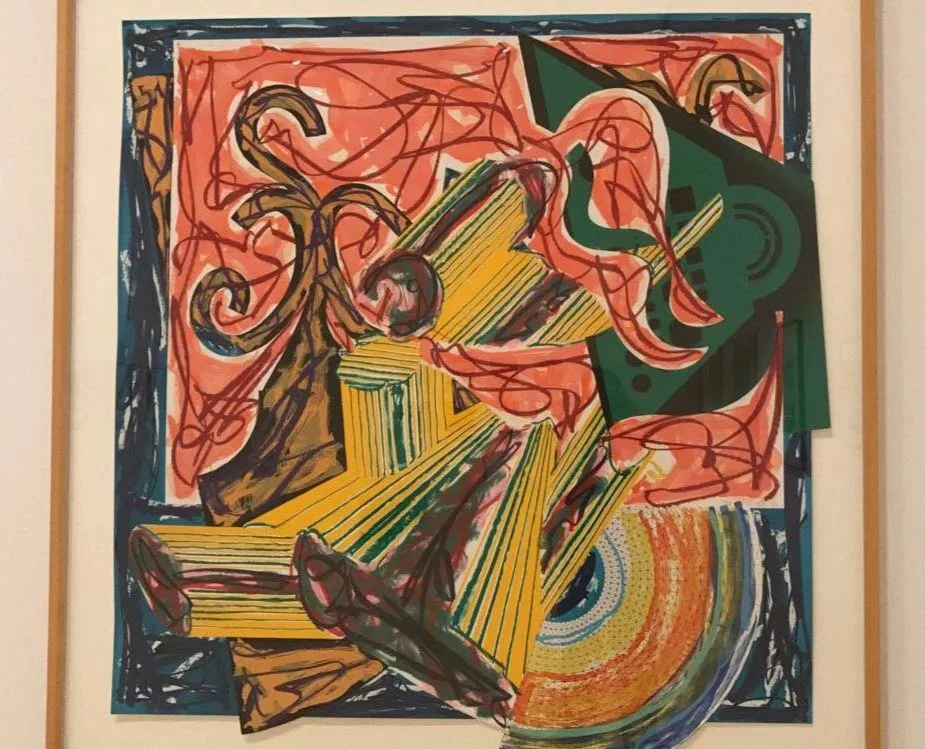
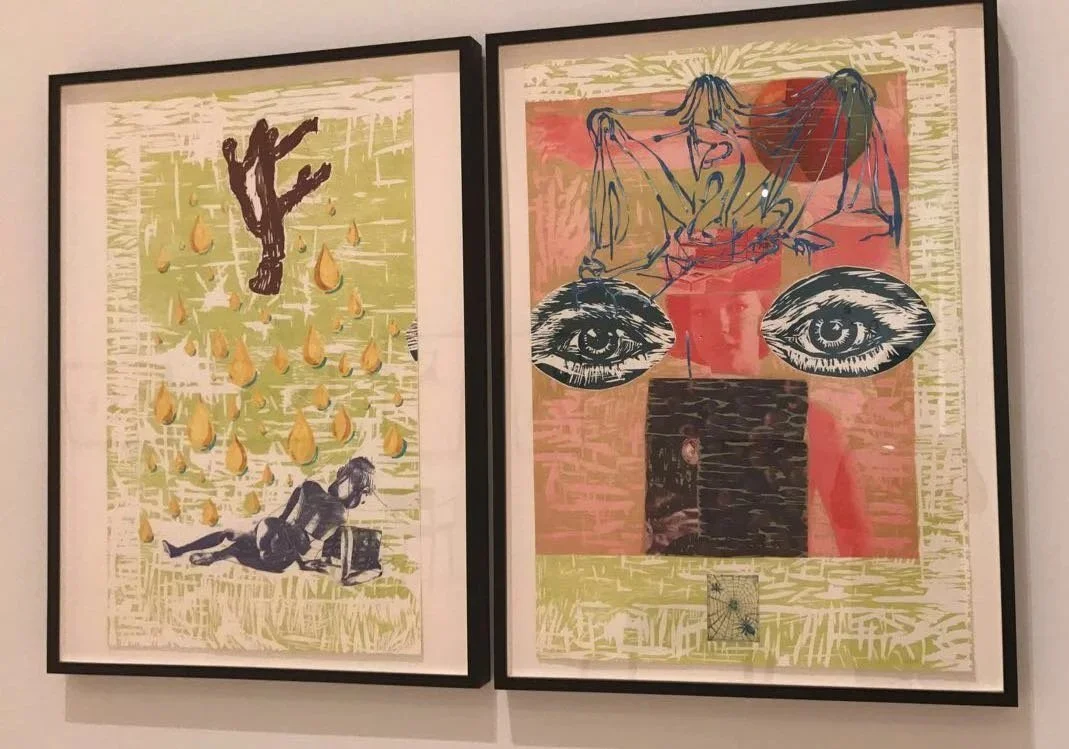
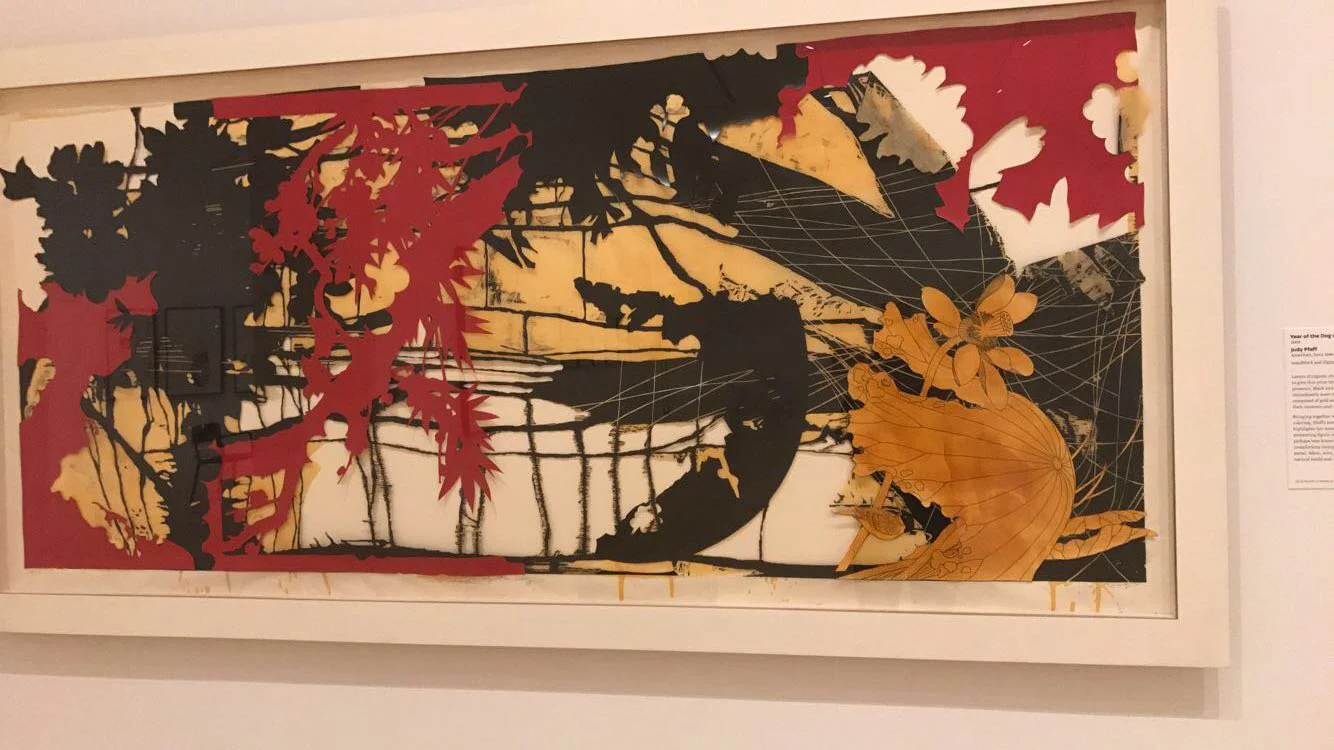
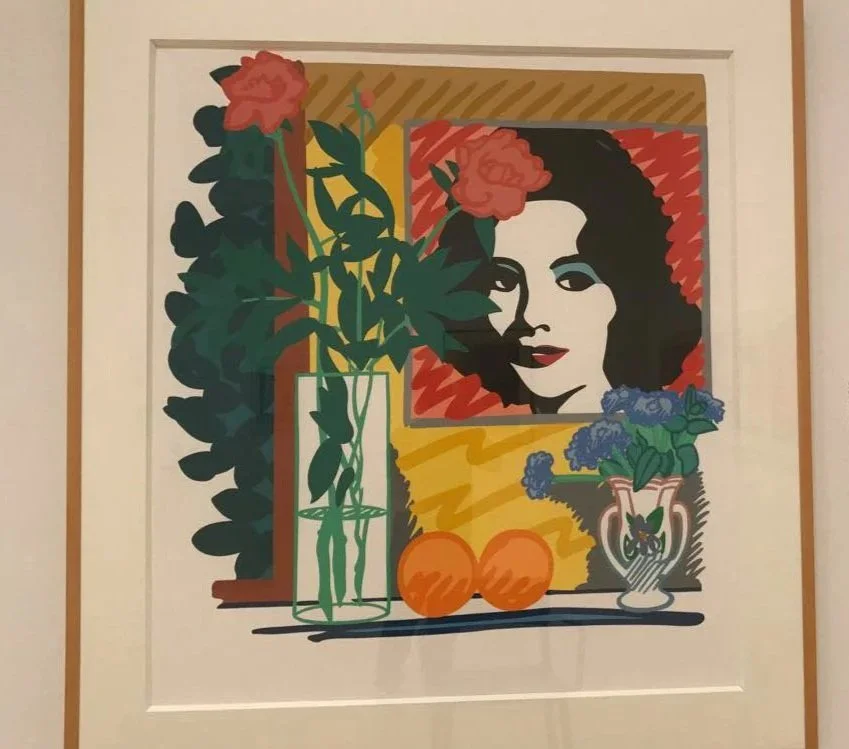
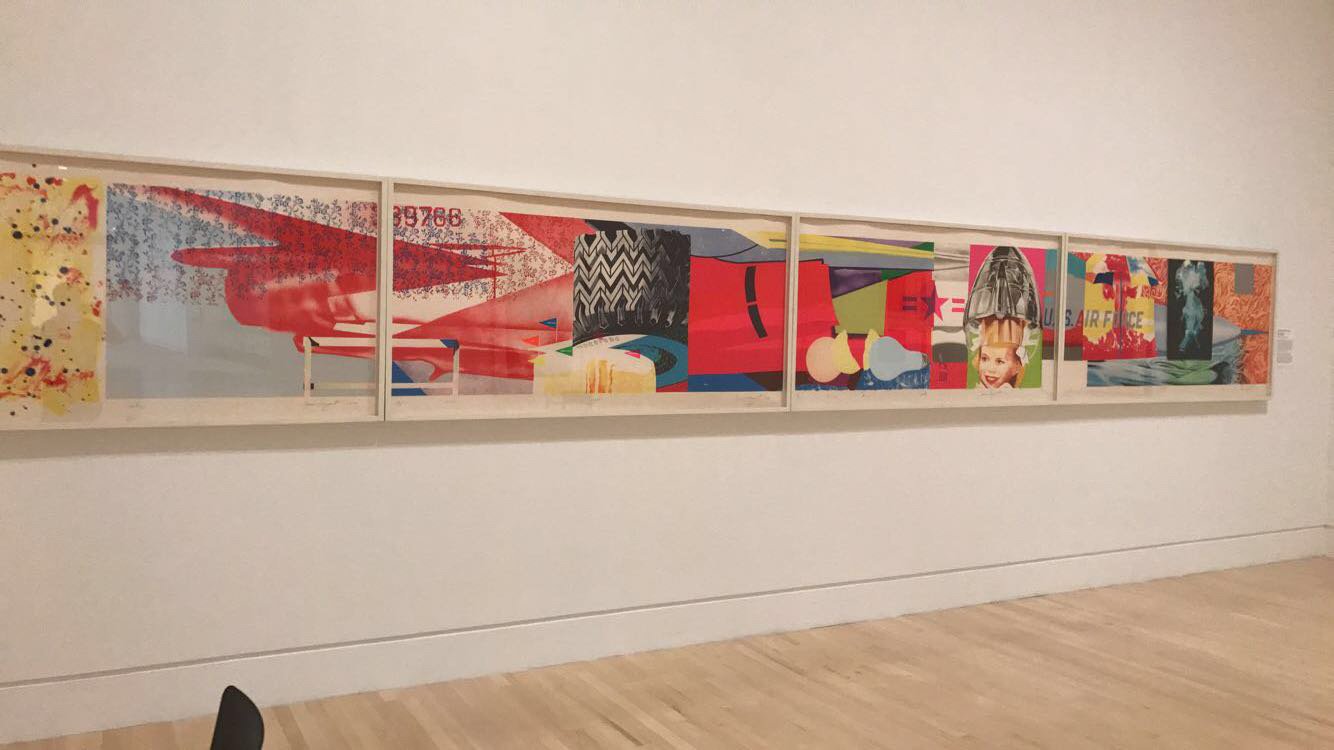
Next up were the main galleries of contemporary art including, prints, drawings, and paintings that featured lots of bold colors and forms that at times referenced, played with, or pushed against the art traditions that came before:
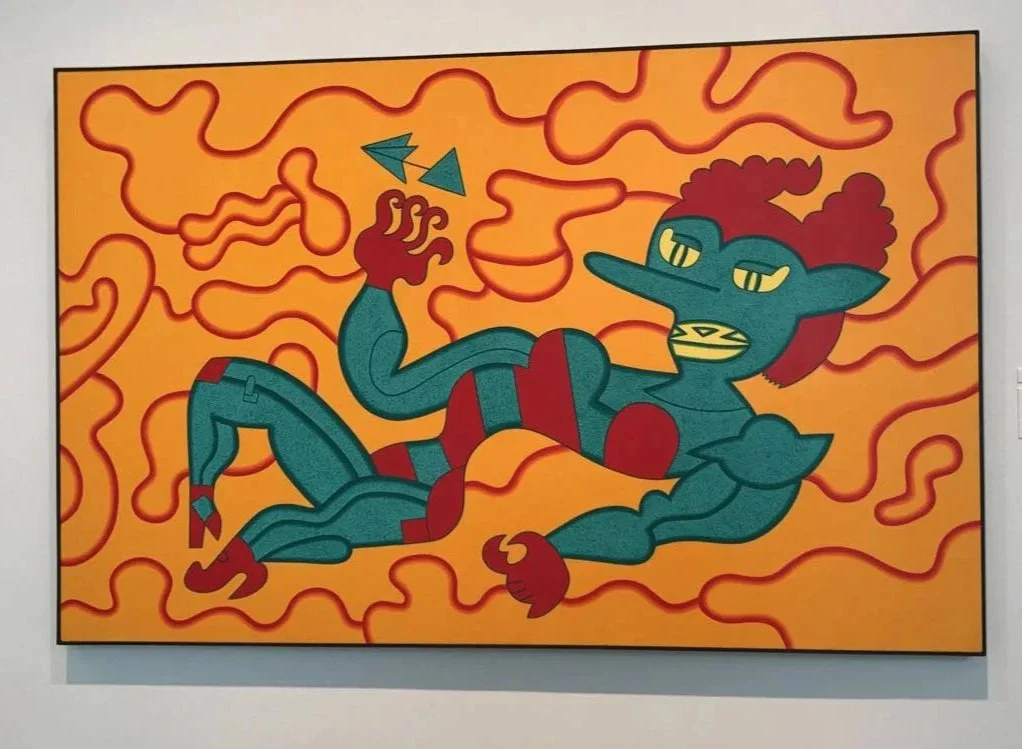
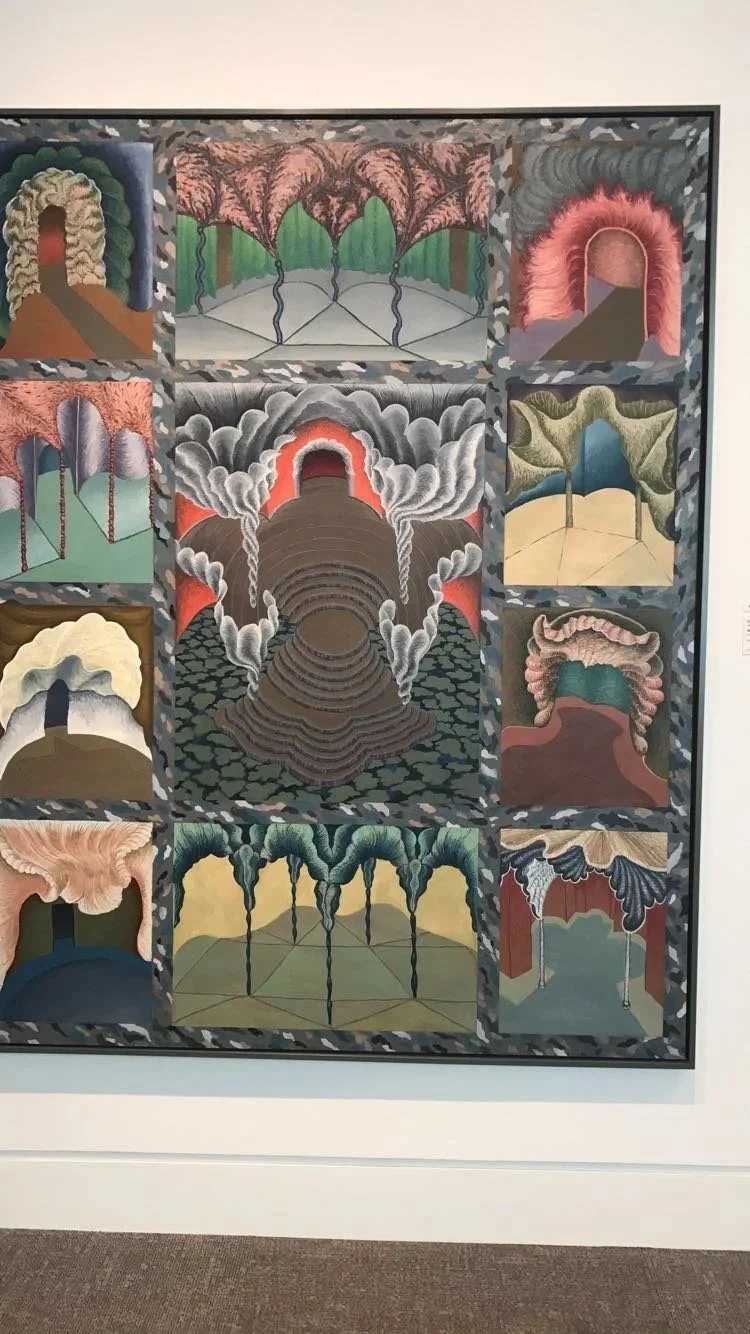
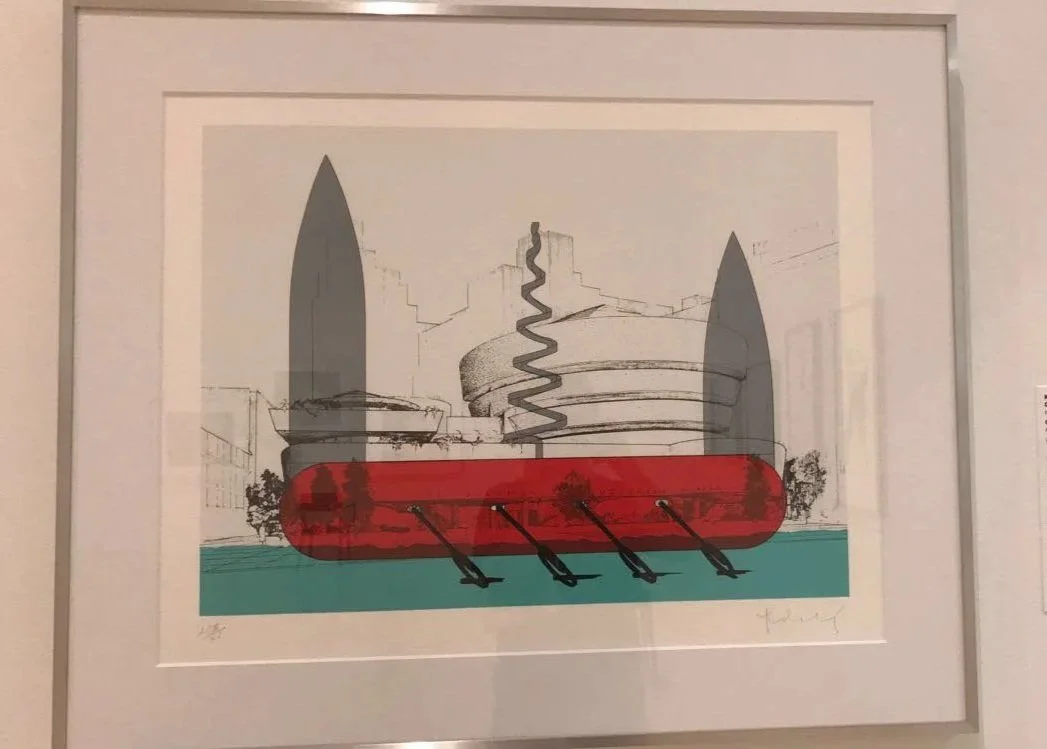
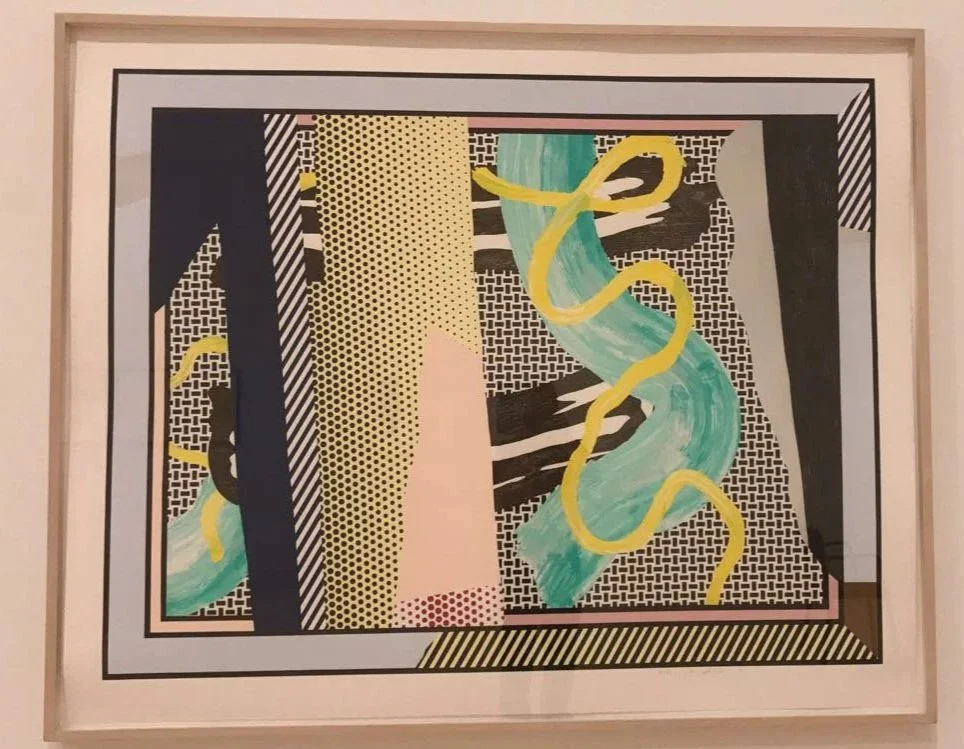
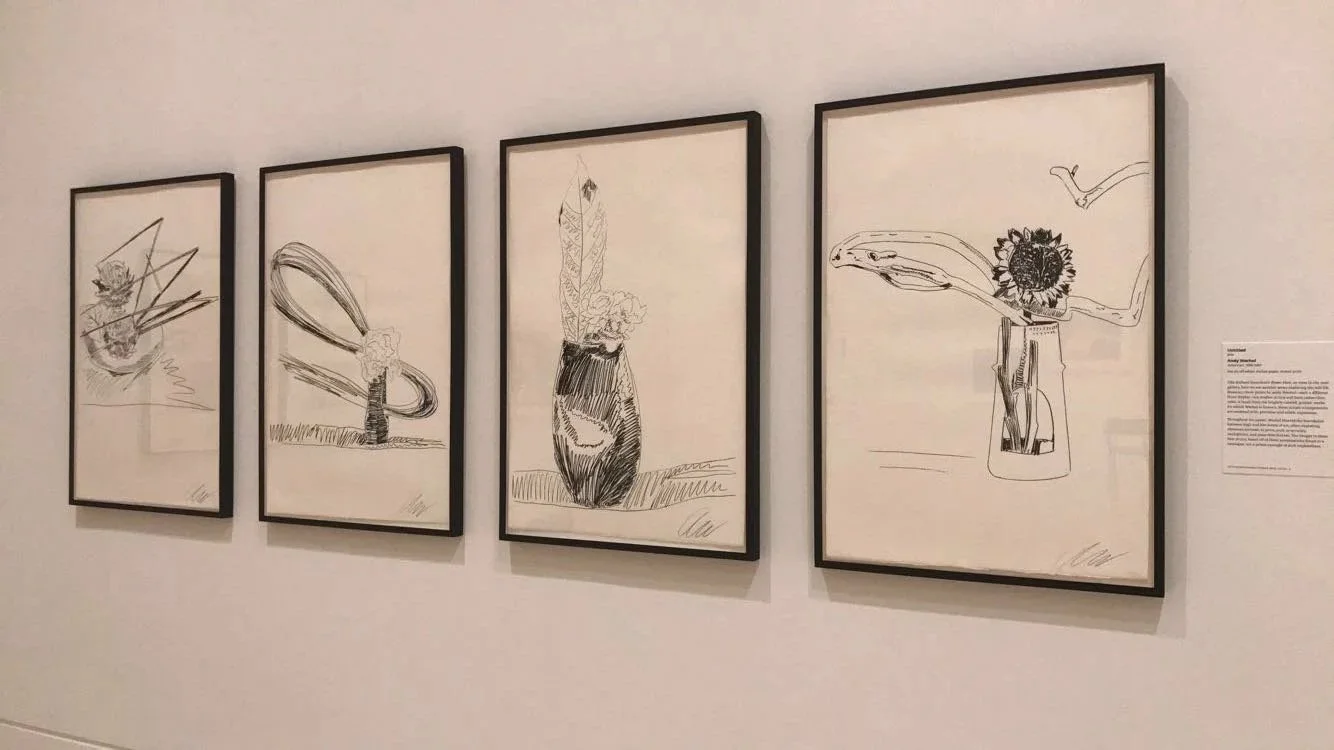
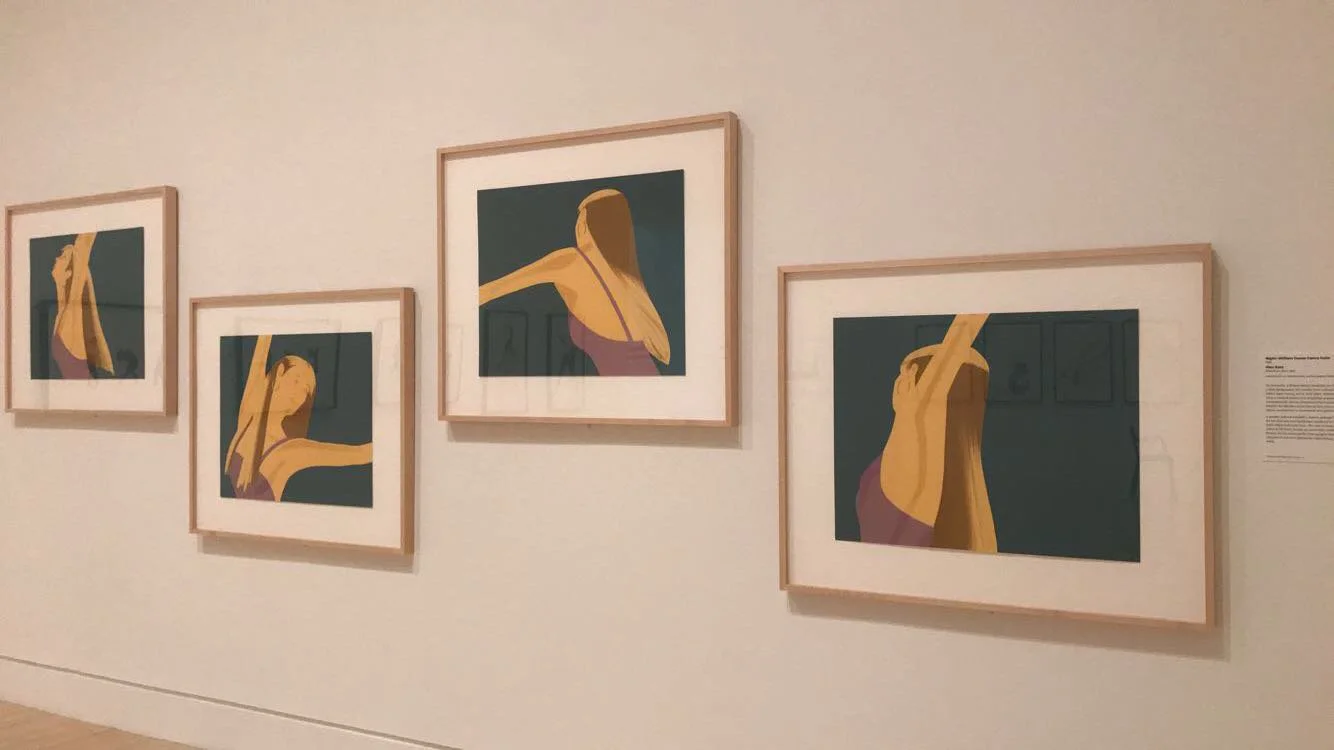
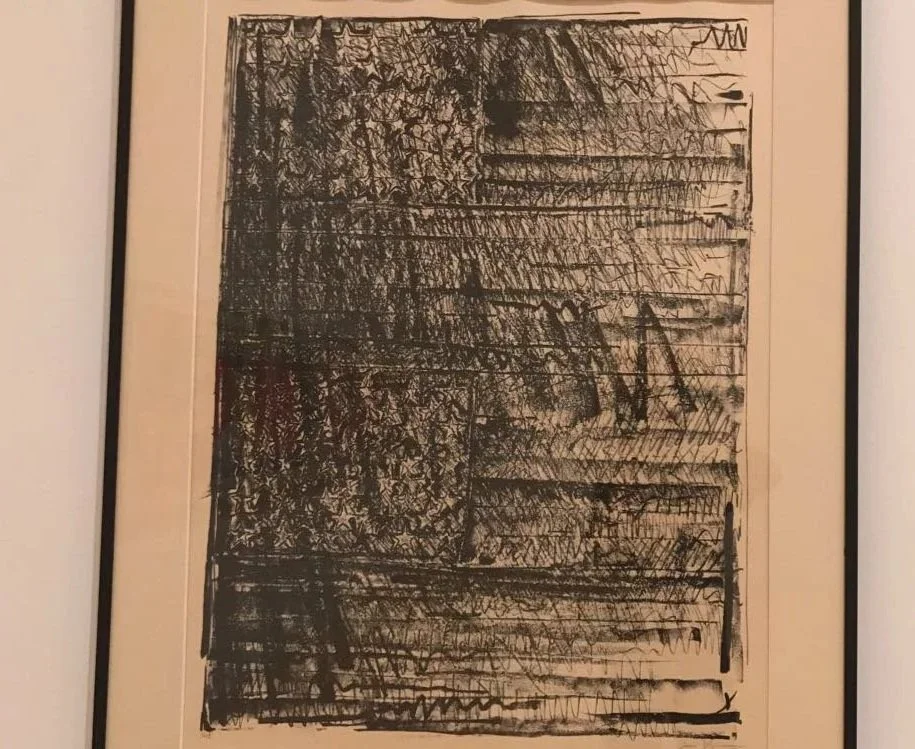
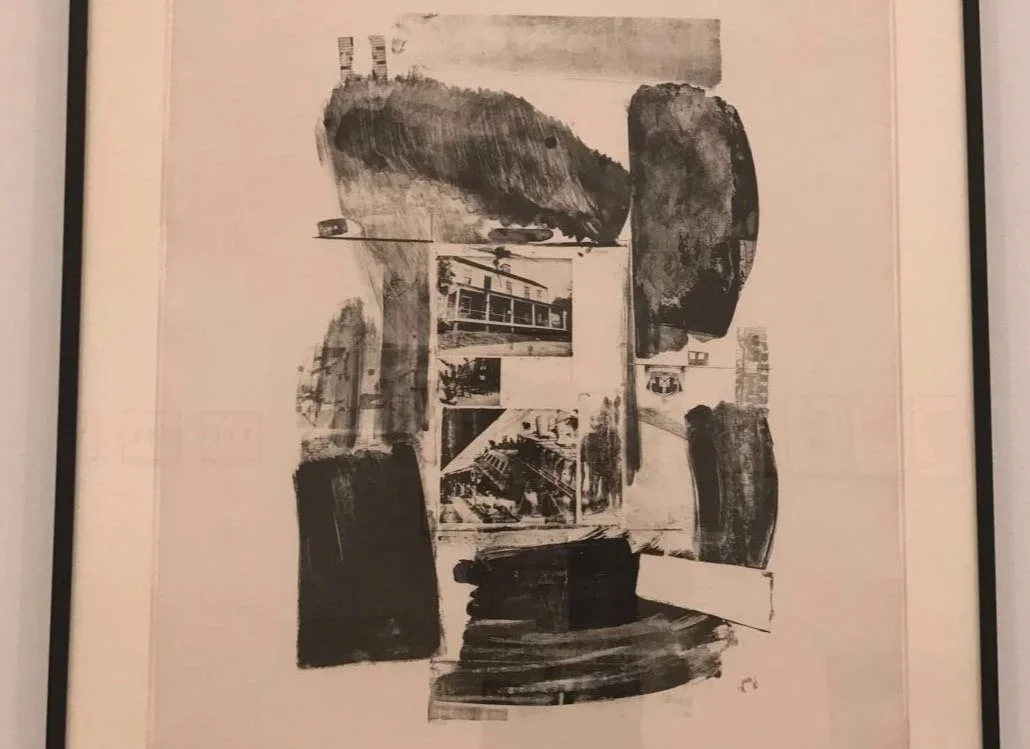
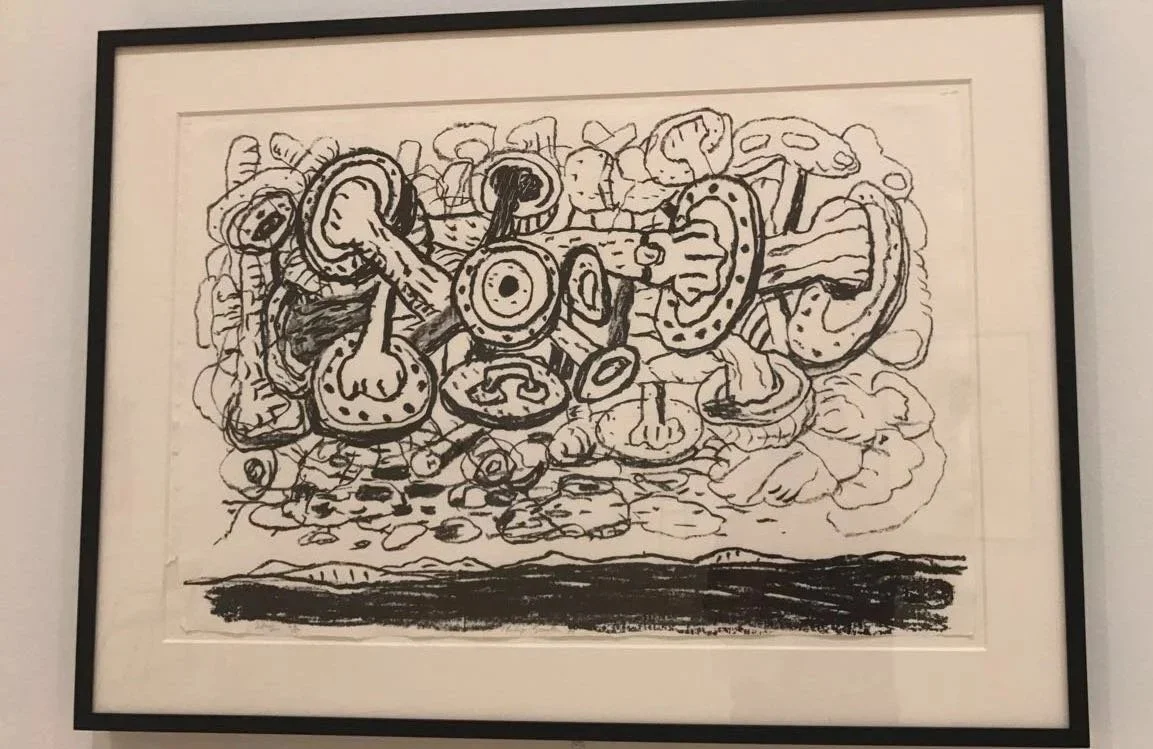
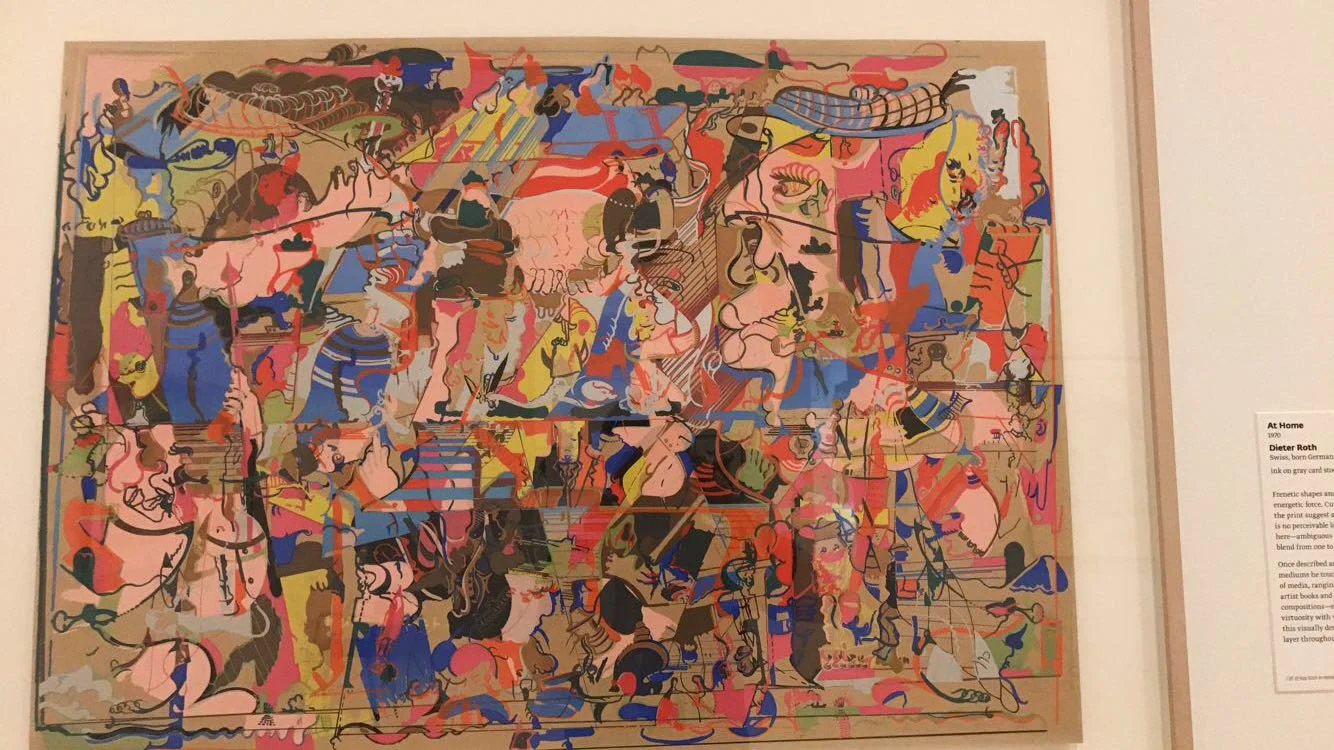
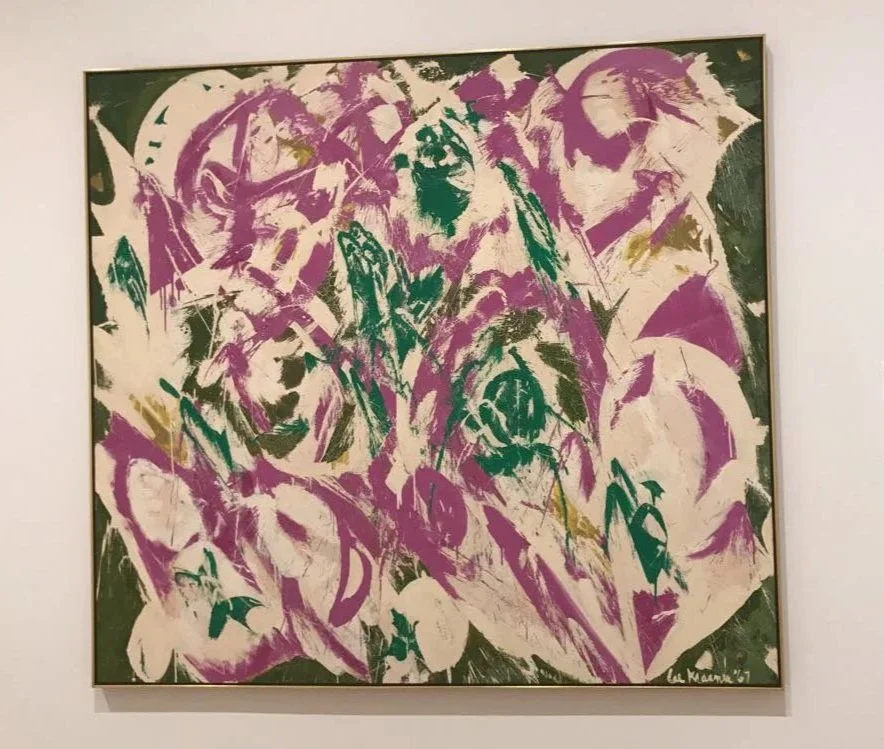
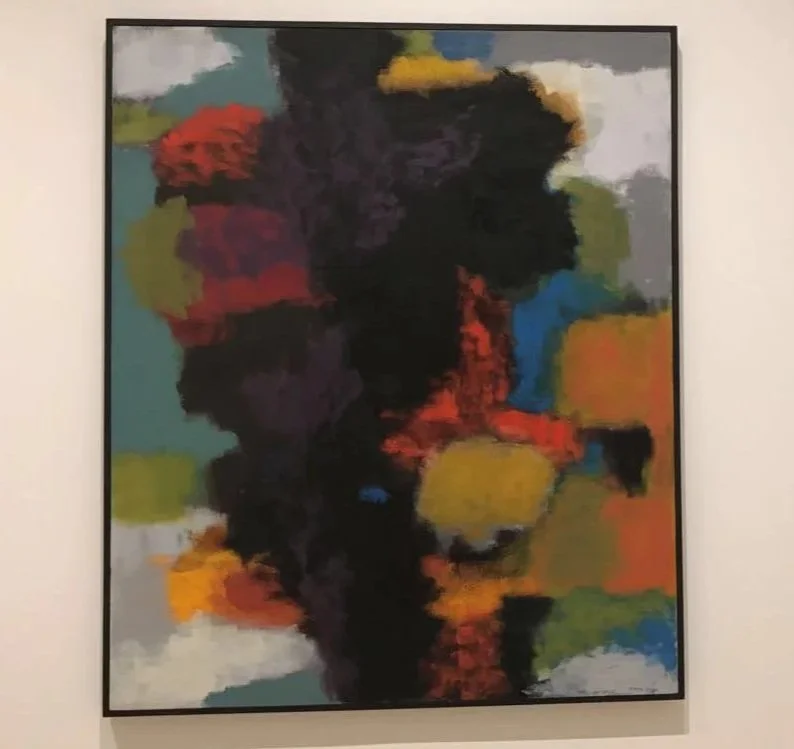
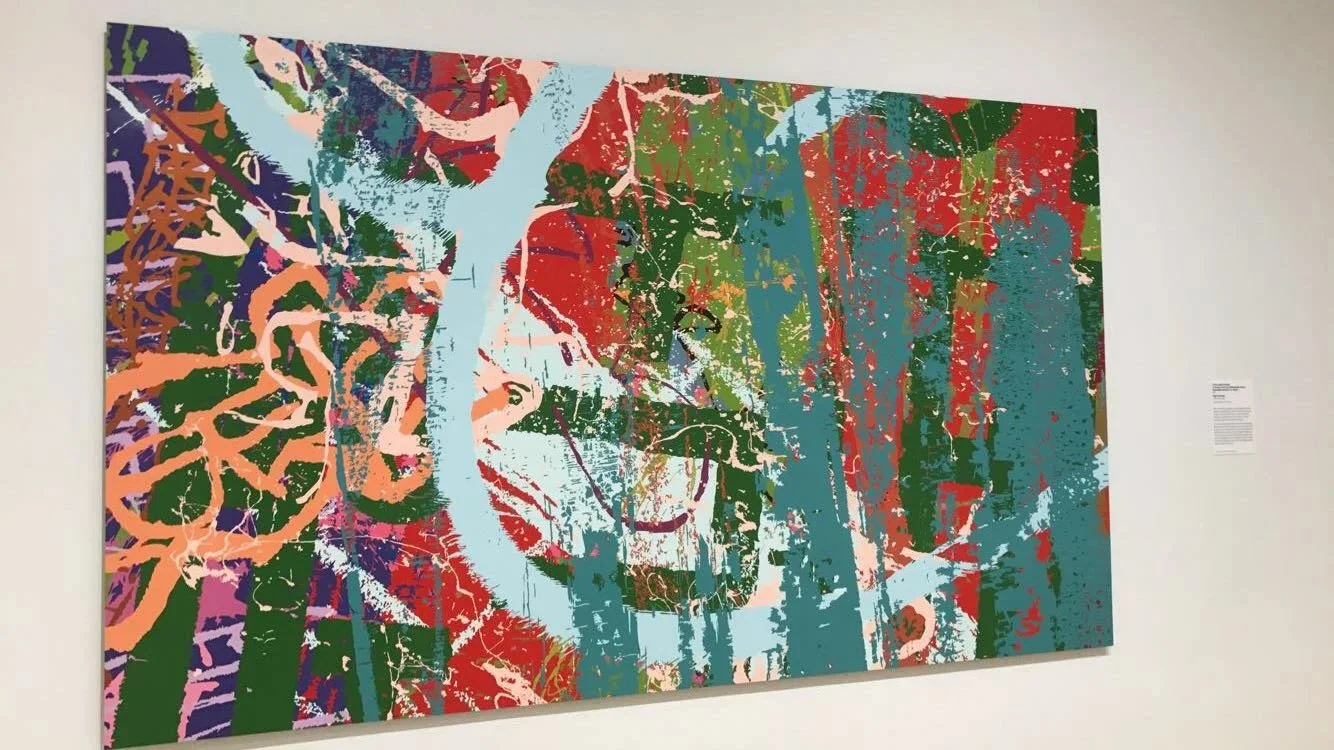
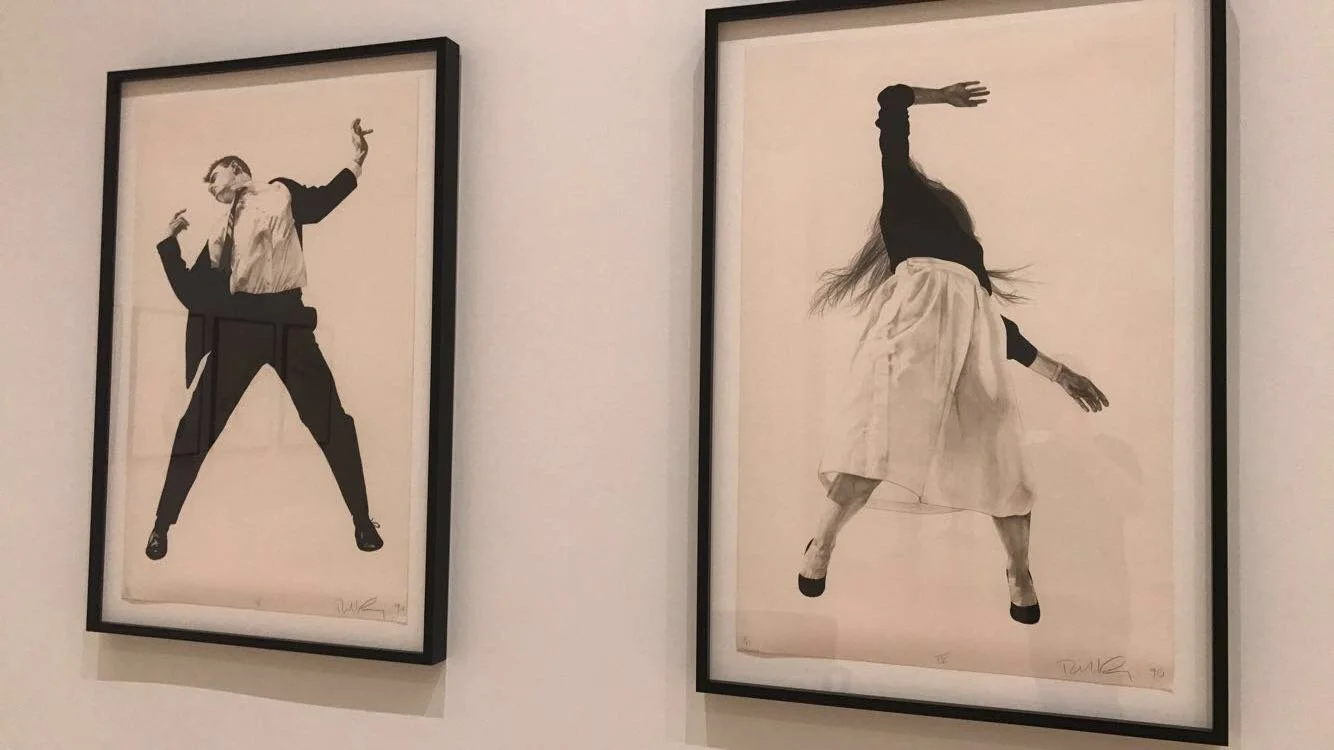
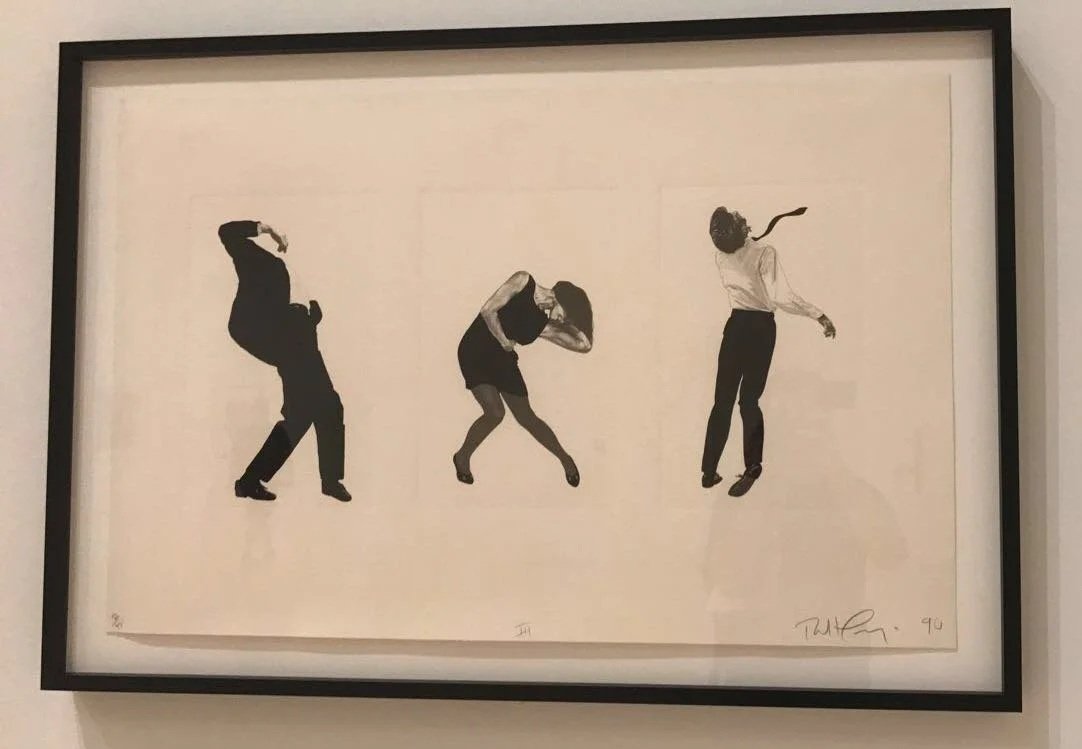
Up next was some minimalist abstraction. I really liked the pieces below but this is a genre of art that I feel like is one of the most divisive with some people finding it very evocative and some people getting really pissed off at the “simplicity”.
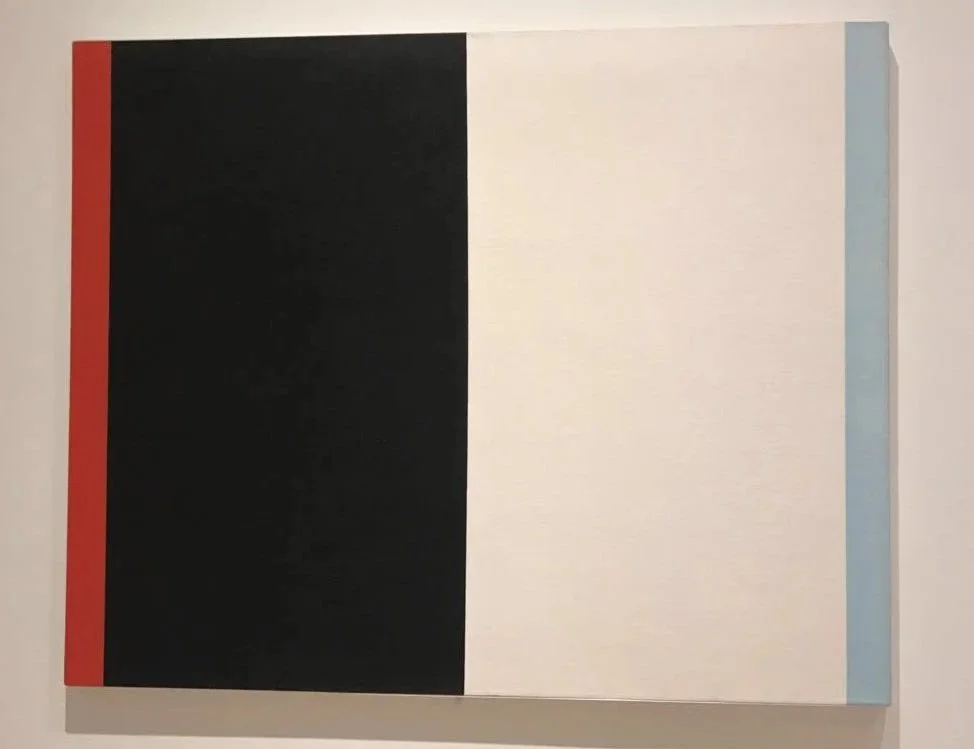
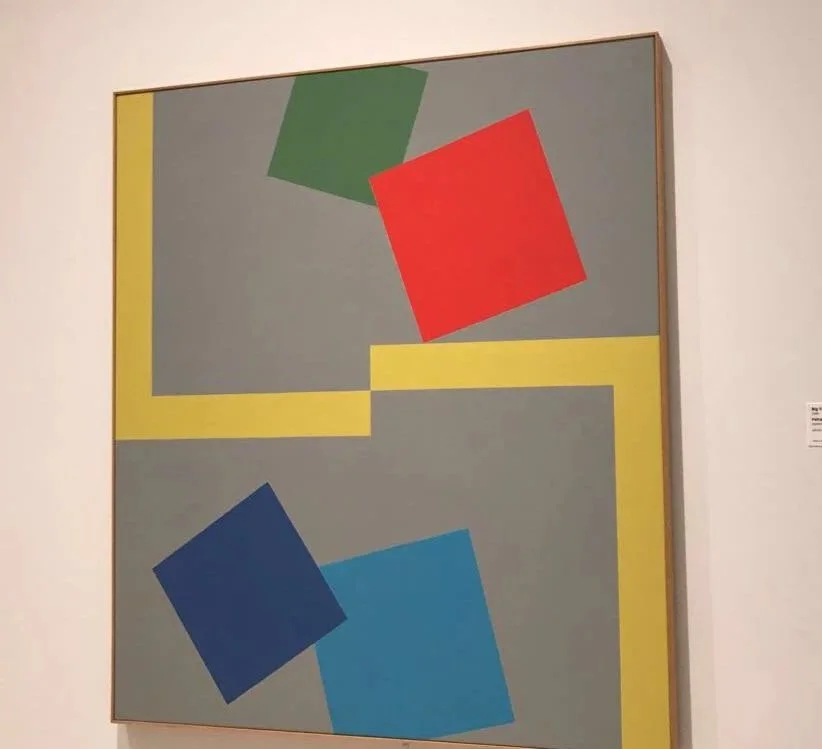
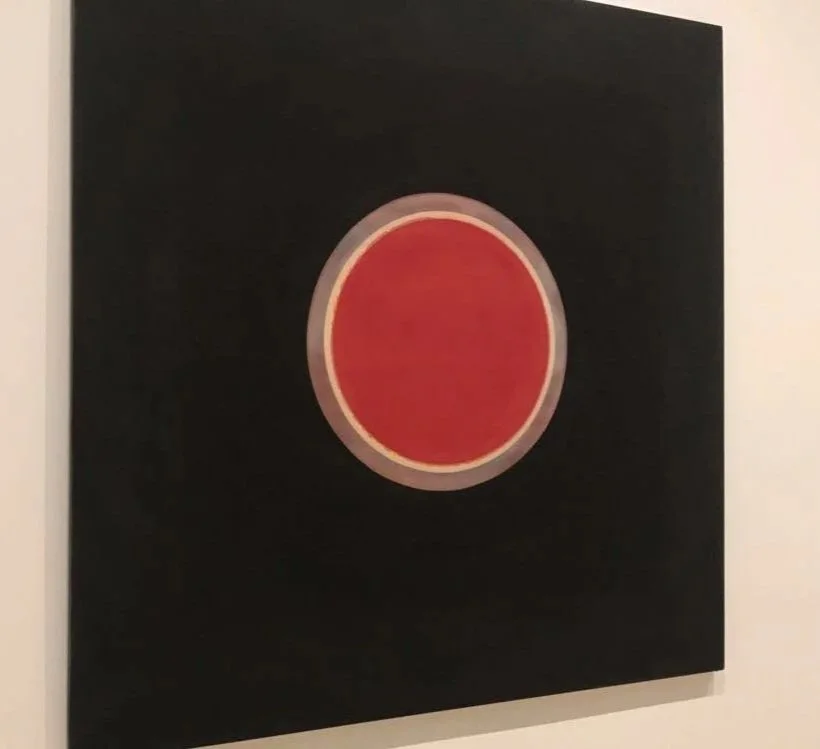
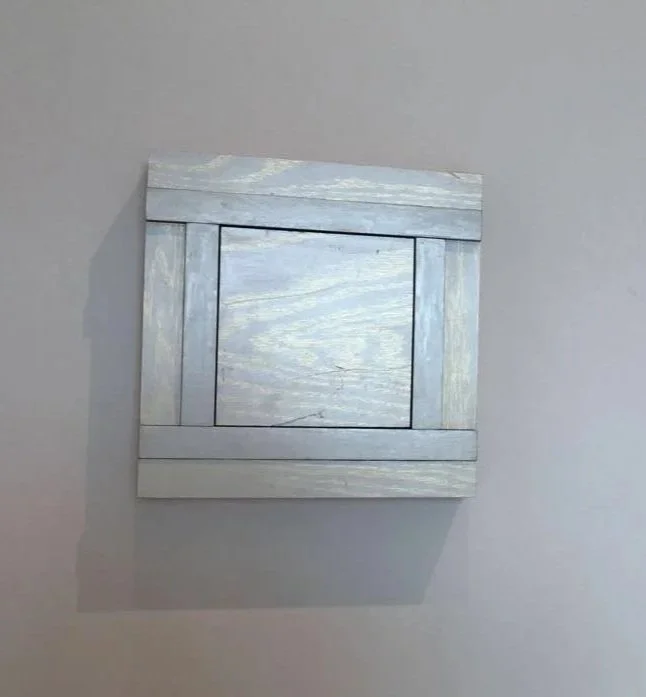
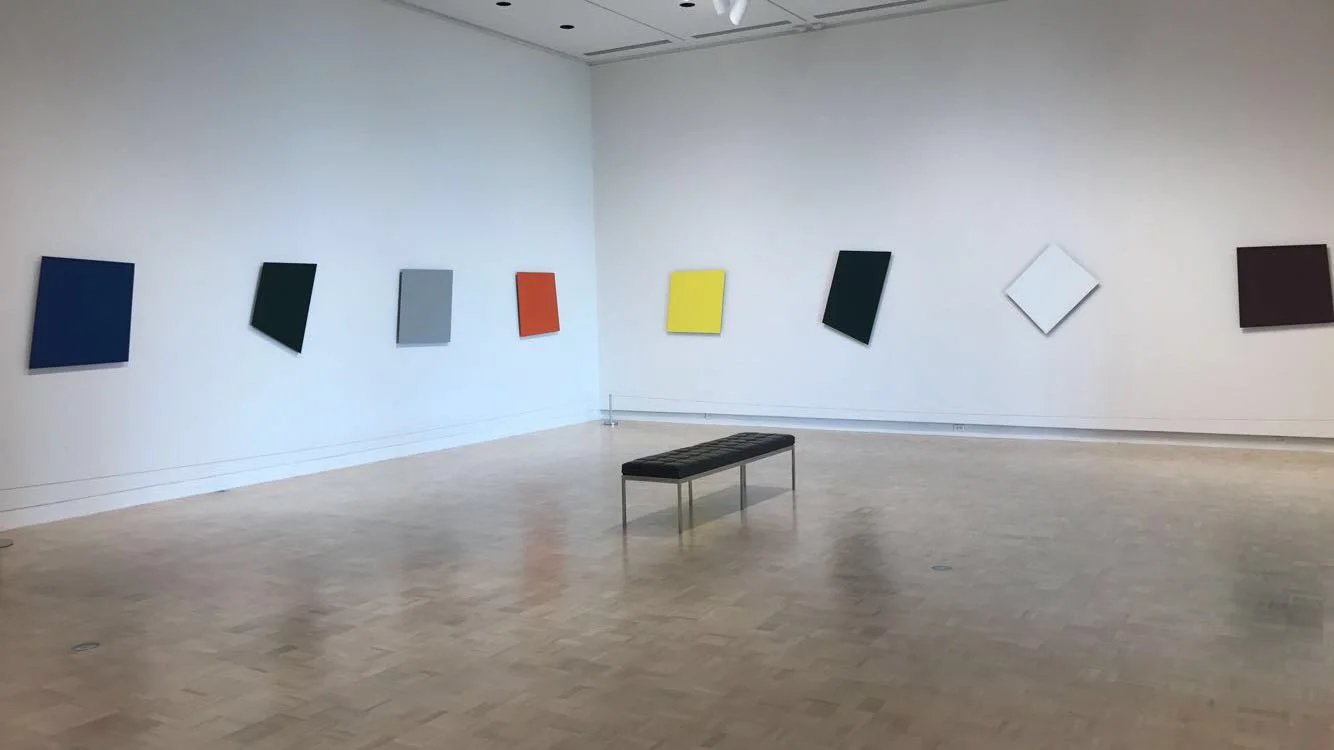
The coup de grâce of the abstract minimalism was a room featuring 11 alluminum wall panels by Ellsworth Kelly. While each monochromatic panel seemed perfectly simple, the process of recreating the non-traditional shapes from the artist’s drawings into metalic panels without warping the metal was actually a paintstakingly exact process. Each panel on it’s own might seem a little basic, but taken together the play on colors and shapes creat a fun sense of motion as you walk around the room, really breaking art into its elemental forms.
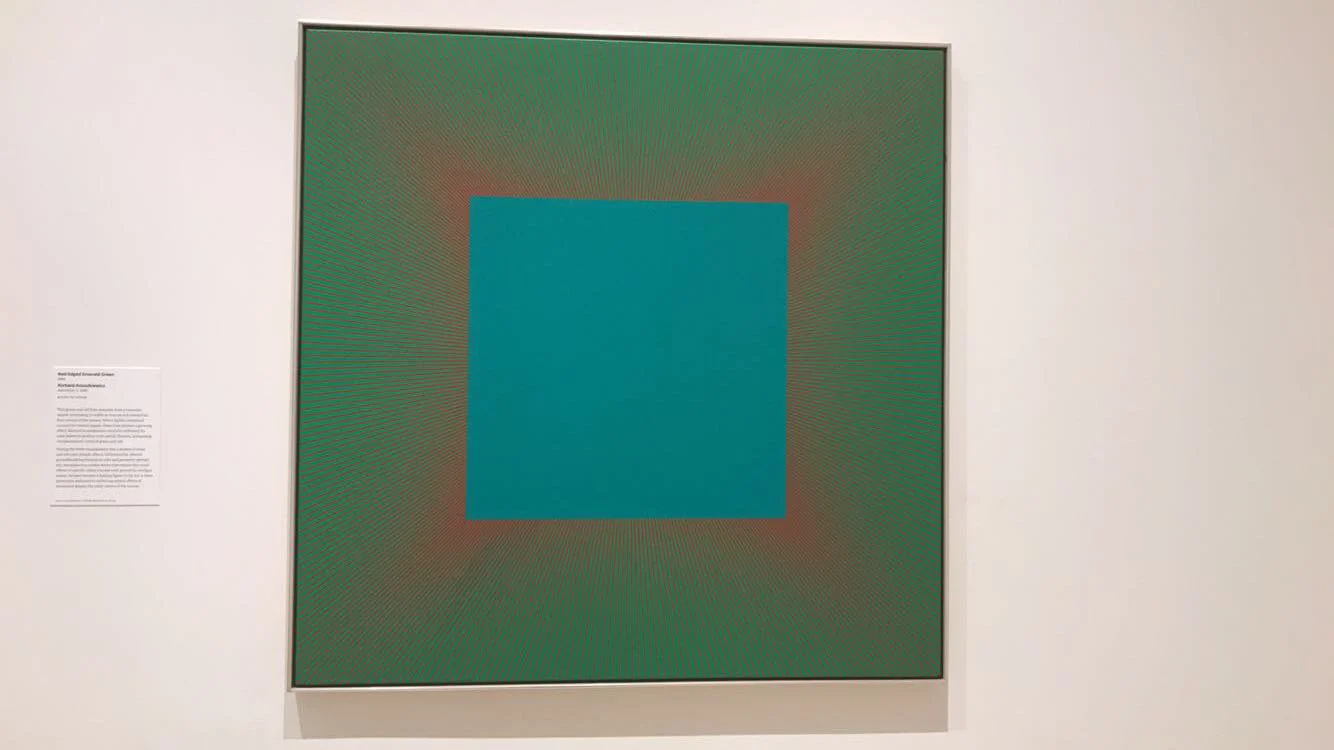
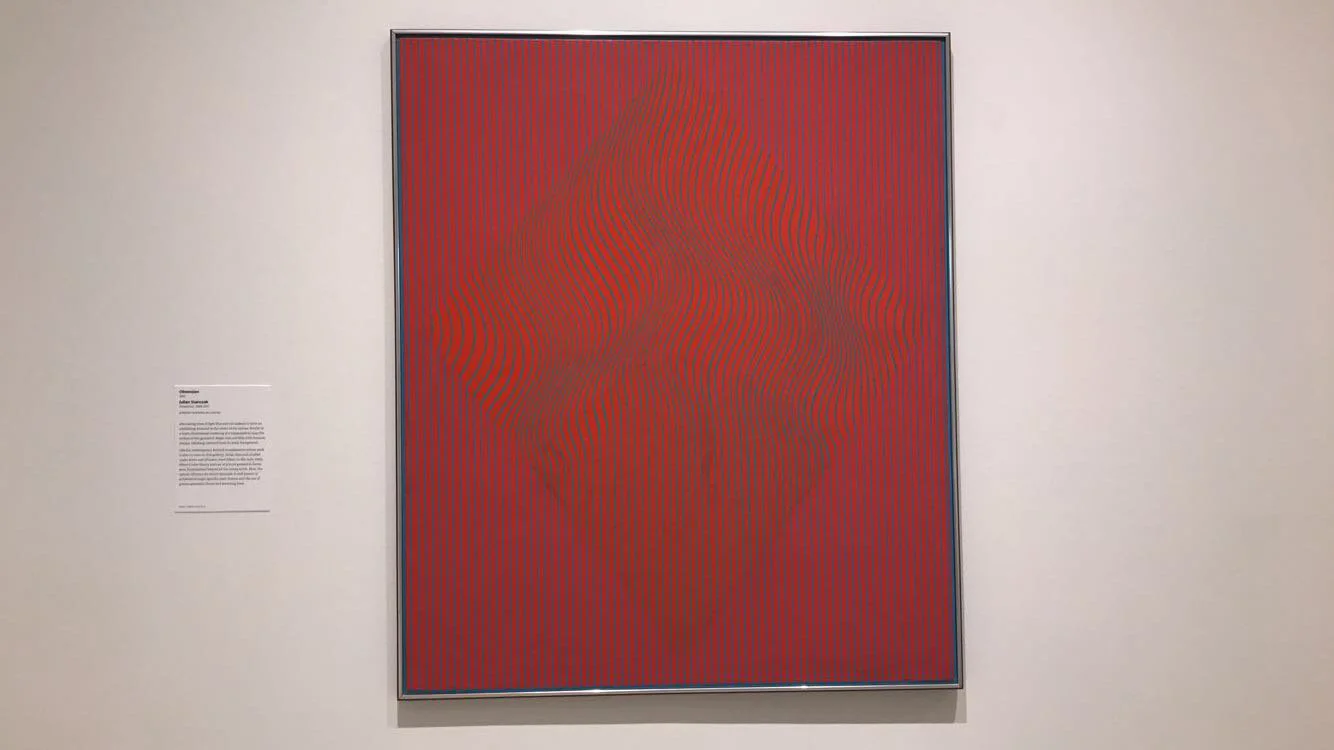
The next gallery featured a series of pieces of Op-Art that created an dizzying effect as the lines and colors appear to dance before your eyes.

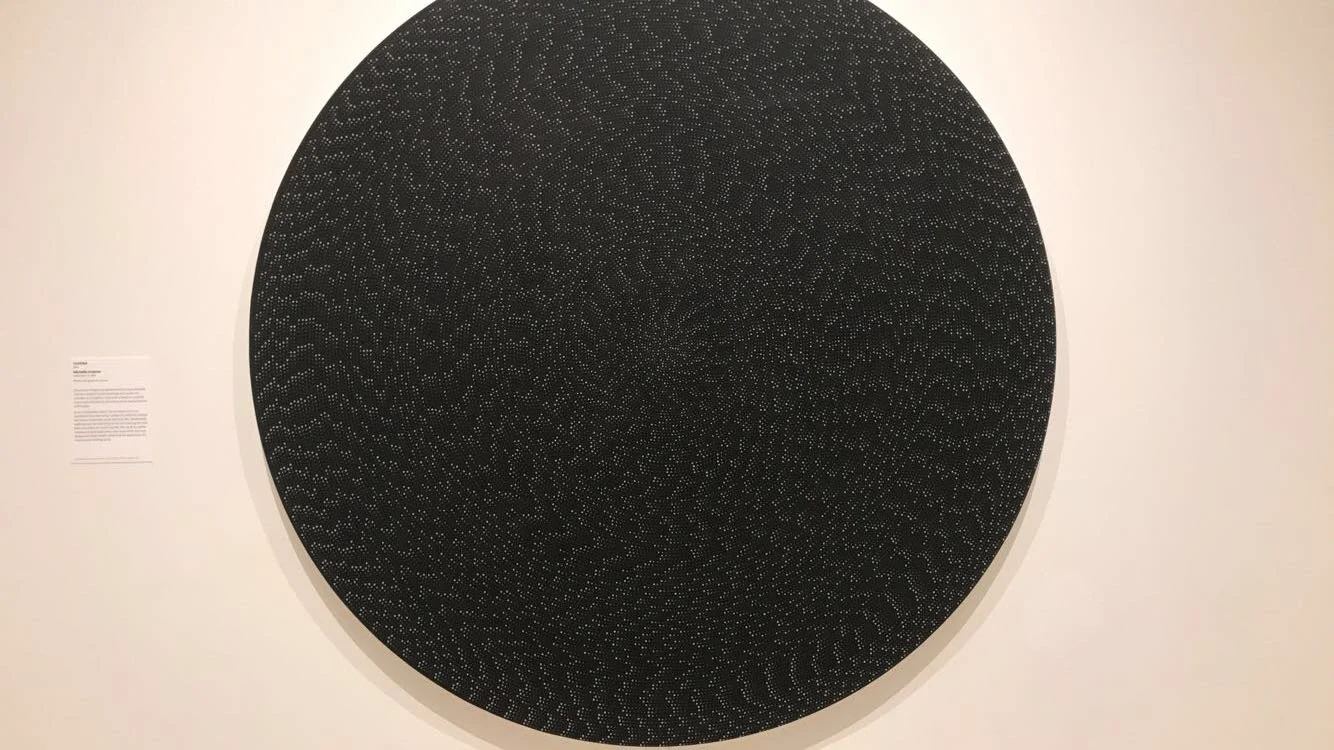
Moving away from two-dimensions, the next room featured funky contemporary sculptures, that were both maximalist and minimalist taking simple forms and blowing them up to tremendous proportions.
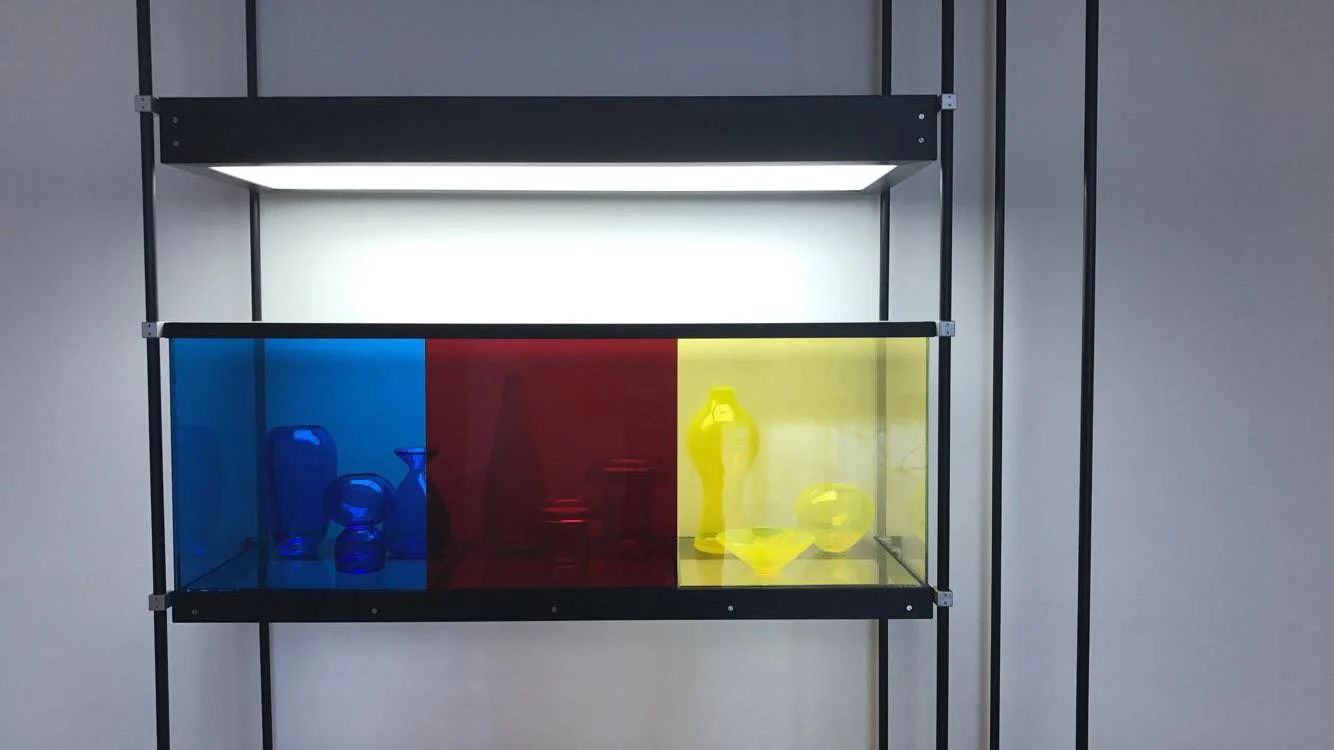
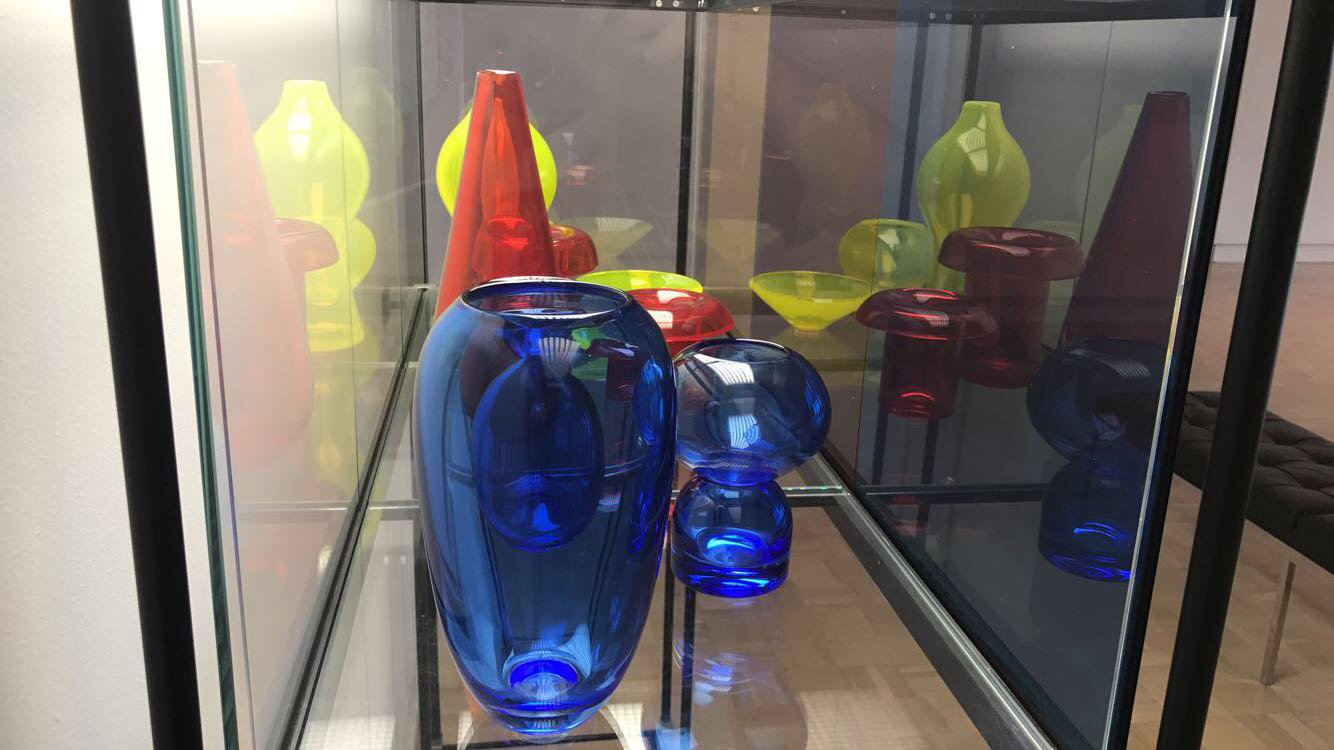
Capping off the sculptural pieces, there was a neat work of sleek minimalism called Chromatic Modernism by Josiah McElhenythat featured an array of incredible blown glass vessels behind a specially deisgned display case that played with the colors of the glass.
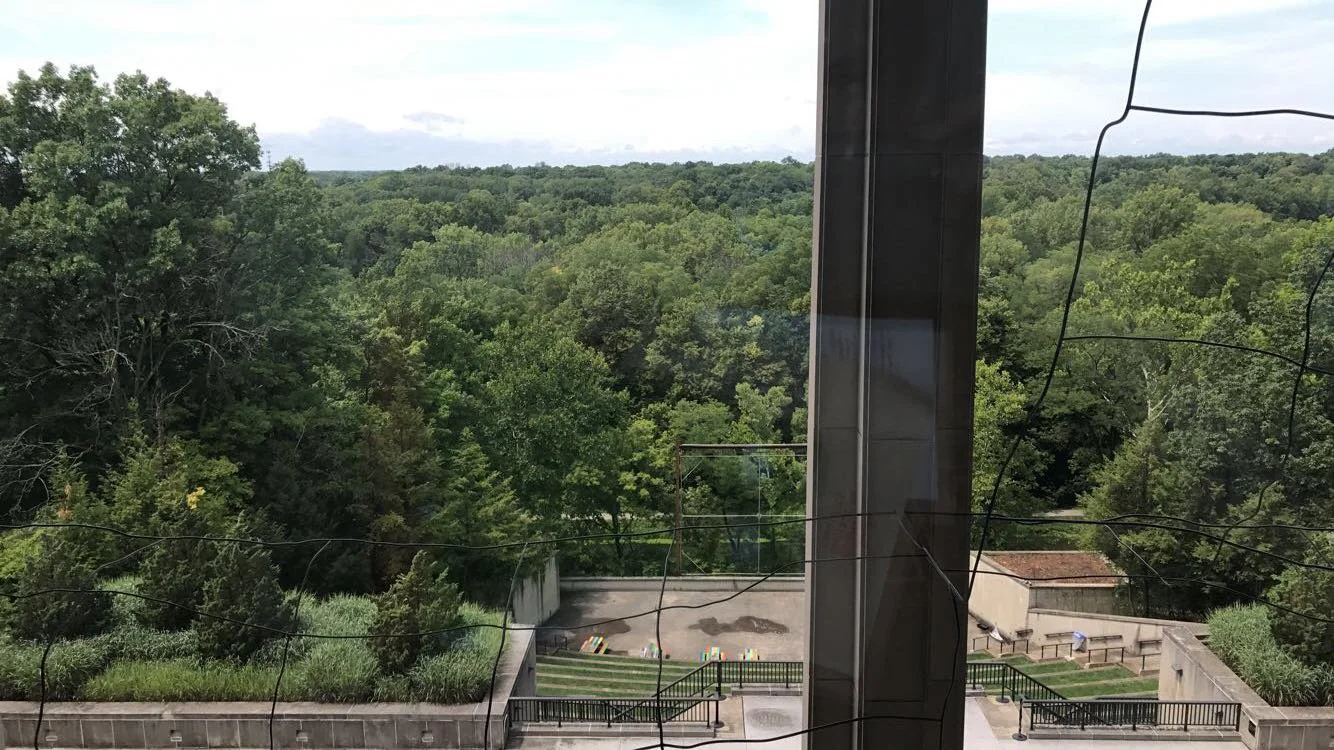
The view from outside the gallery was pretty spectacular as well:
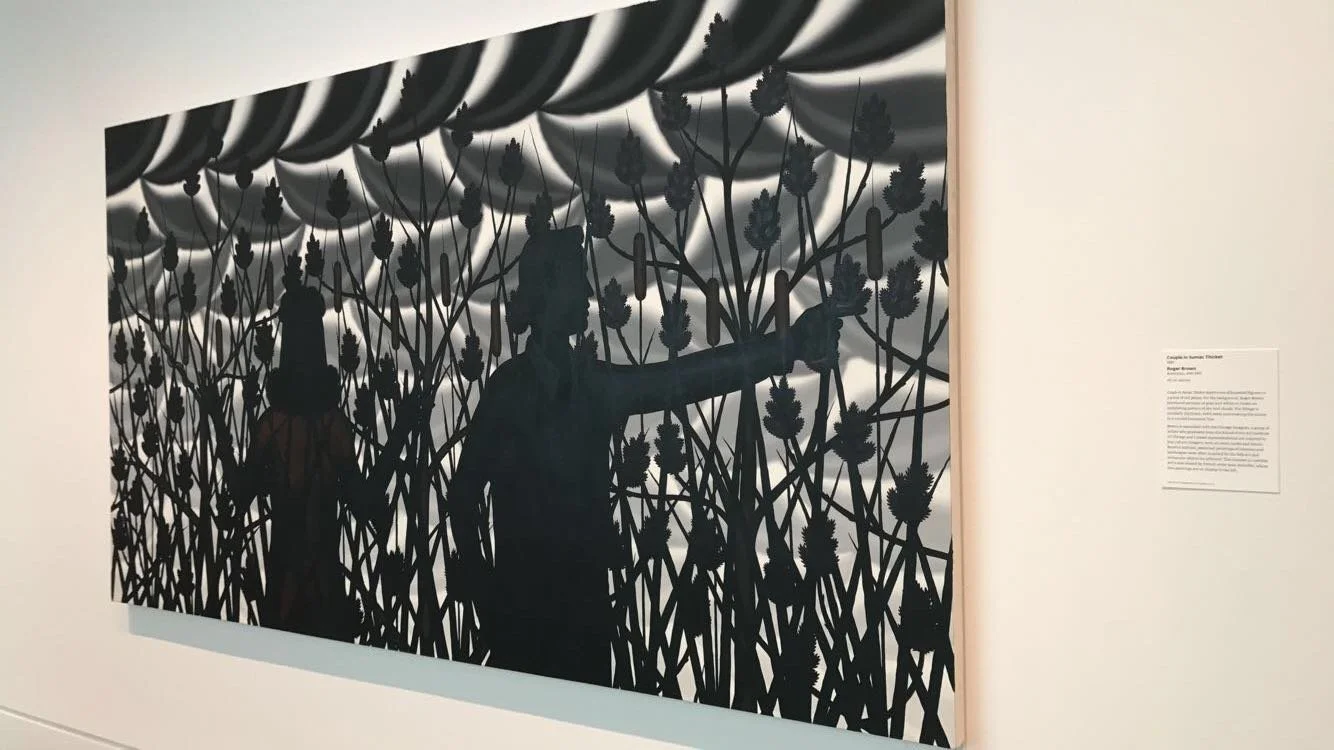
Leaving the contemporary wing, I was greeted by one more incredible painting, the dreamlike Couple in a Sumac Thicket by Roger Brown.
Importantly, as you walked between galleries, the museum hired an elite security detail to stand guard in the hallways:
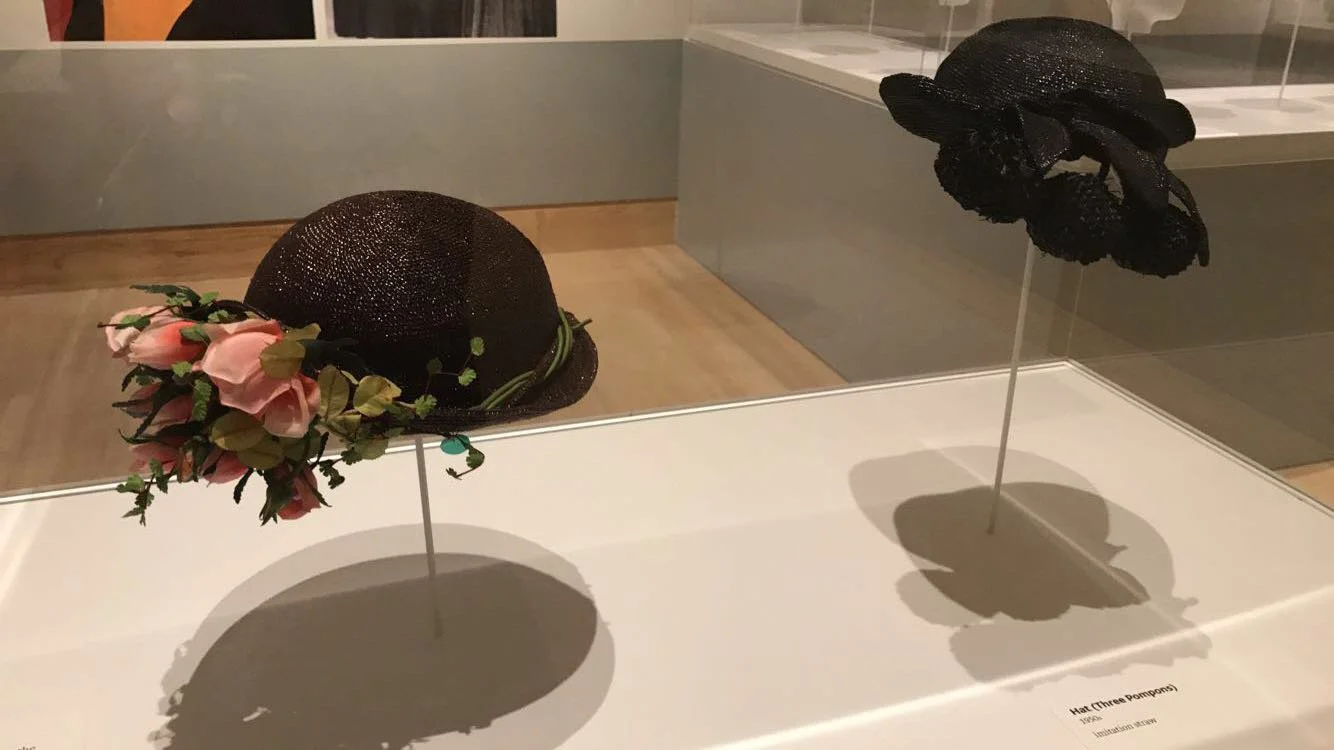
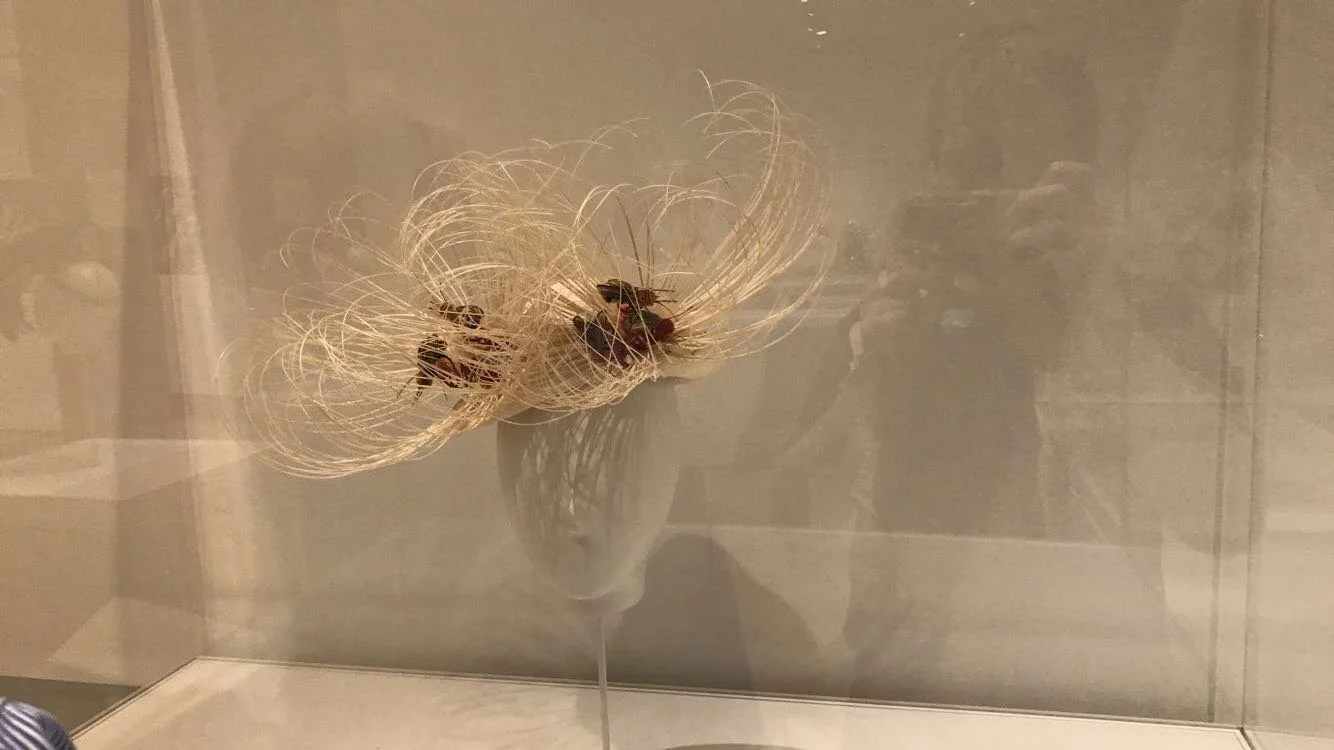
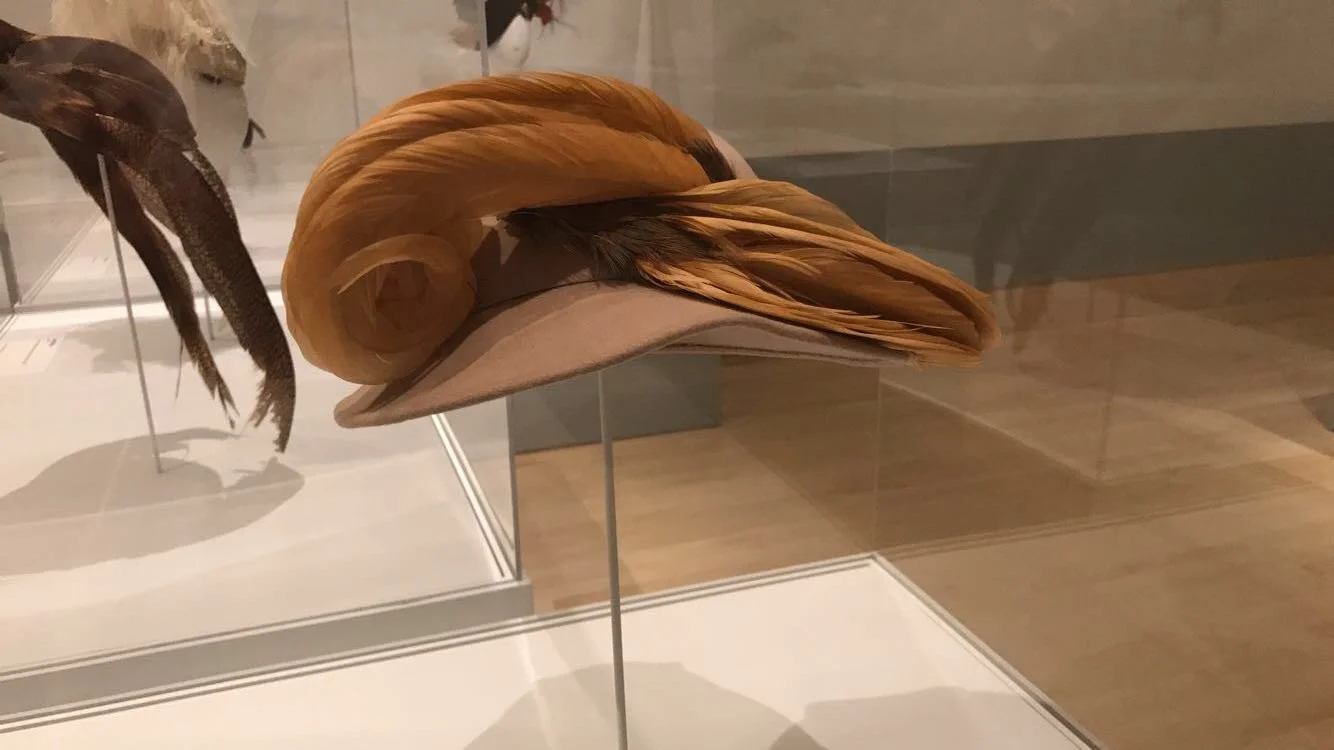
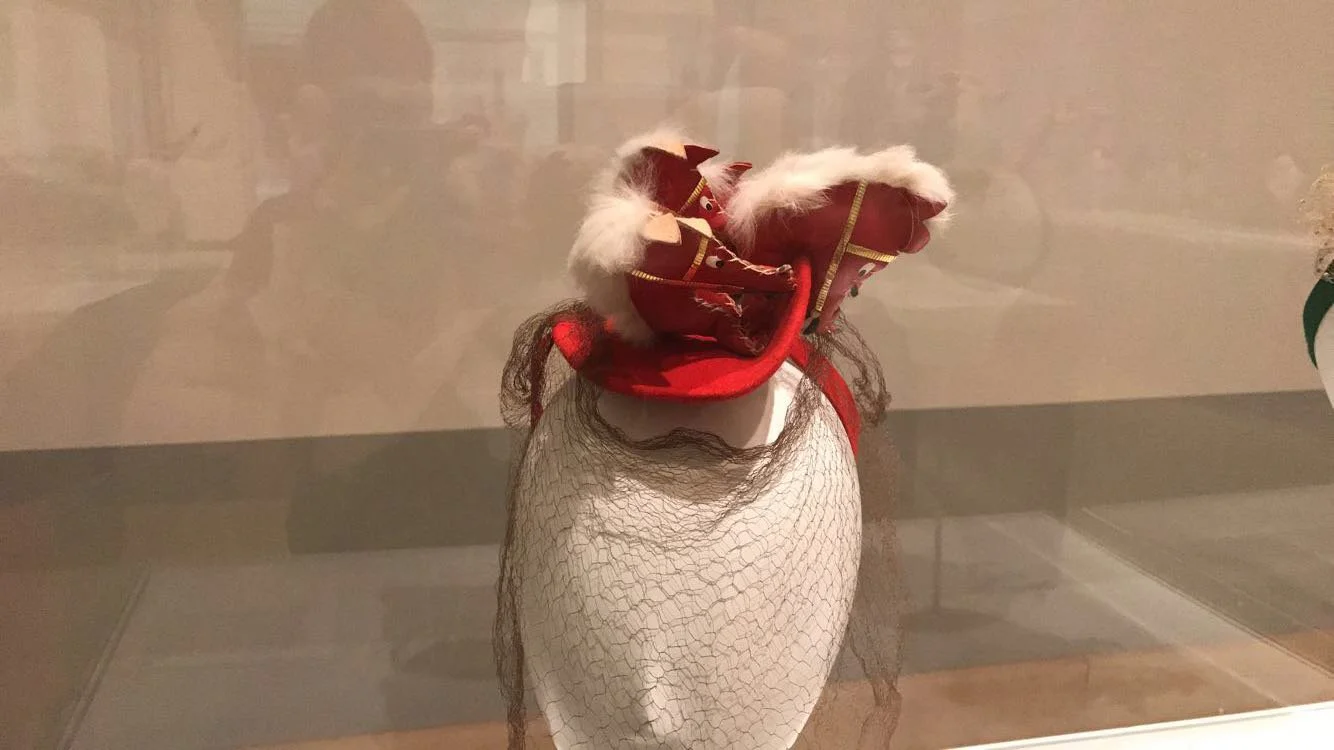
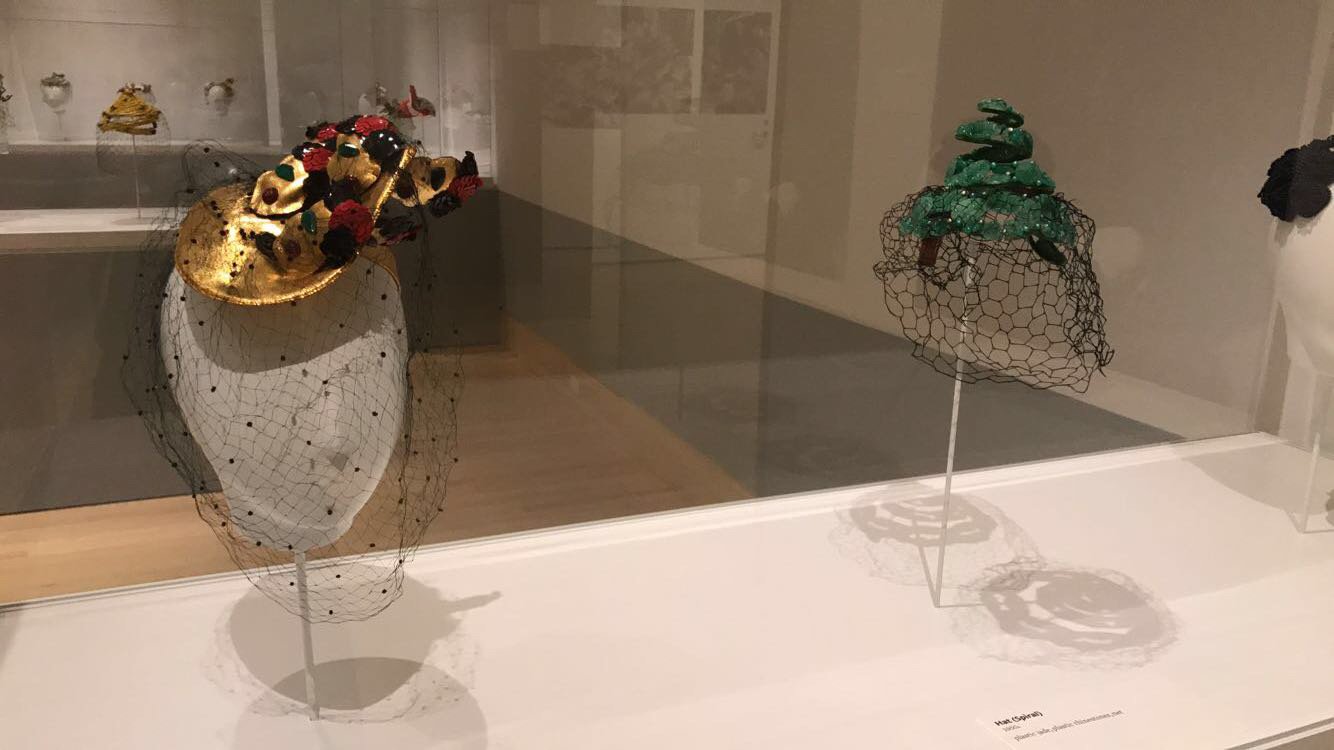
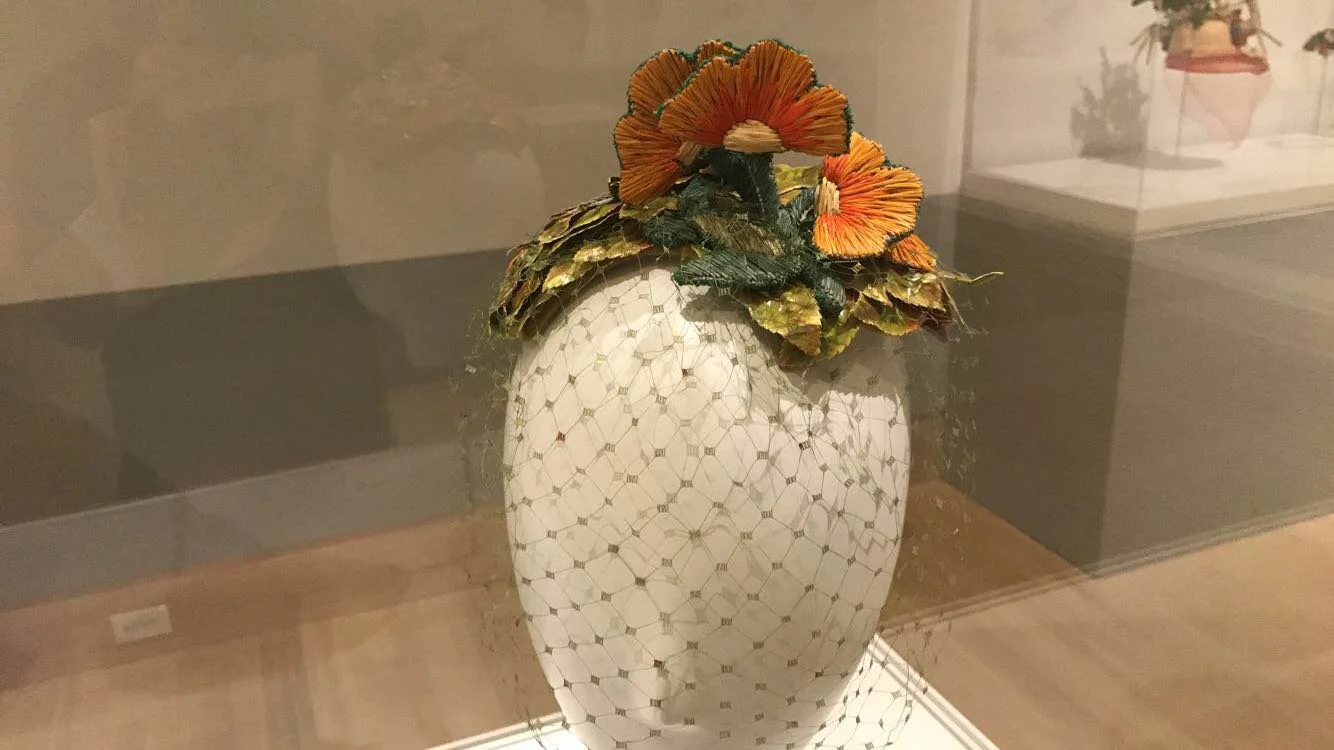
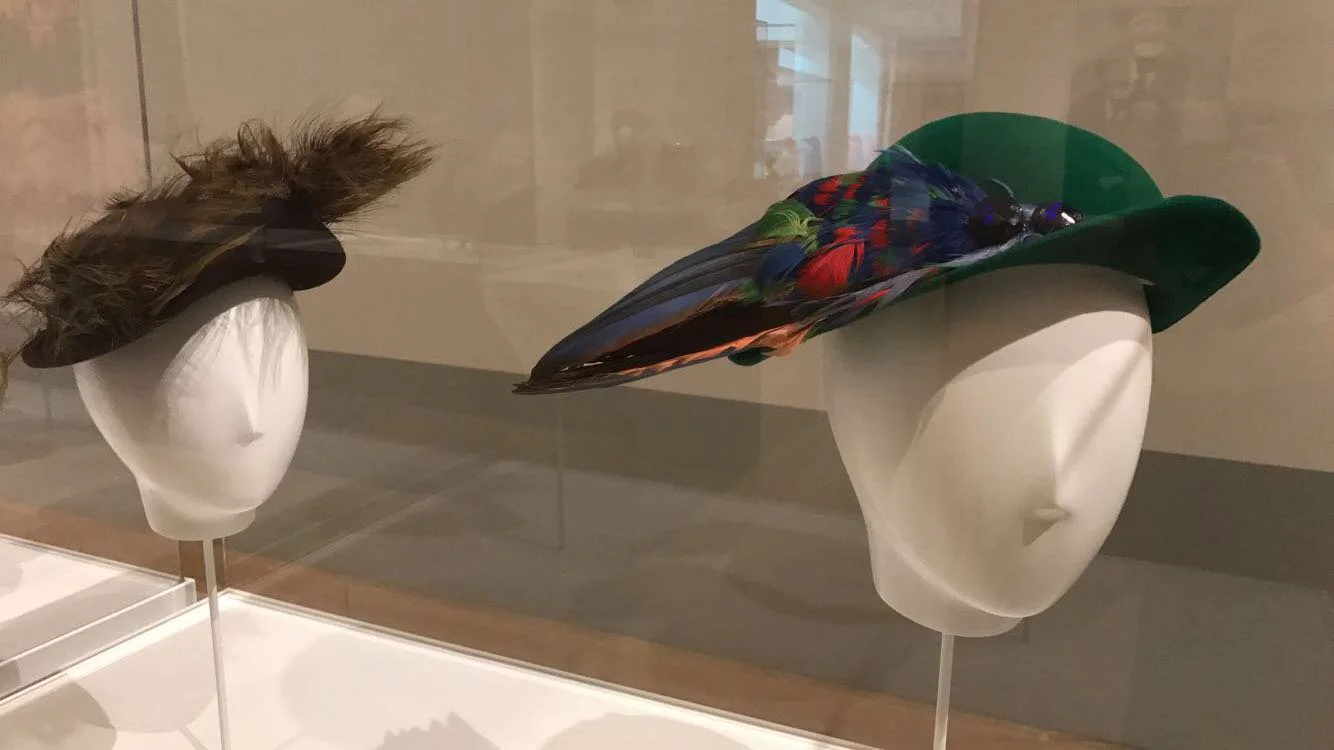
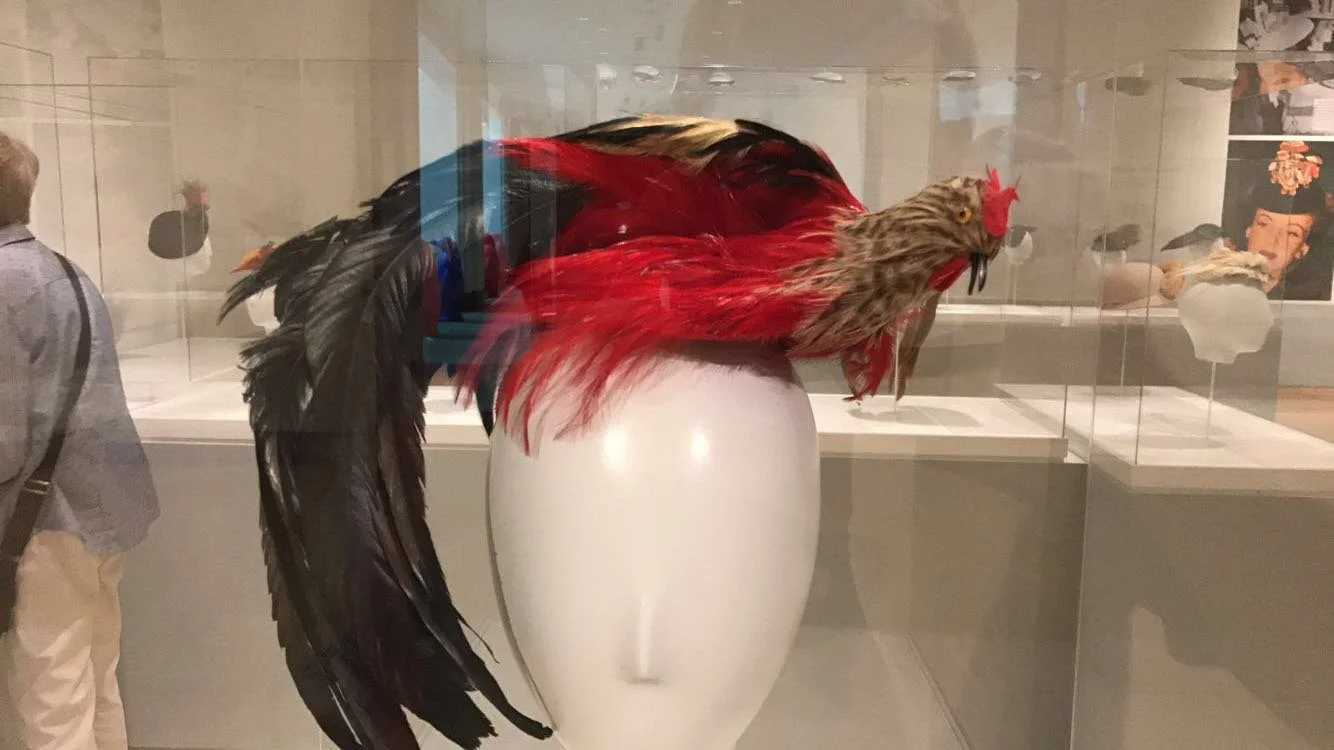
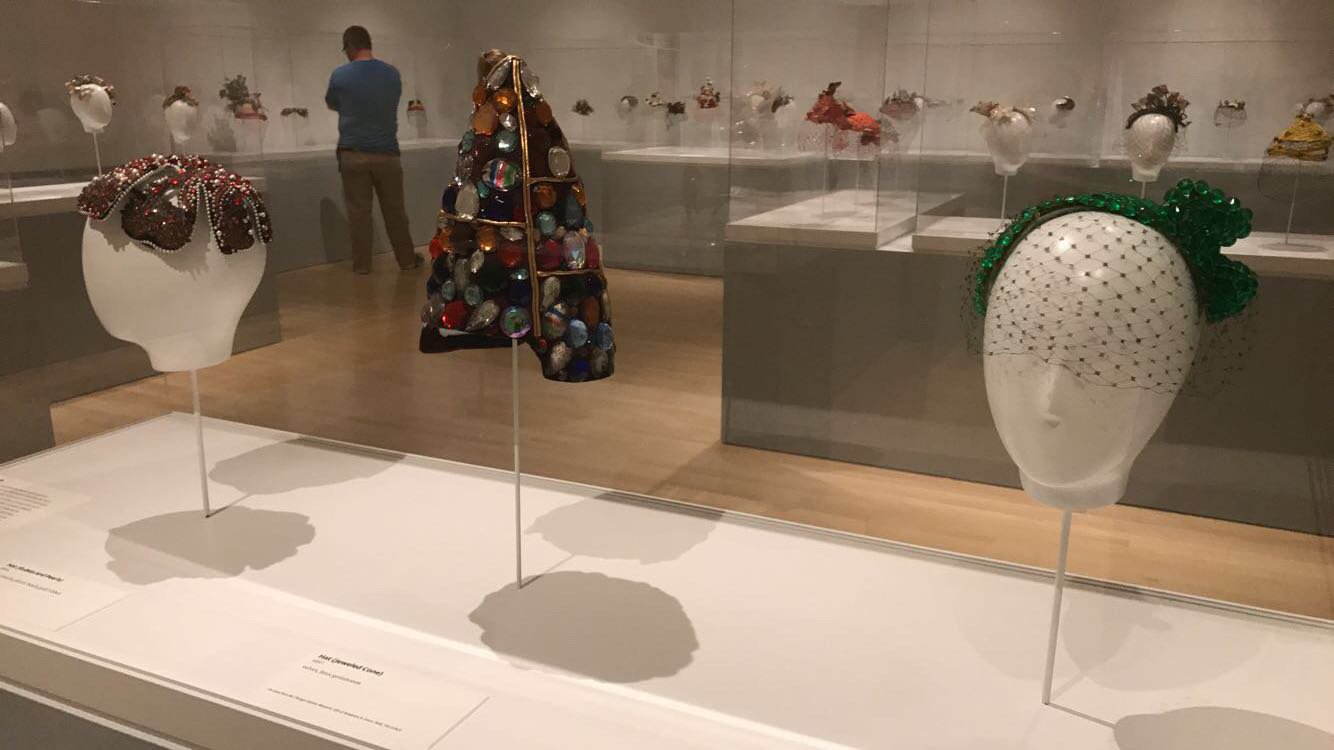
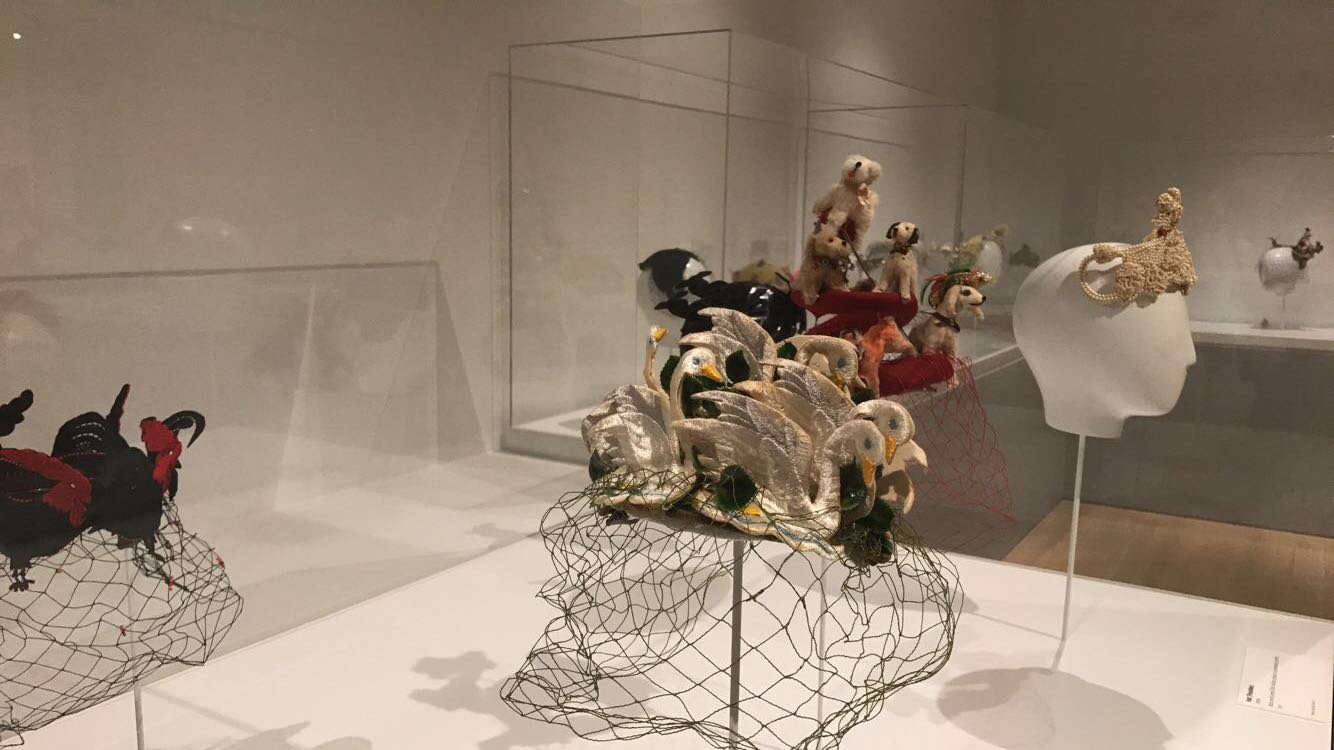
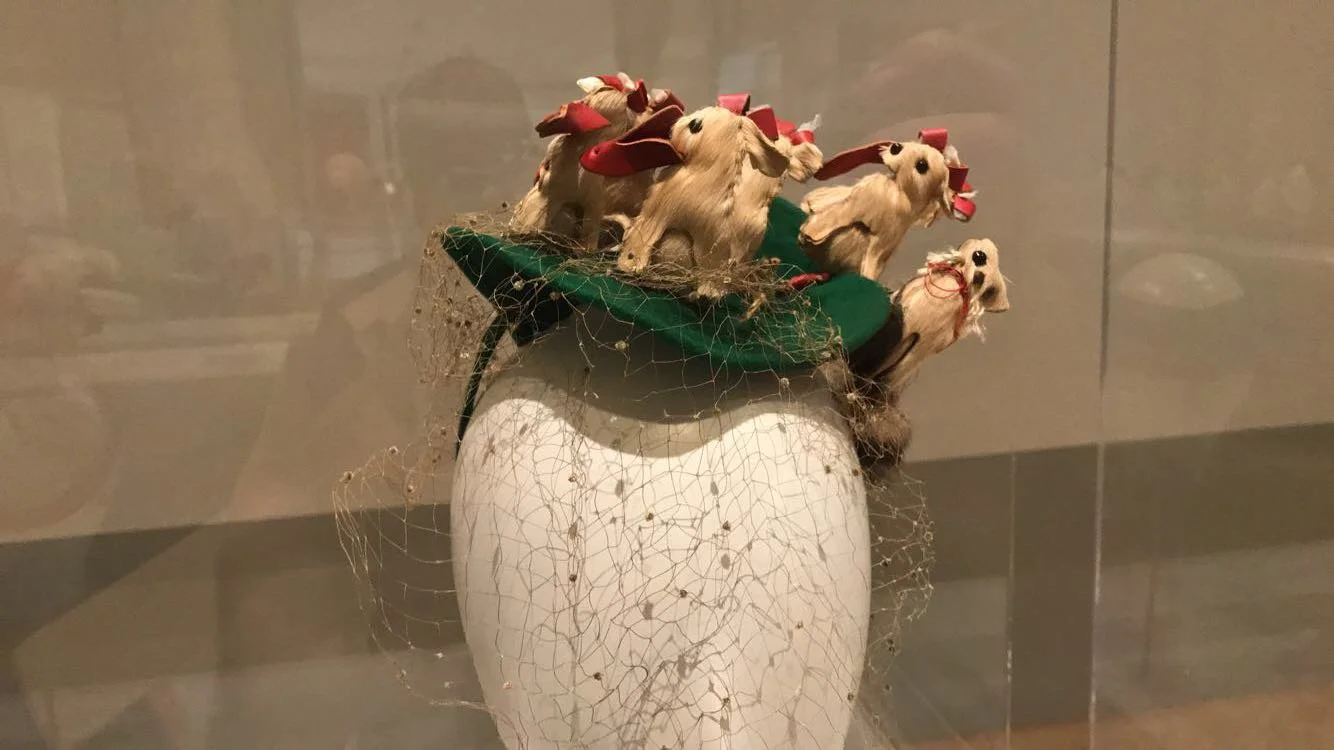
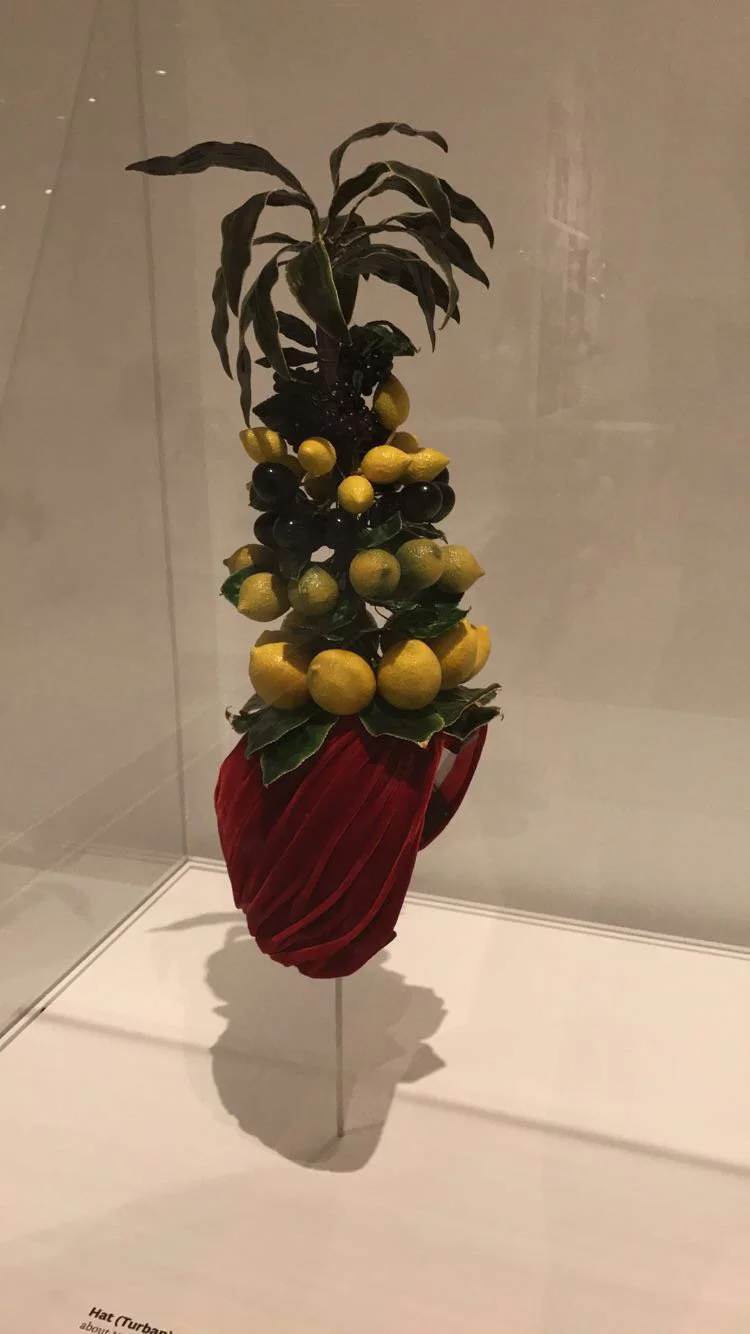
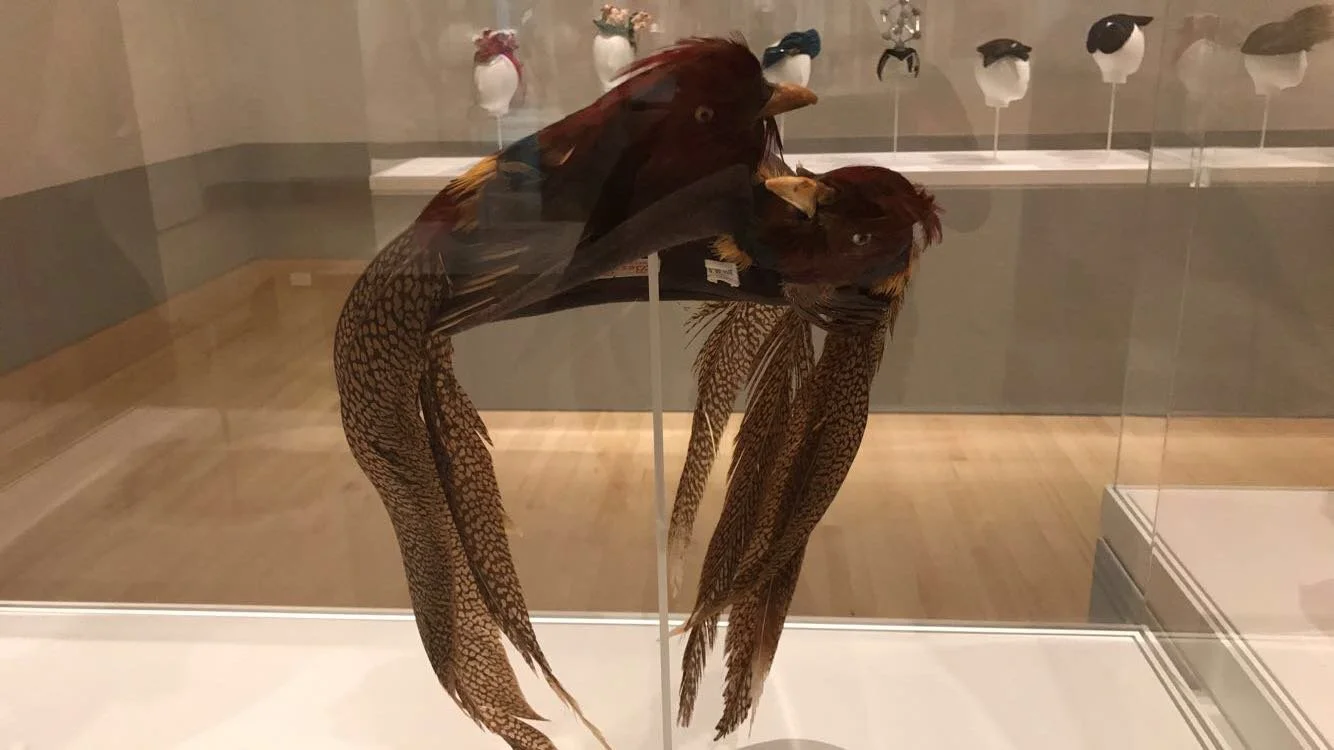
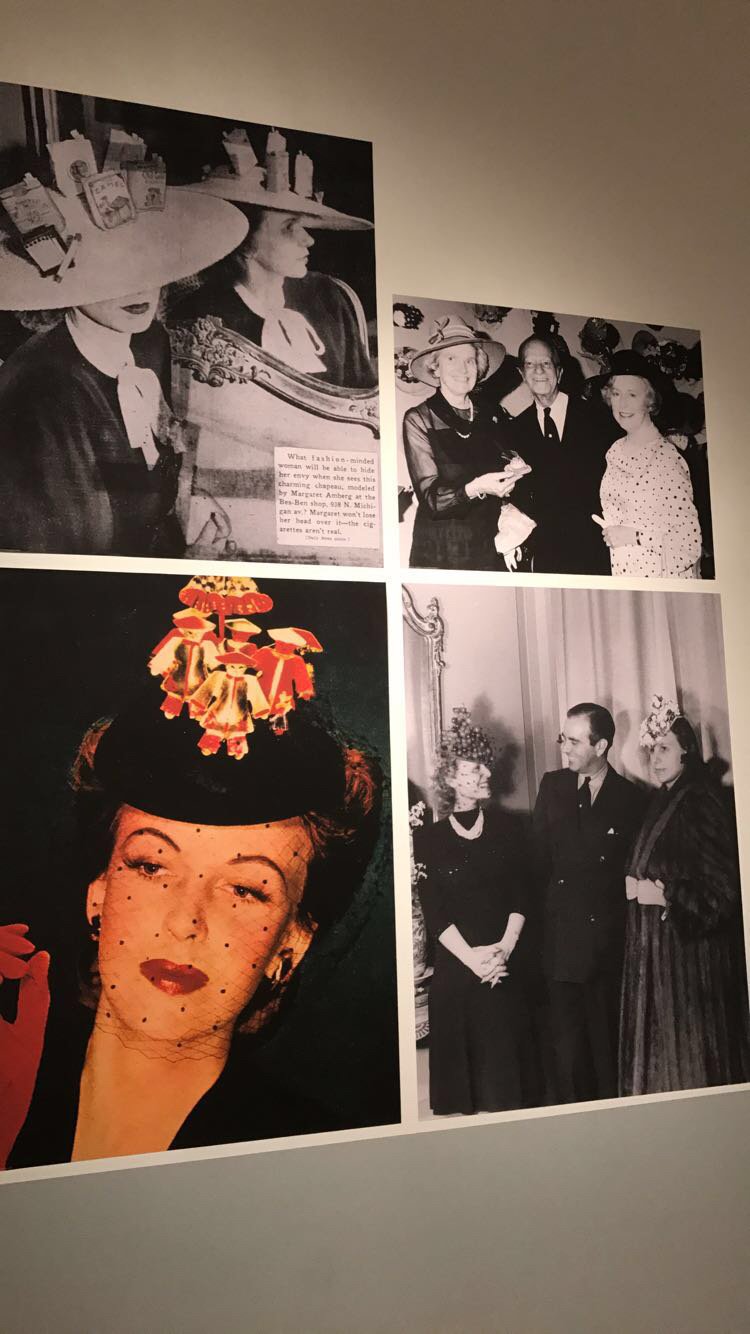
The main special exhibt while I was there was dedicated to an eccentric sartorial maverick, Benjamin B. Green-Field aka Bes-Ben: The Madhatter of Chicago. Green-Field was a fantastic and fantastical milliner who saw hats less as functional outerwear and more as sculptures you could wear on your head, and his bold designs and innovative use of materials made him a name in the world of fashion. Even if fashion exhibits are not normally your cup of tea, there was something so sublimely ridiculous about the hats on display that it was hard not to be won over and blown away by the fact that someone was able to not only think of these designs but was also able to convince people to wear them.
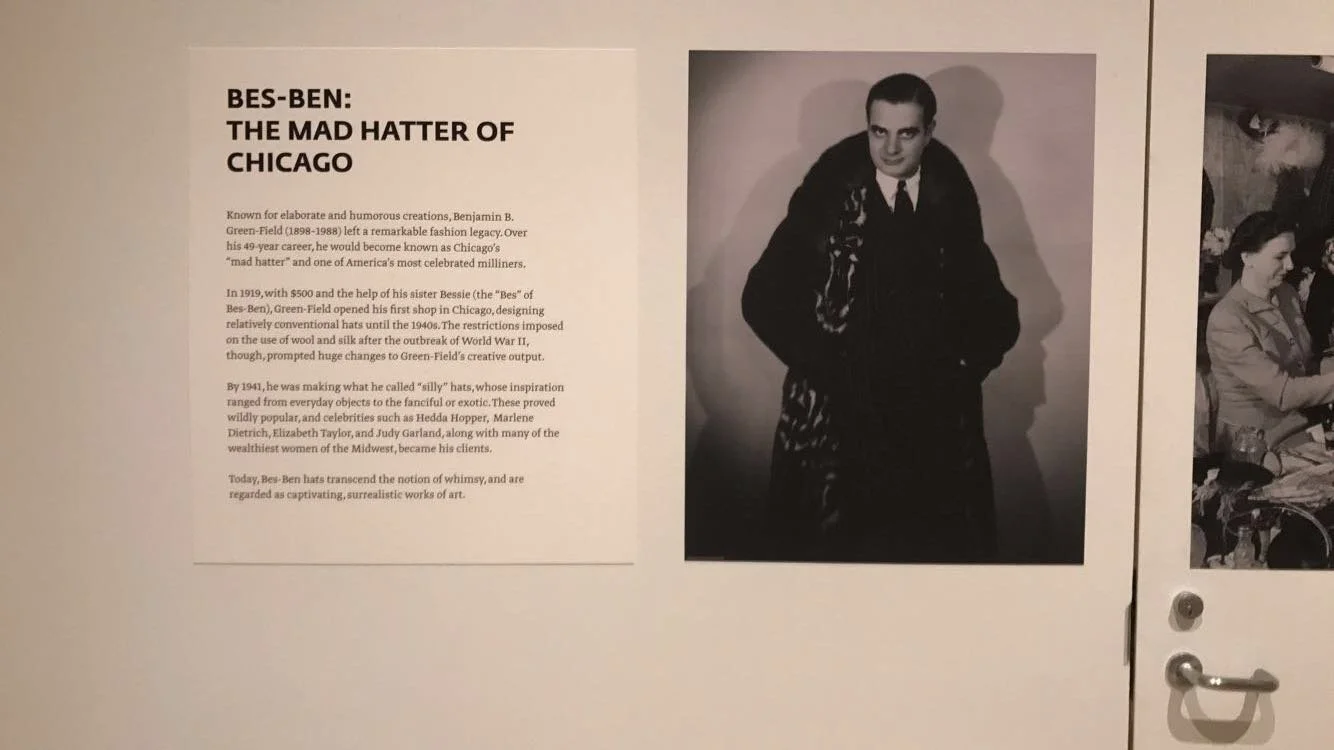
Gaze upon these hats ye mortals and despair:
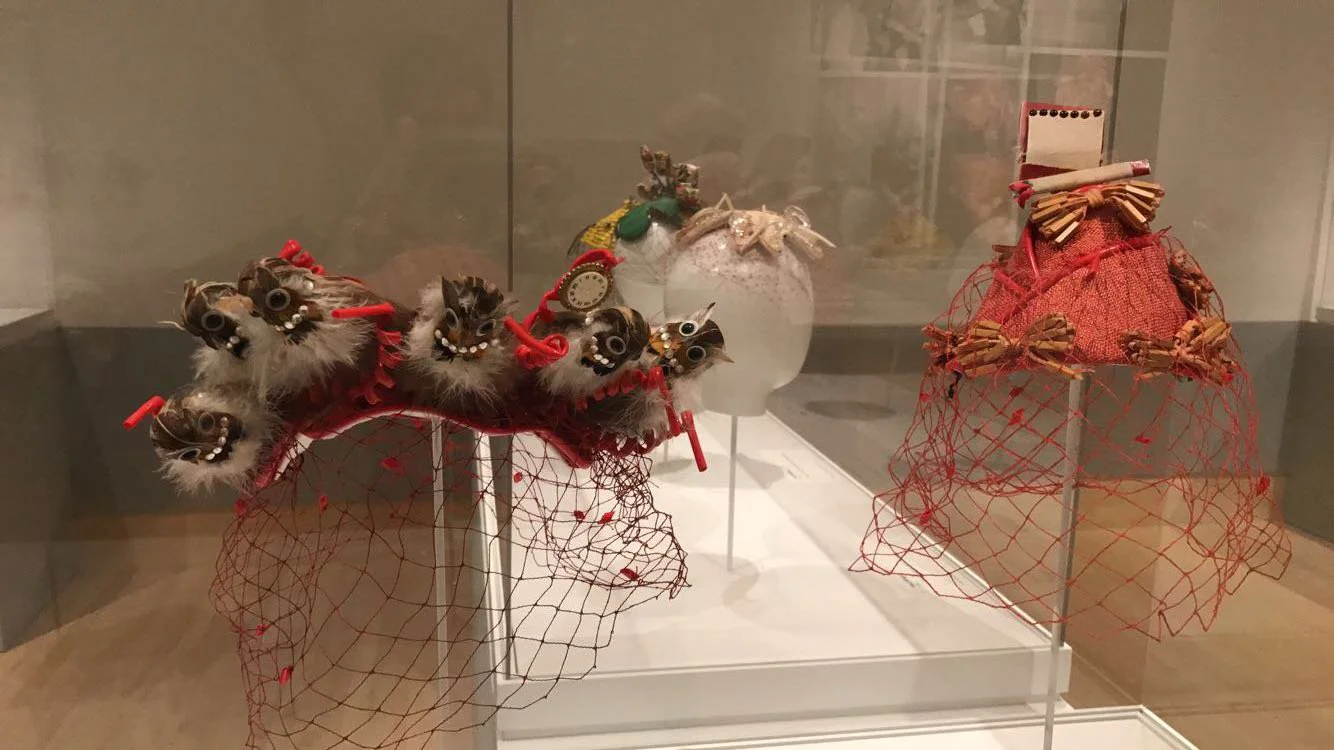
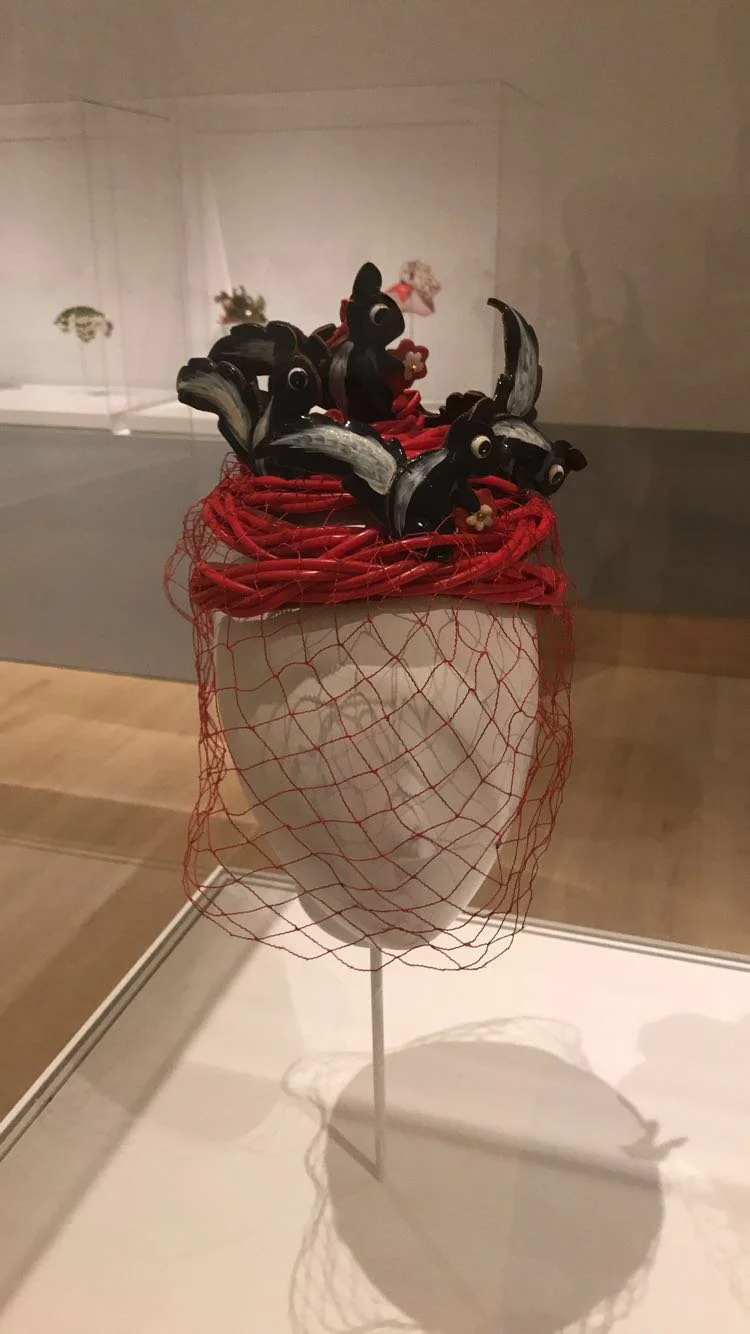
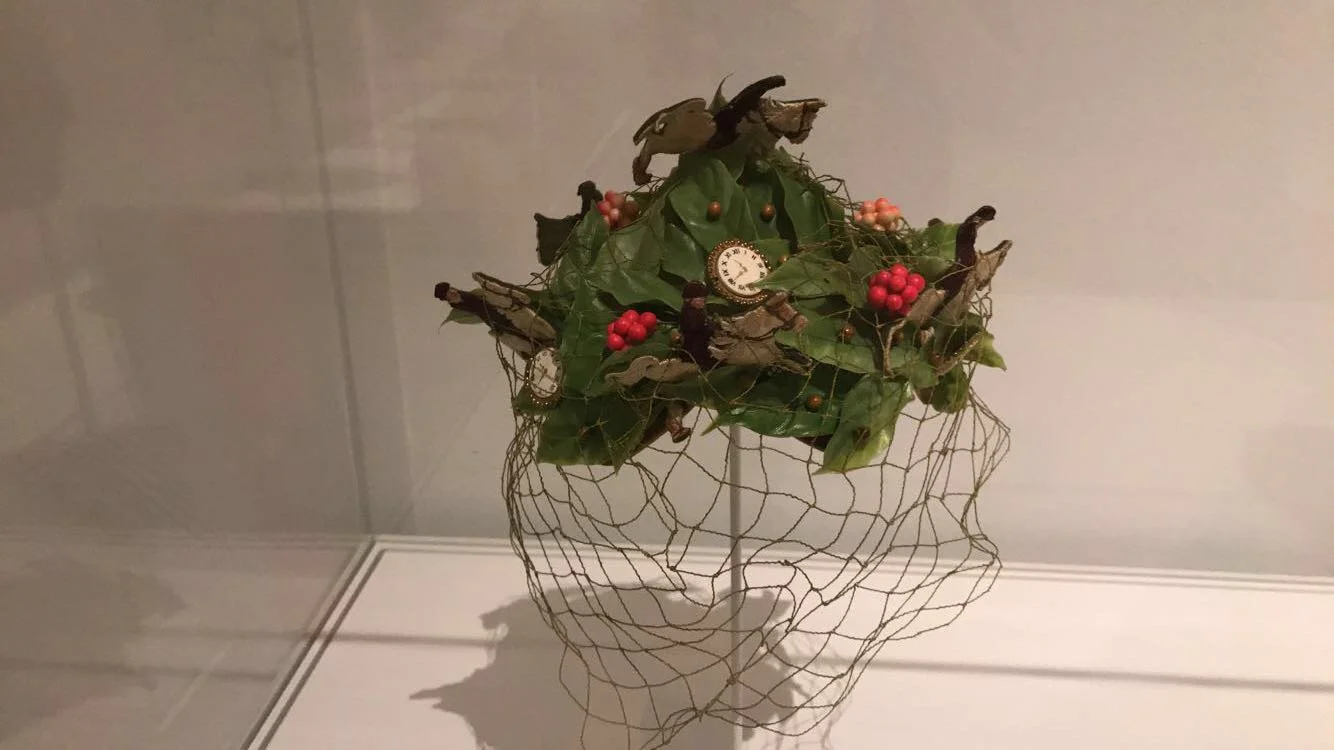
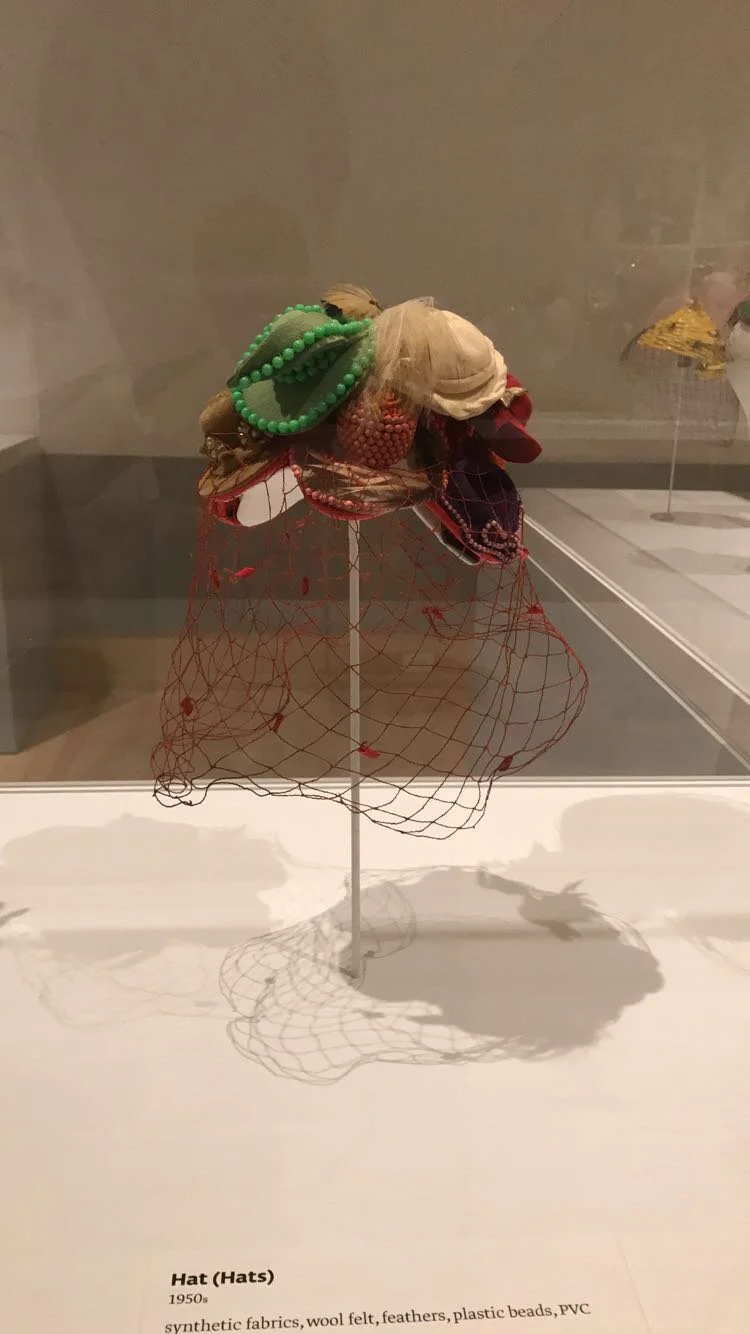
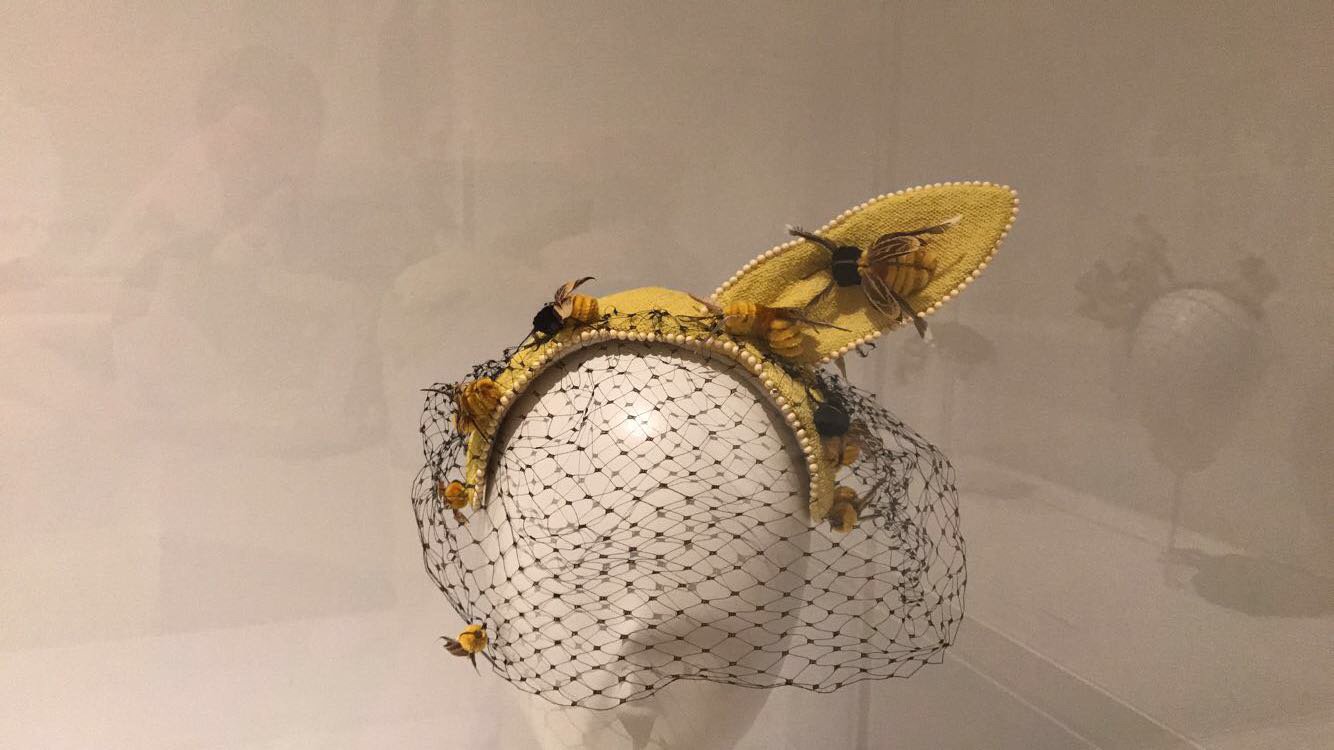
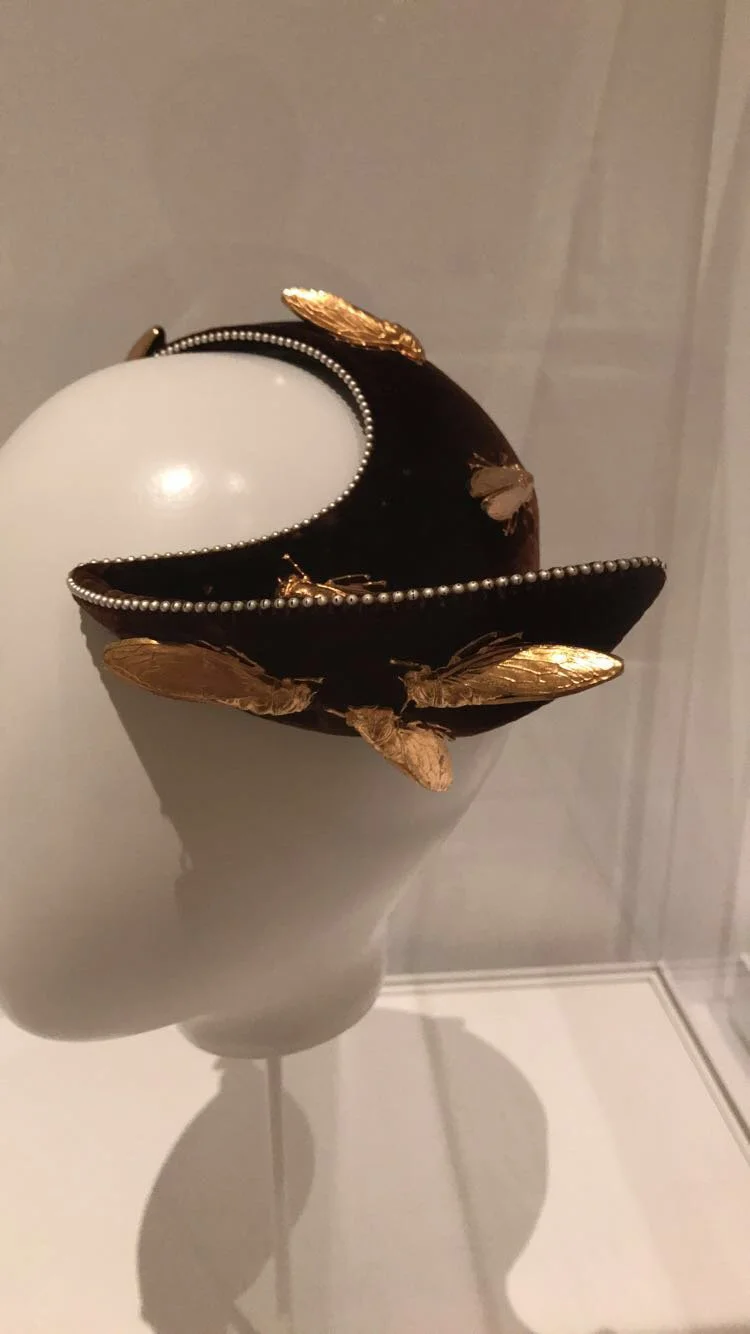
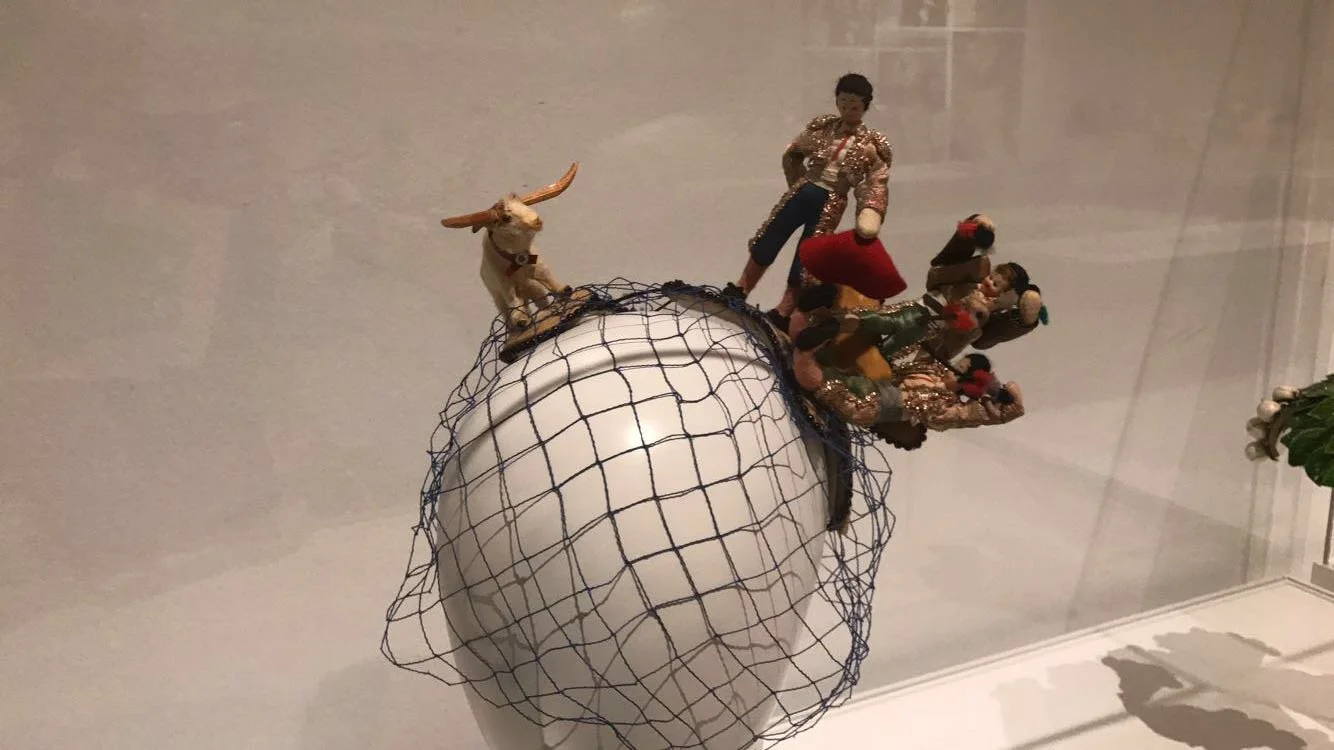
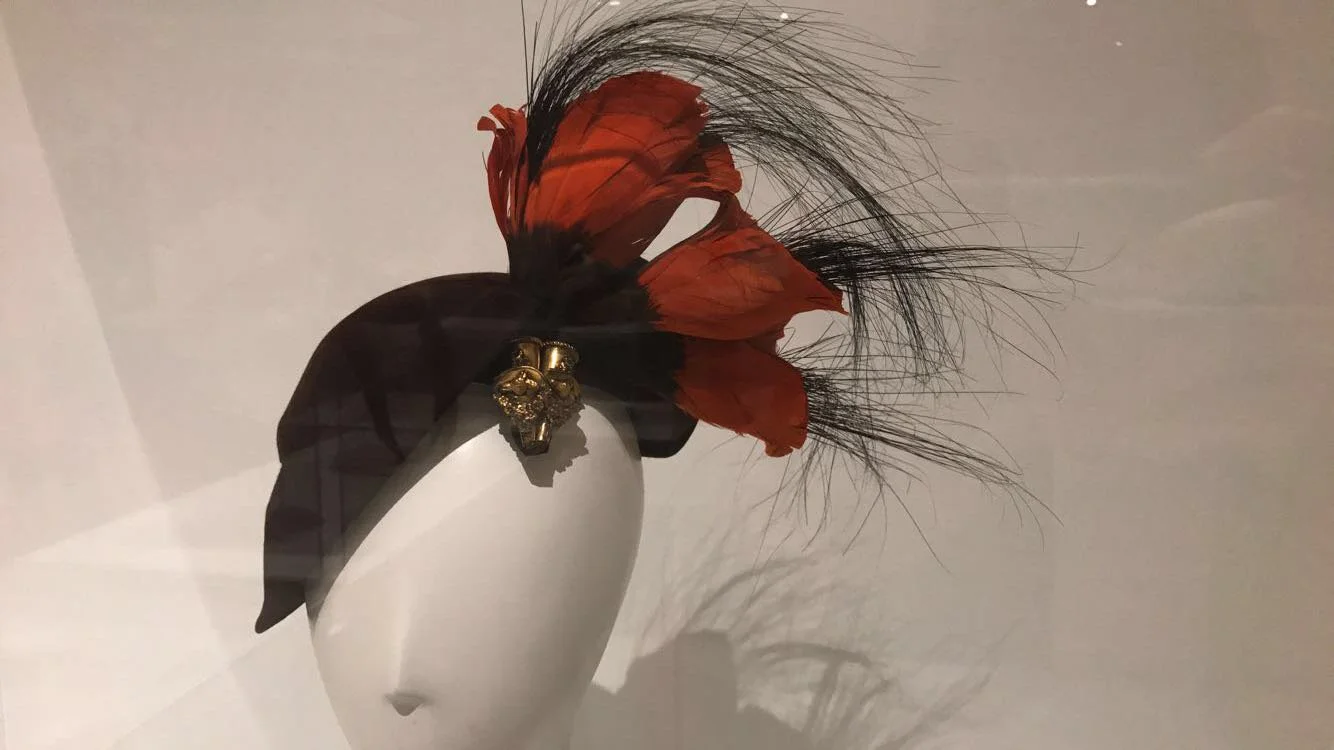
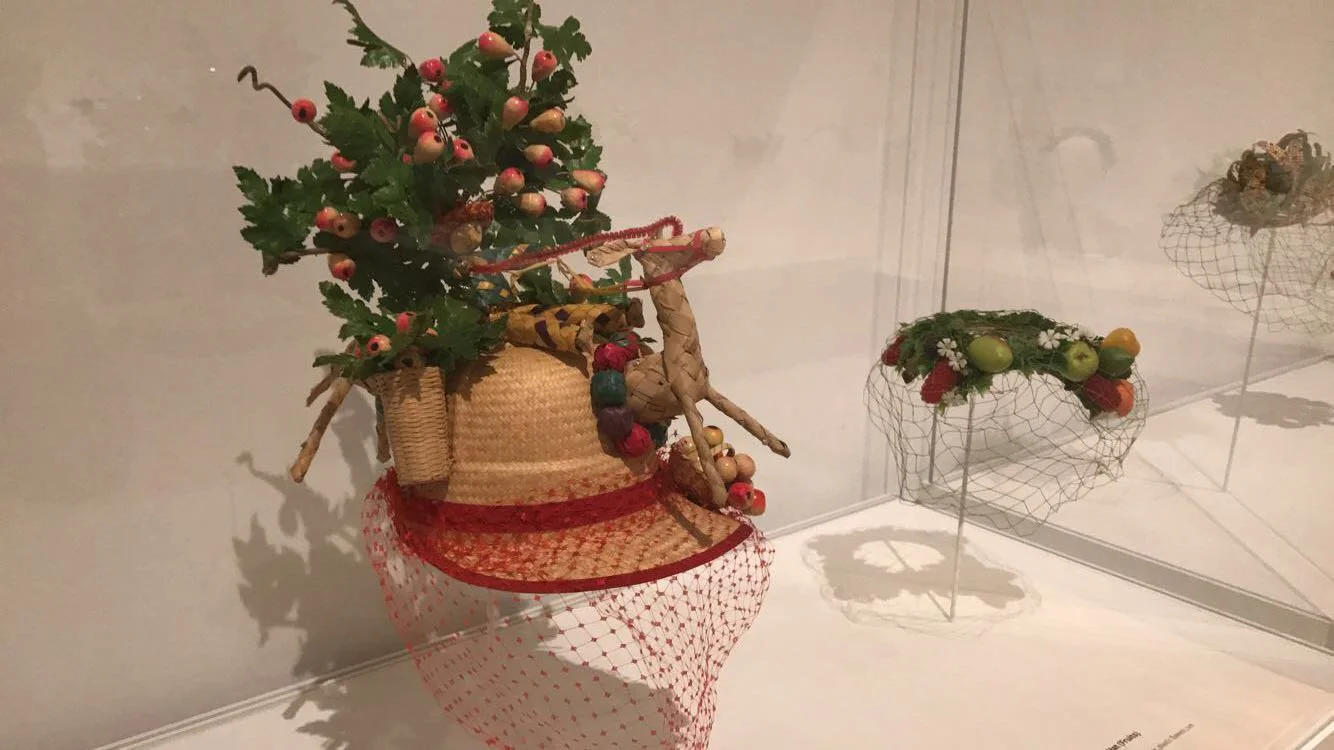
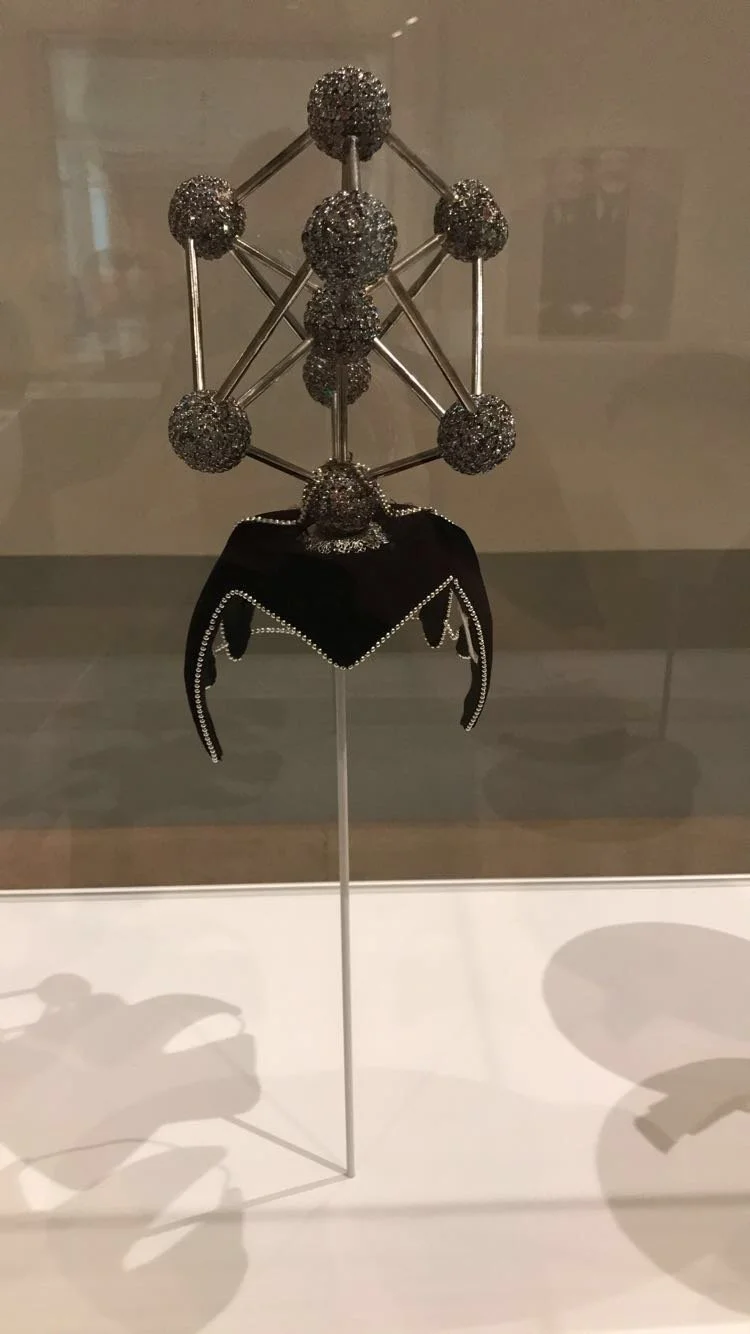
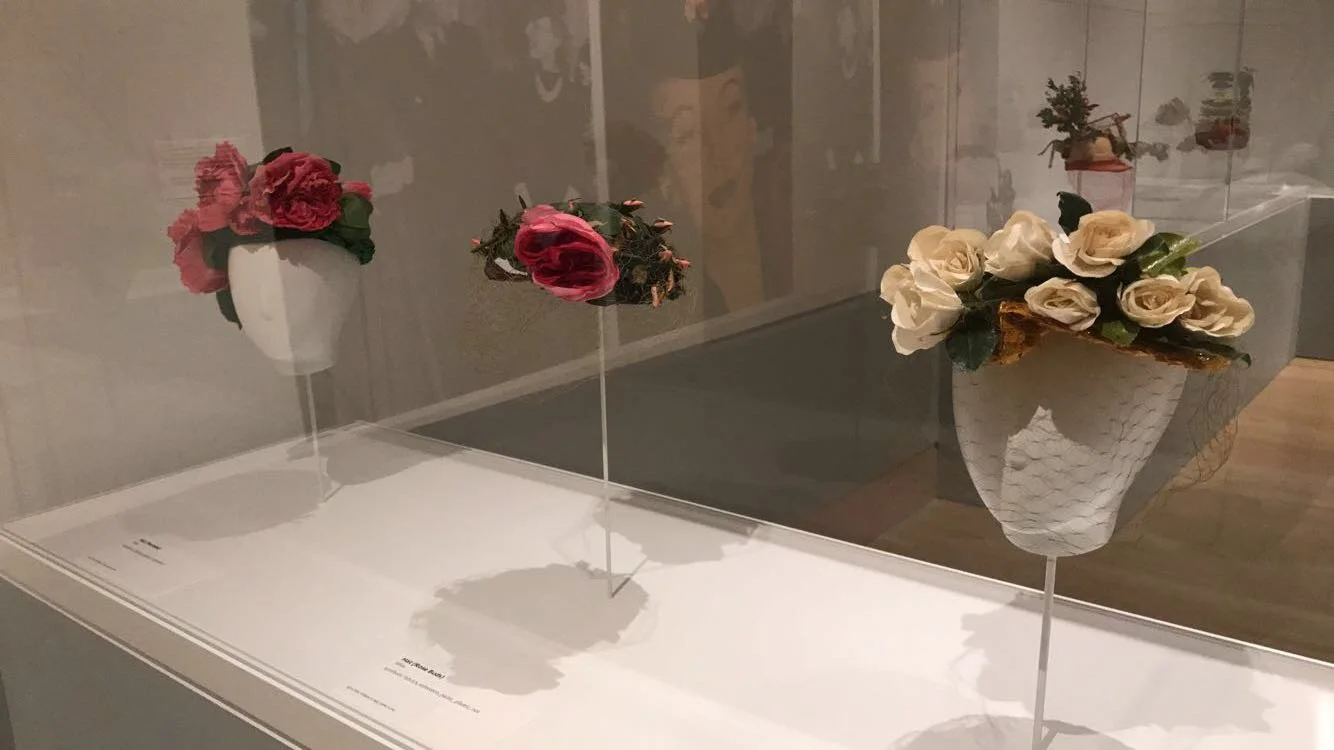
Photographic proof that these hats were in fact worn on ladies’ heads:
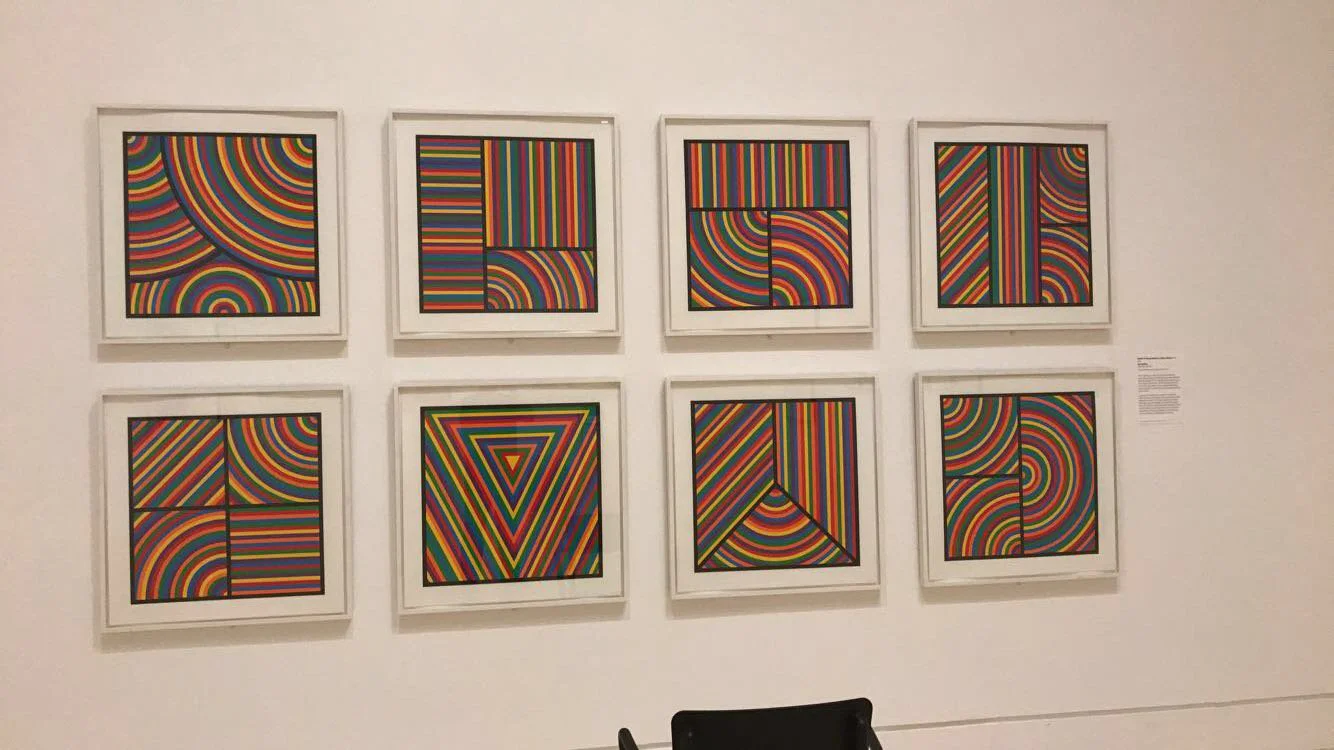
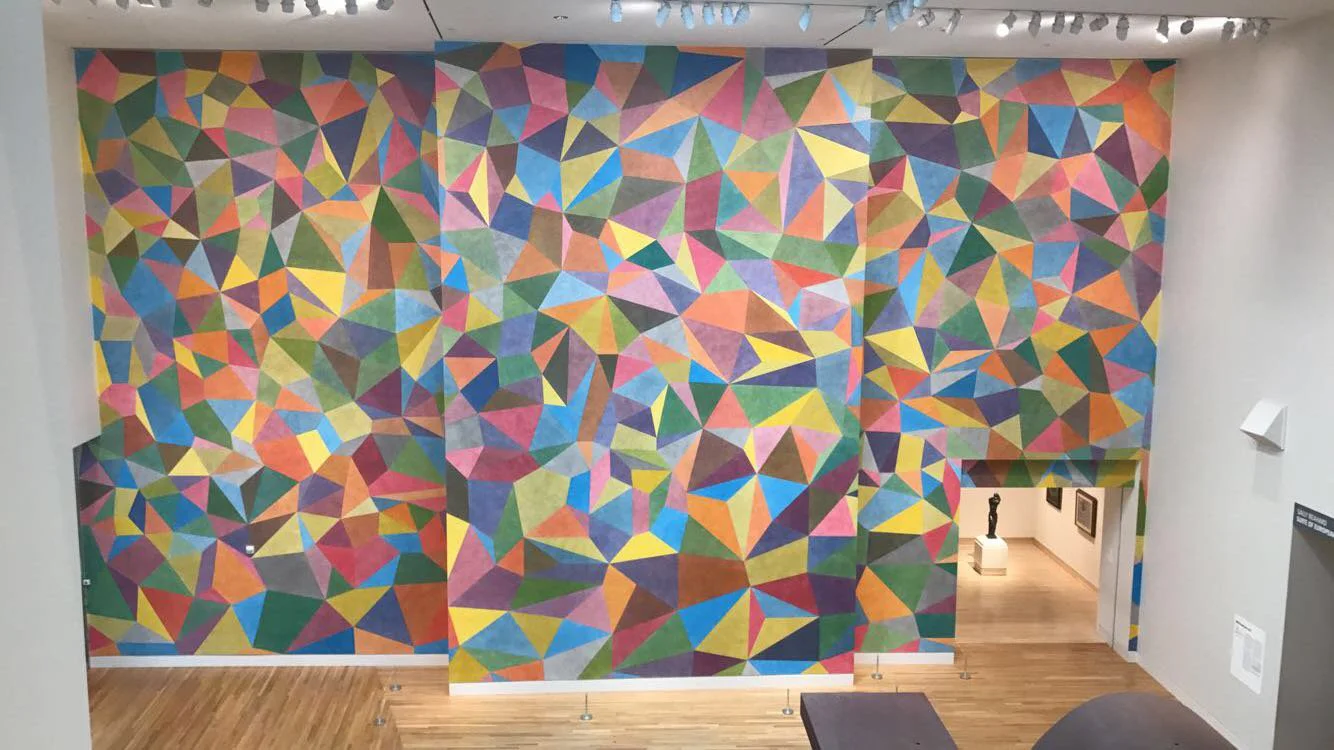
Leaving the special exhibit I was greet by a monumental wall painting by the great Sol LeWitt, who I’ve always had a soft spot for because the Massachusetts Museum of Contemporary Art (Mass MoCA) has several murals of his across huge old factory walls that are a must see if you ever find yourself deep in northwestern MA.
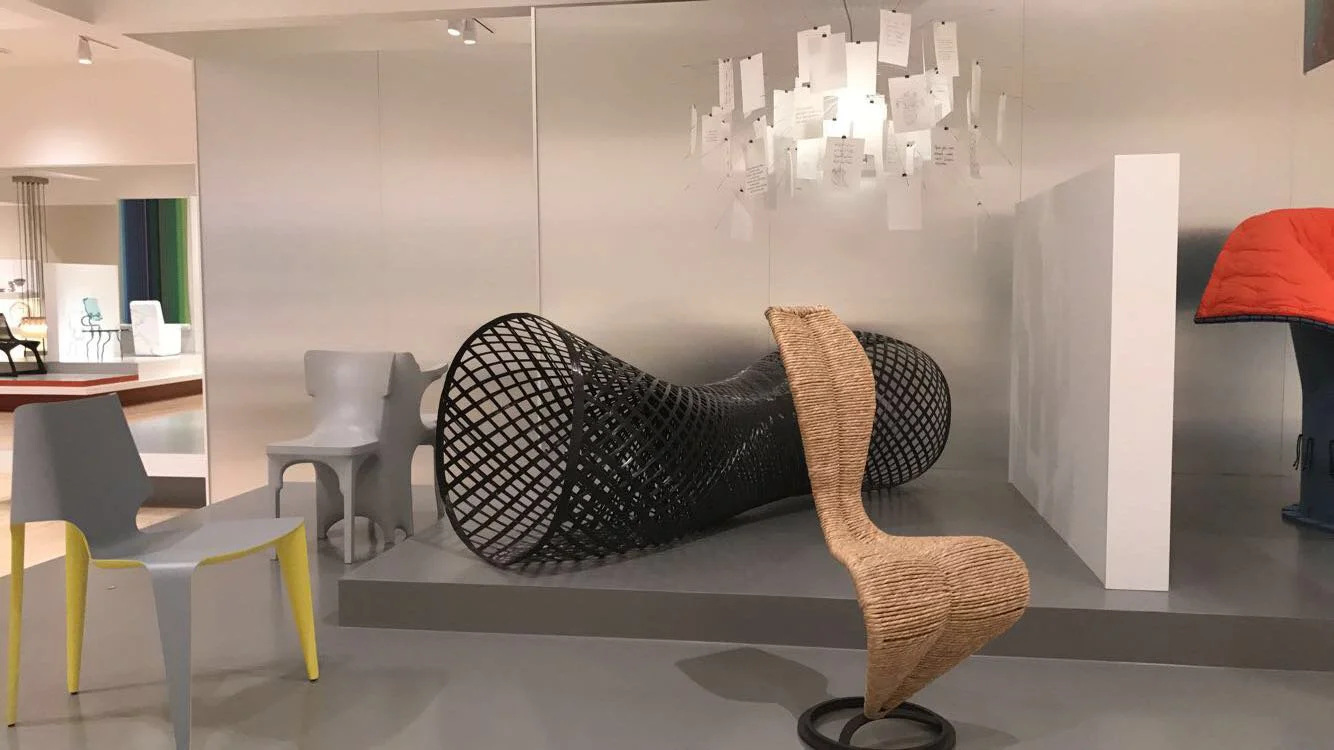
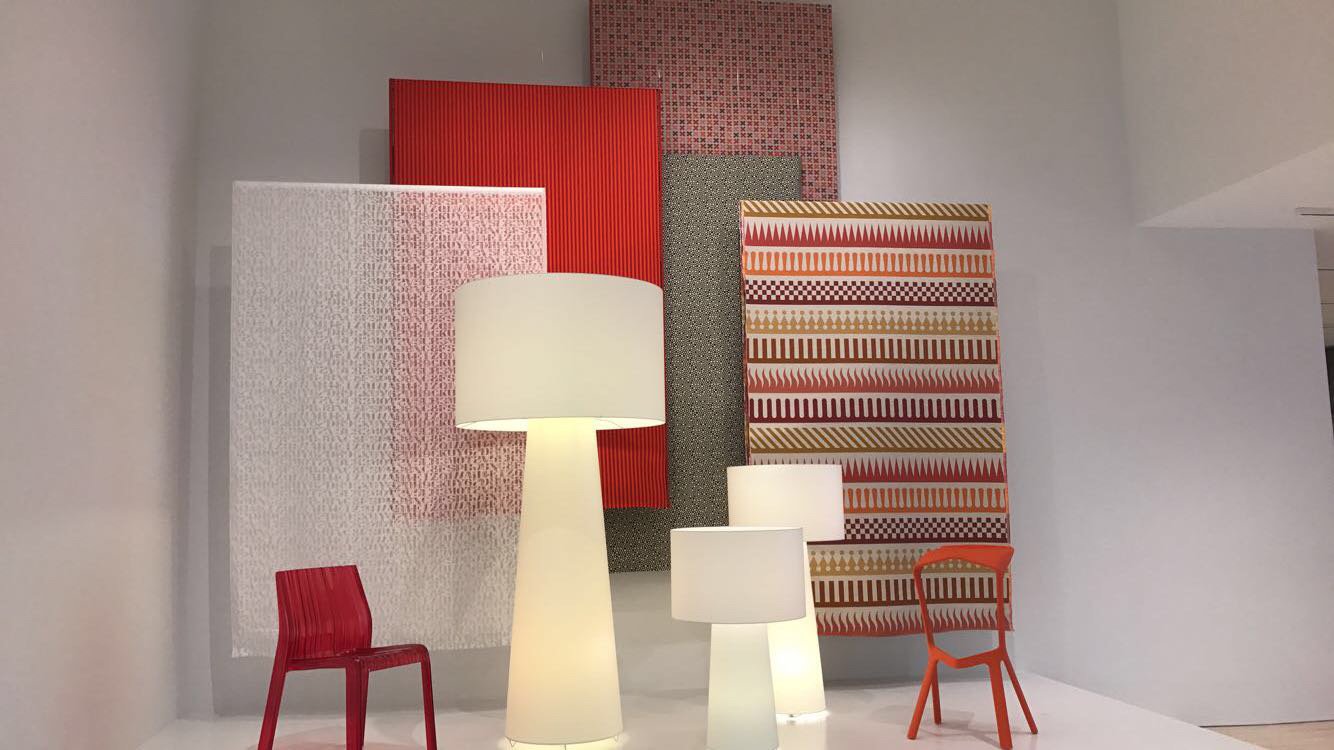
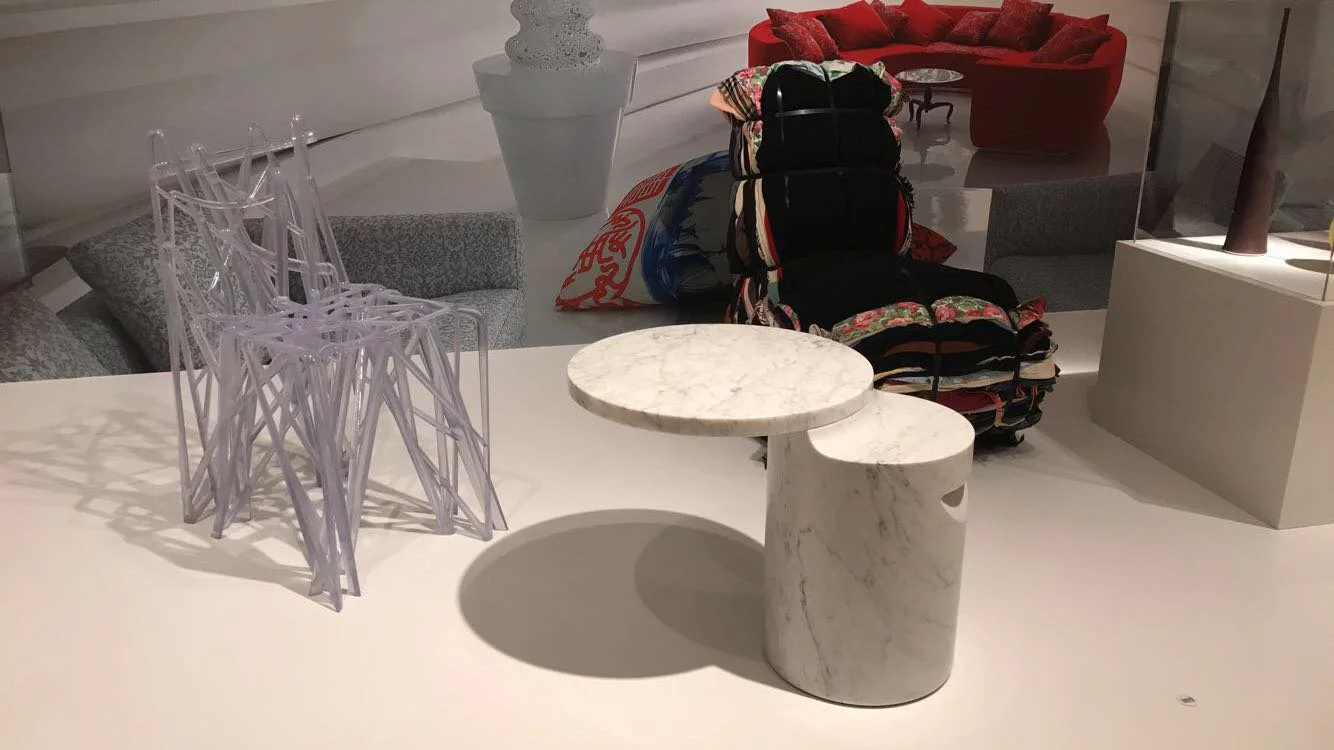
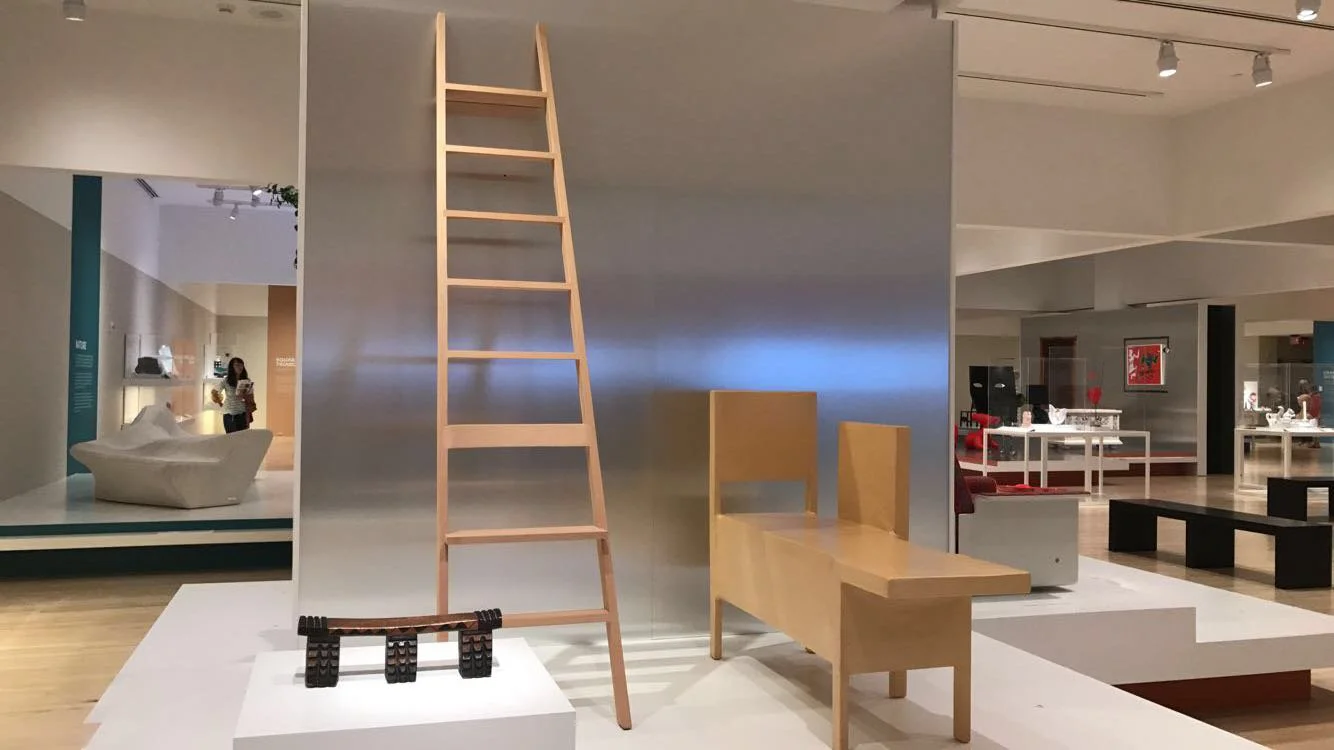
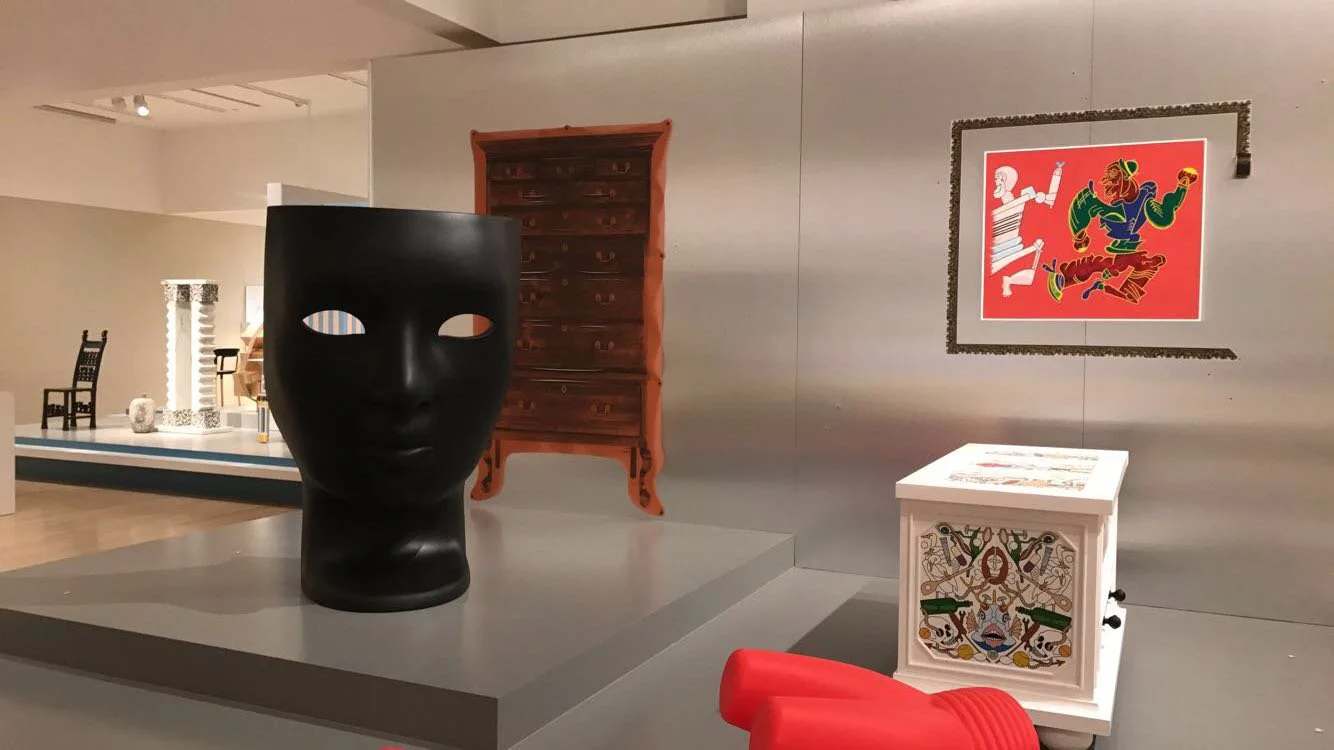
The next wing of the museum was dedicated to Newfields’ extensive collection focused on design arts. Things started off with some sleek and funky modern furniture:
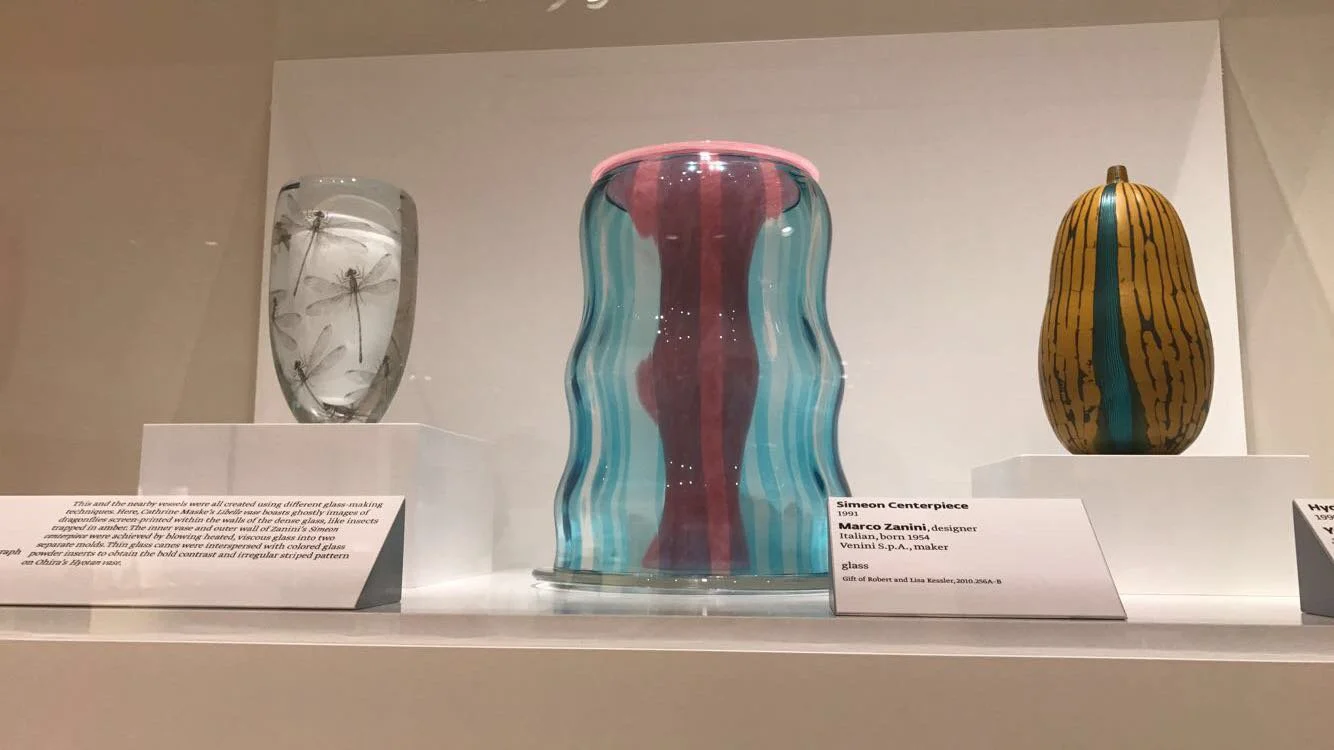
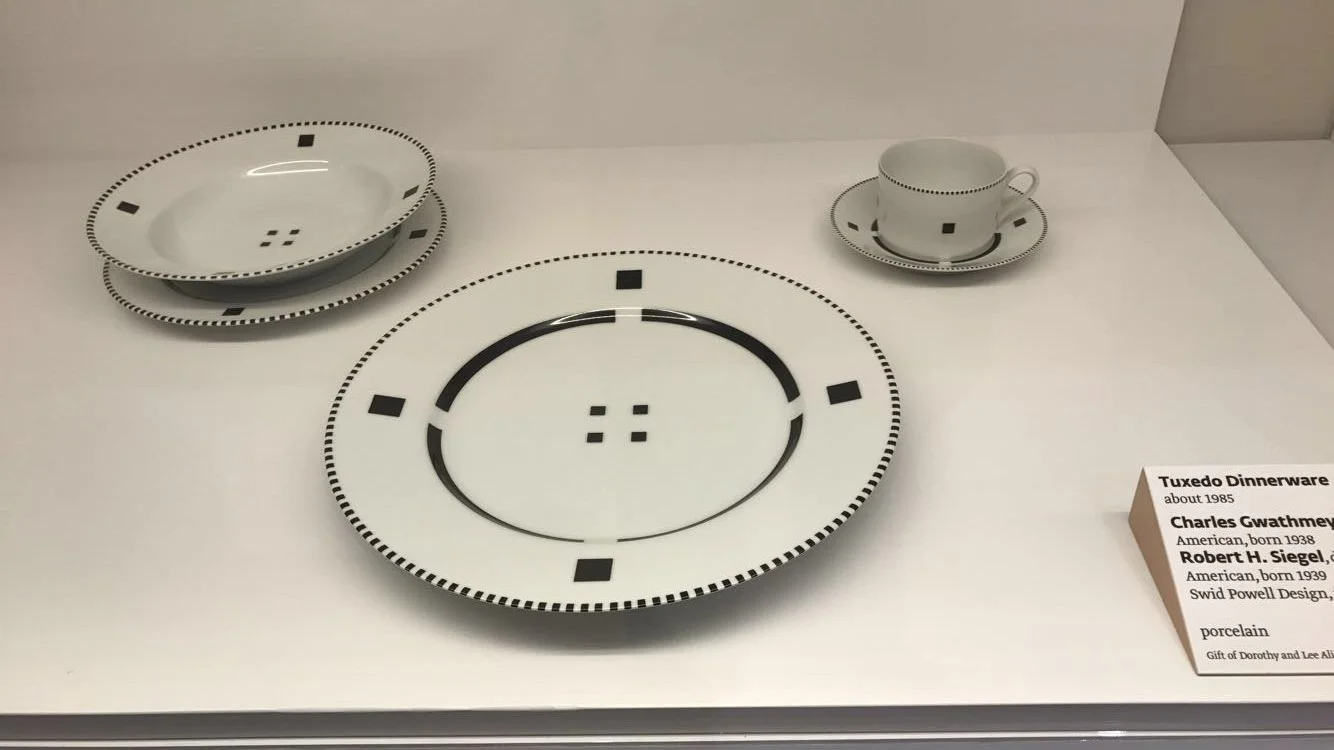
Next up was some impressive tablewear:
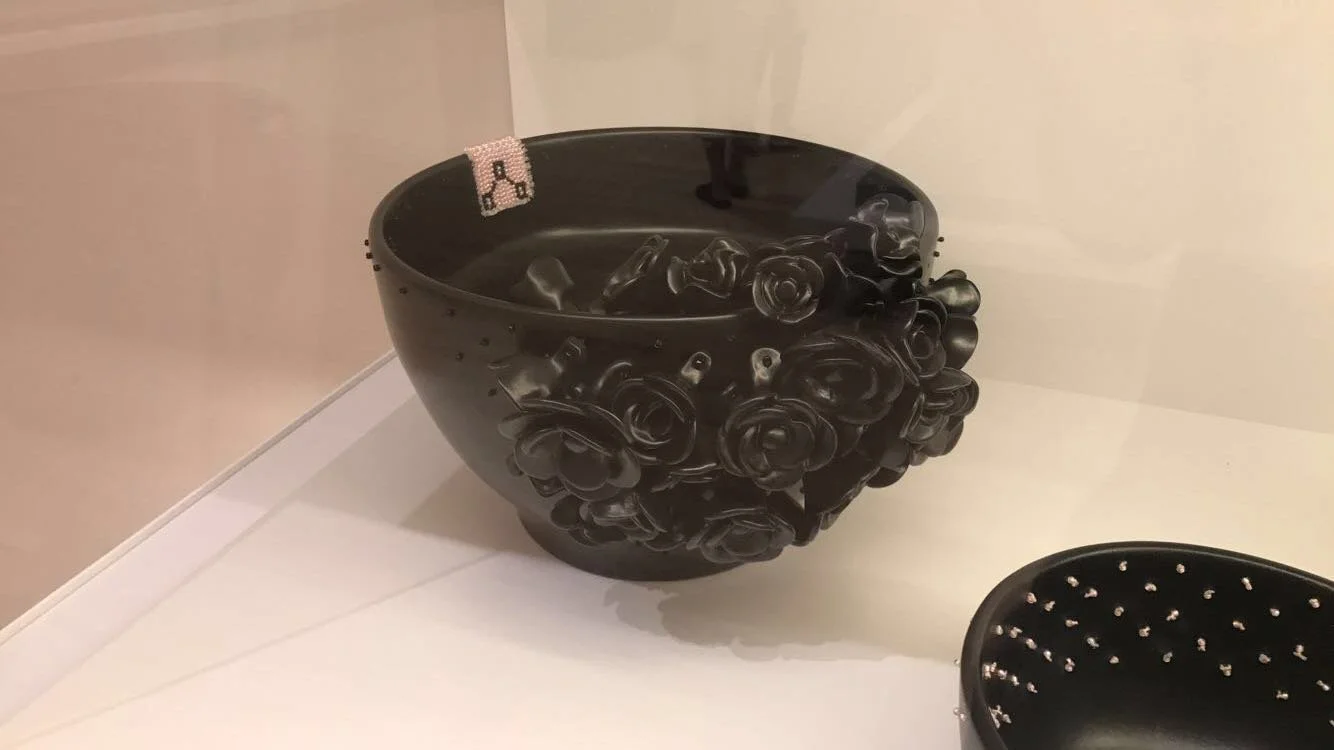
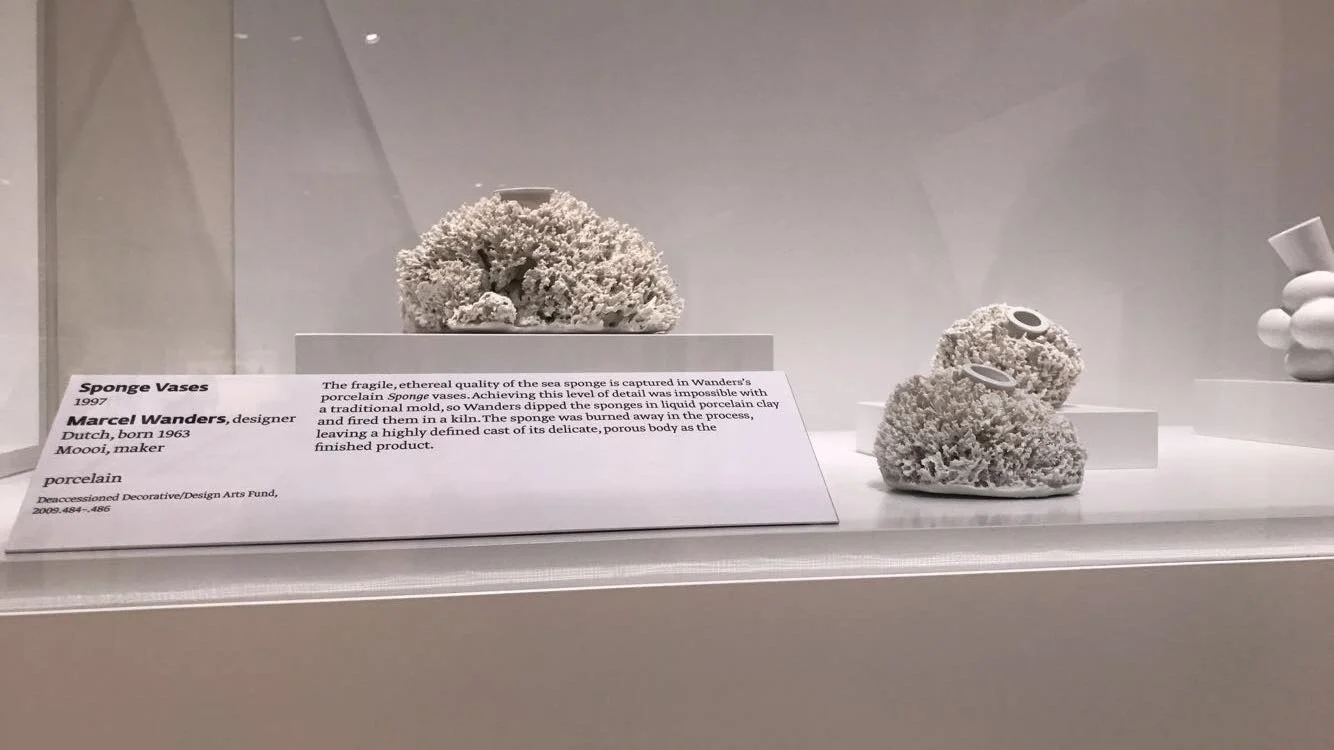
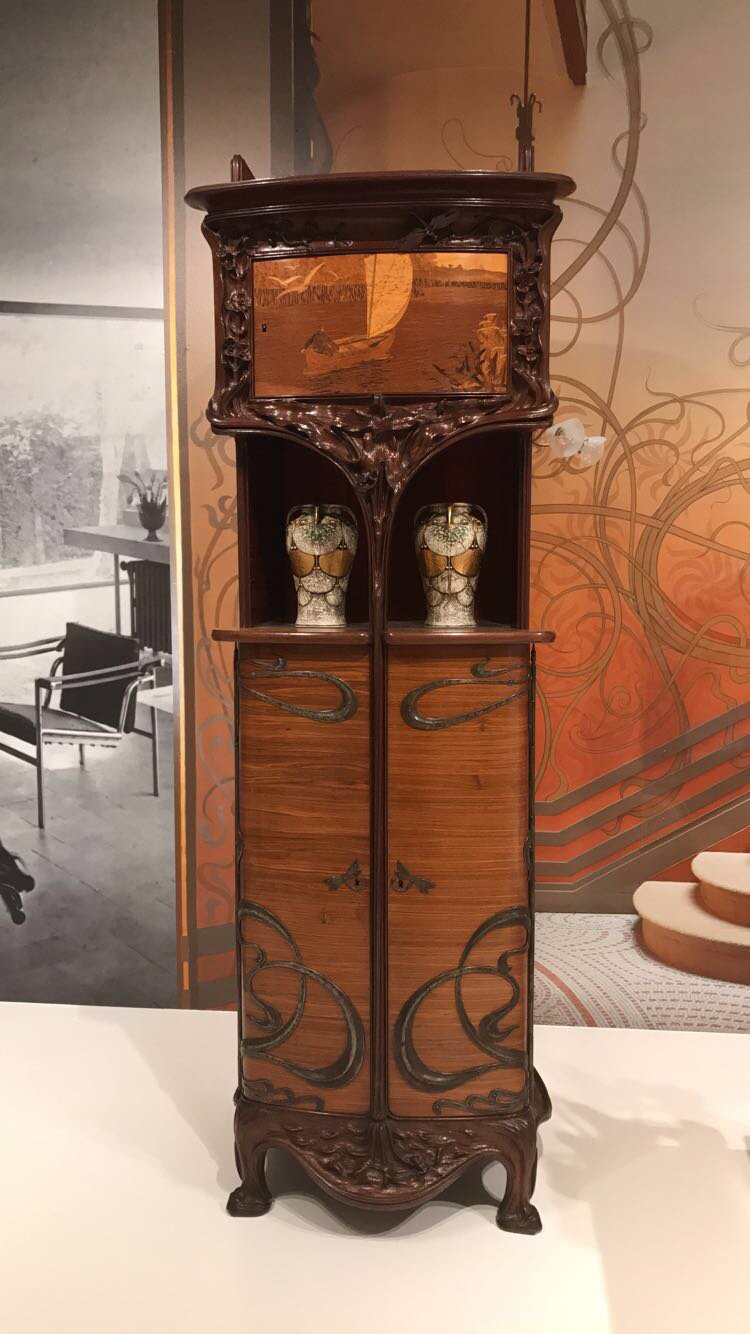
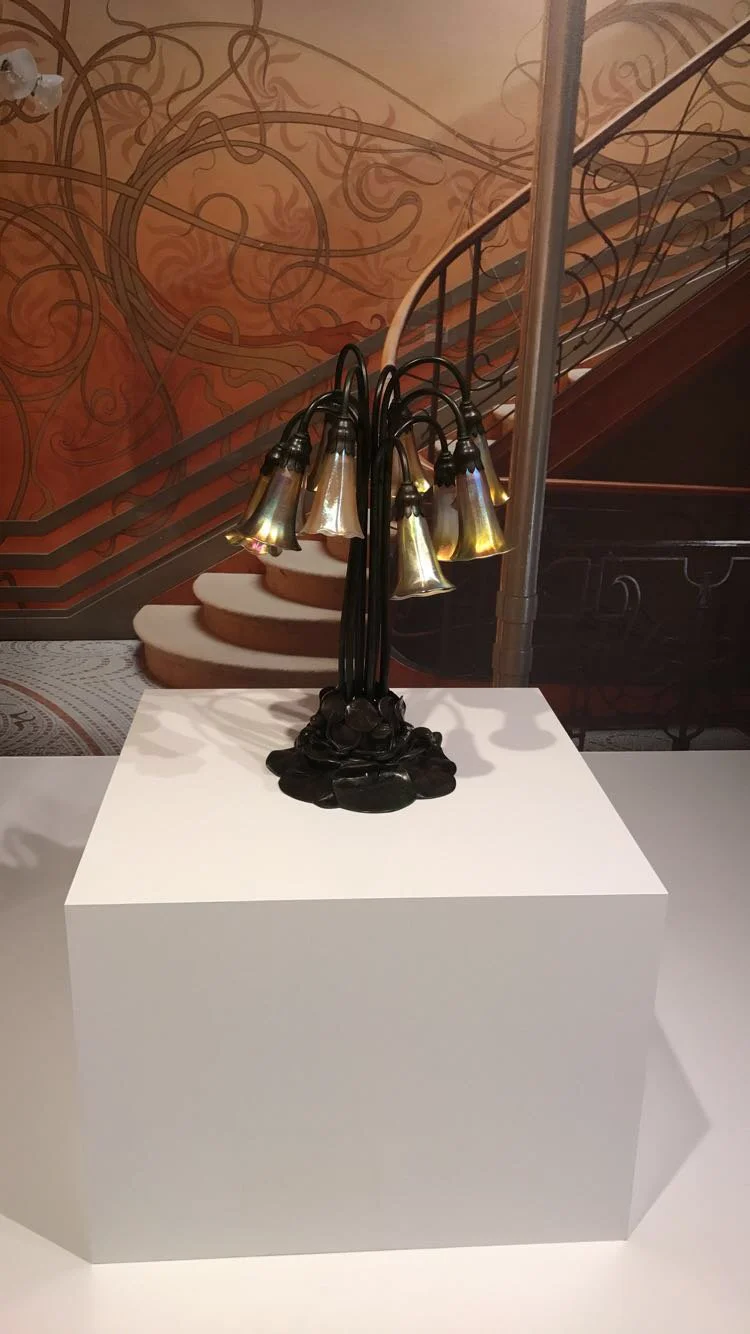
Then I took a step back with some older but nonetheless remarkably impressive decorative art pieces.
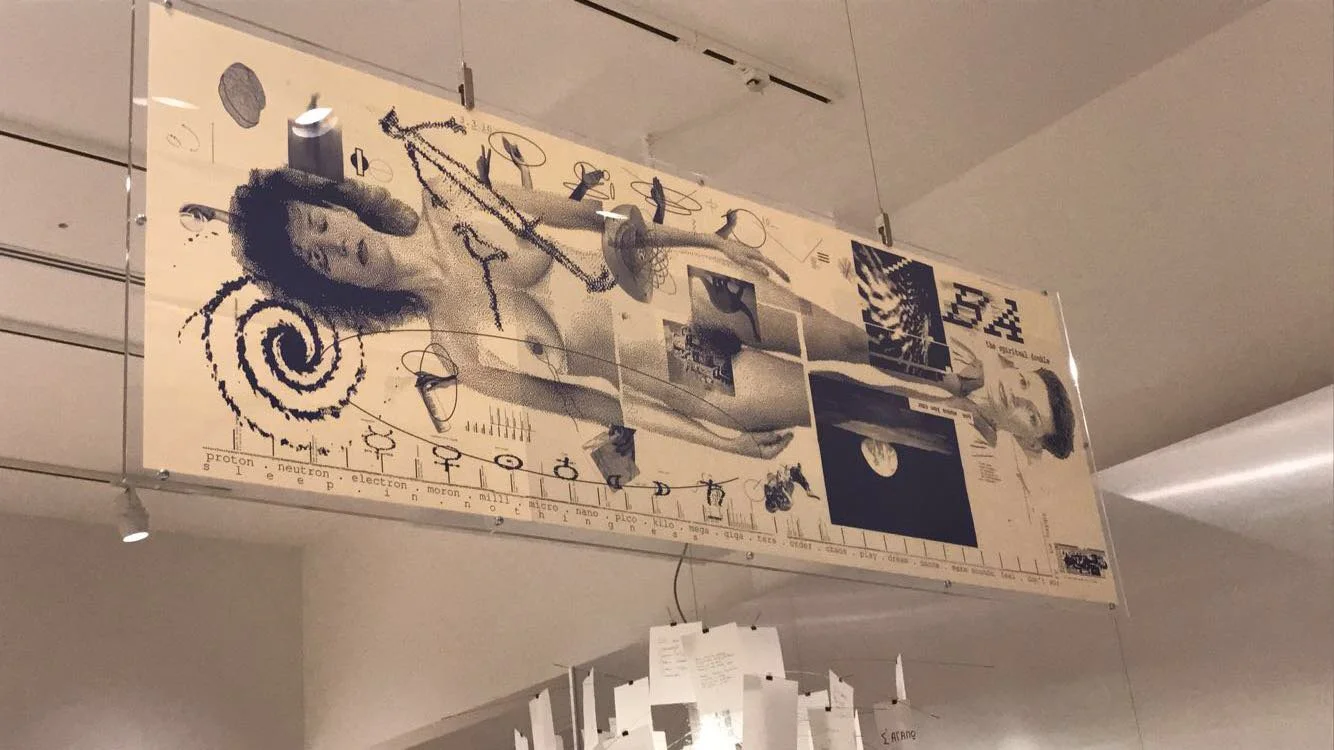
Hanging above the next section of the design wing was a monumental poster by April Greiman called Does It Make Sense?. An early adopter of computer tehcnologies for visual design, Greiman made the piece originally in 1986 using MacDraw on the original Macintosh computer. It was conceived of as the artist’s contribution to Design Quarterly magazine to showcase the possibiliies of digital collage and to rethink how both the magazine and techonology could be used. The original piece was printed in such a way that it folded up to look like 32 pages of the magazine until it was unfurled to reveal all the pages were connected and created this two foot by six foot image which must have been an incredible reveal.
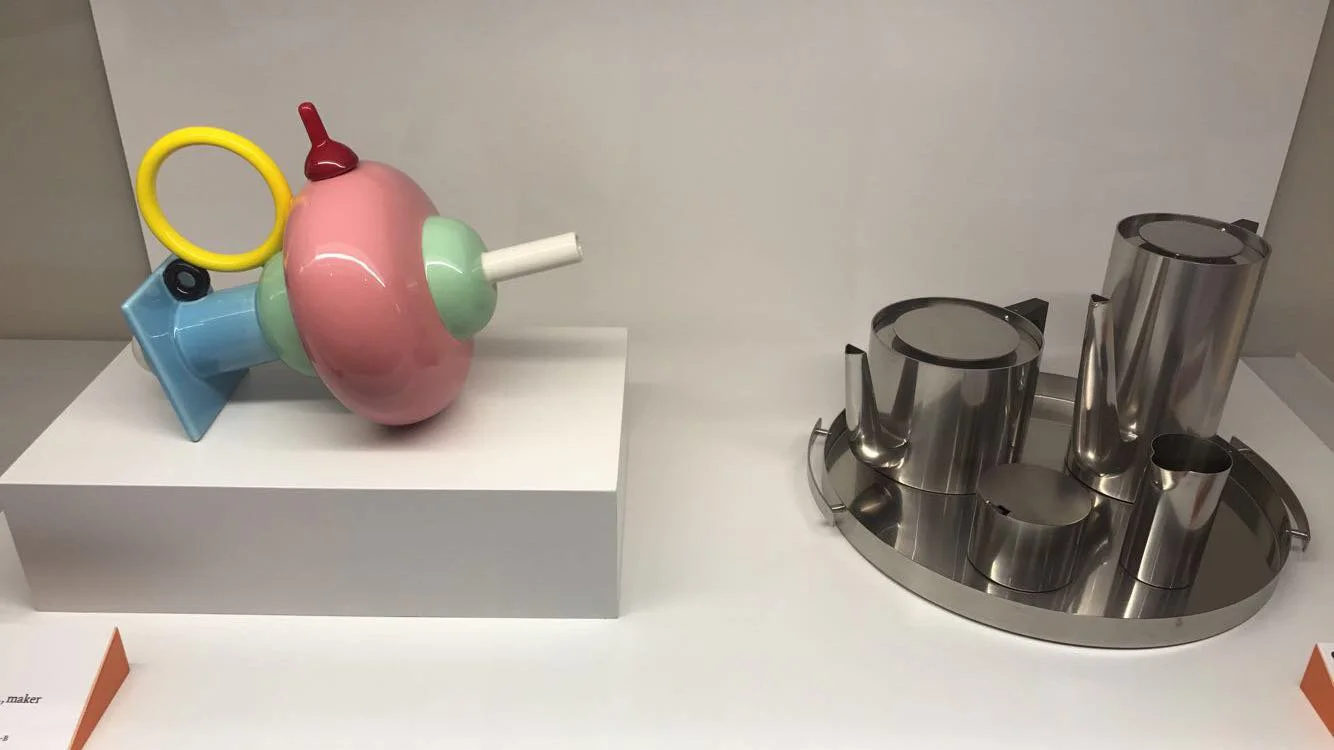
The next display featured some really endearingly wacky approaches to housewares:
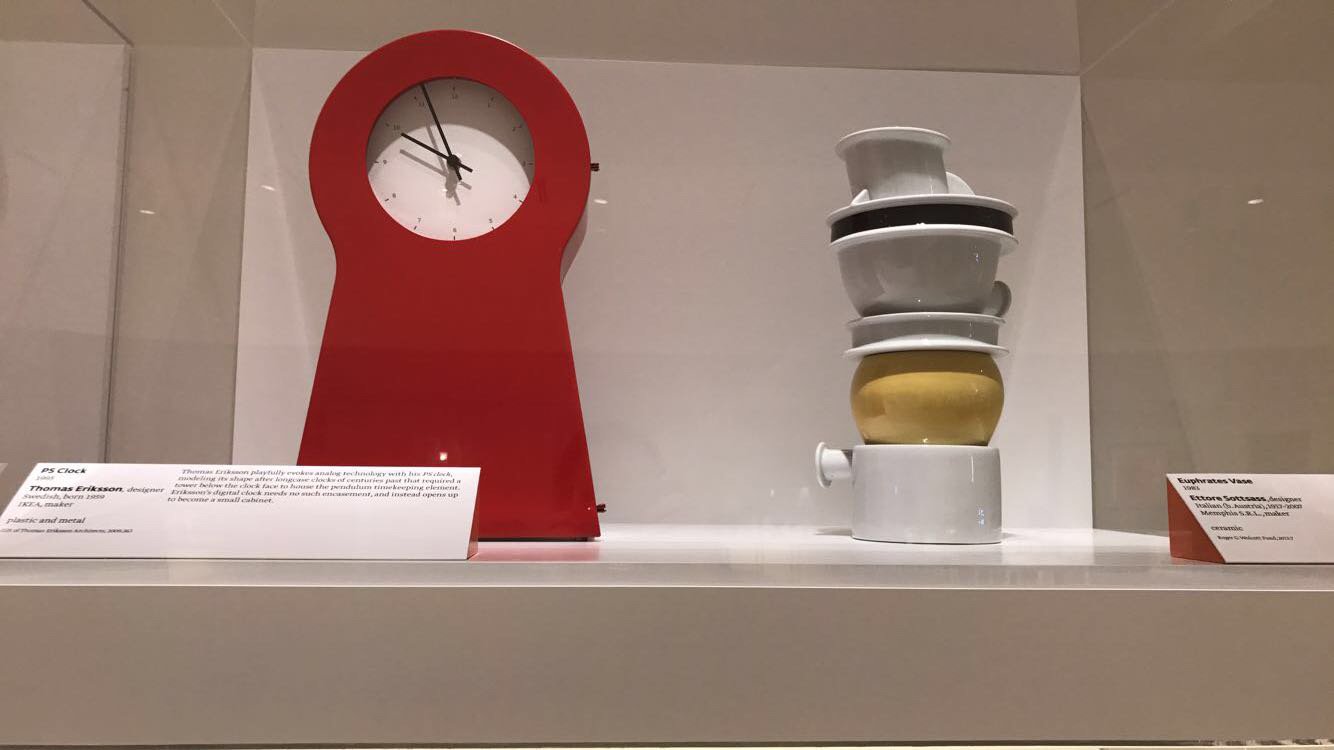
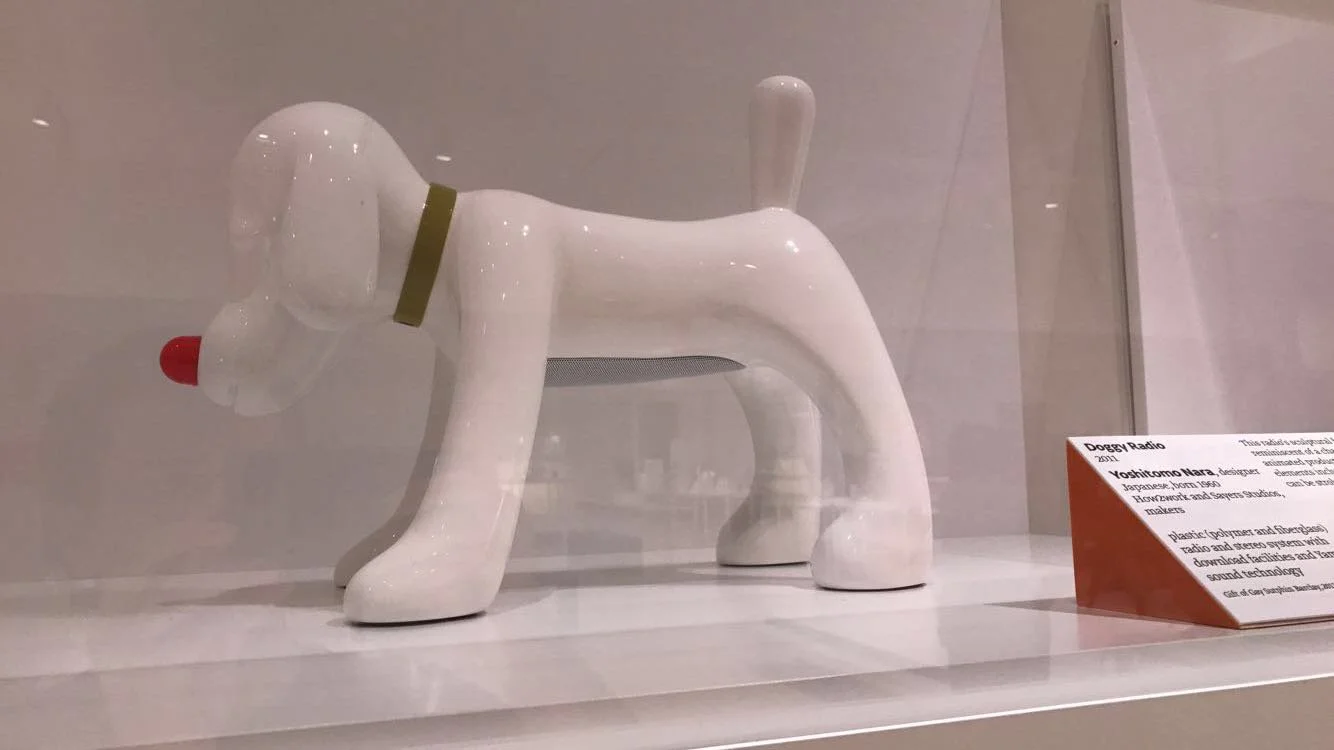
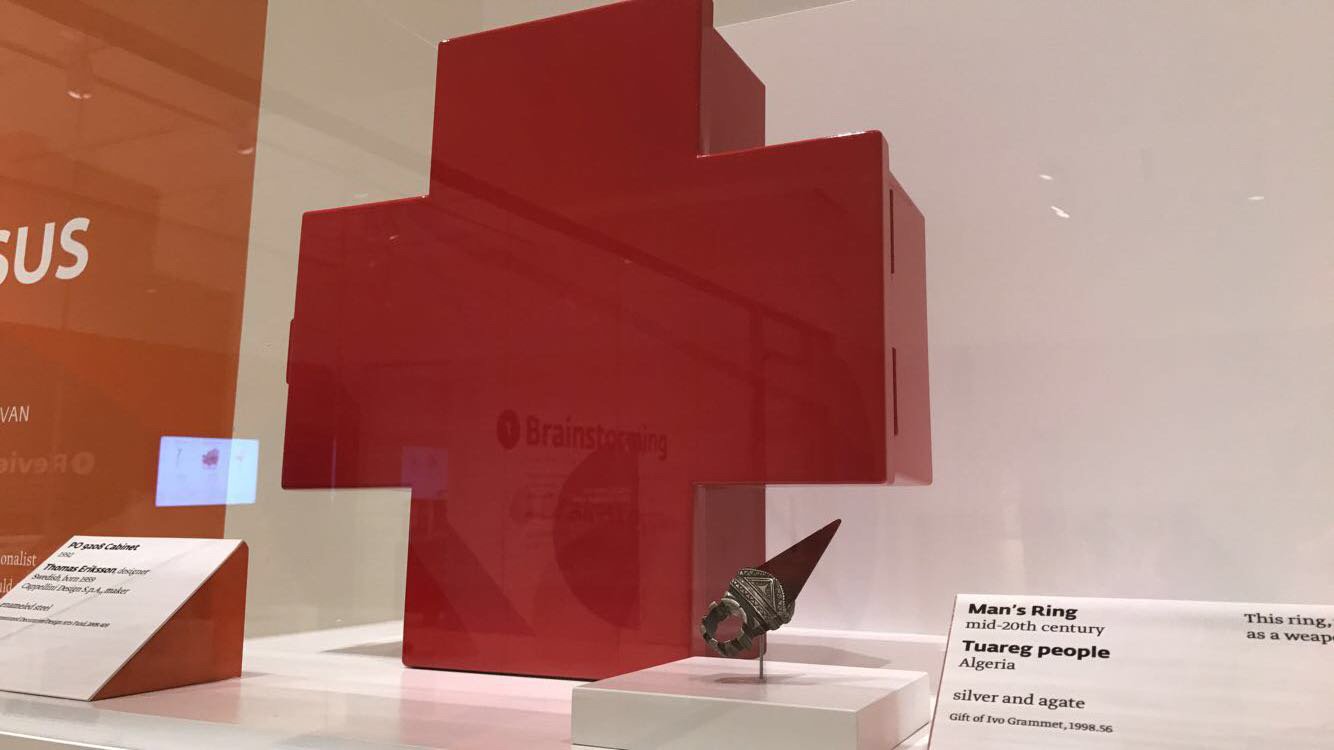
This next display really baffled me because, while the the items were cool, I’m not sure what the connection between an Ikea medicine cabinet and a traditional Algerian ring that can also be used as weapon are.
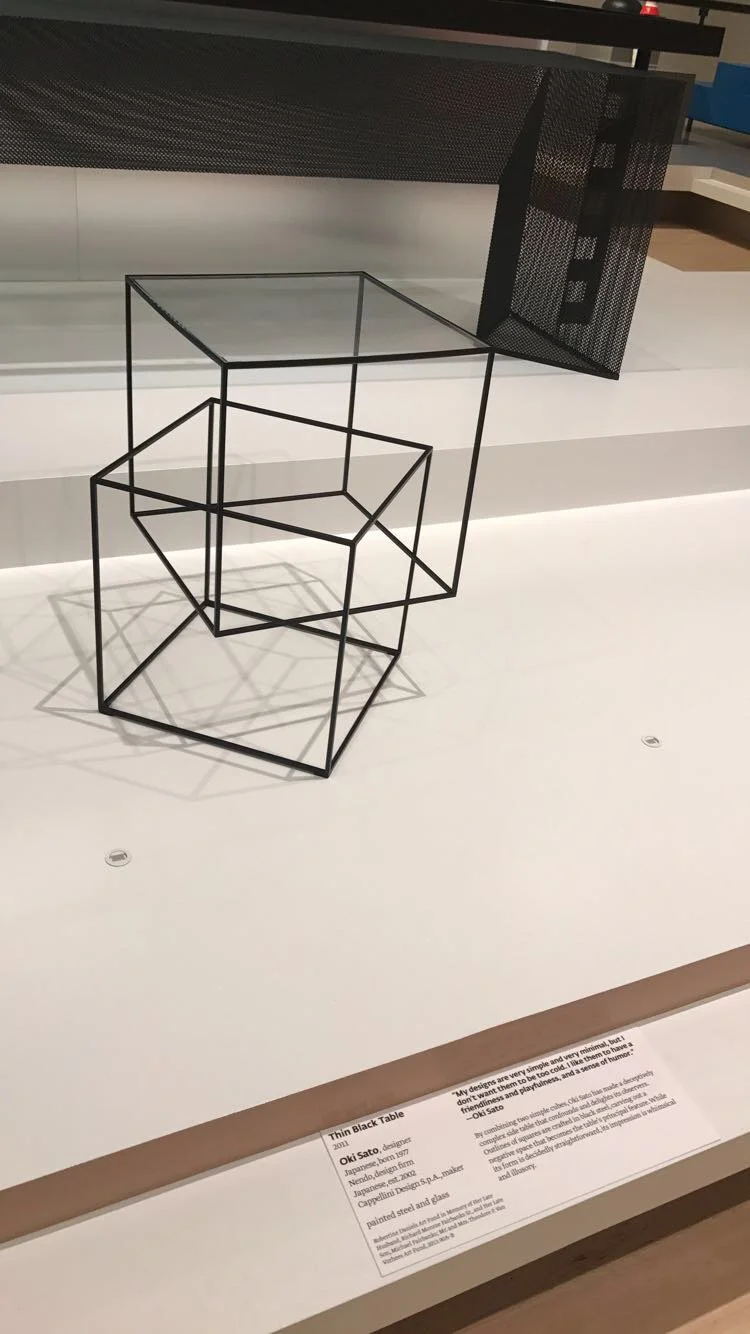
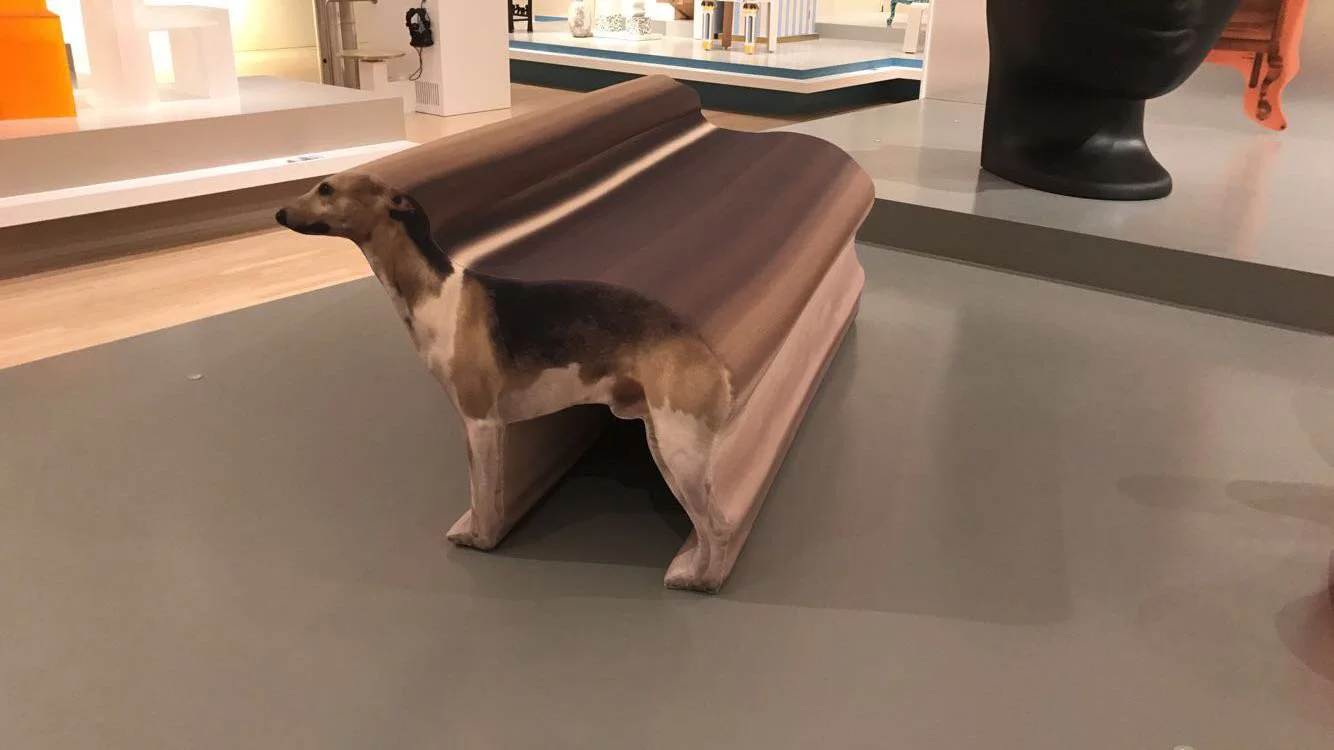
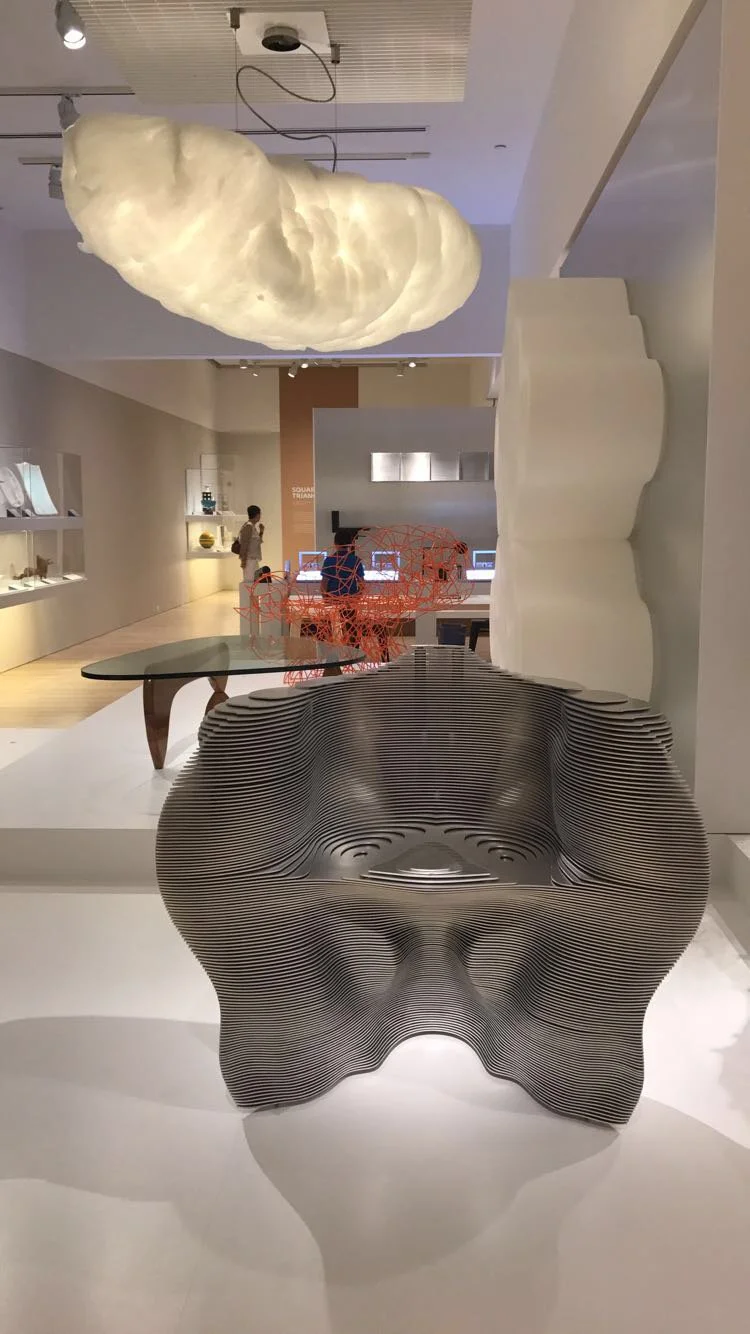
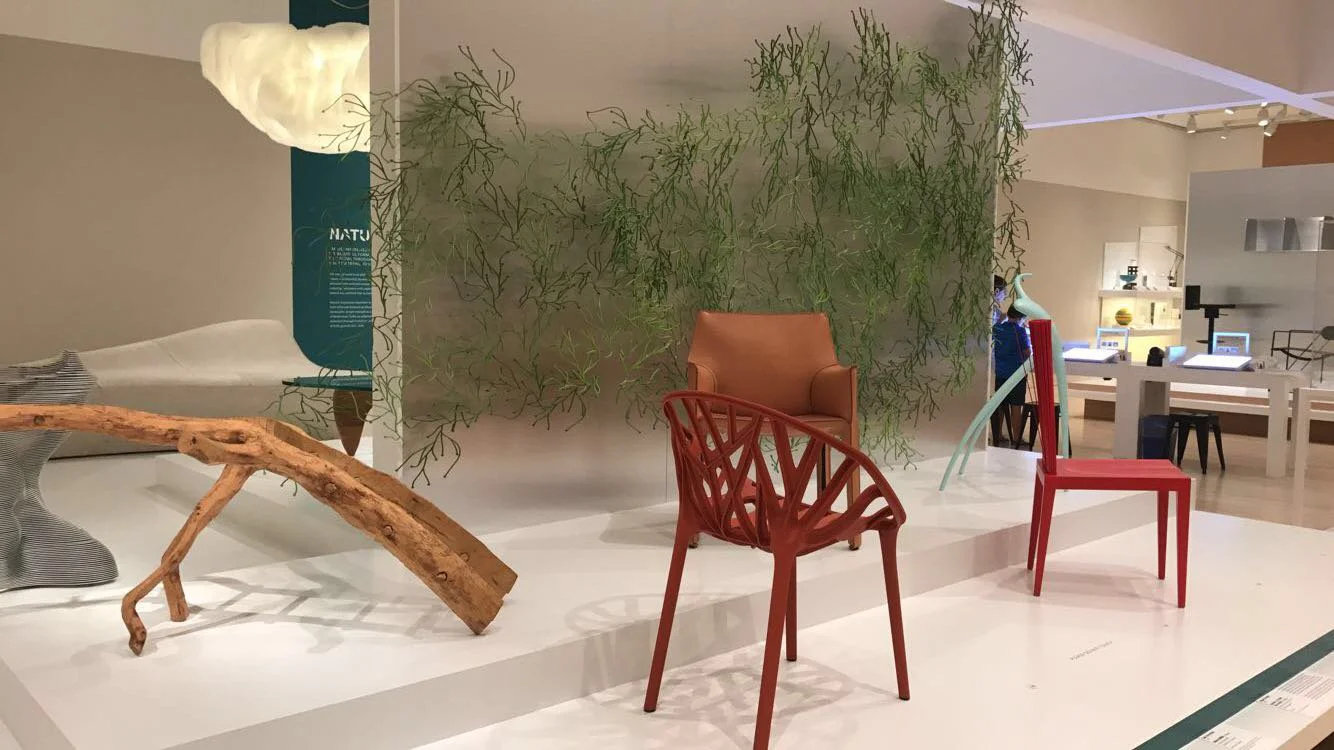
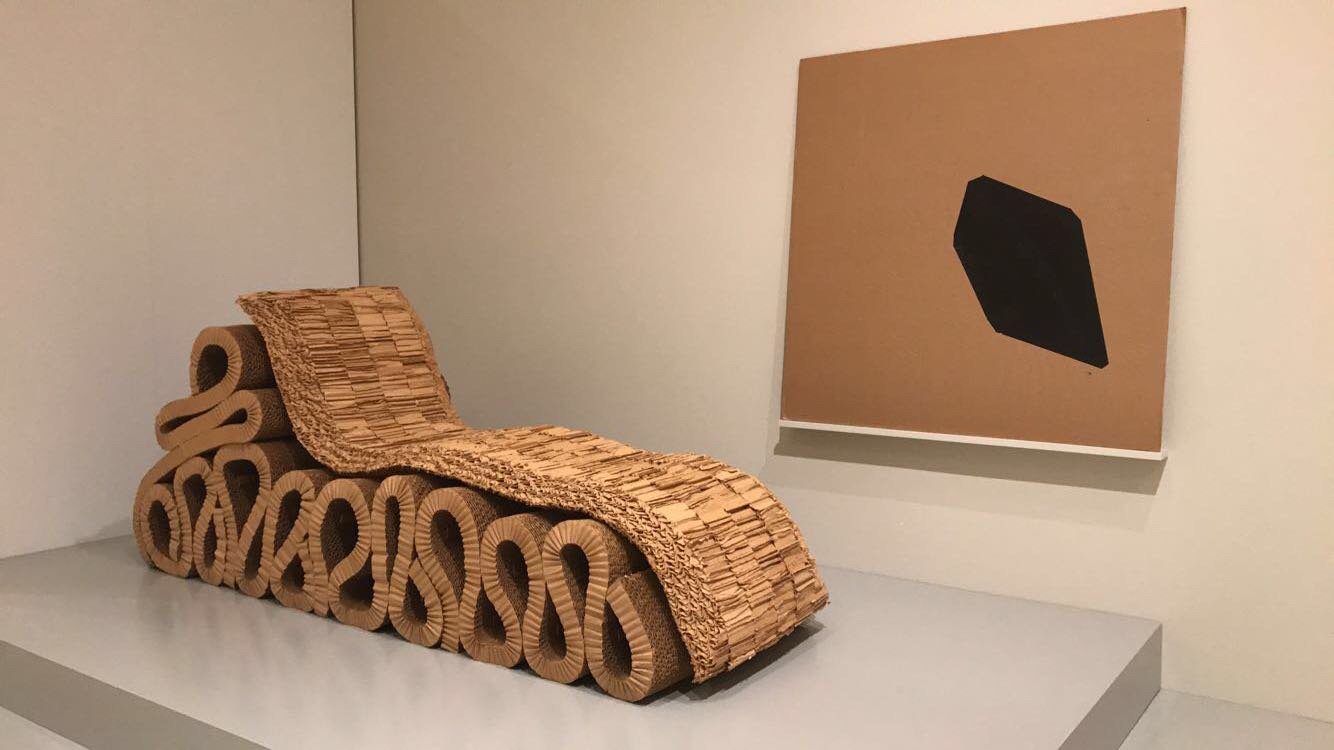
Next up we had some more funky furniture:
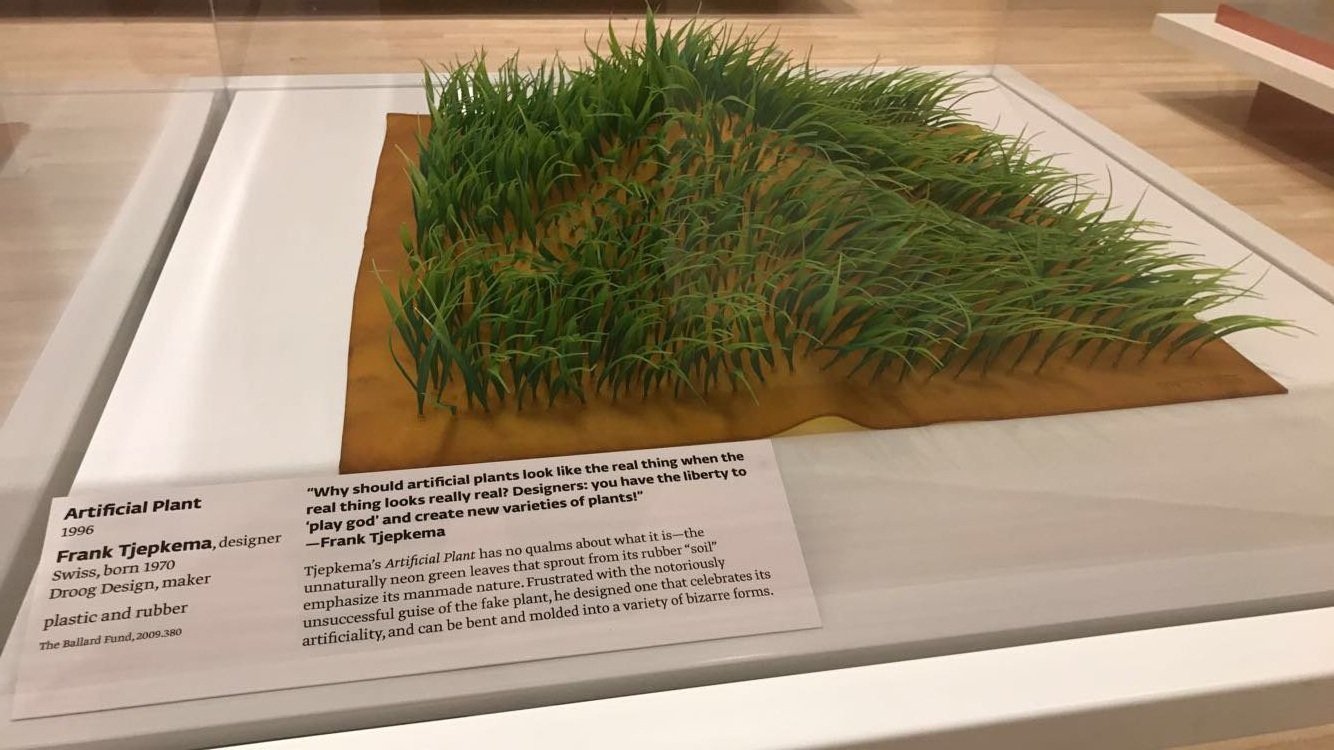
I really enjoyed this big artificial plant by Frank Tjepkema which is probably the most harmless way someone has bragged about “playing God.
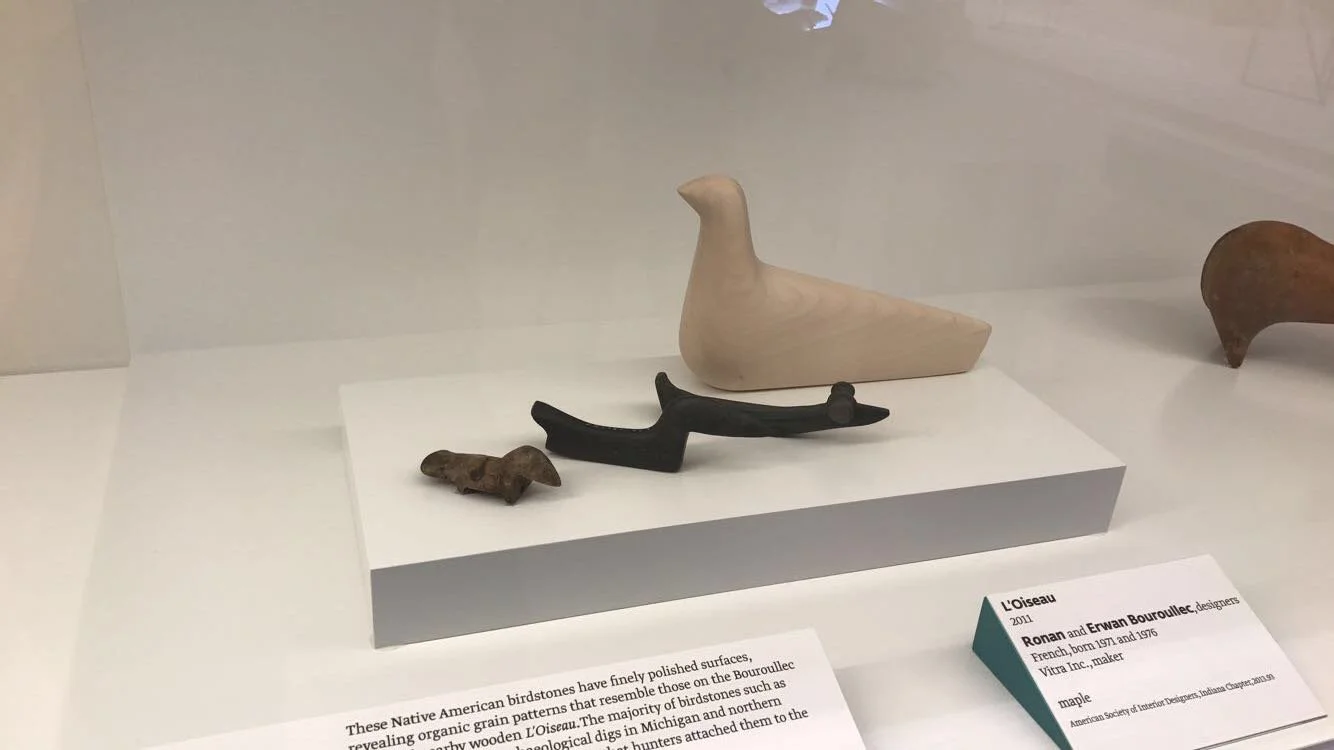
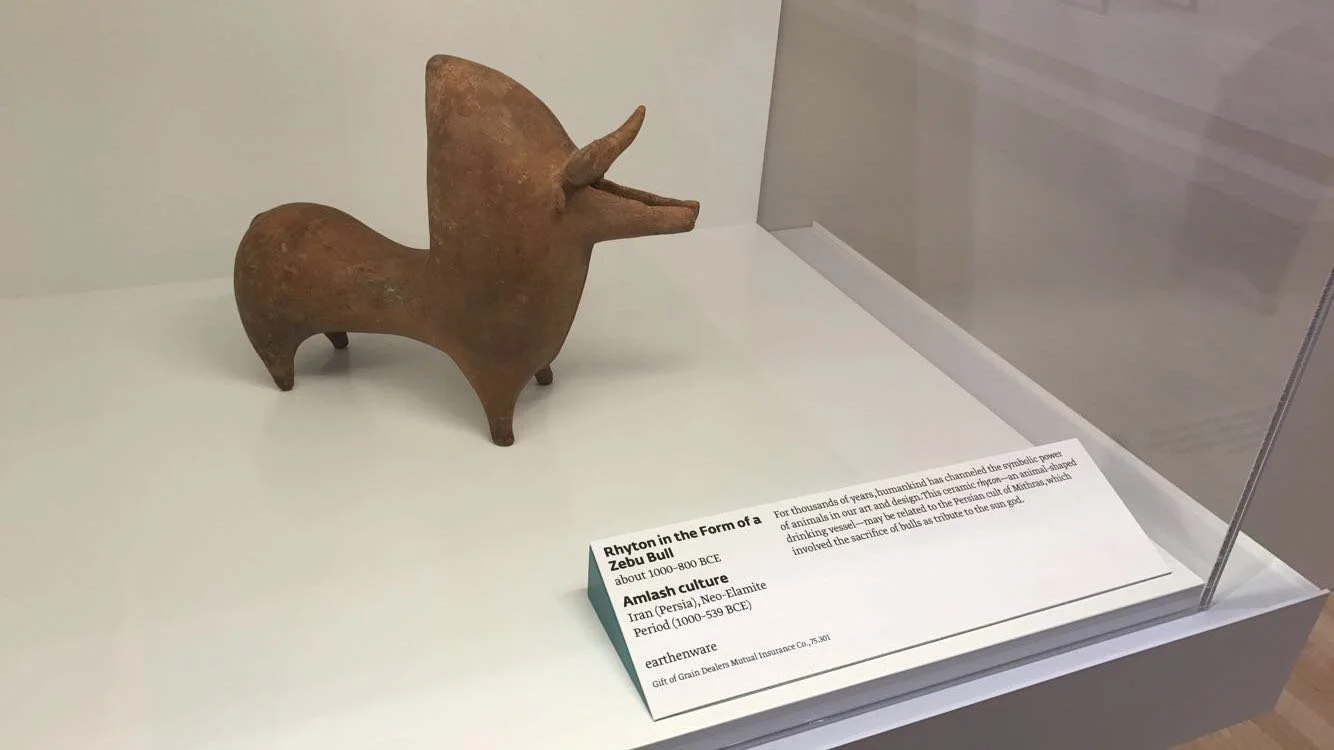
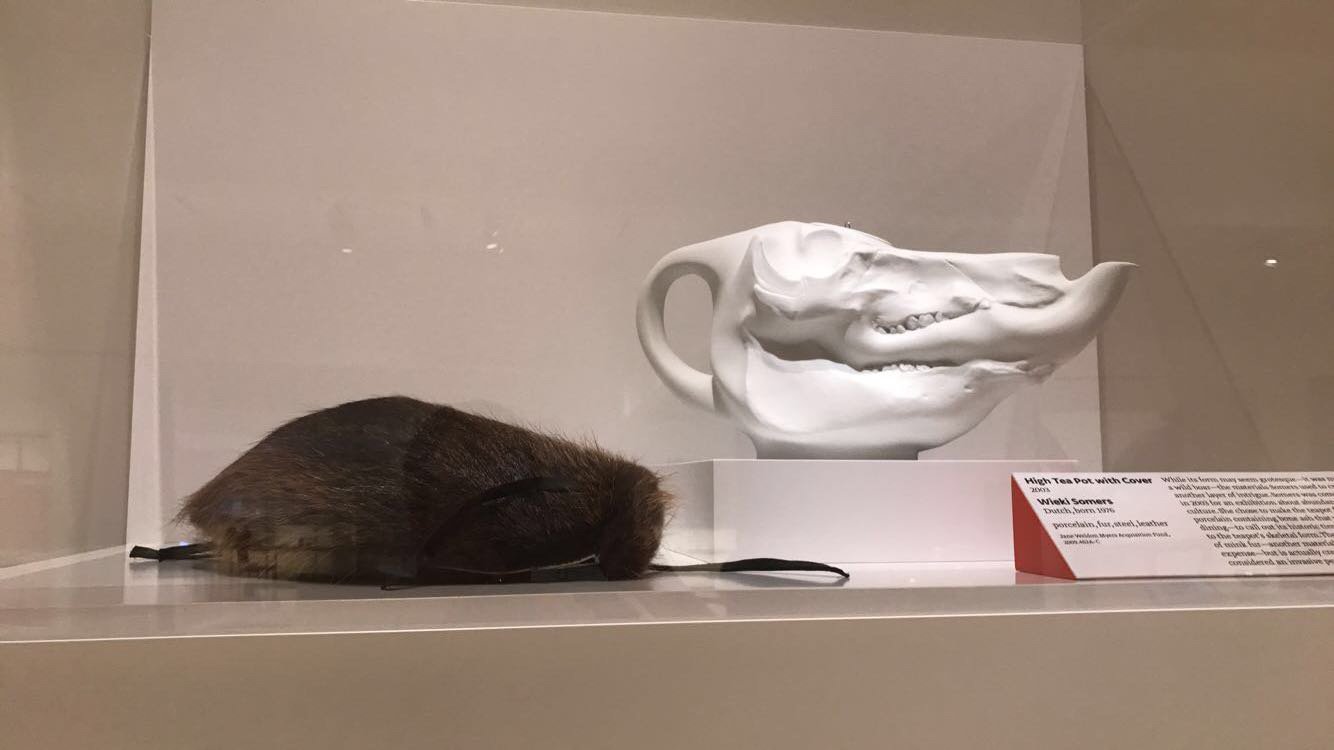
Next up we was a display that showed how ancient pieces used animal forms in their designs for everyday objects and how these patterns and techniques have continued into the modern day.
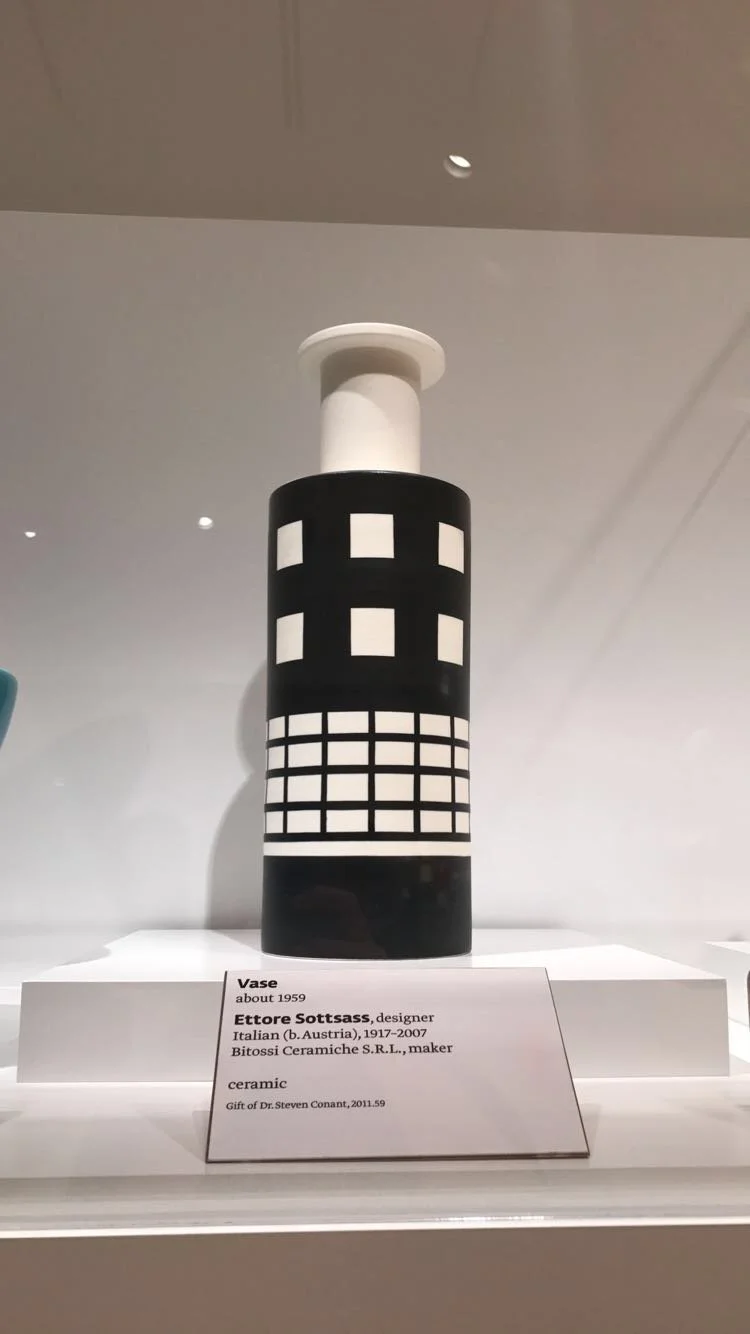
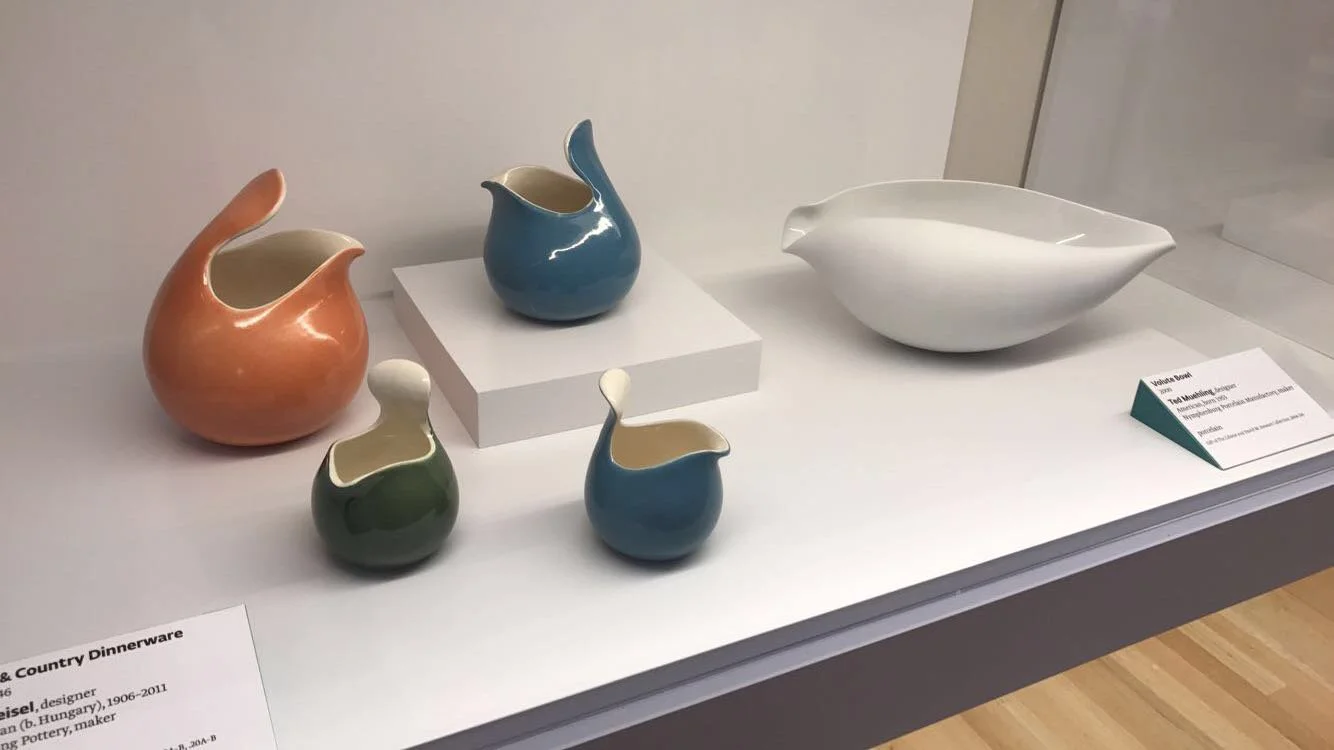
Then we had some sleek minimalist ceramics:
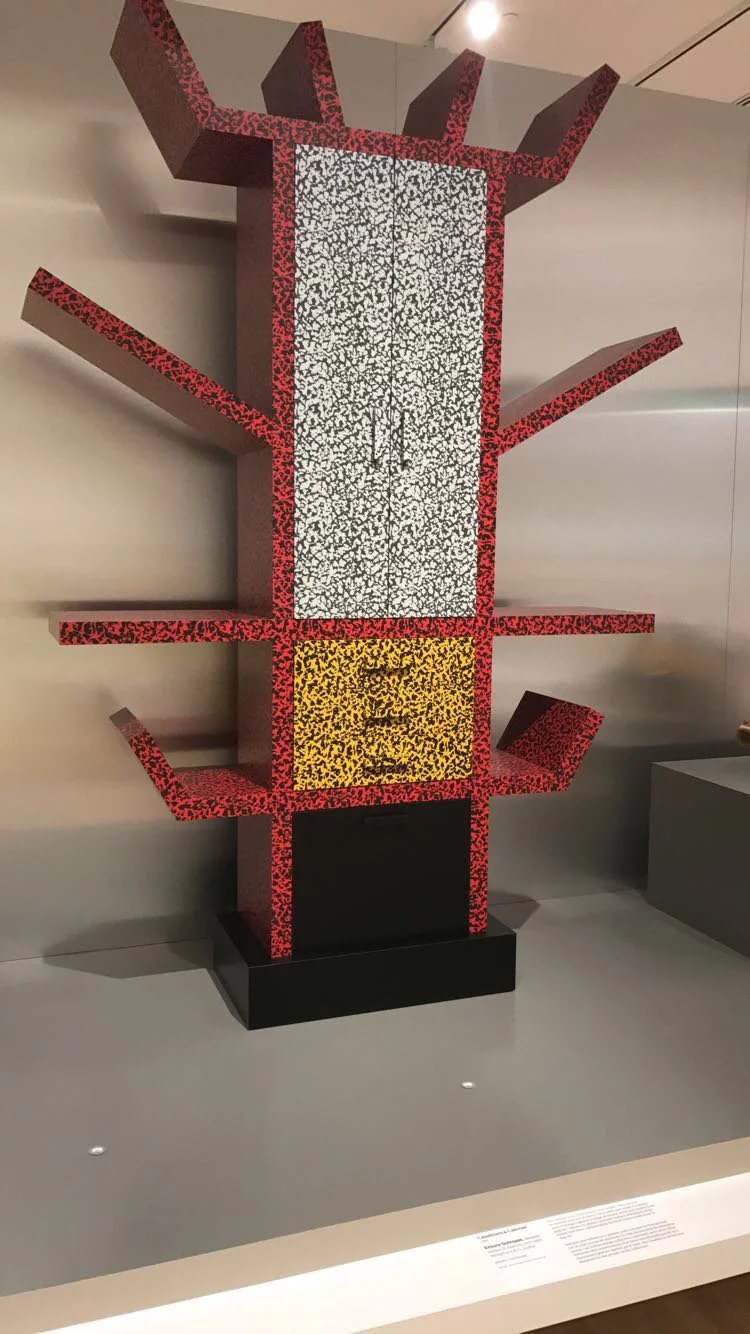
On a more maximalist note, next up was the dramatic Casablanca Cabinet by Ettore Sottsass which is a striking and wonderful piece of art but something I would be so weirded out to see in someone’s apartment.
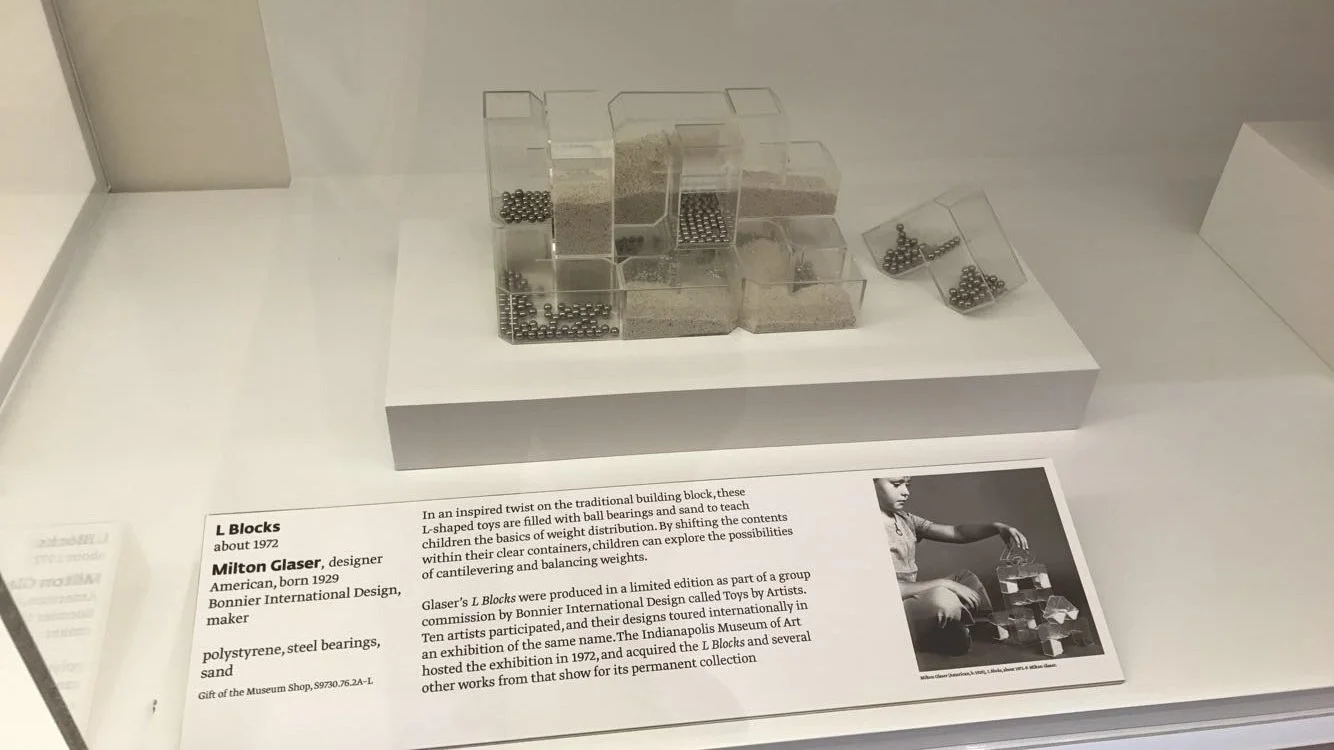
The next display had a fun bit of Indianapolis Museum of Art history in the form of weighted blocks designed by the artist Milton Glaser as a children’s toy that added some more physics and balancing to traditional building blocks. The blocks were part of a series called Toys by Artists, that had been commissioned by Bonnier International Design. The art-toys toured the world as a group show stopping in Indianapolis in 1972 where the museum purchased the blocks as part of their permanent collection.
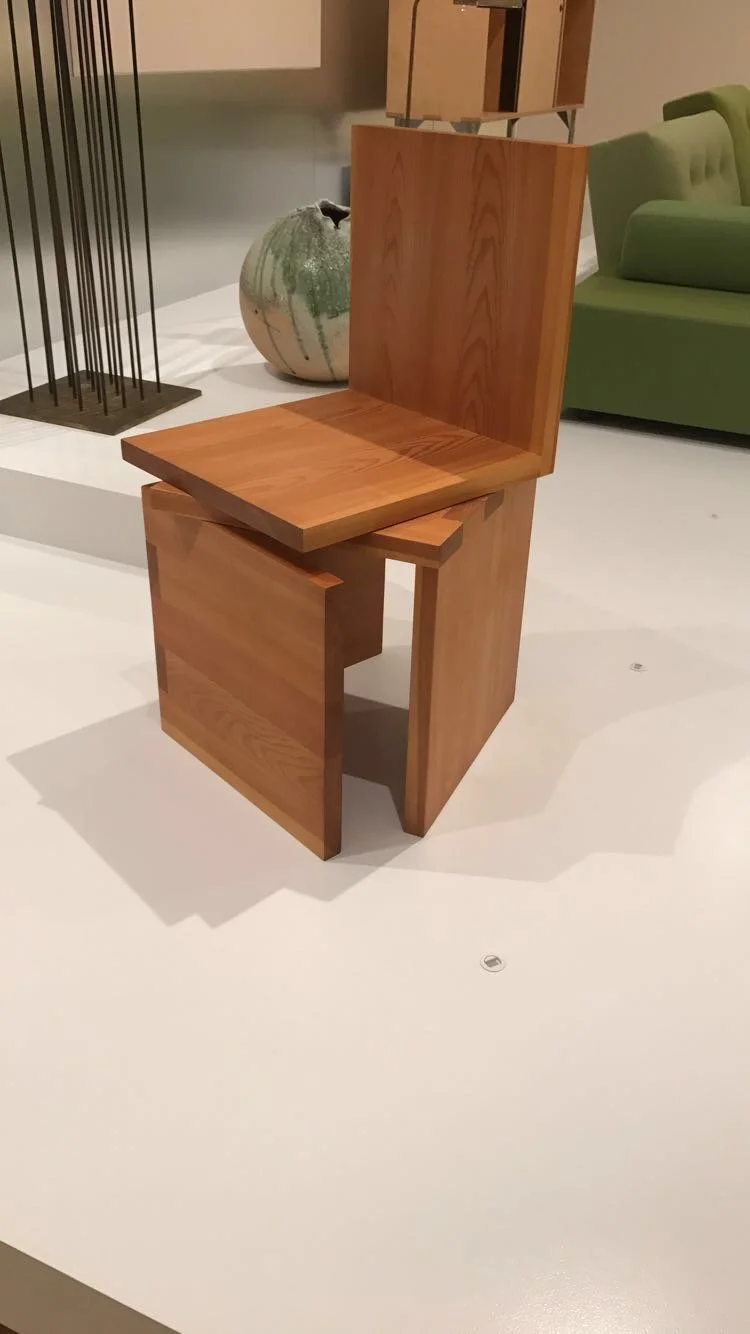
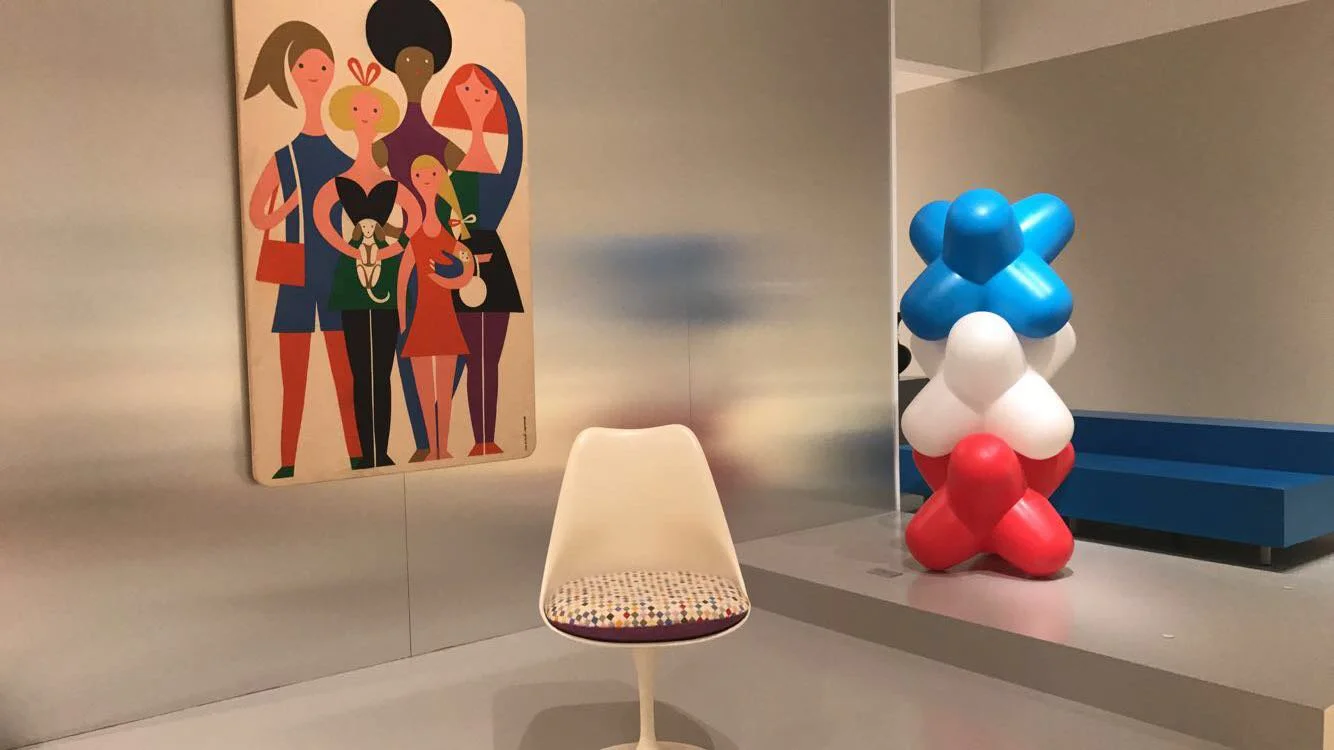
Next up it was back to more wild and crazy furniture:
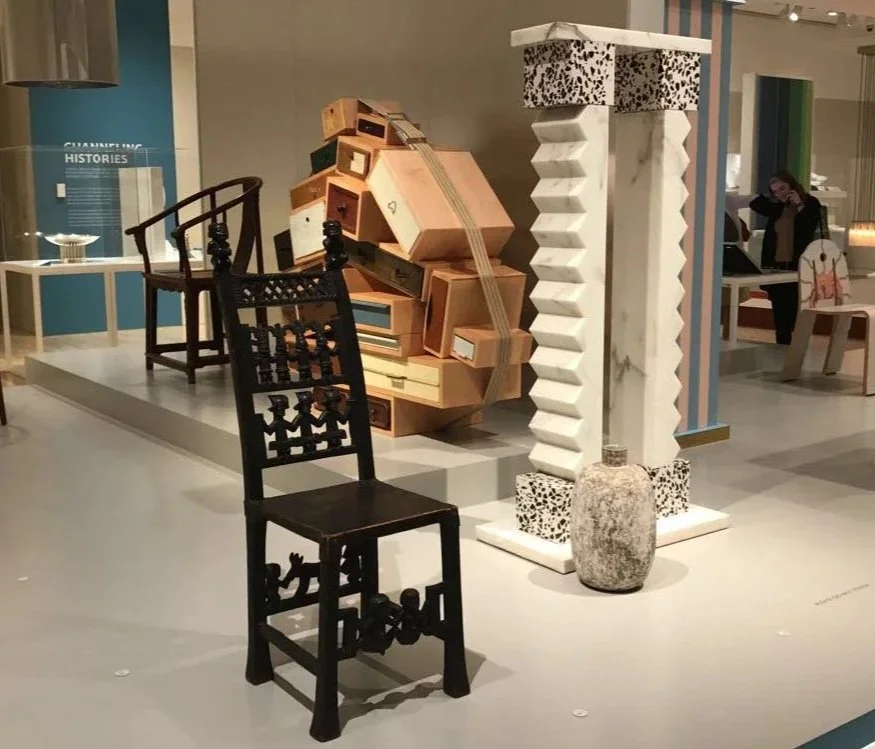
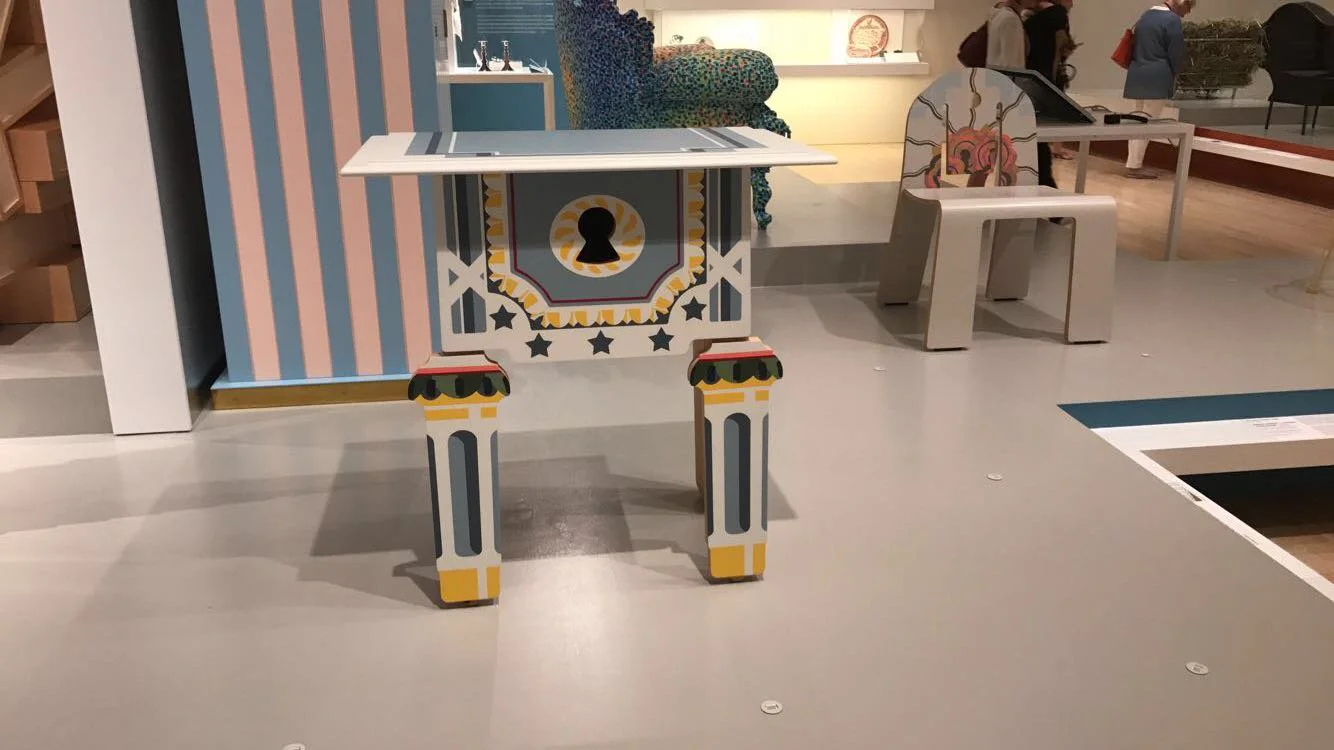
Next was some more incredible and eccentric tableware:
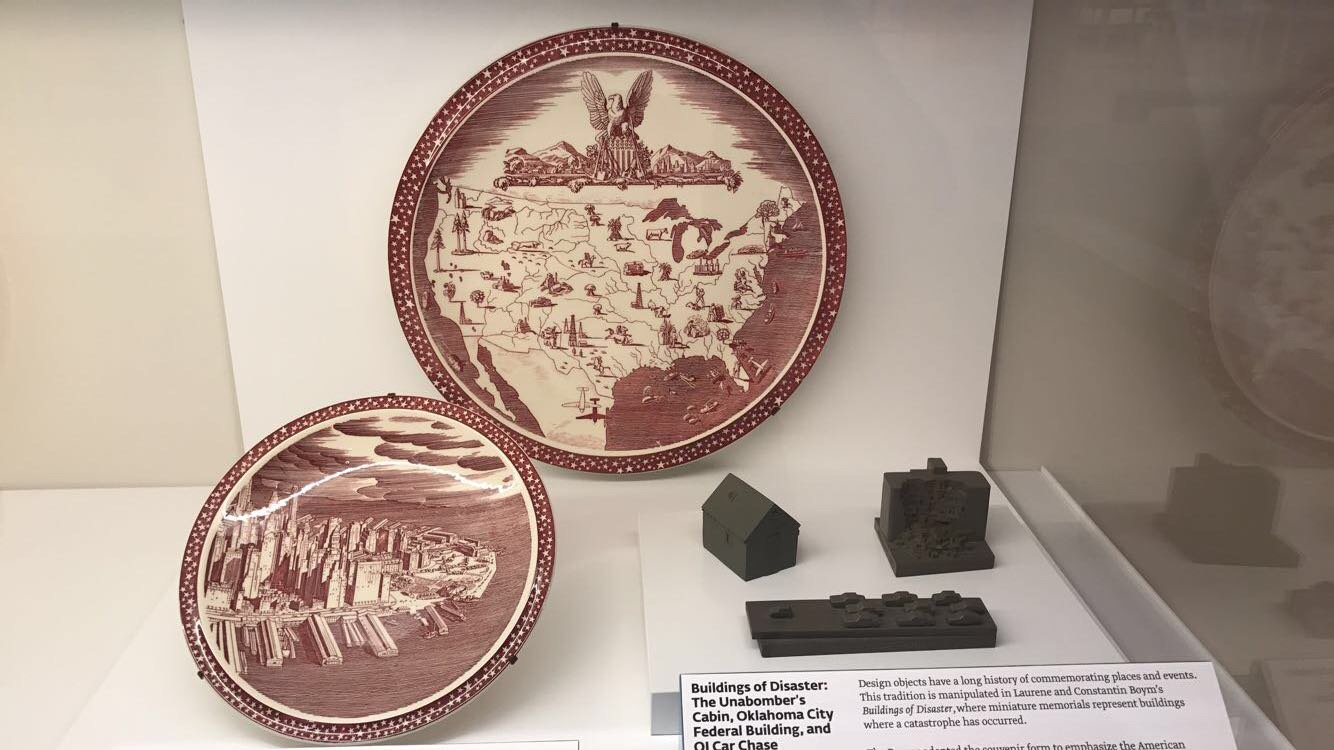
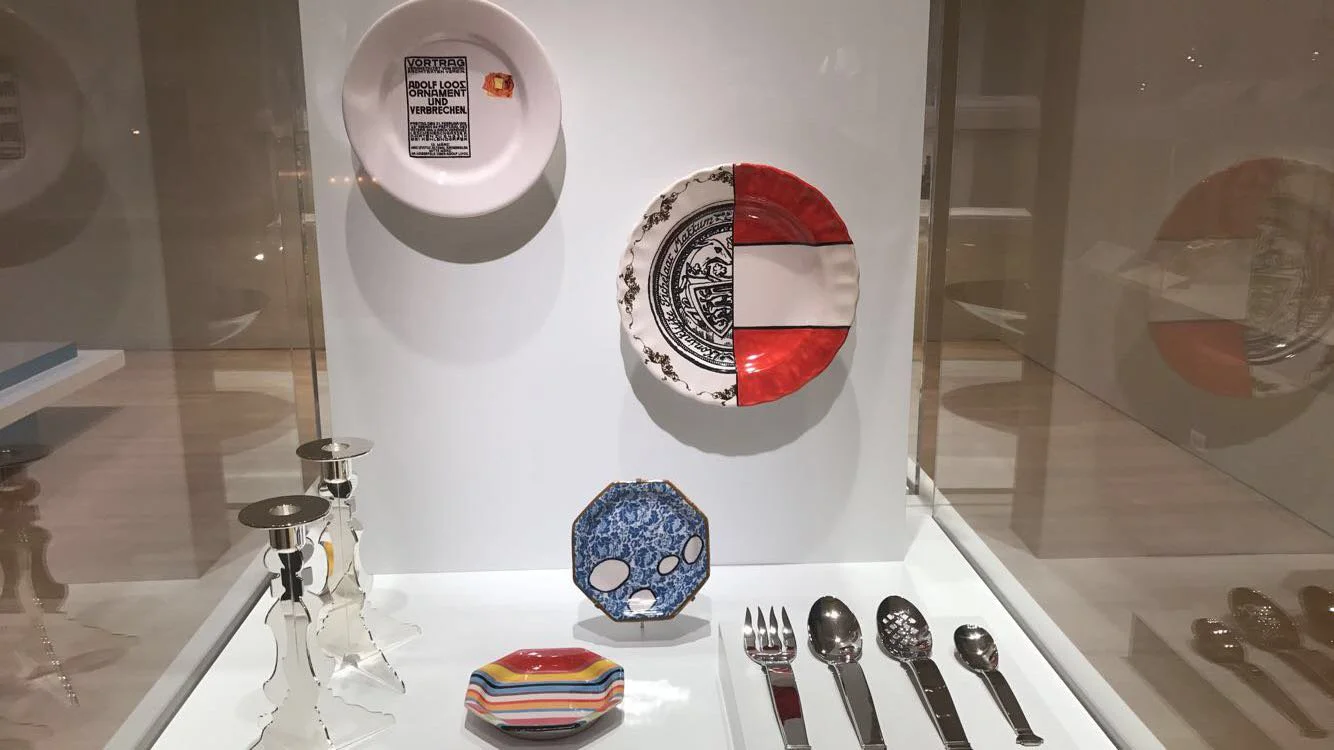
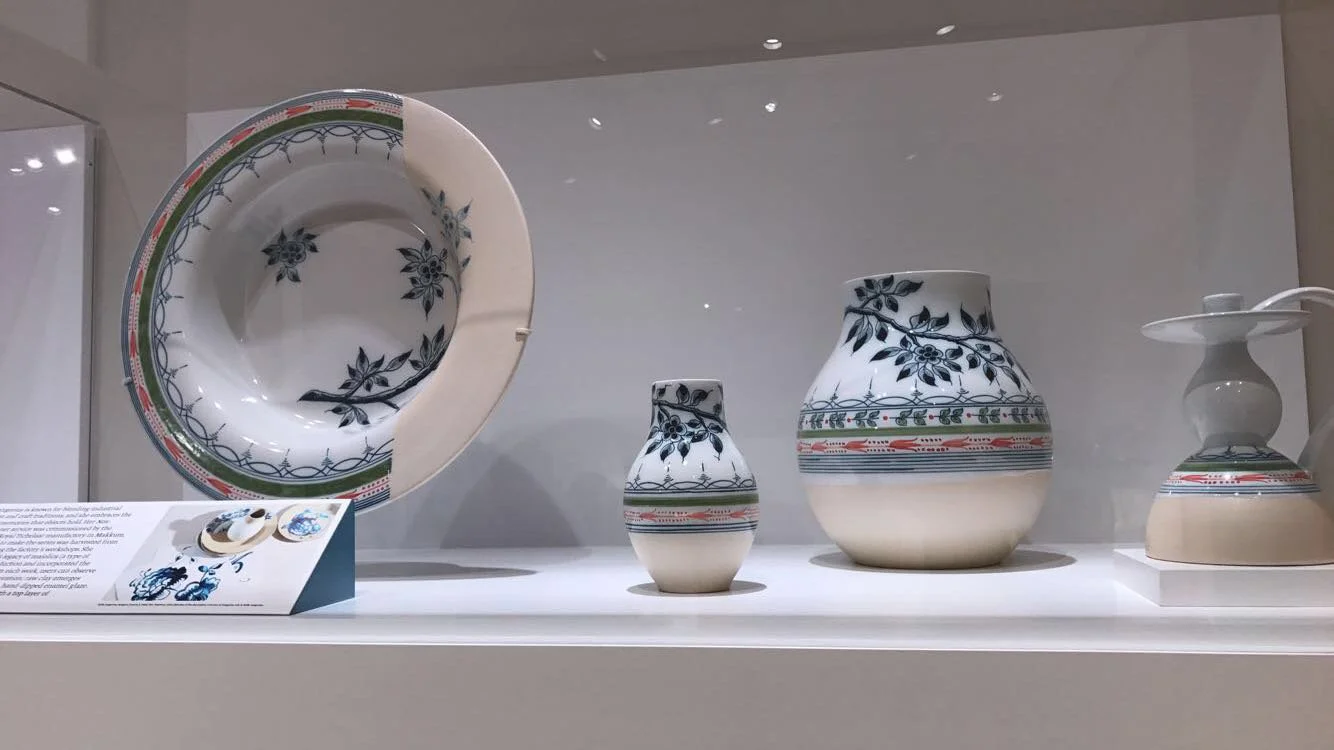
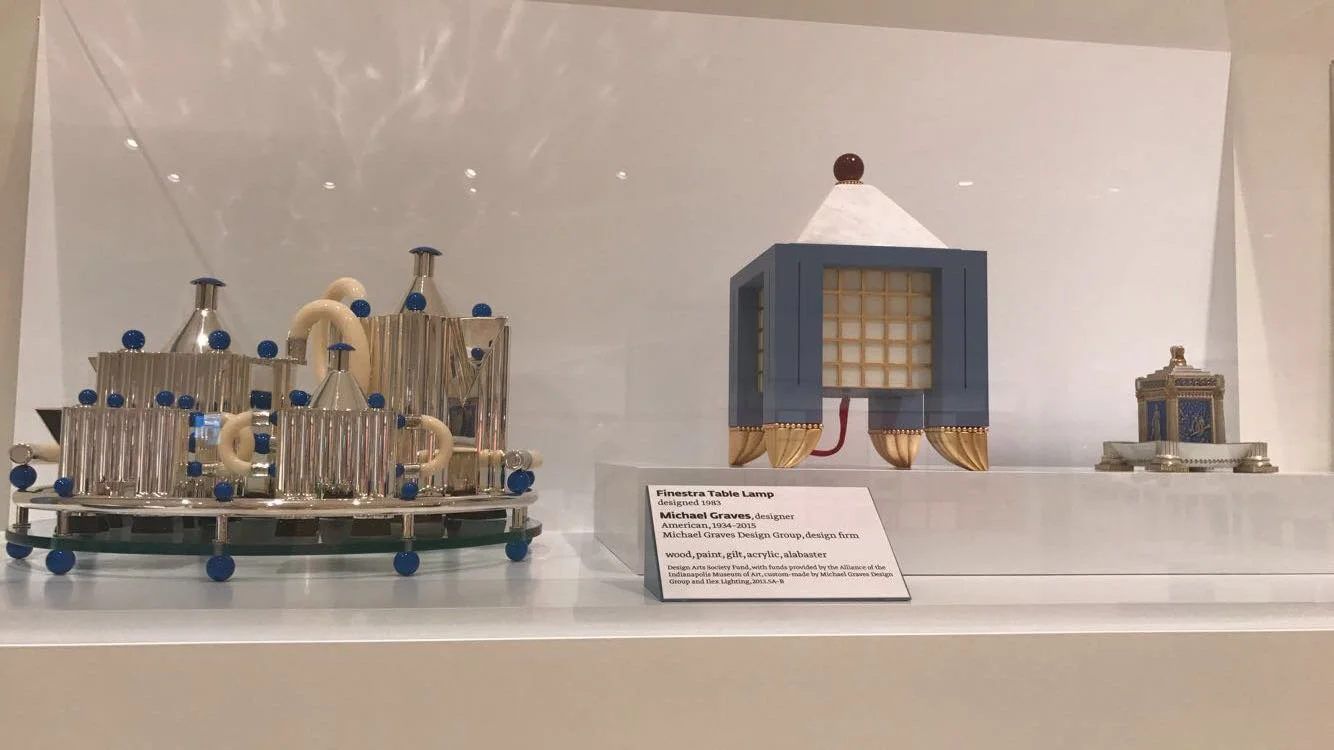
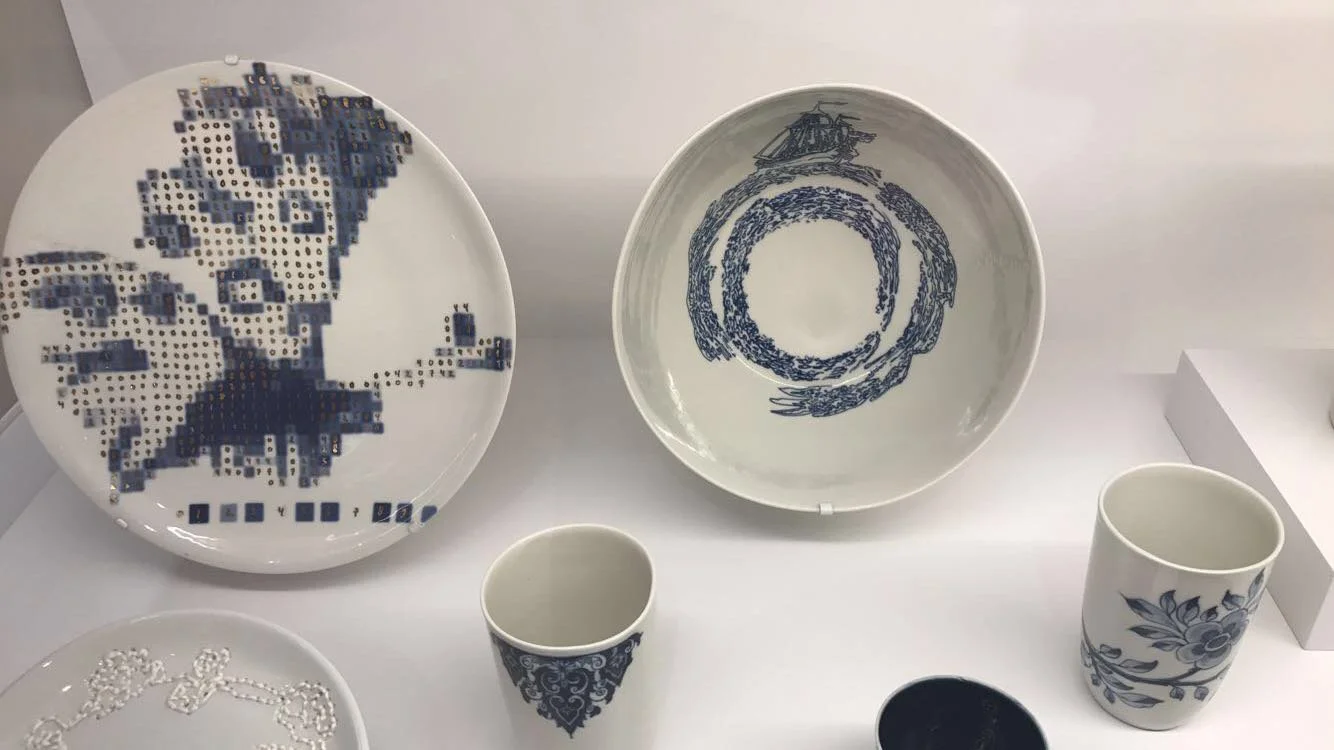
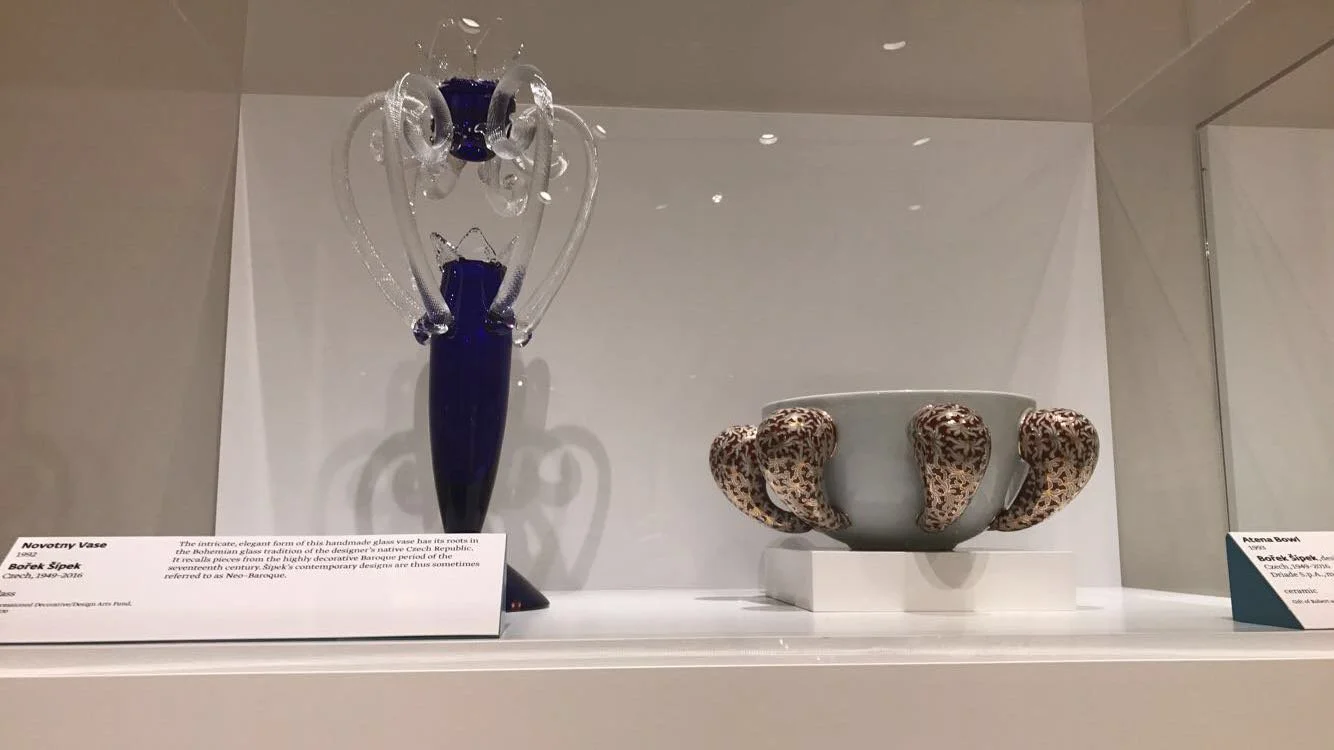
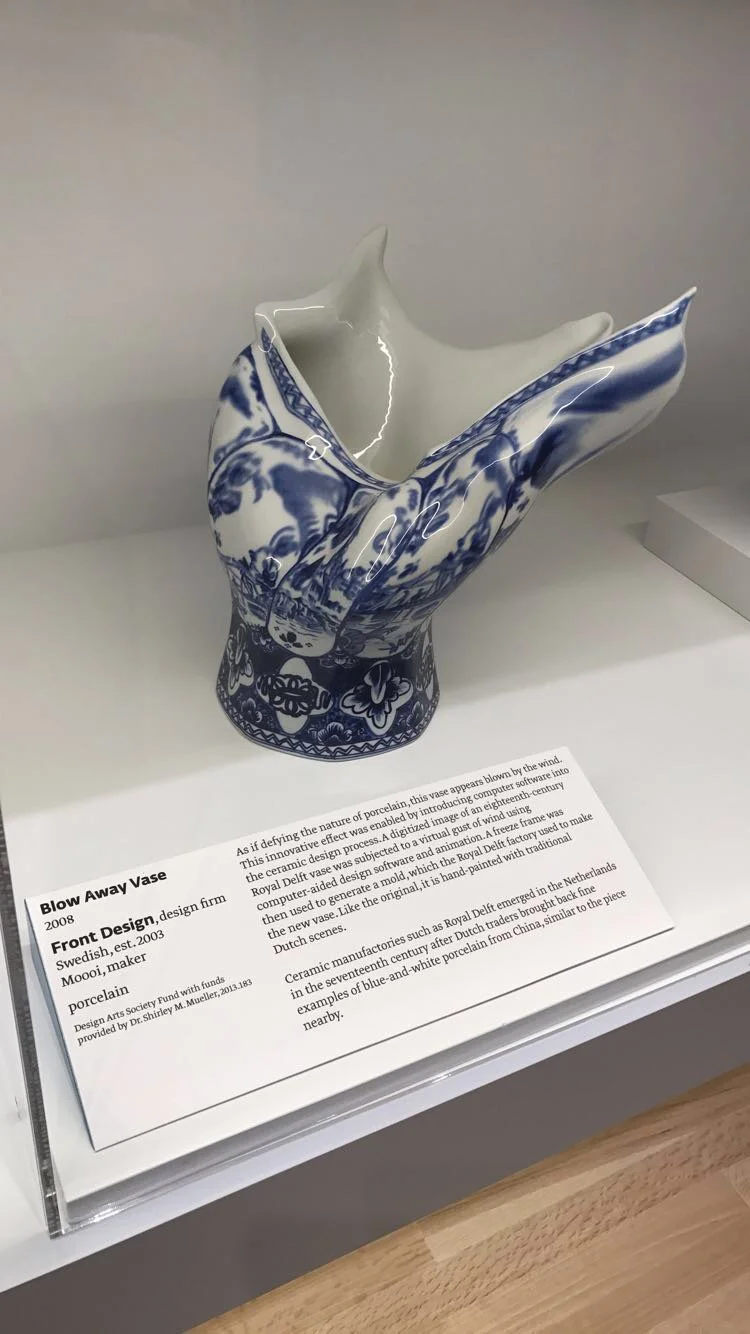
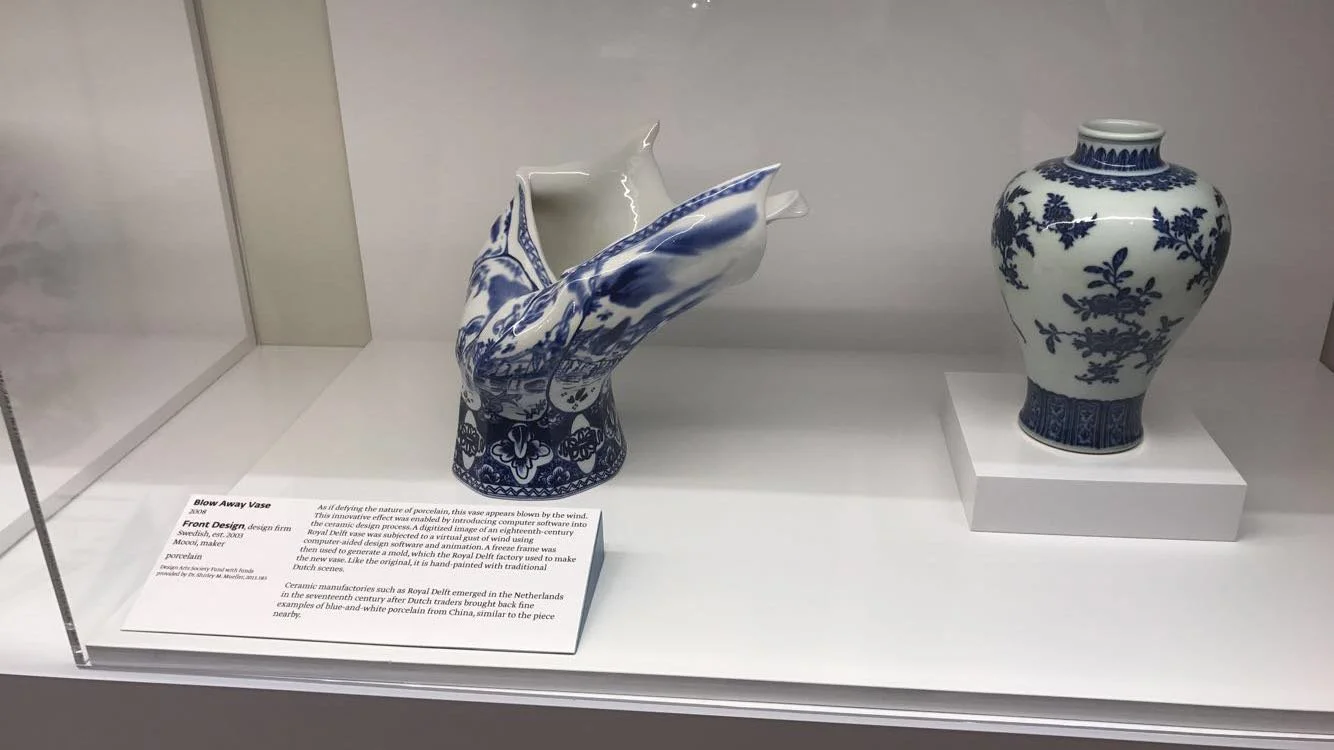
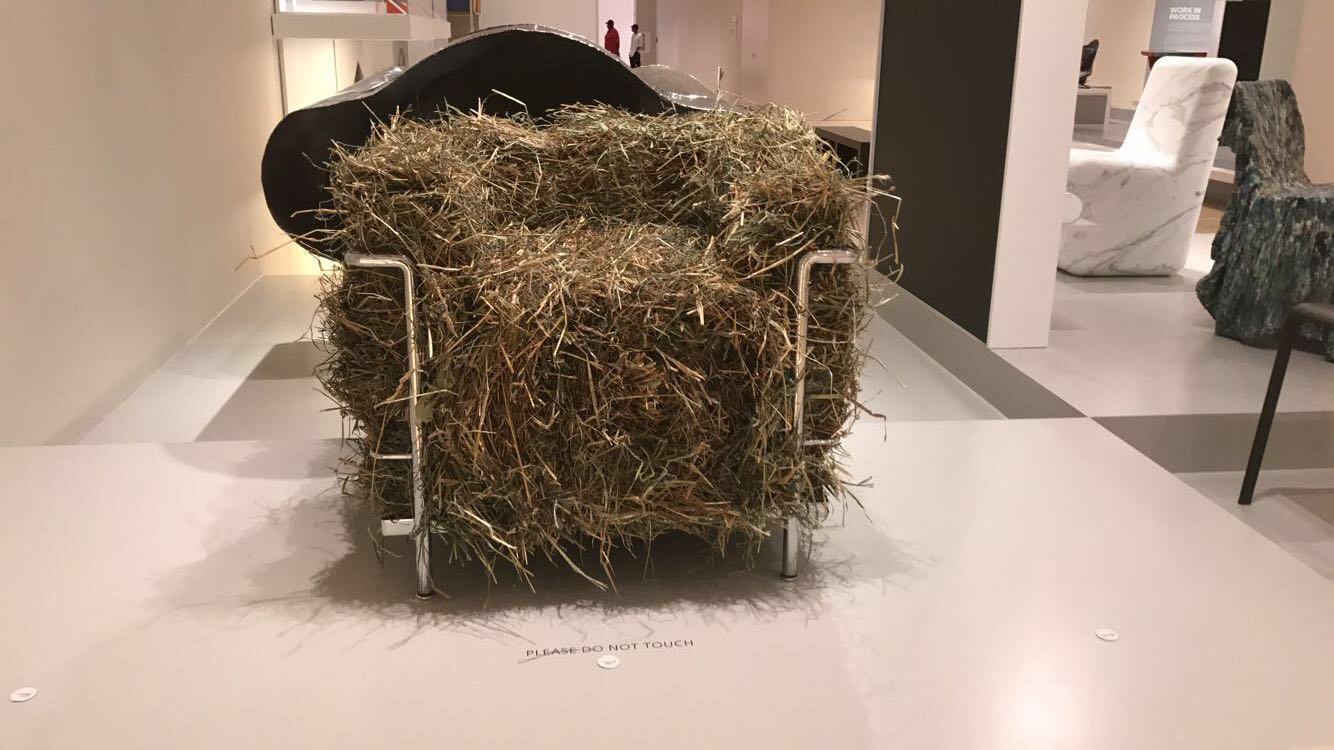
Next up was a cheeky modern twist on an ancient seating fixture called Naked Comfort by John Benson which featured a bale of hay carefully structured to look like an easy chair which is a great bit but I’m sure would piss people off in actual retail stores.
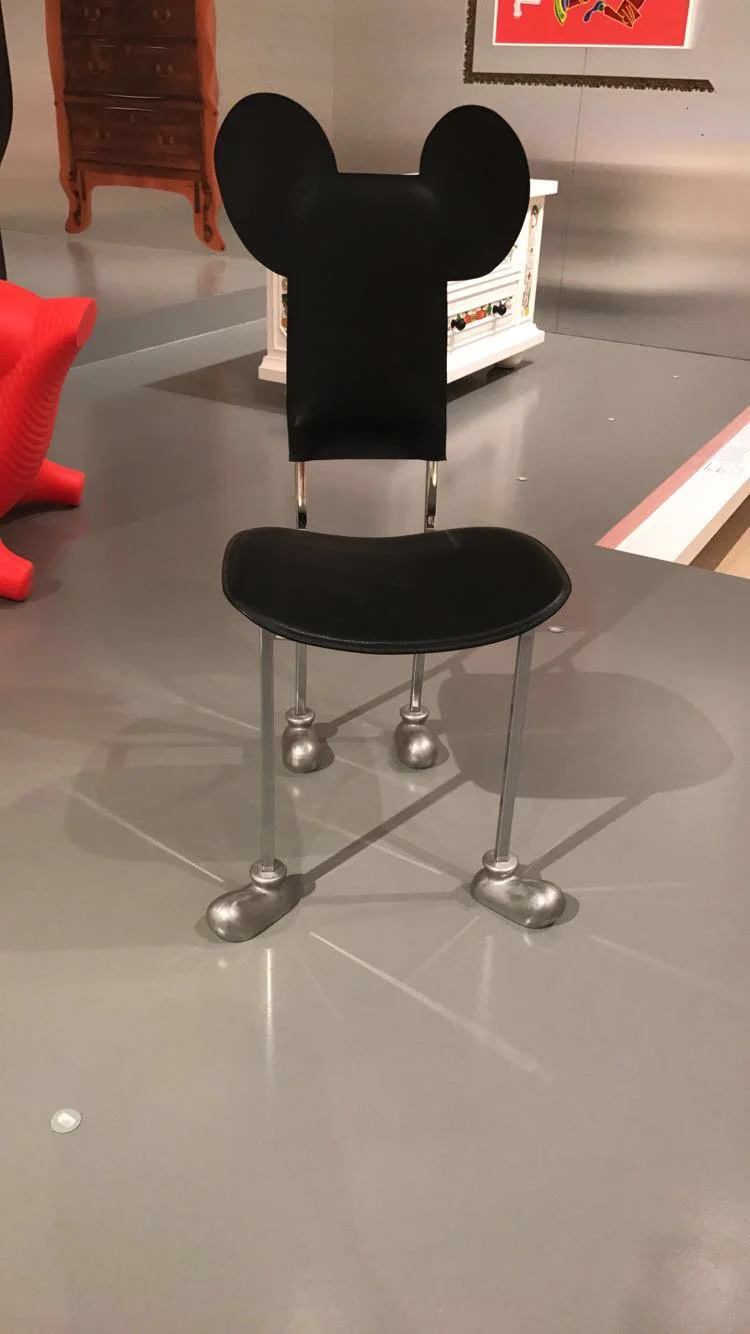
Next we had some more whimsically cartoonish furnishings:
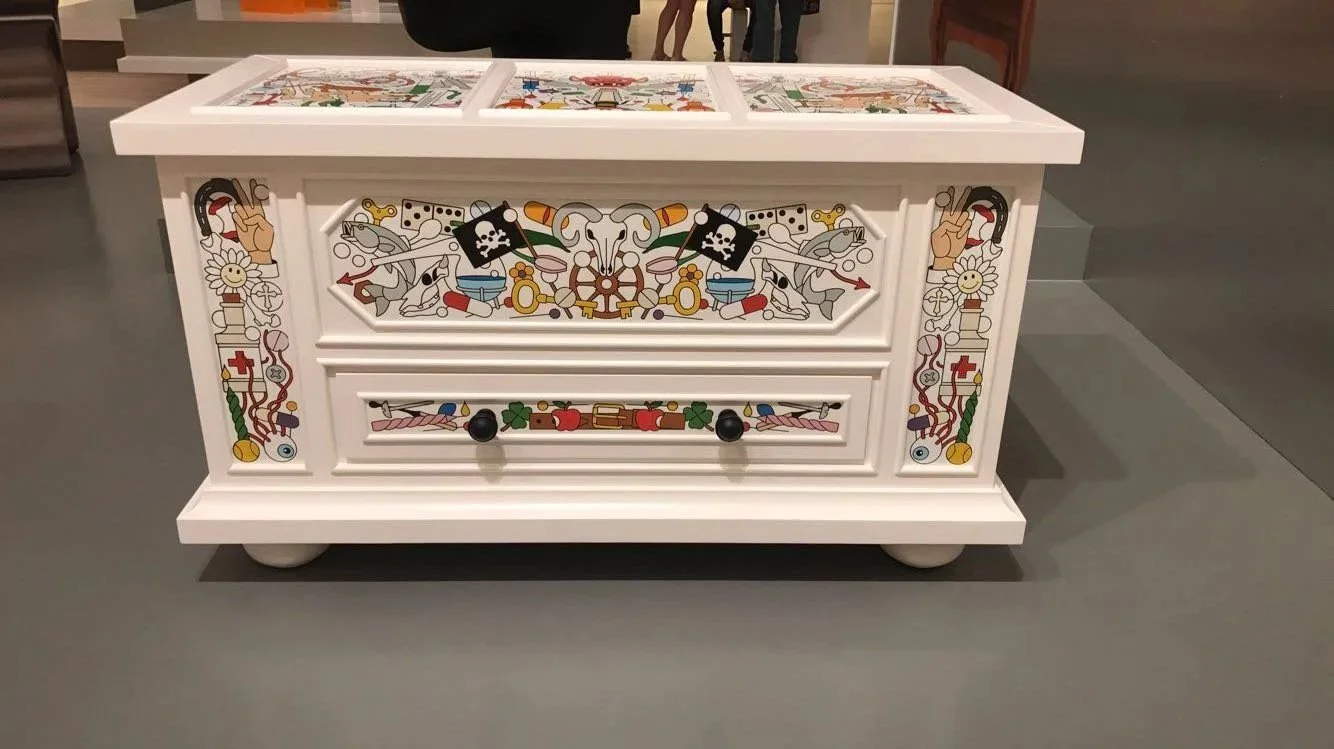
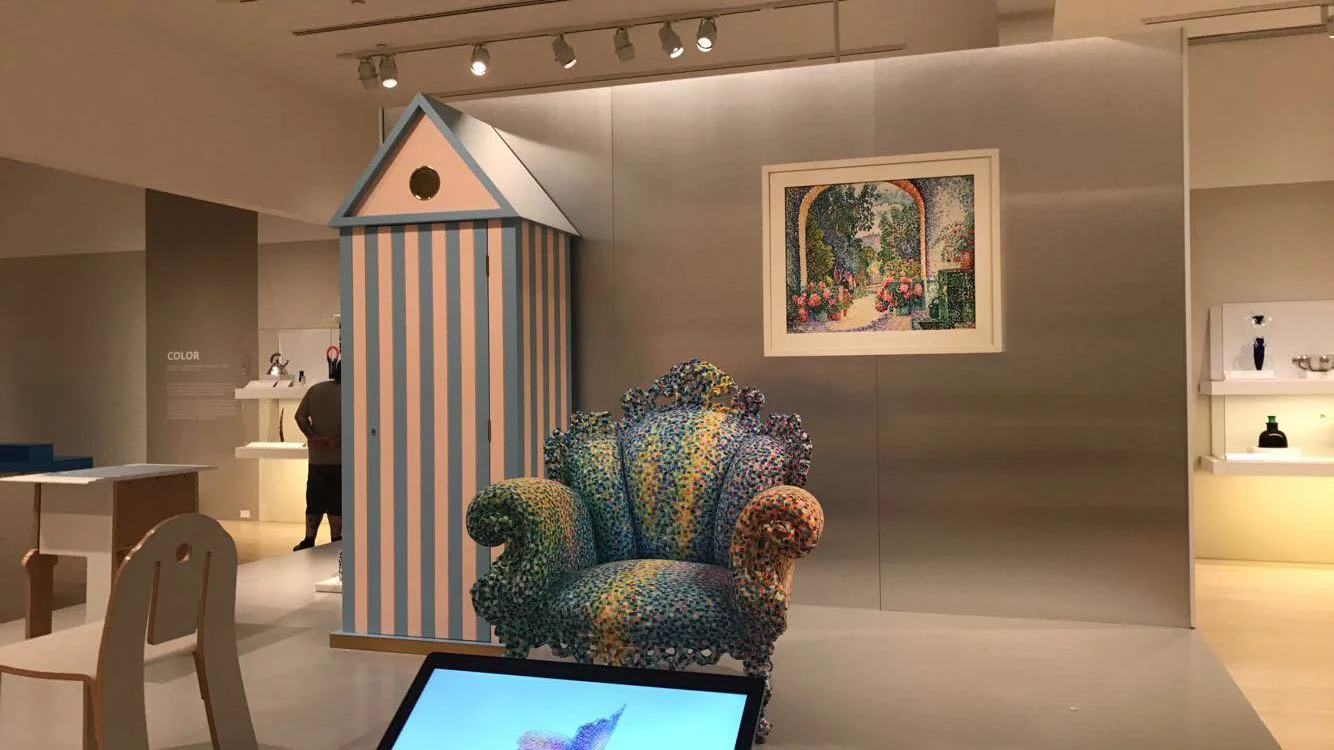
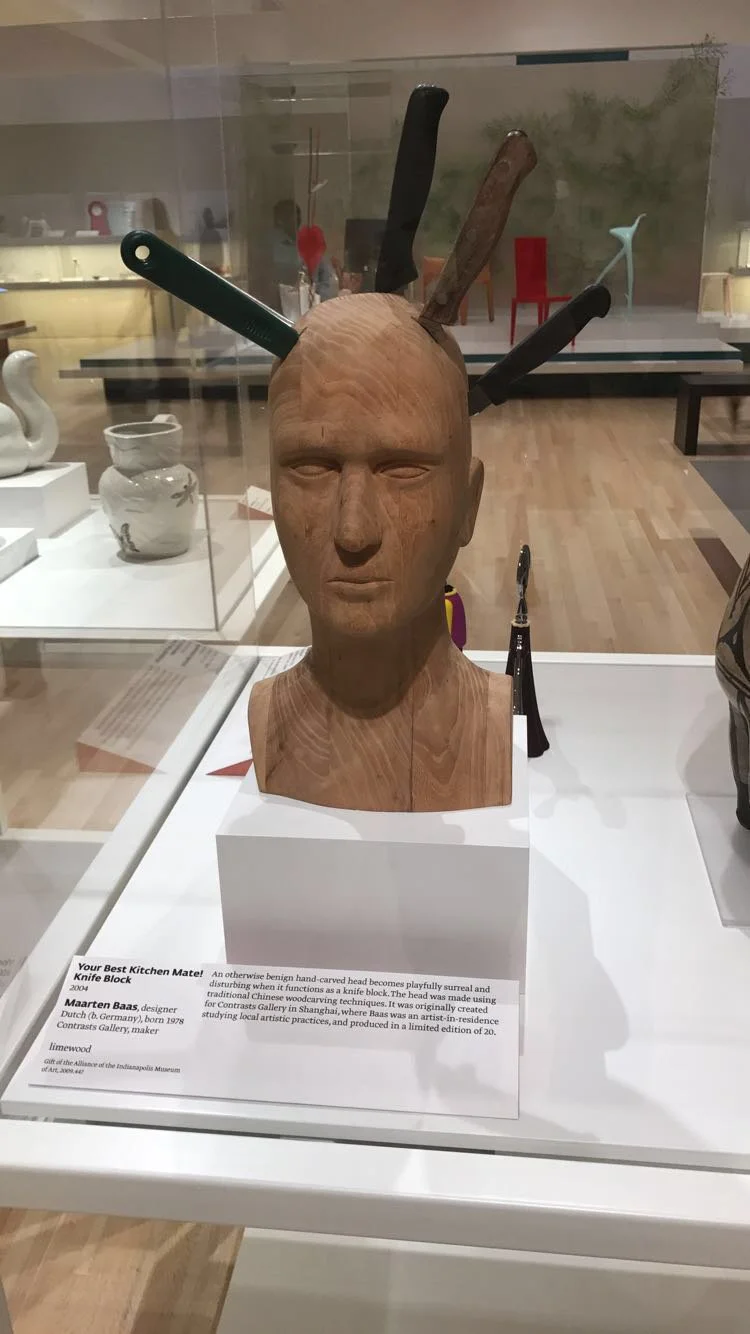
Next we had a wooden knife block by Maarten Baas that is perfect for the homicidal maniac in your life:
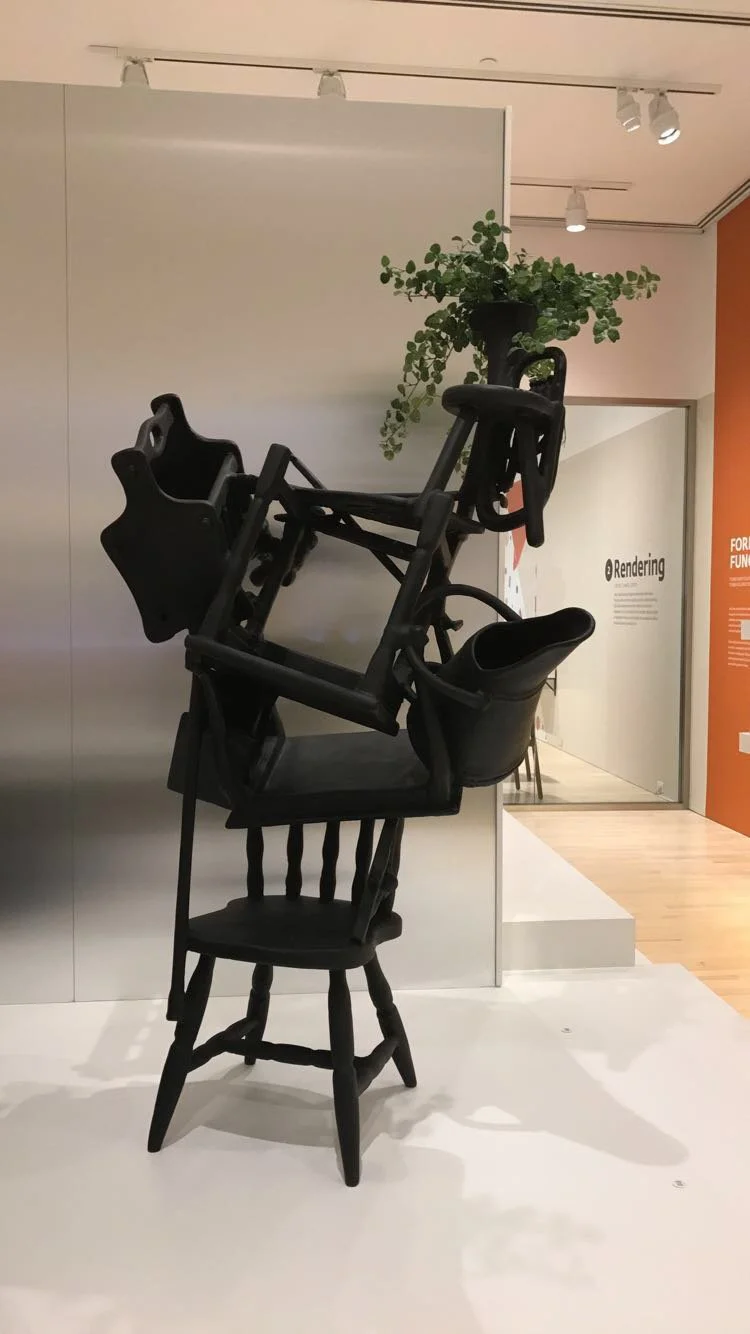
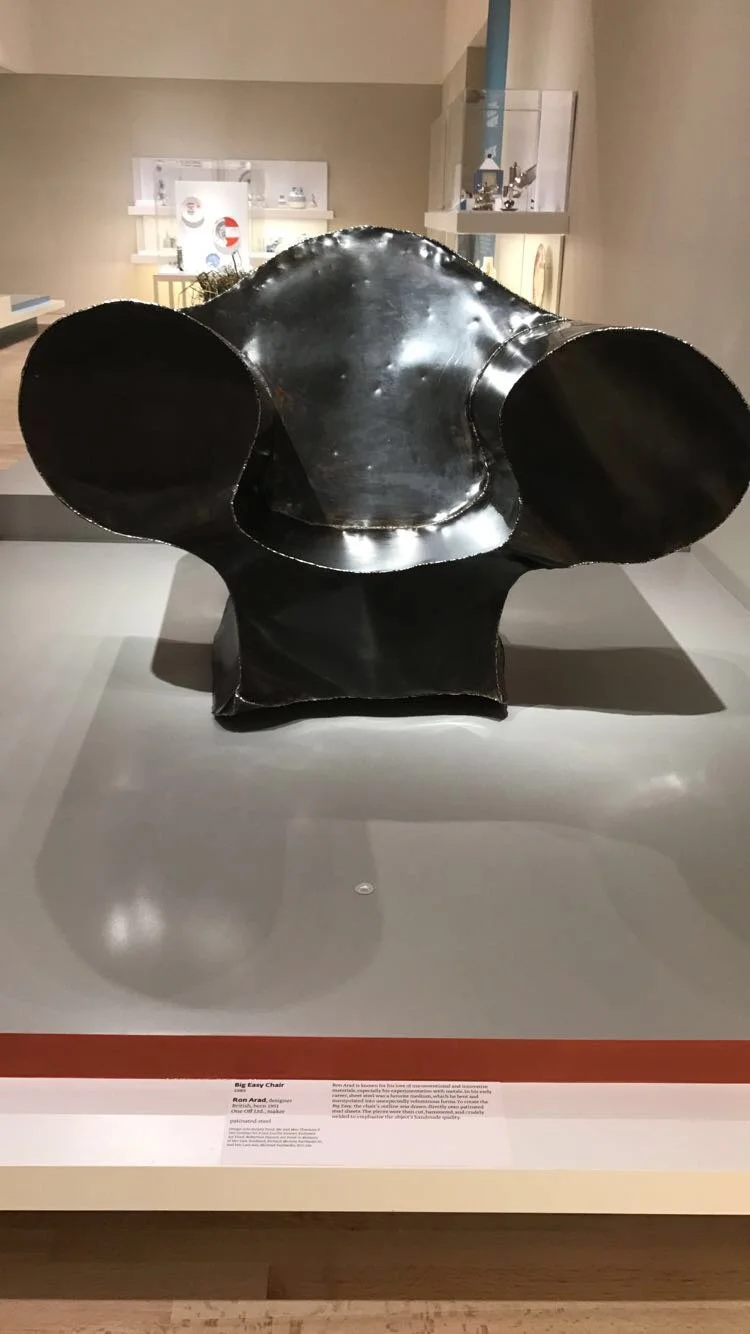
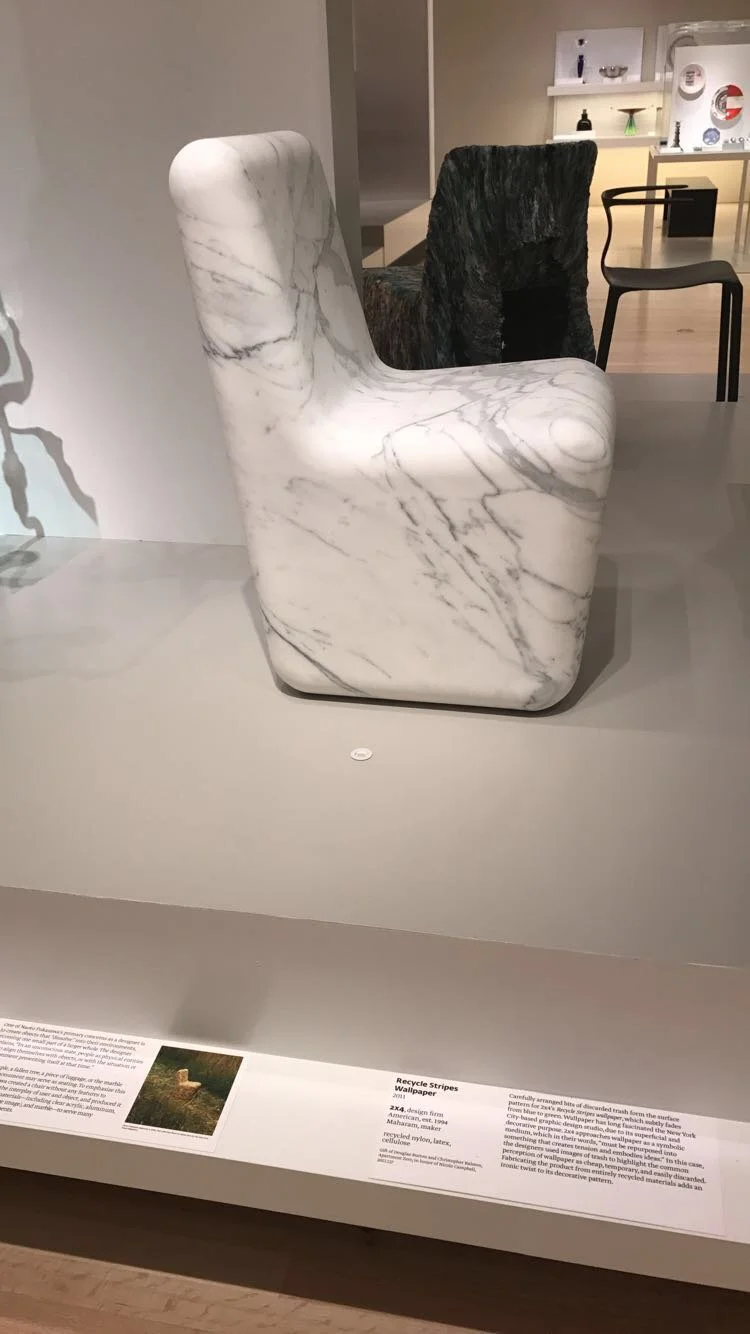
Somehow there were still more wildly creative chairs:
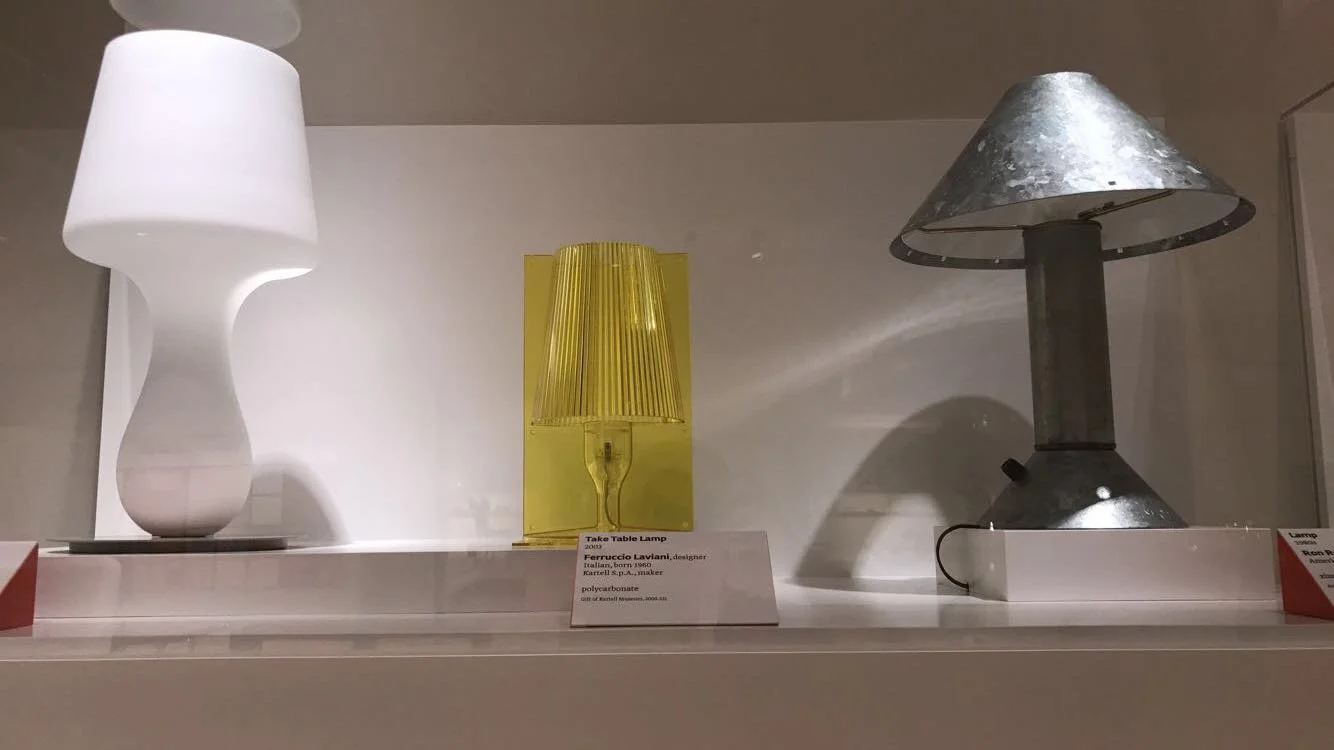
Last by not least was one more display of small and stylish home goods:
Leaving Design Arts behind, I moved on to the Asian Art Wing (You would be correct in assuming that this is an absolutely massive museum), where I was immediately greeted by a very good boy from around the year 100(!):
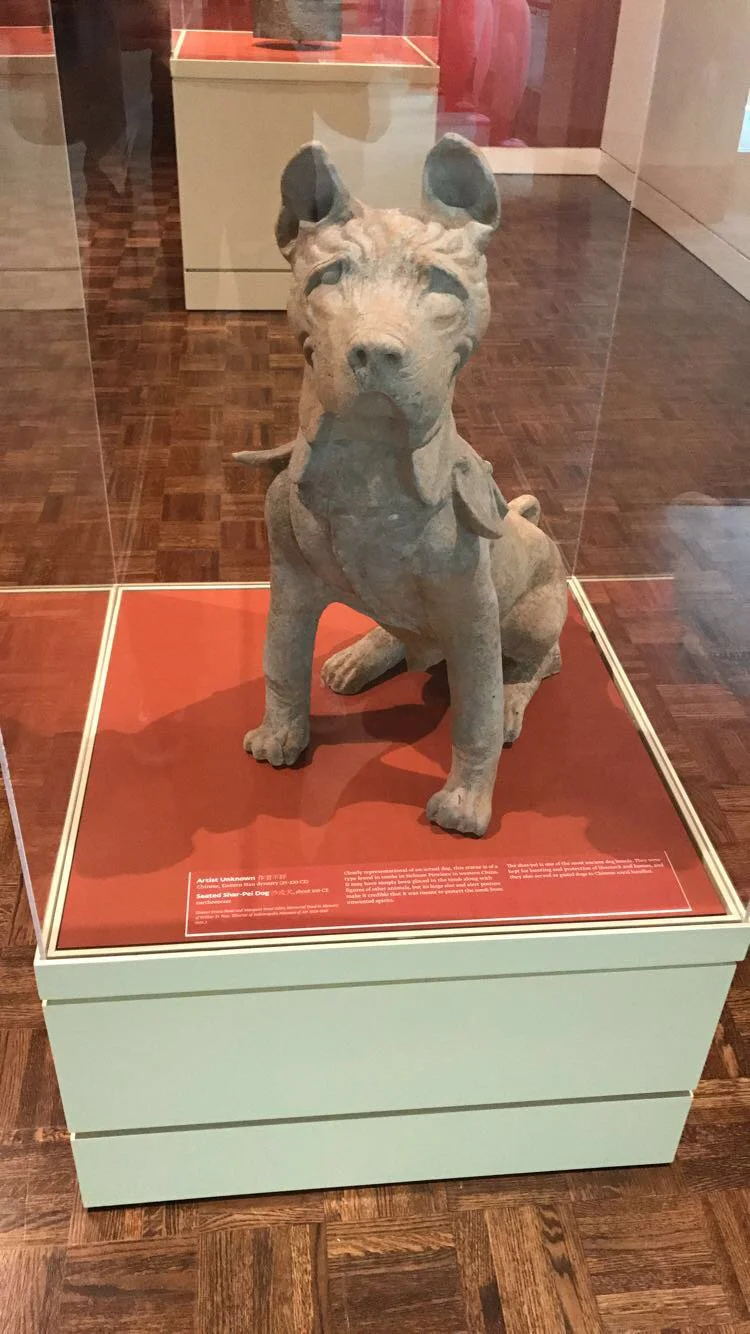
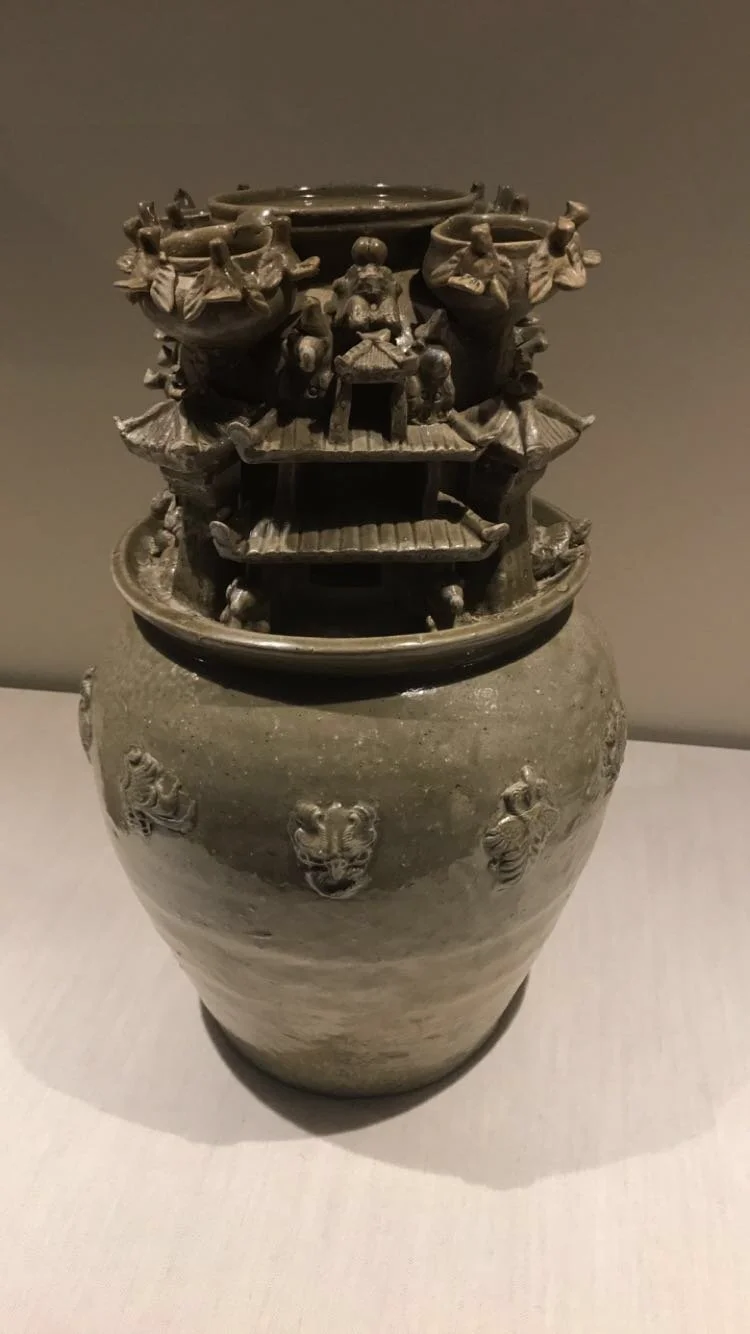
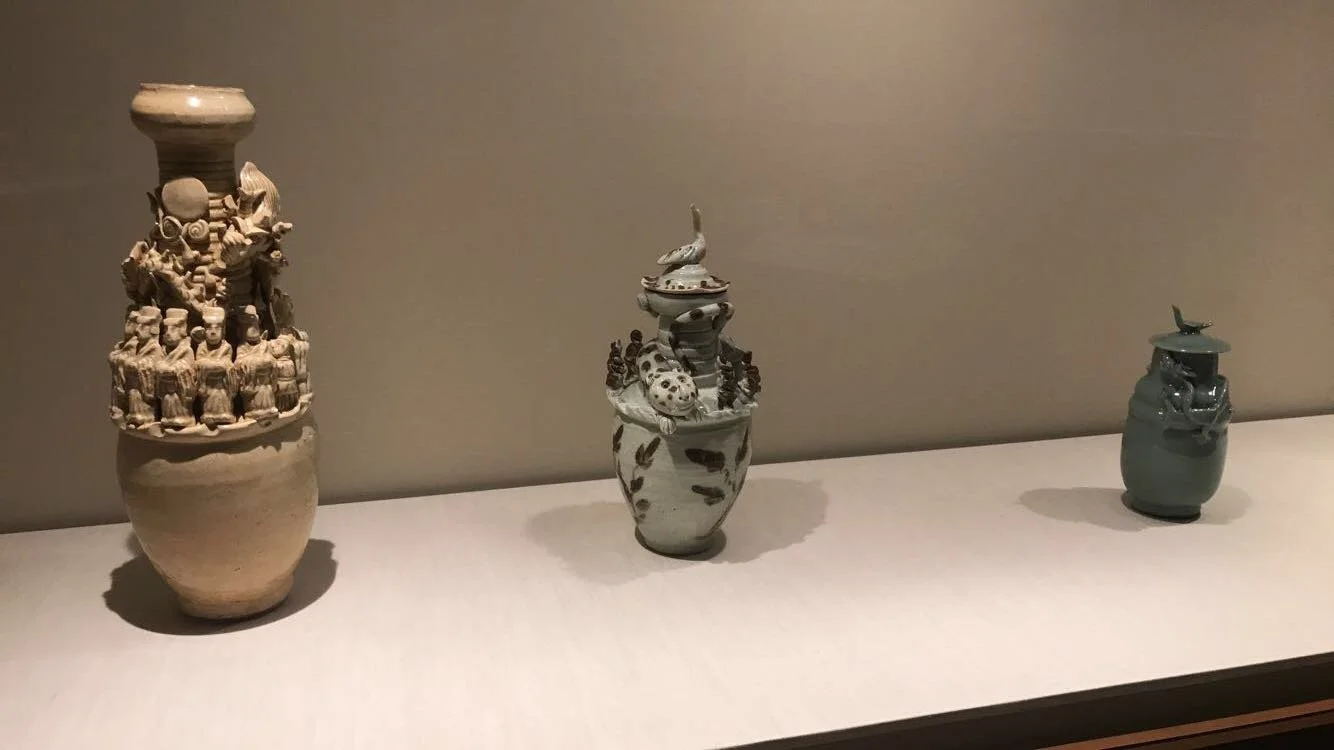
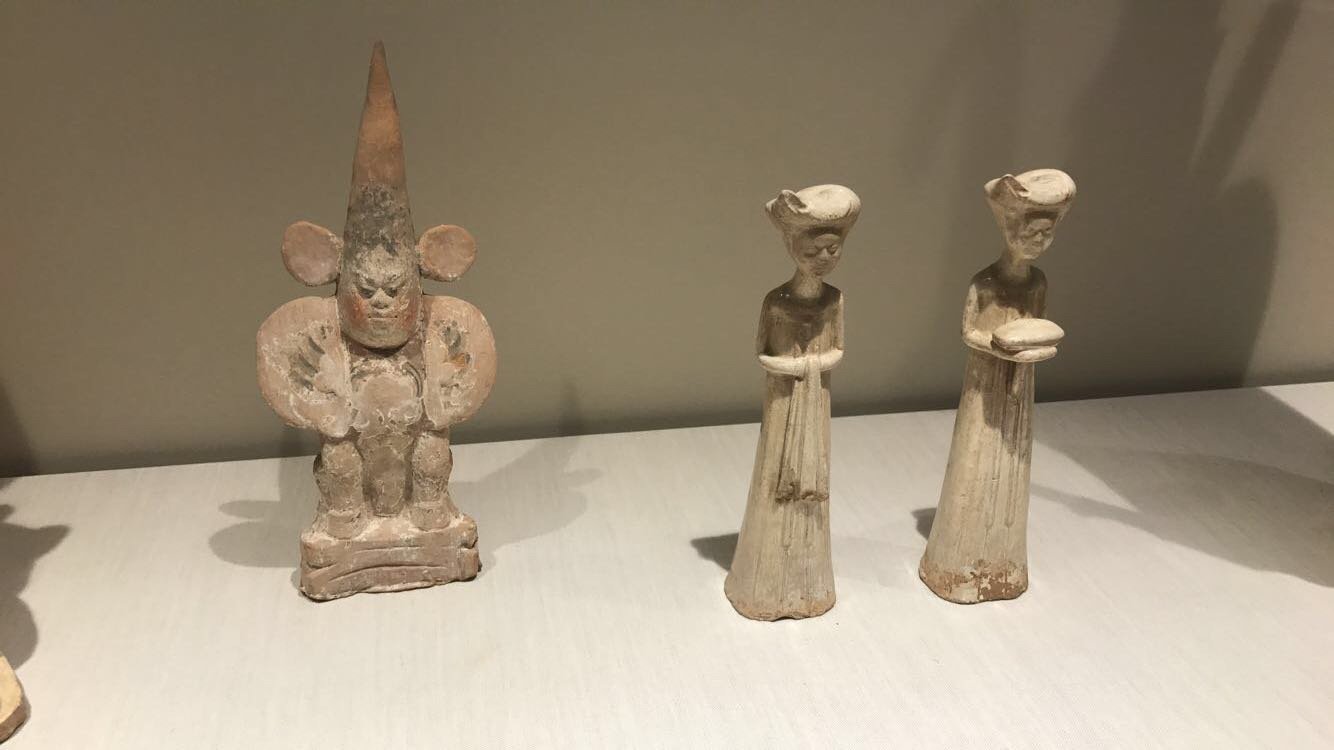
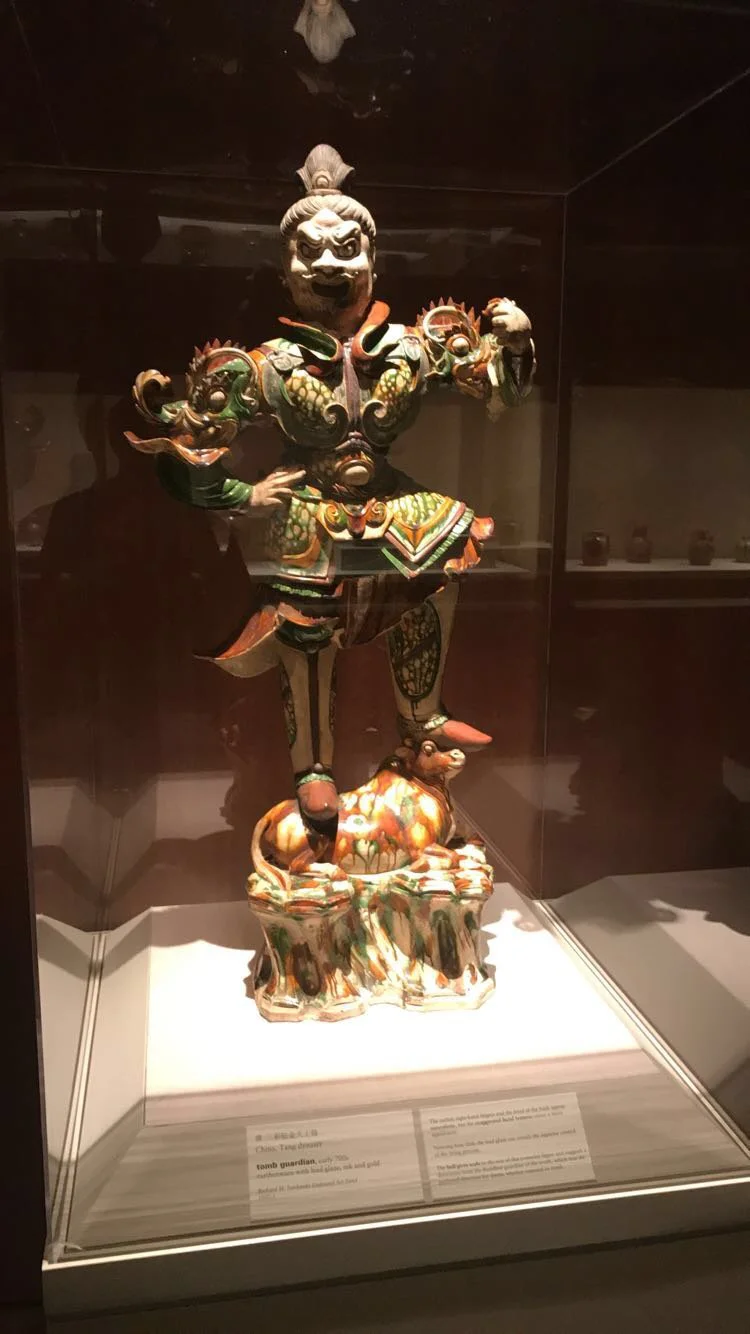
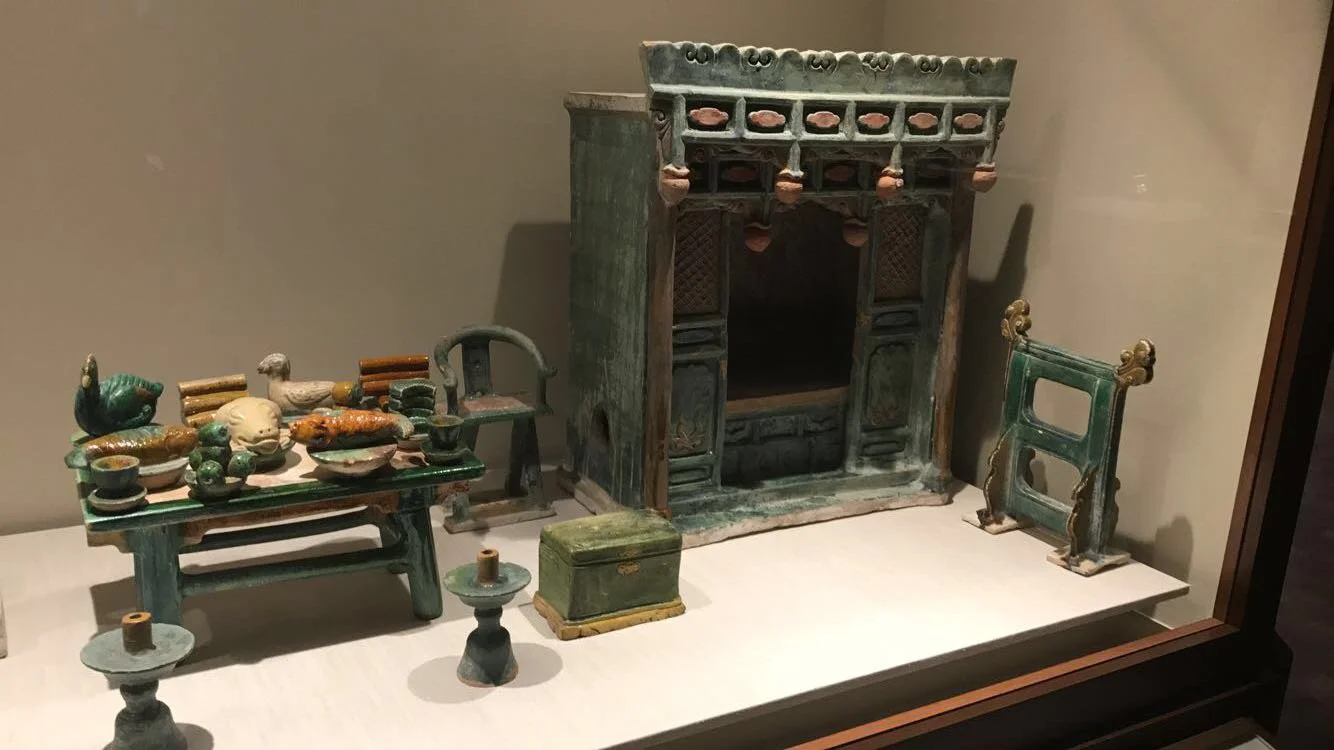
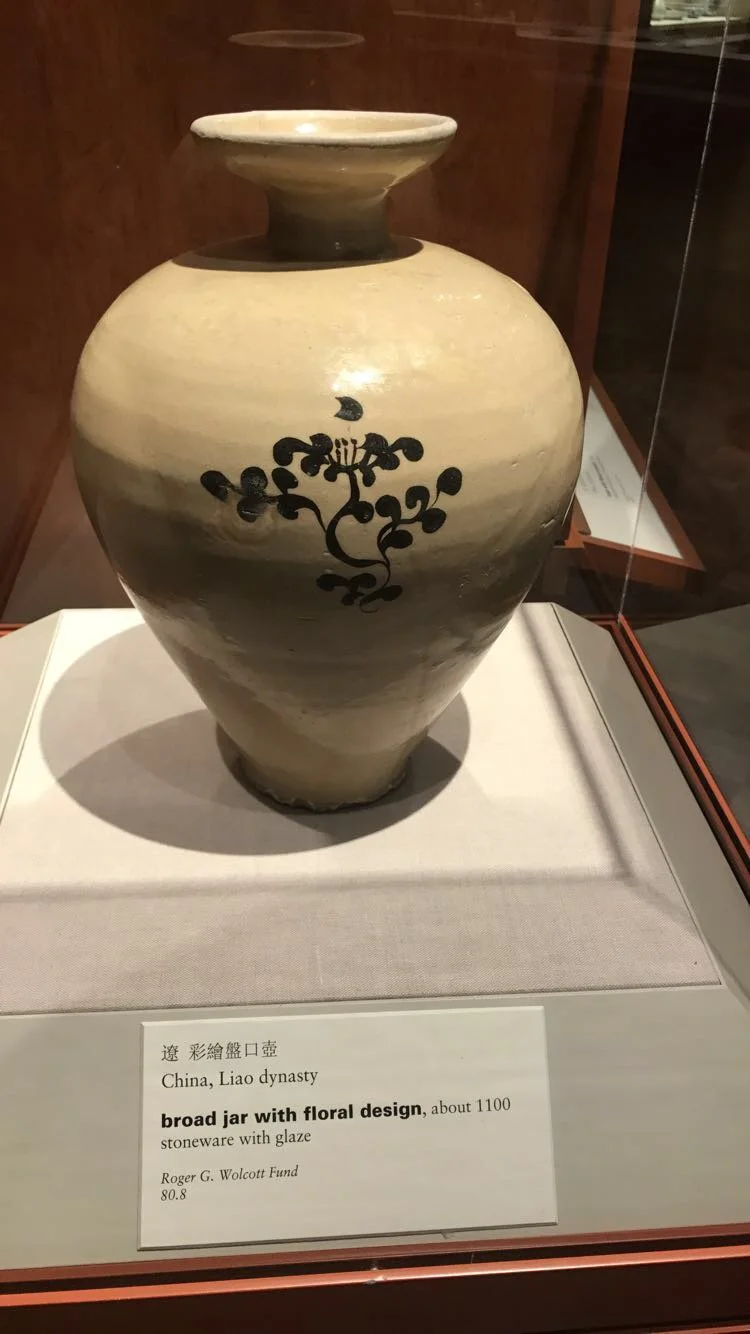
First up were some pieces from China, and I think going to the Asian wing after the design wing you really see how much continued influence even very ancient designs and crafting techniques from this part of the world have had on modern art and crafts.
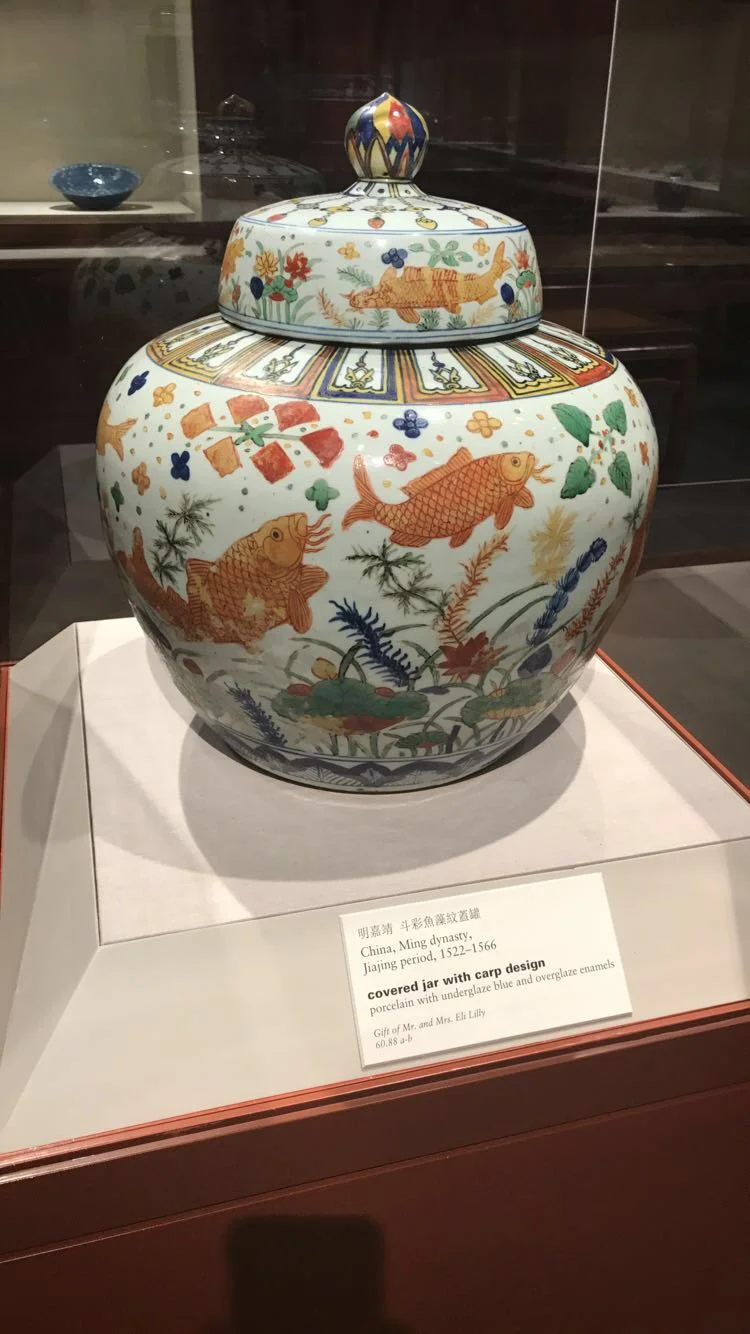
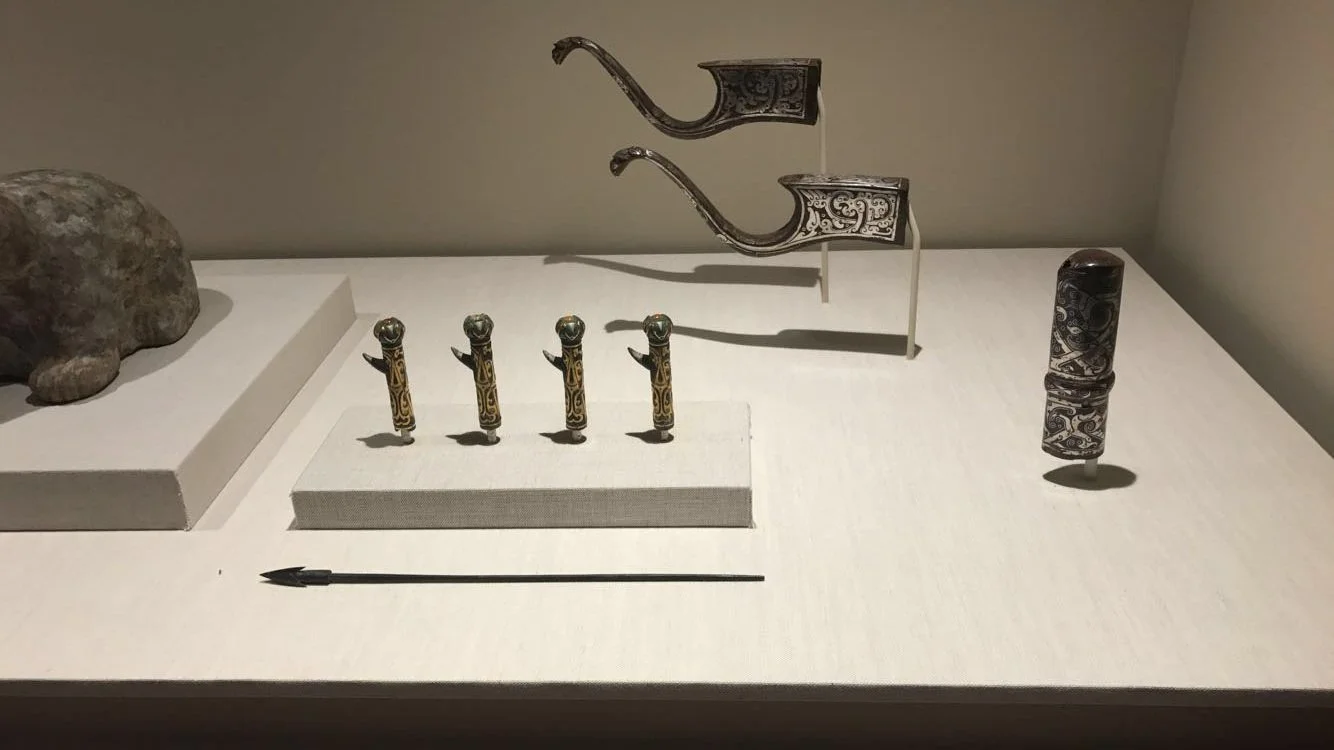
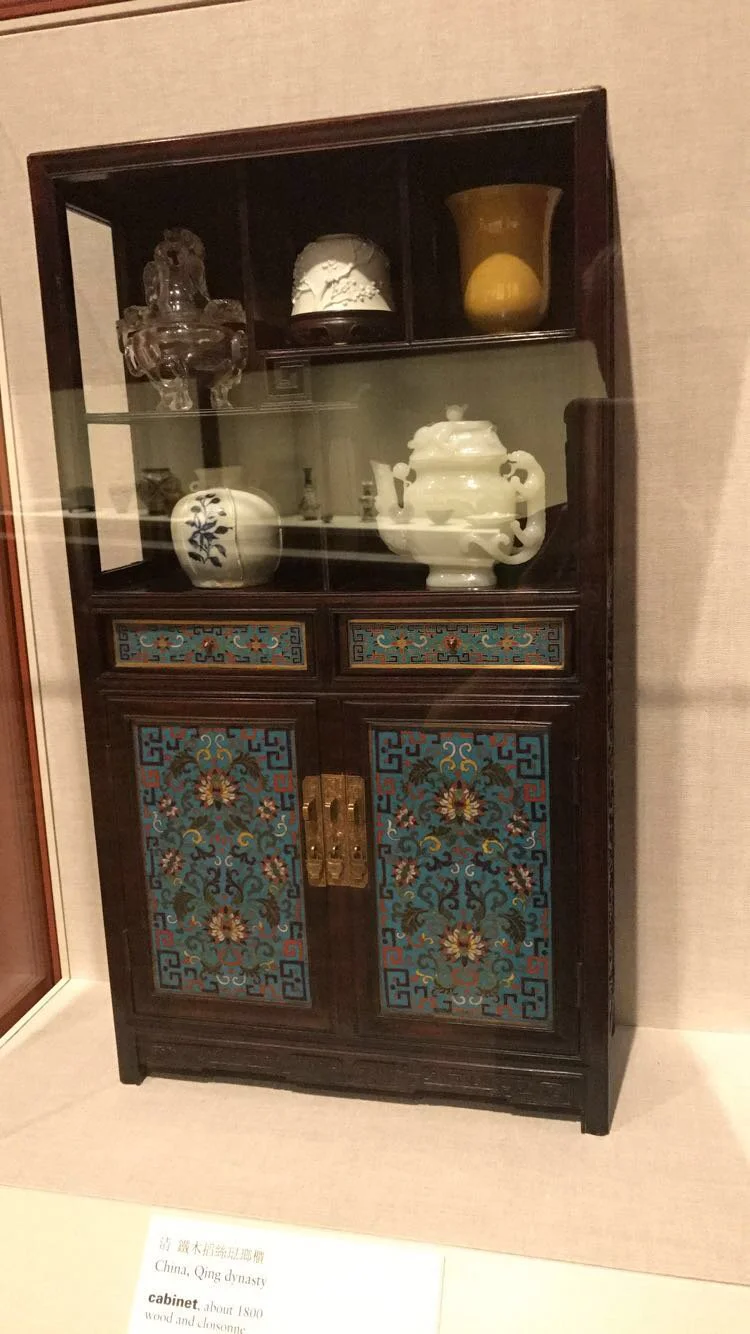
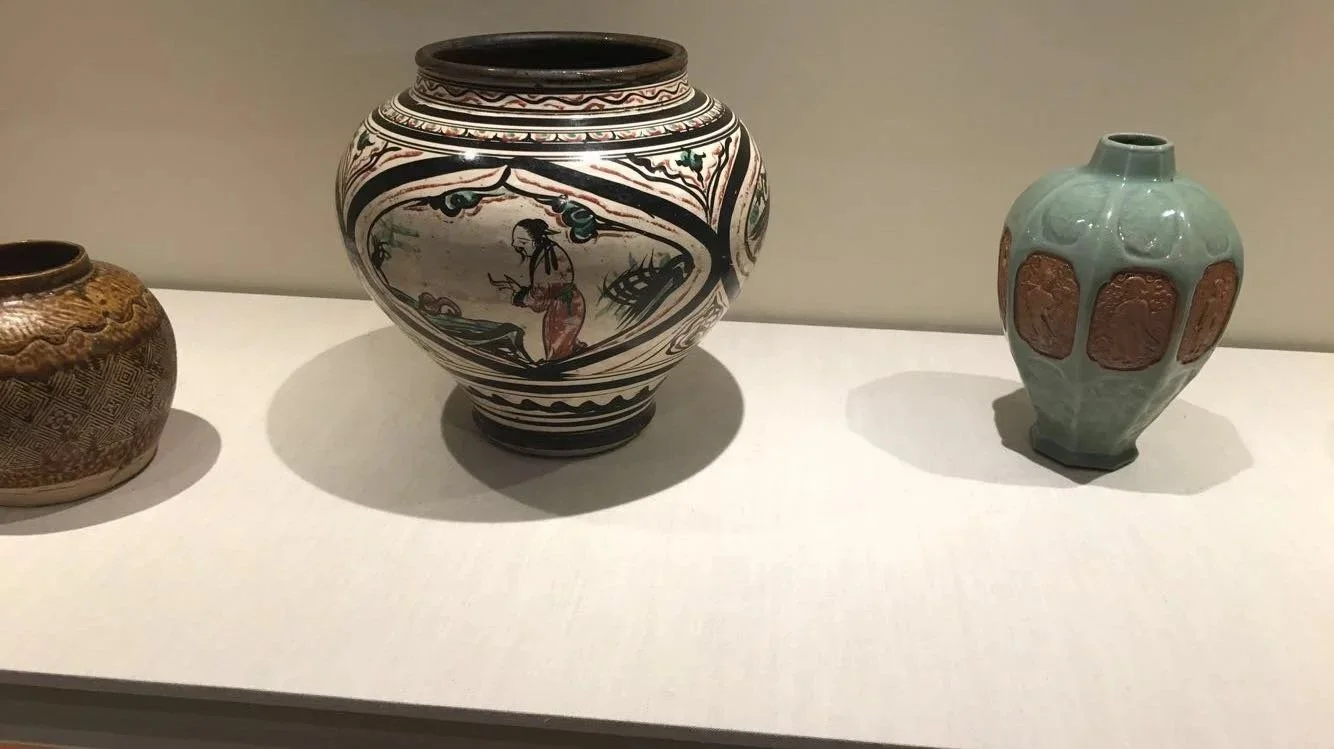
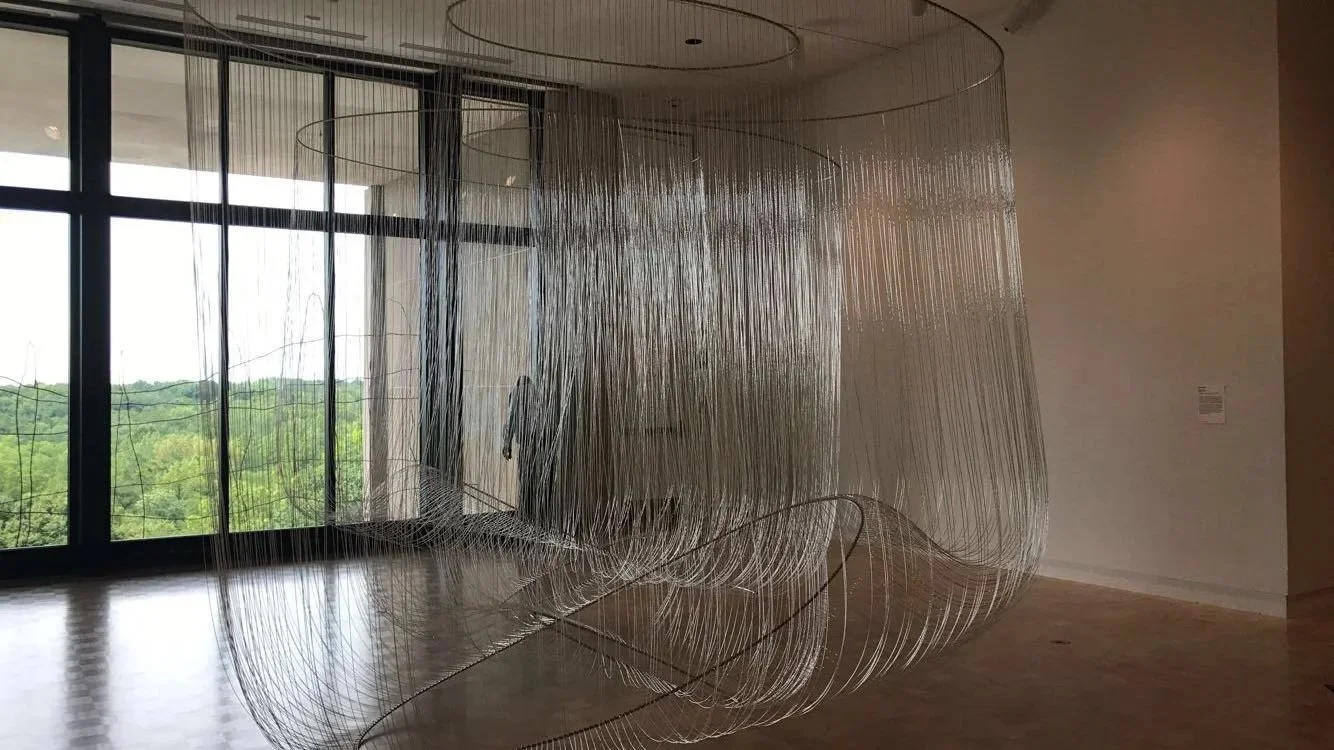
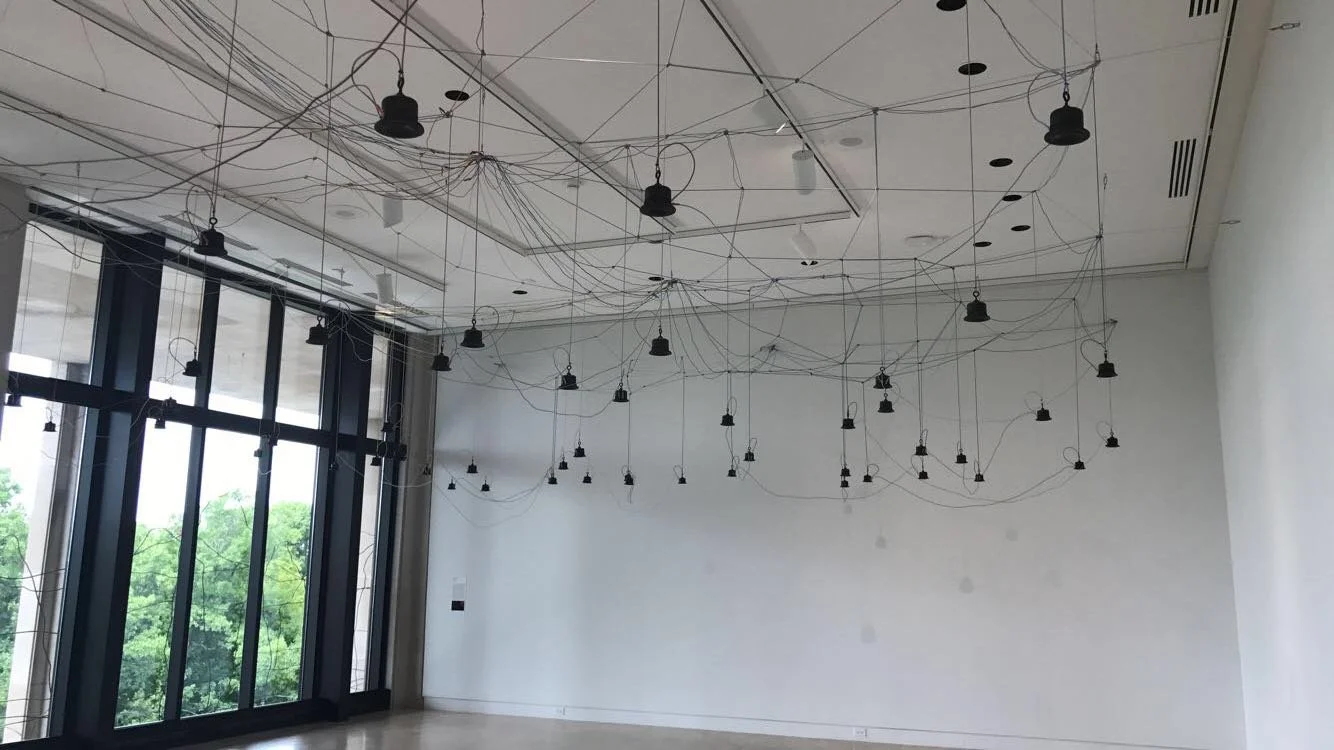
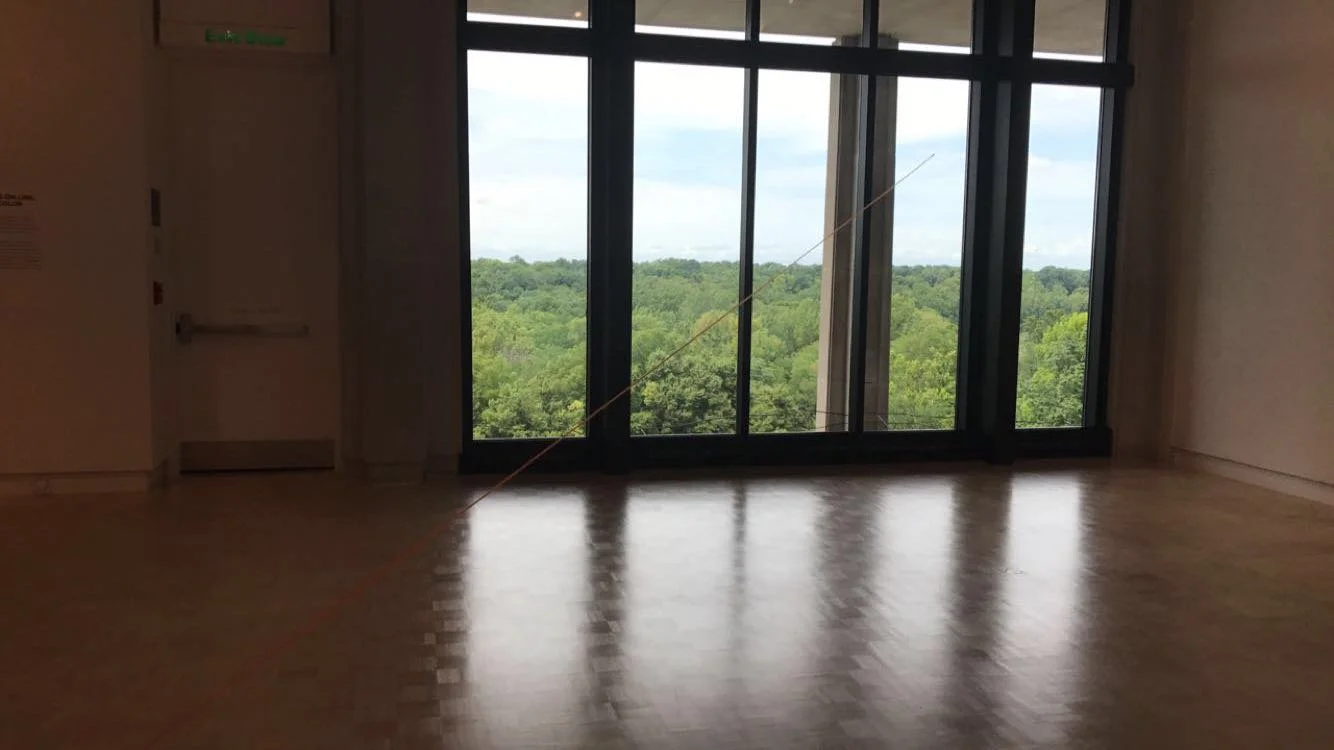
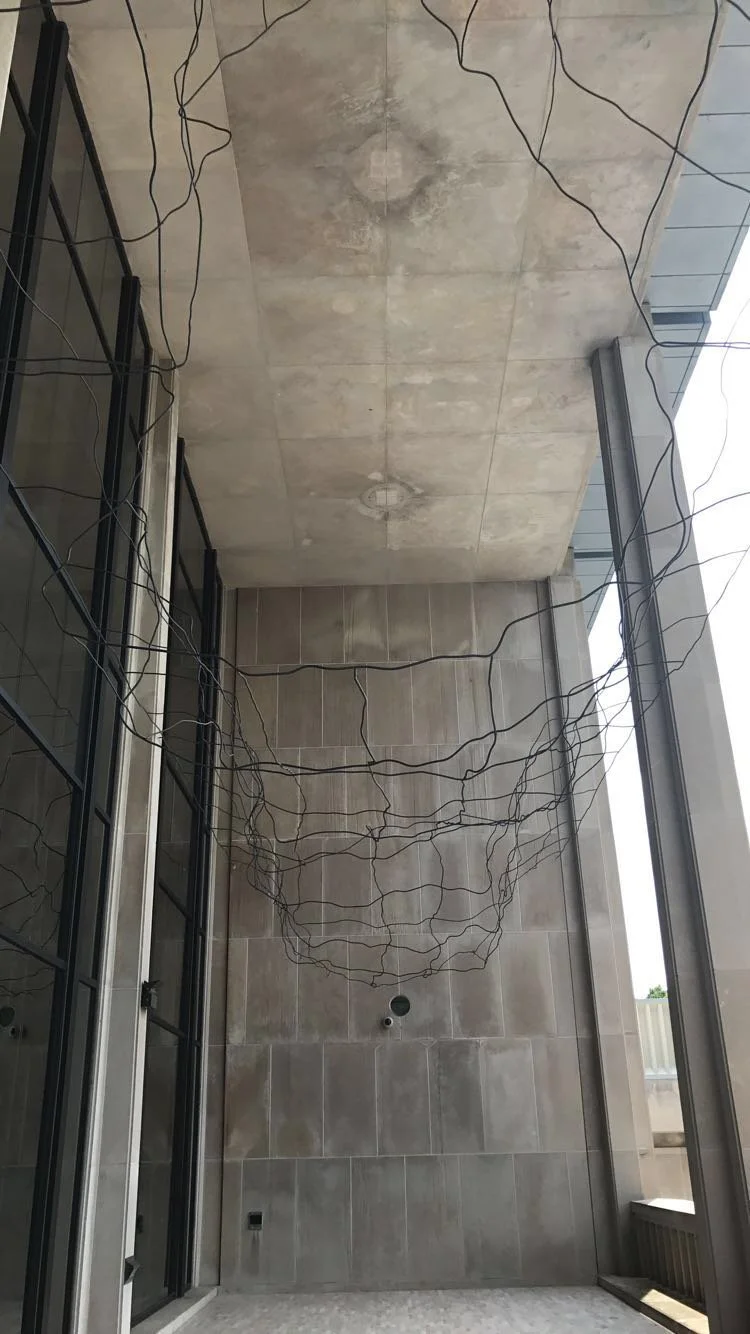
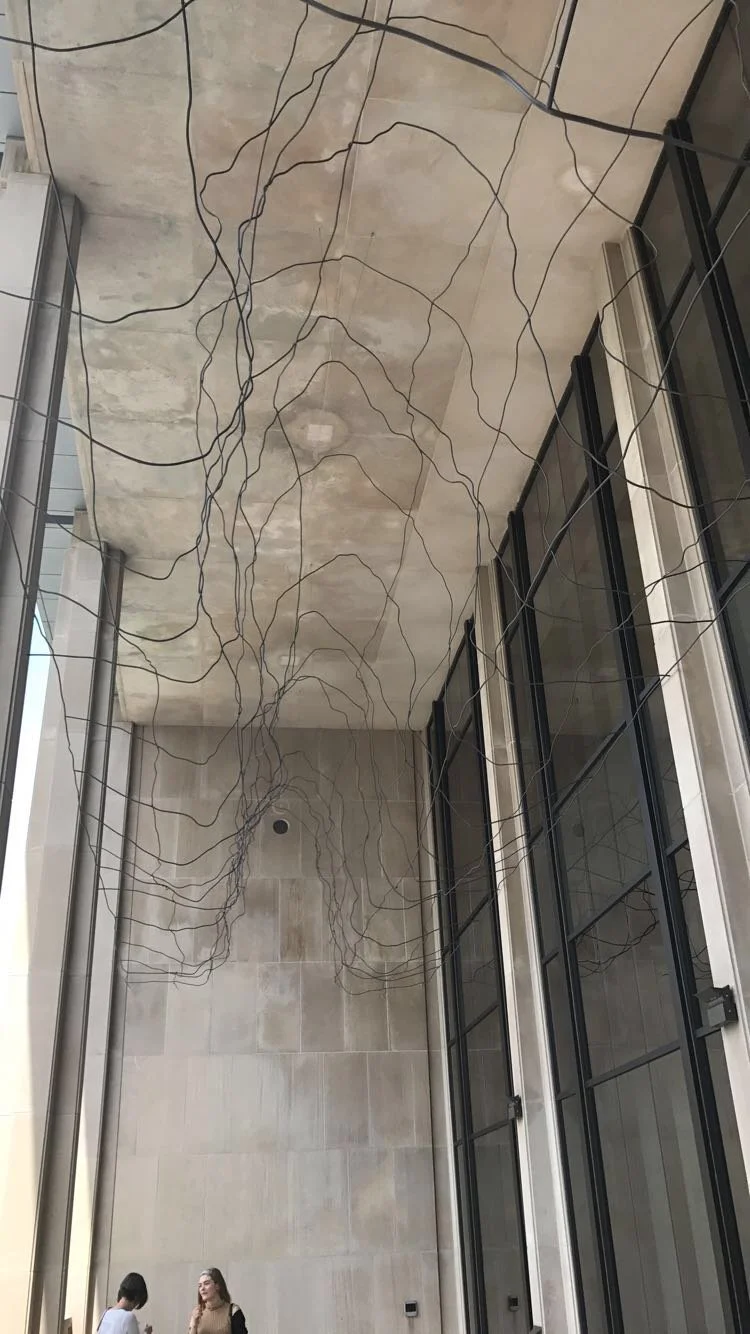
In the walkway between galleries, there was a massive wire sculpture by contemporary Chinese-American artist and architect Maya Lin called Above and Below snaked above visitors’ heads. It was kind of spooky in a spider-web-y sort of way, but, once you got used to it being there, the way the amorphous grid intereacted with the space you tend to not even notice otherwise became pretty mesmerizing.
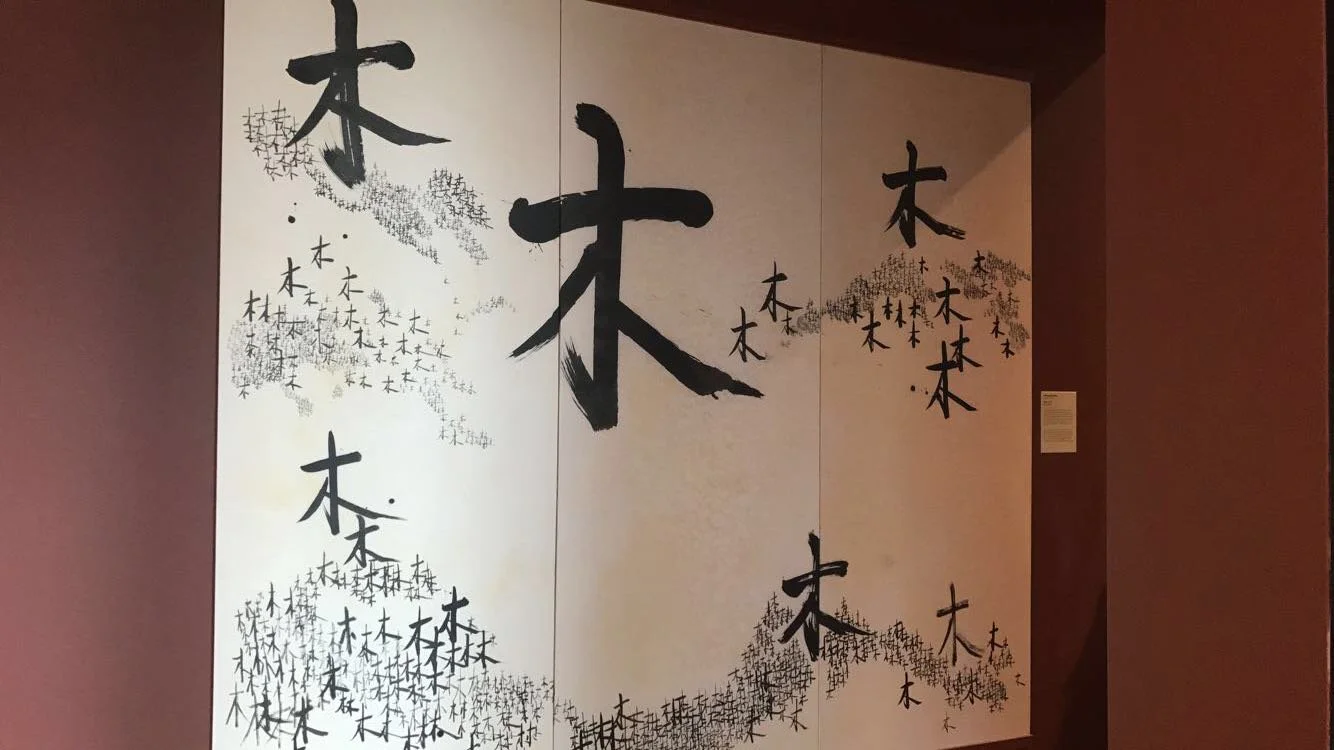
Up next, there was this impressive calligraphic landscape where the same character (the Chinese character for tree) is repeated to create the appearance of forrested hills. It’s a great piece of concrete poetry, a fun blending of form and content, but unfortunately I didn’t record and couldn’t find the artist’s name.
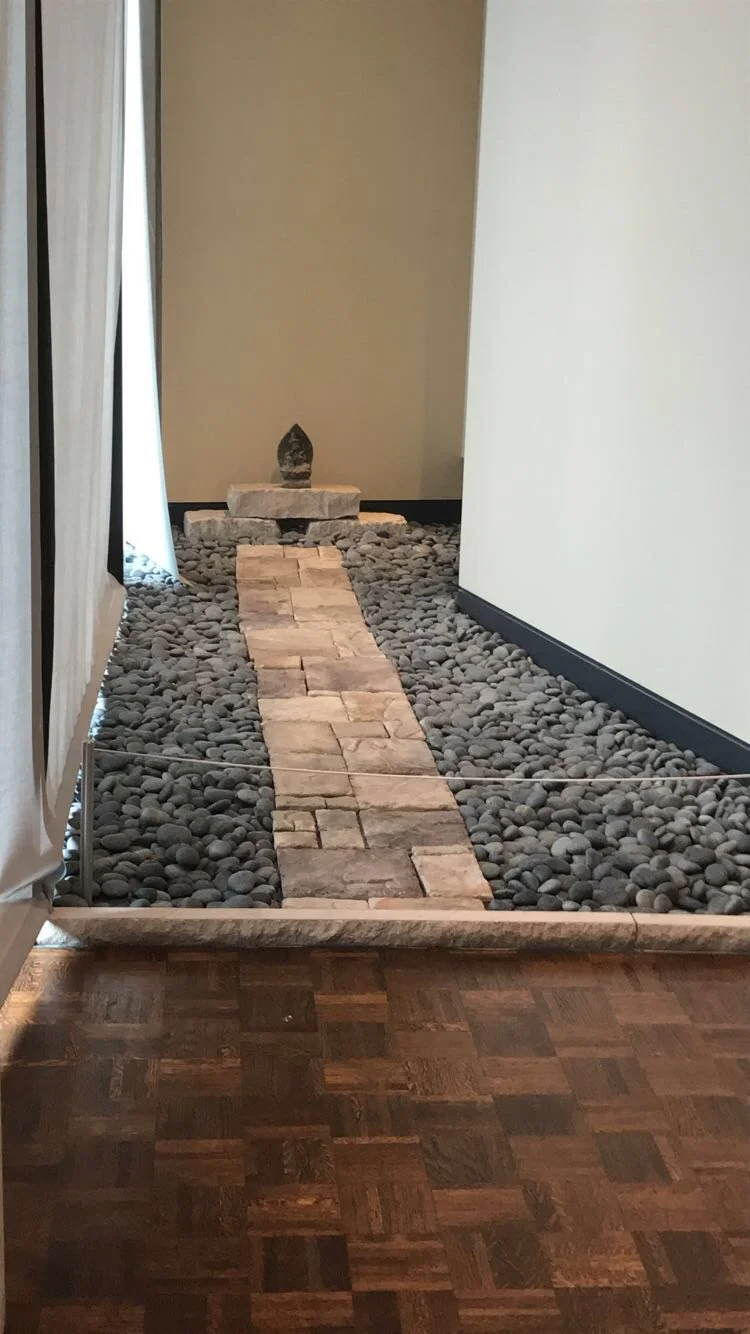
Tucked away in one corner of the hallway was a lovely little recreation of a Buddhist shrine featuring a stoneware seated Buddha from the 500s.
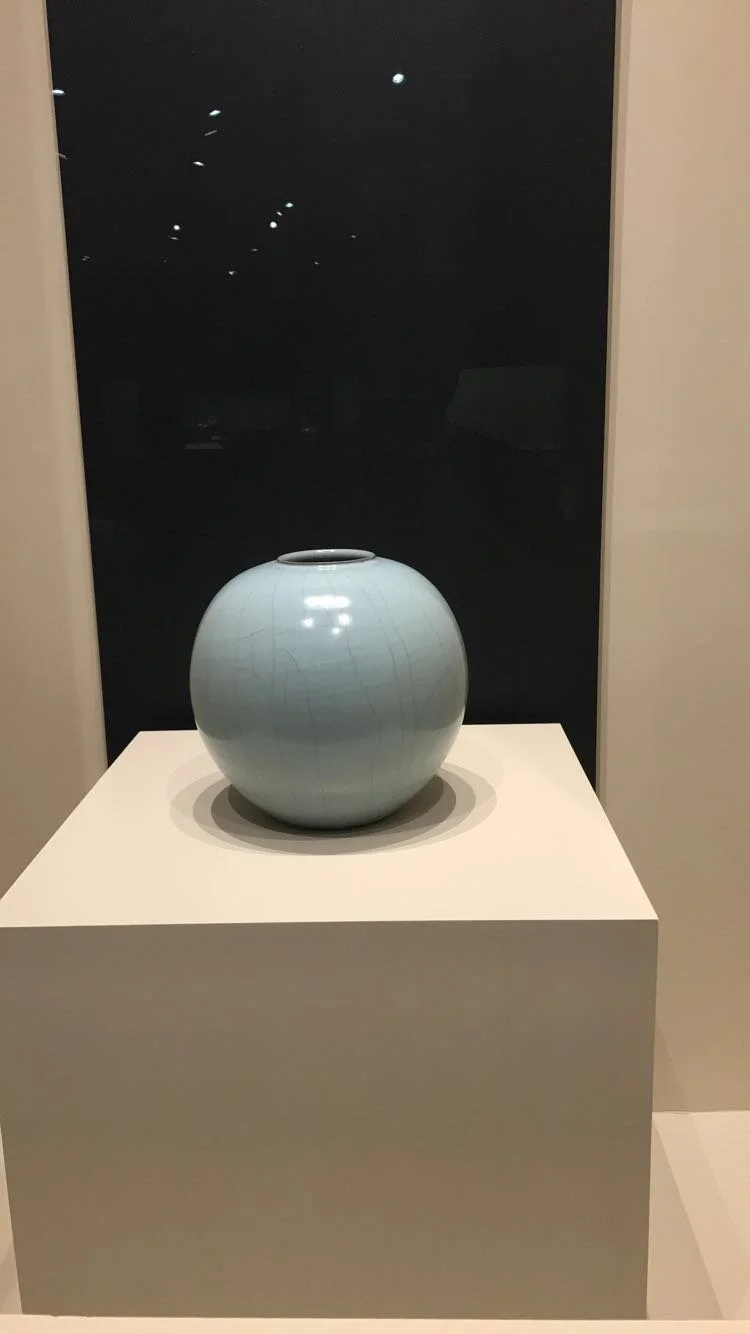
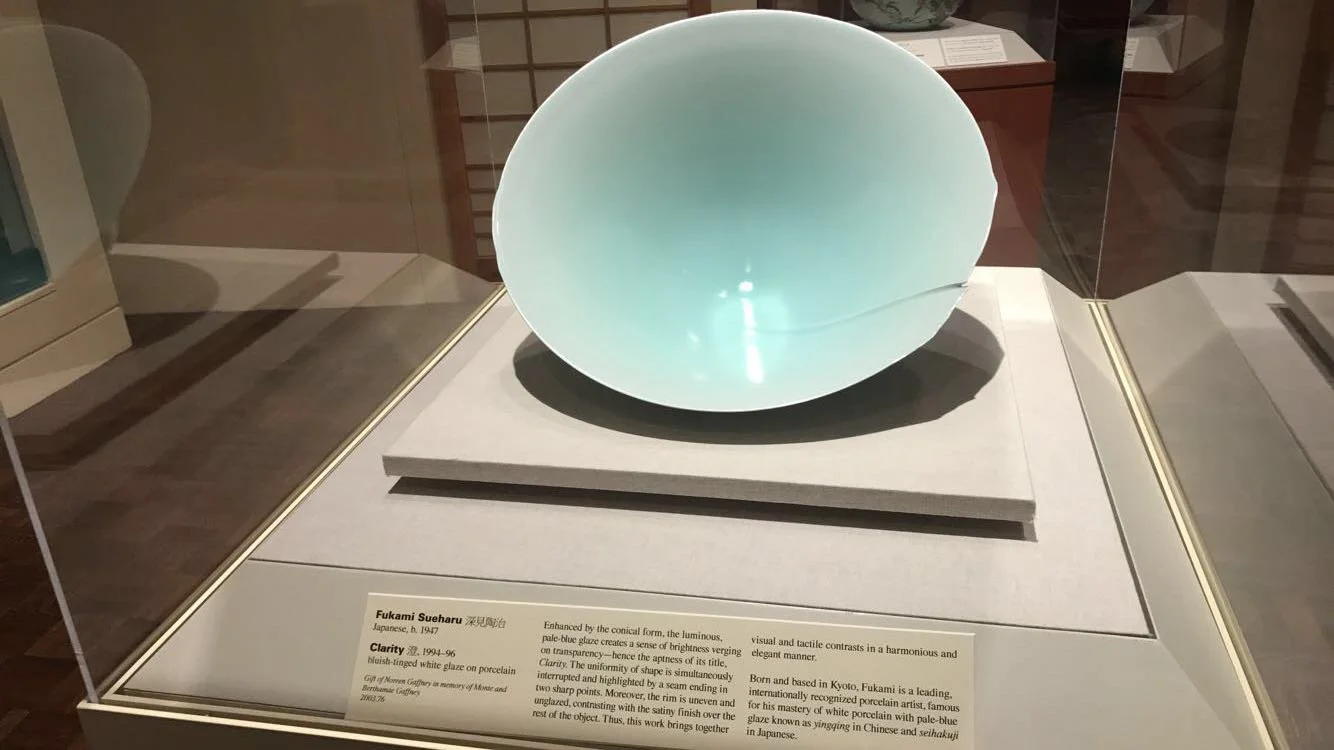
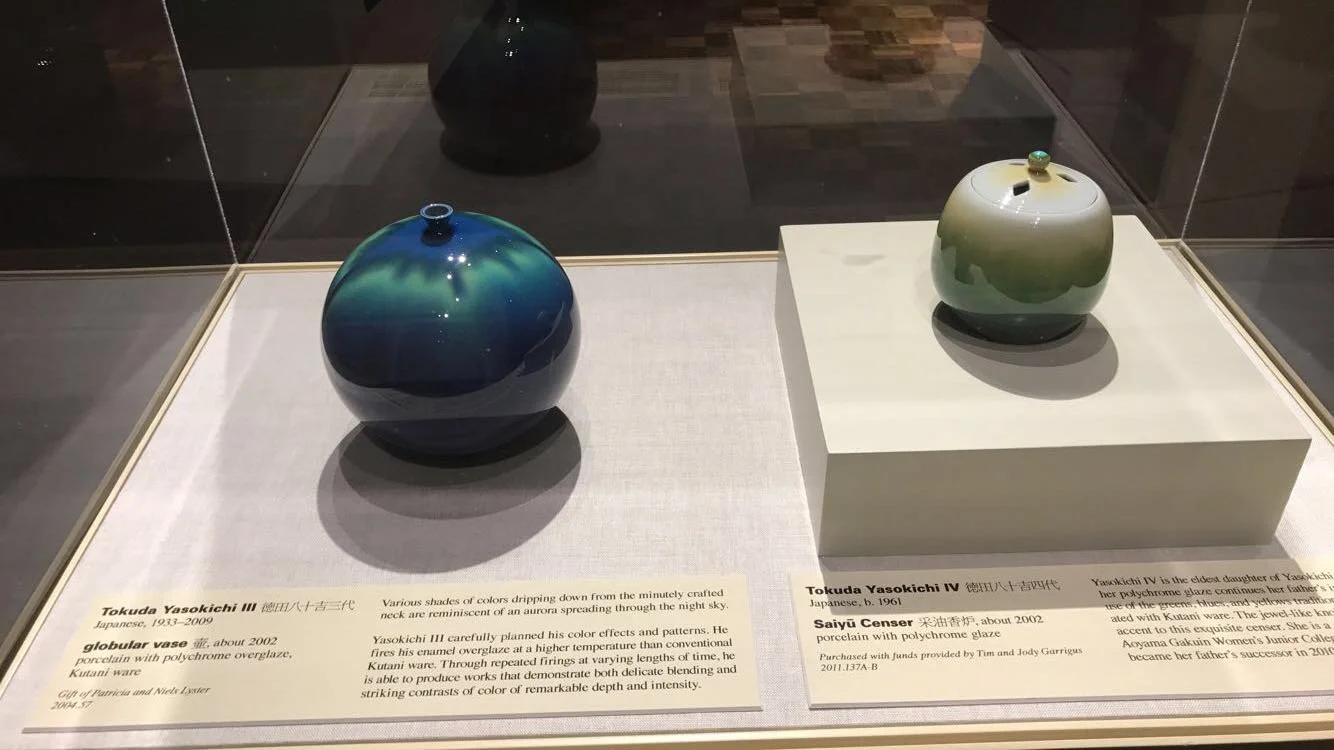
Next up was some incredible contemporary Japanese ceramics with beautifully delicate forms and remarkable glazes.
Lastly, there were some more pan-Asian sculptures:
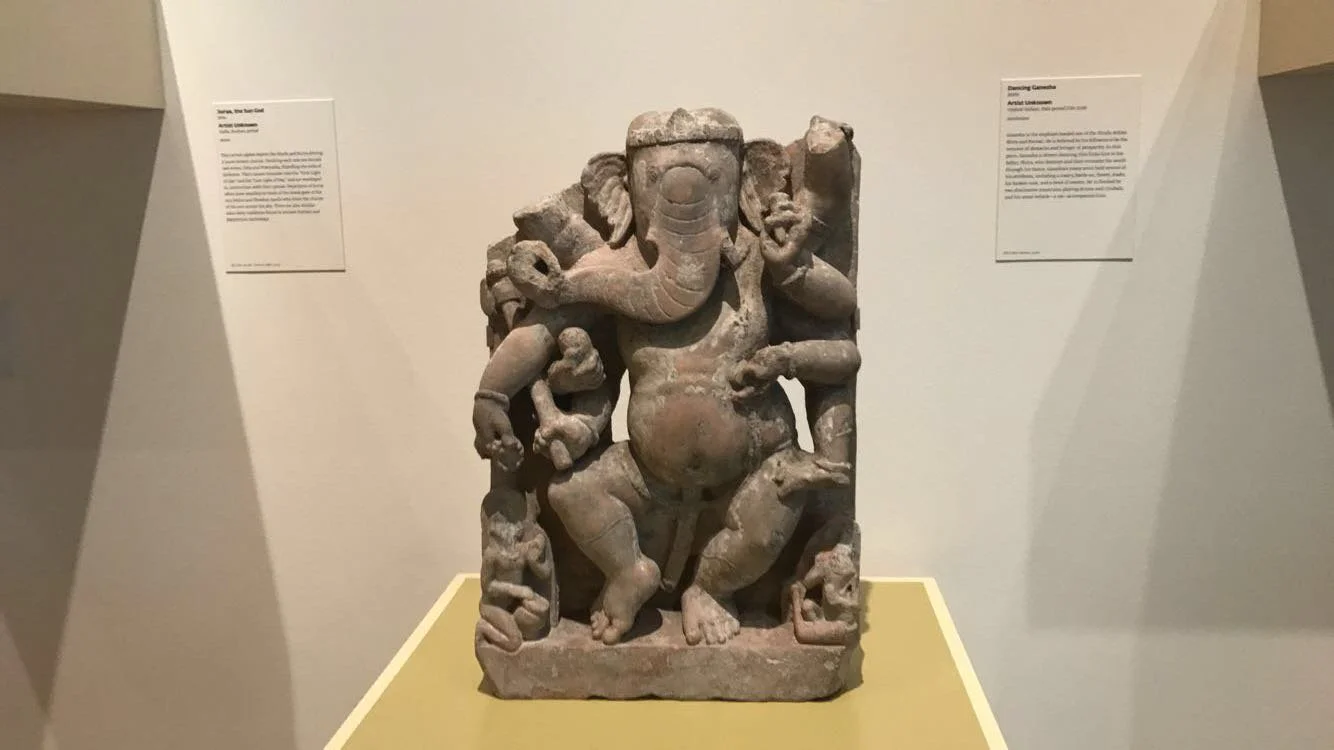
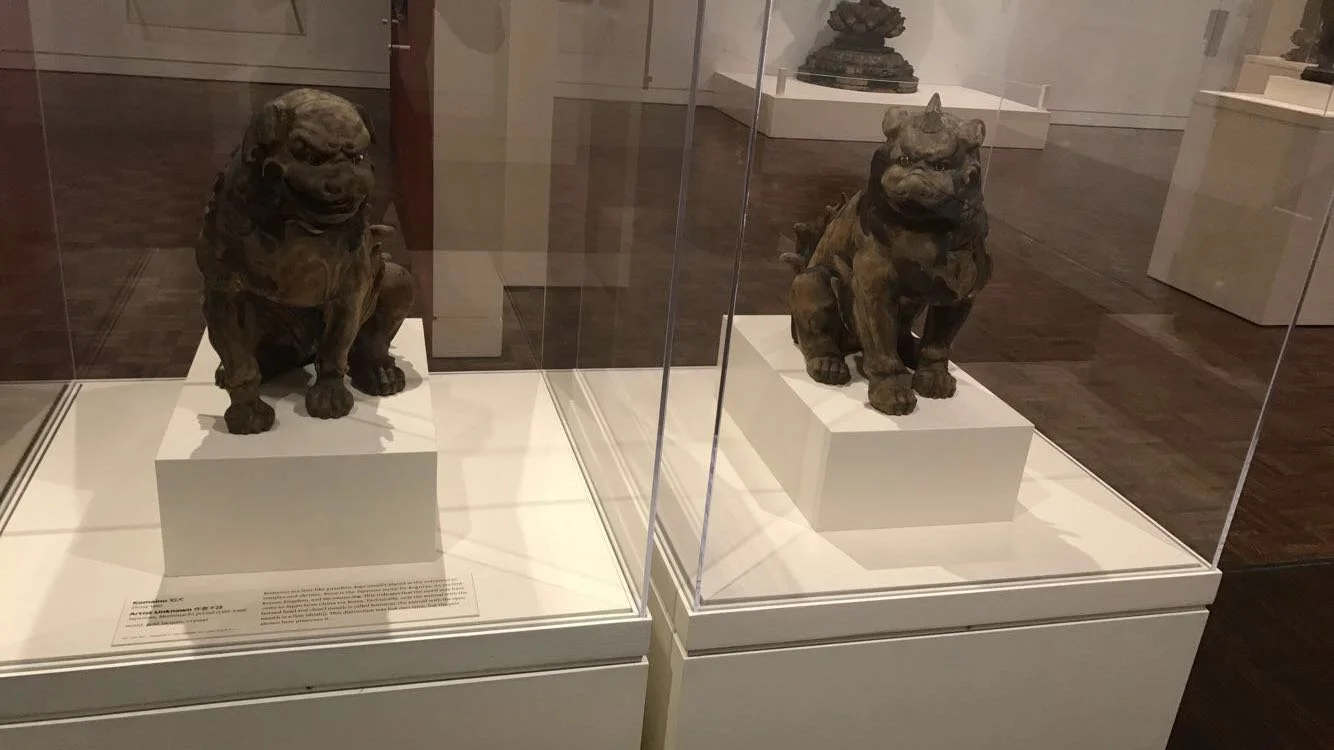
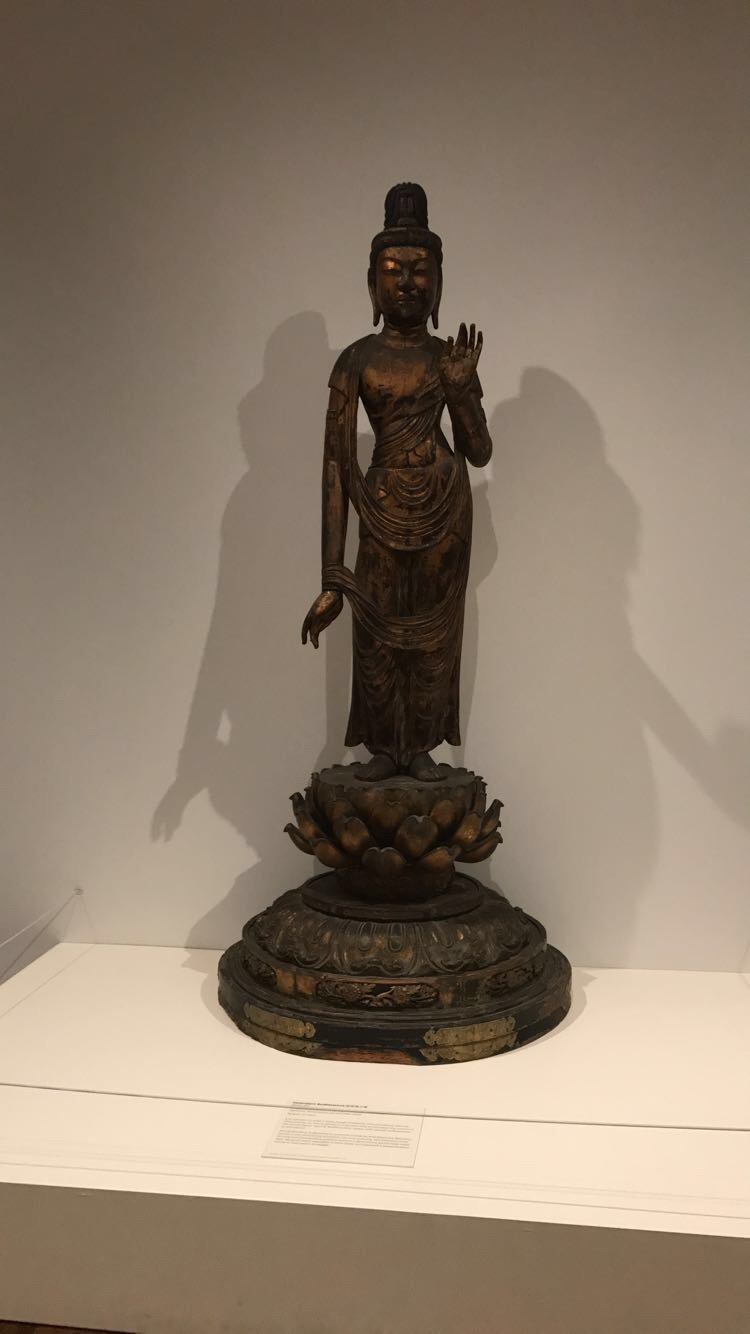
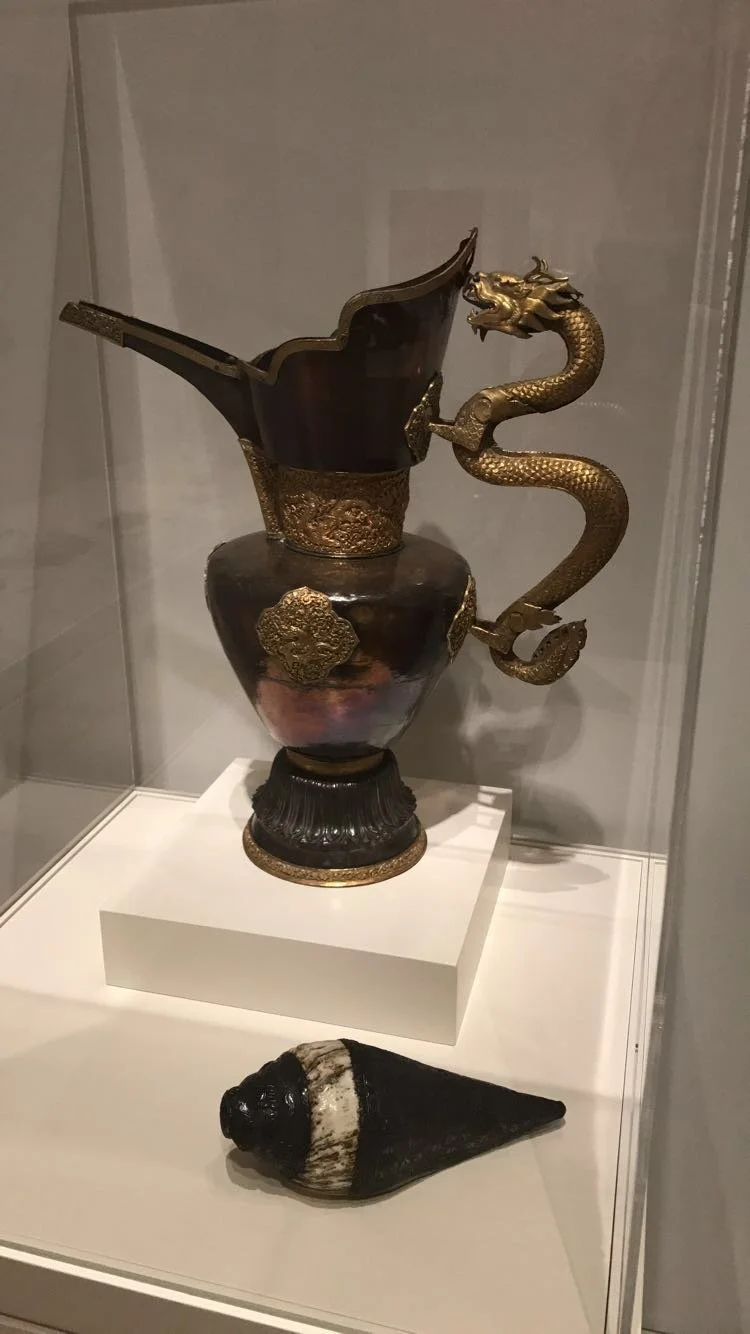
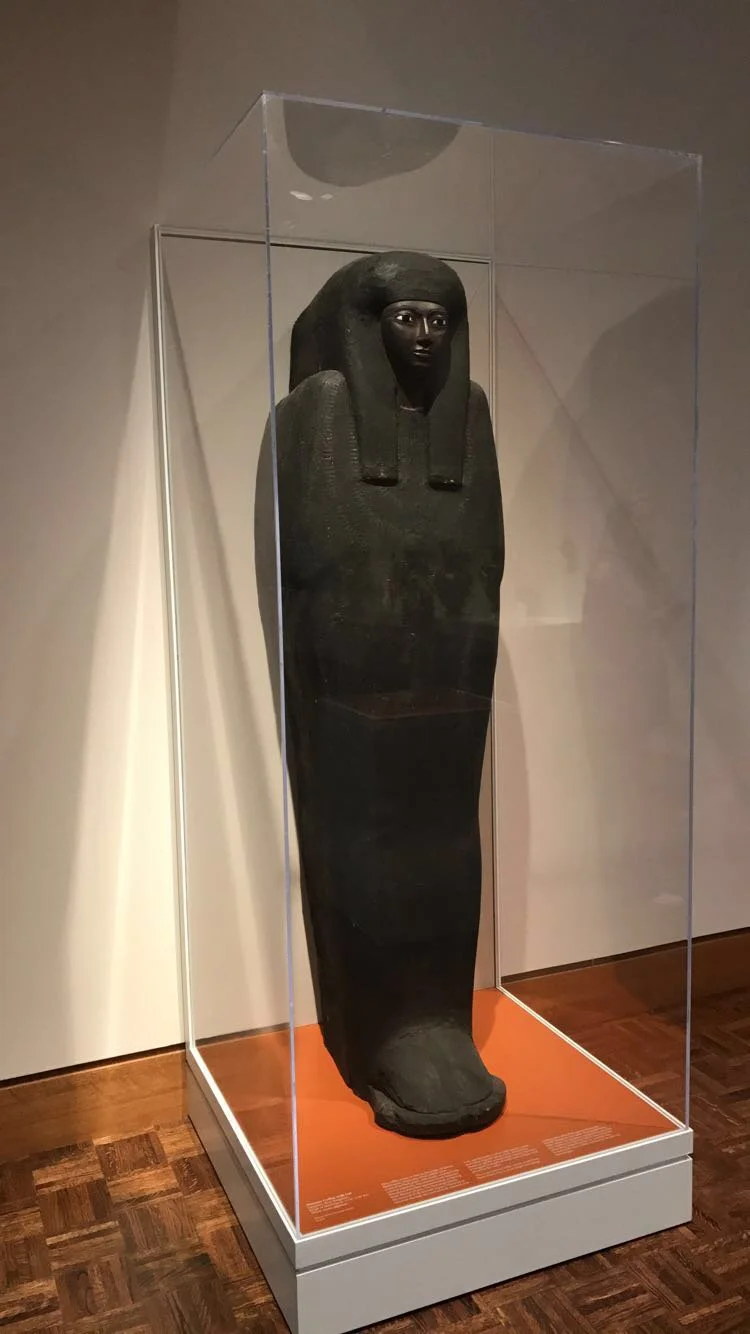
After the Asian Wing, I moved on to the museum’s collection of Art from Antiquity. This started with an Egyptian mummy from between 1539-1185 B.C.E. where I think the face looks kind of skeptical about the whole mummification thing.
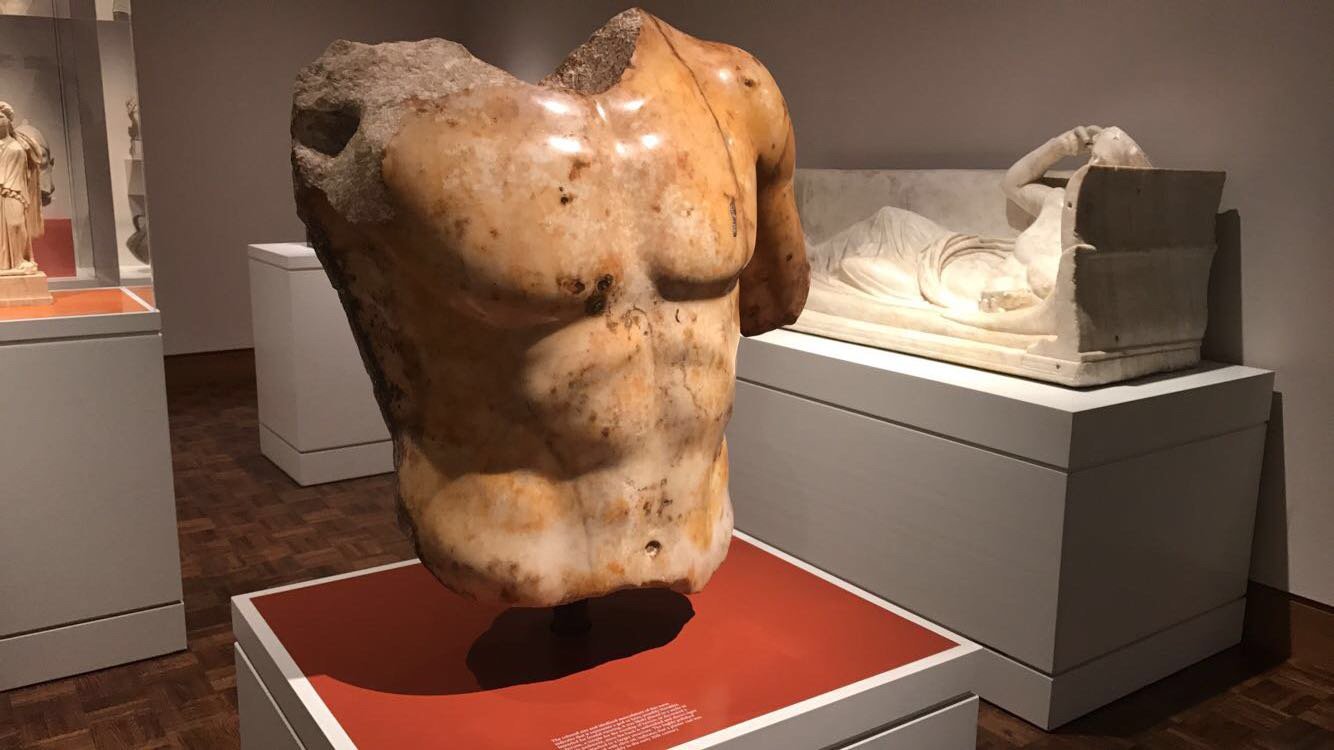
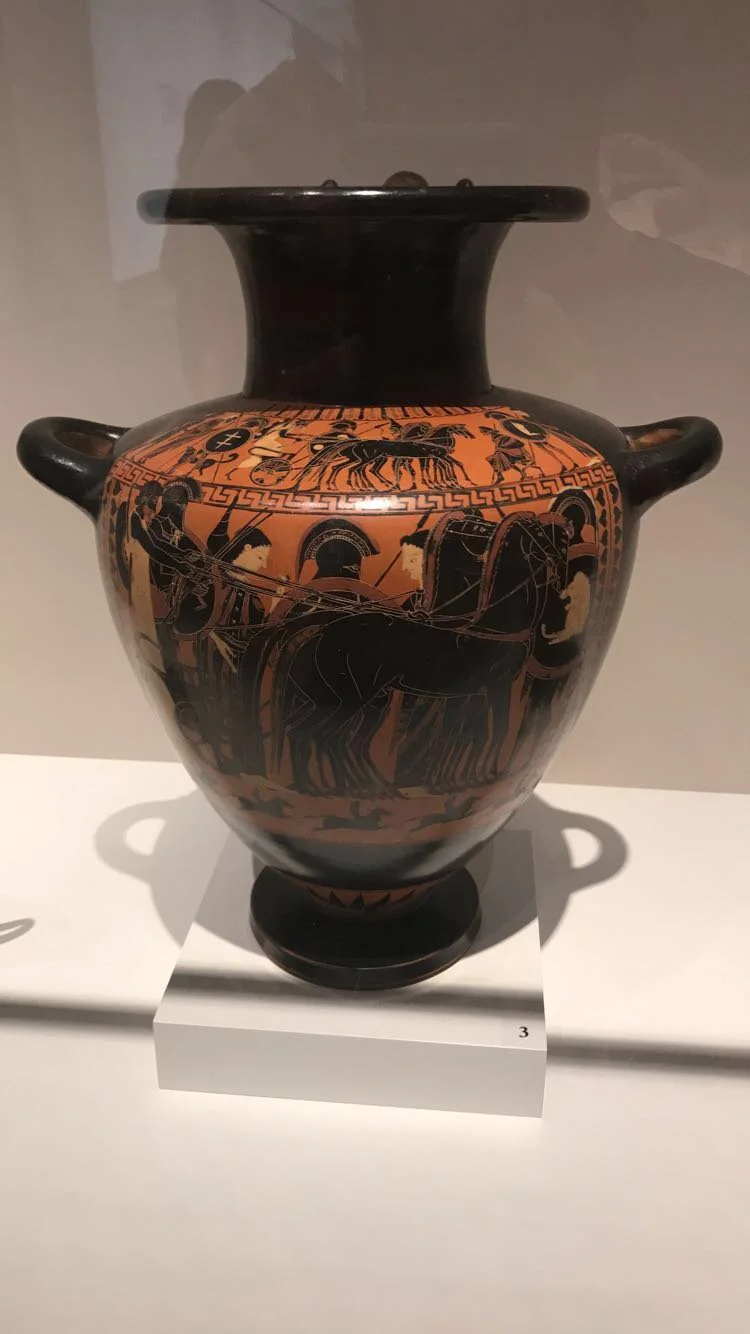
Next up was some Greek and Roman pieces:
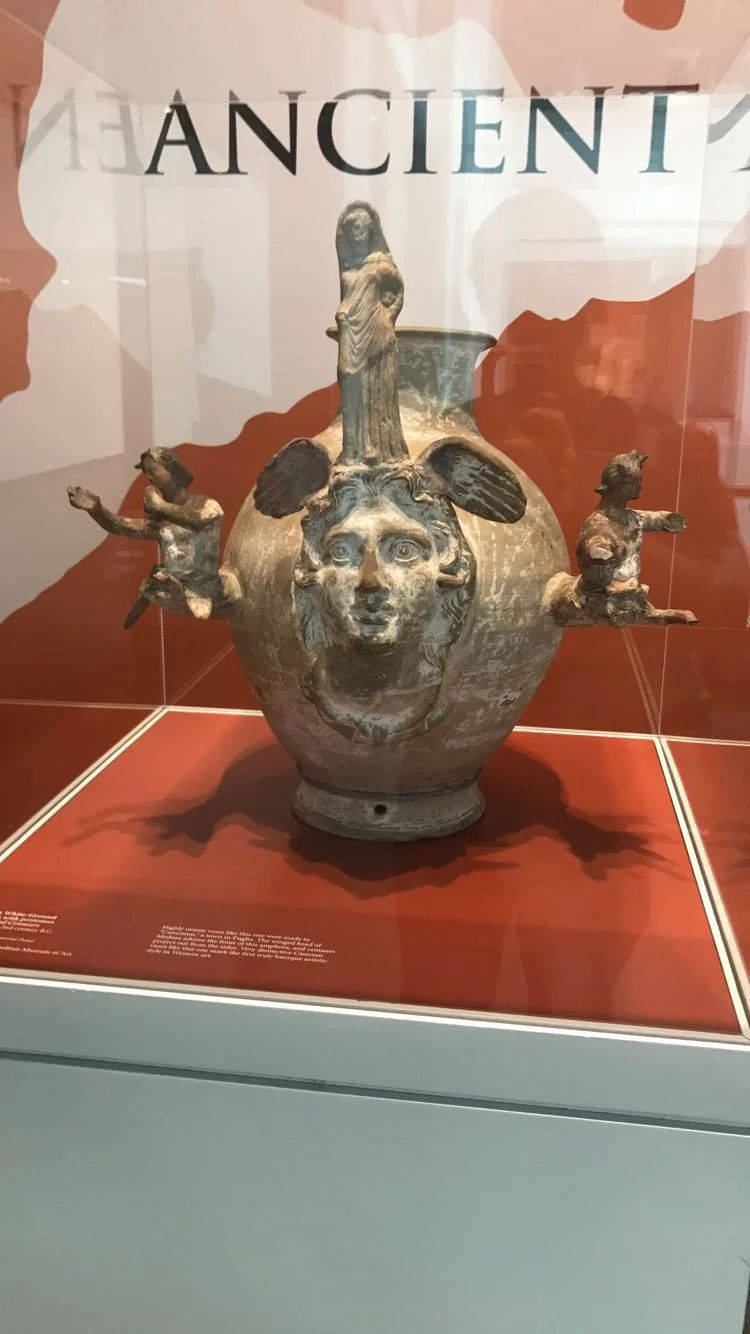
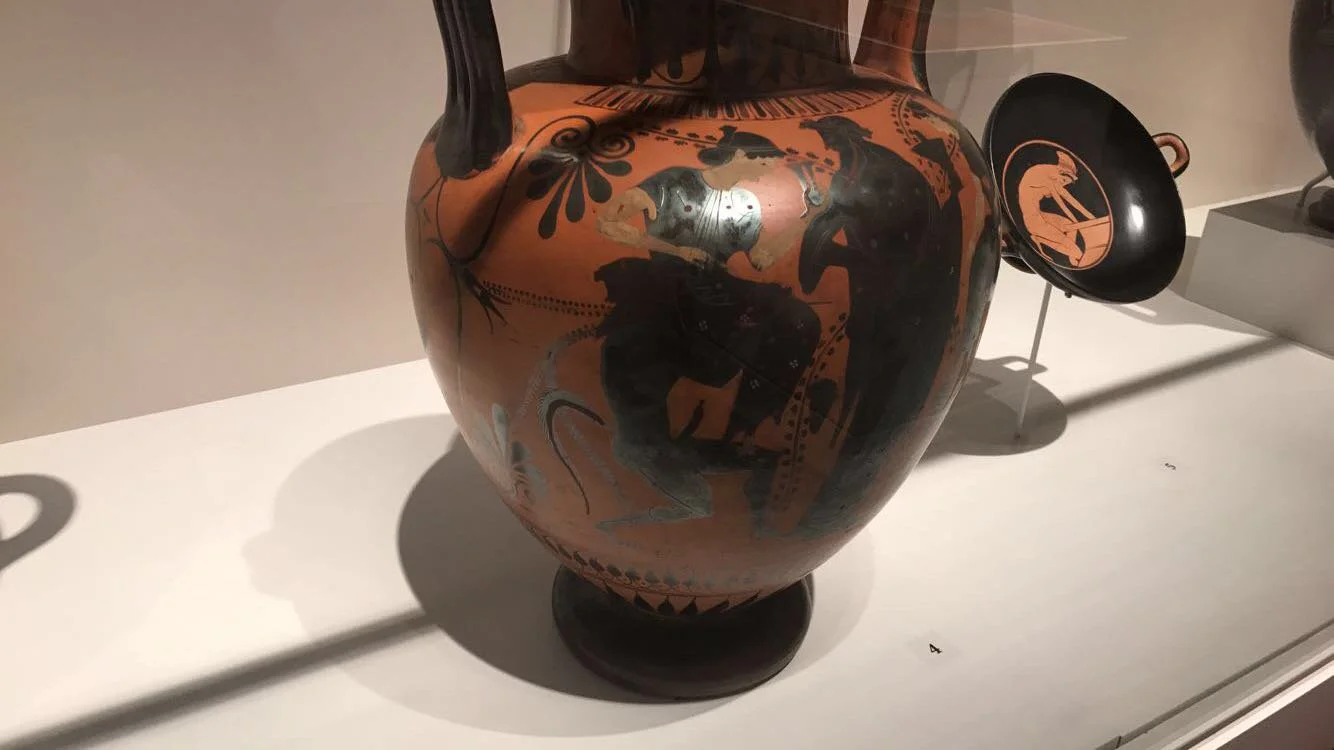
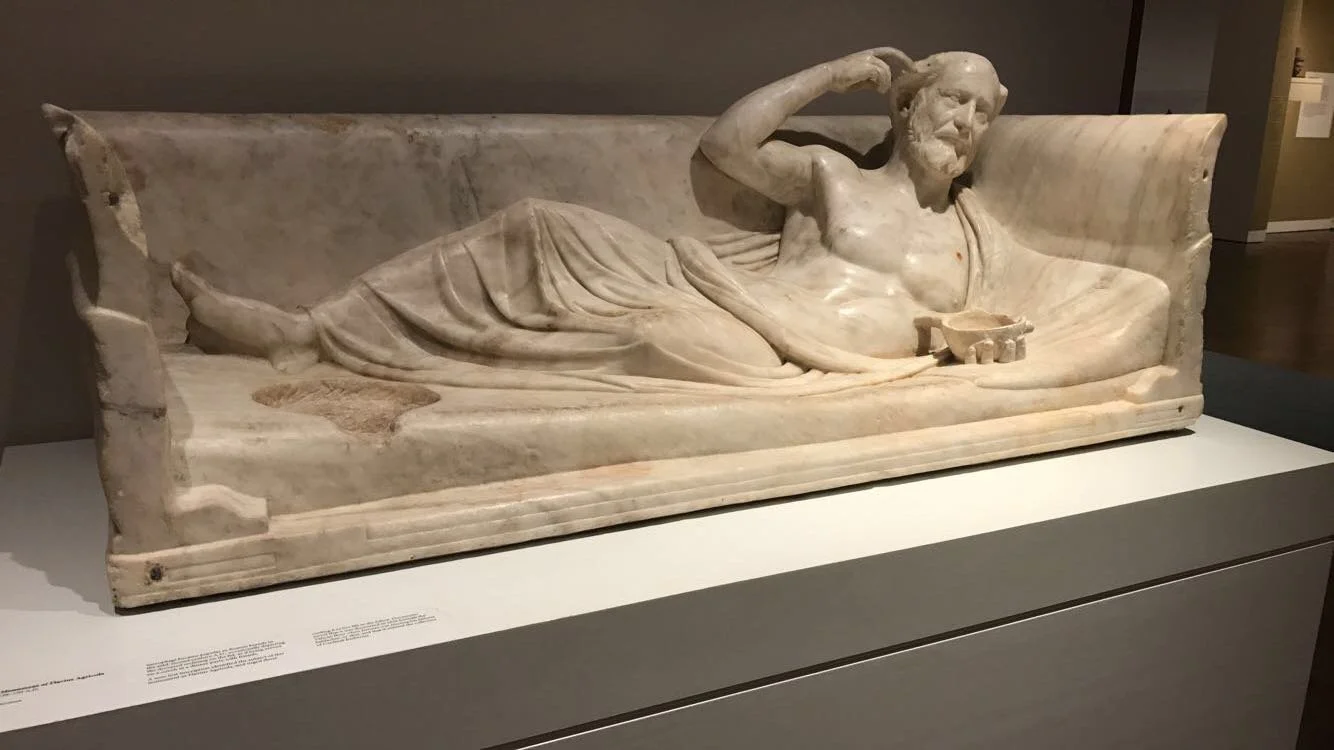
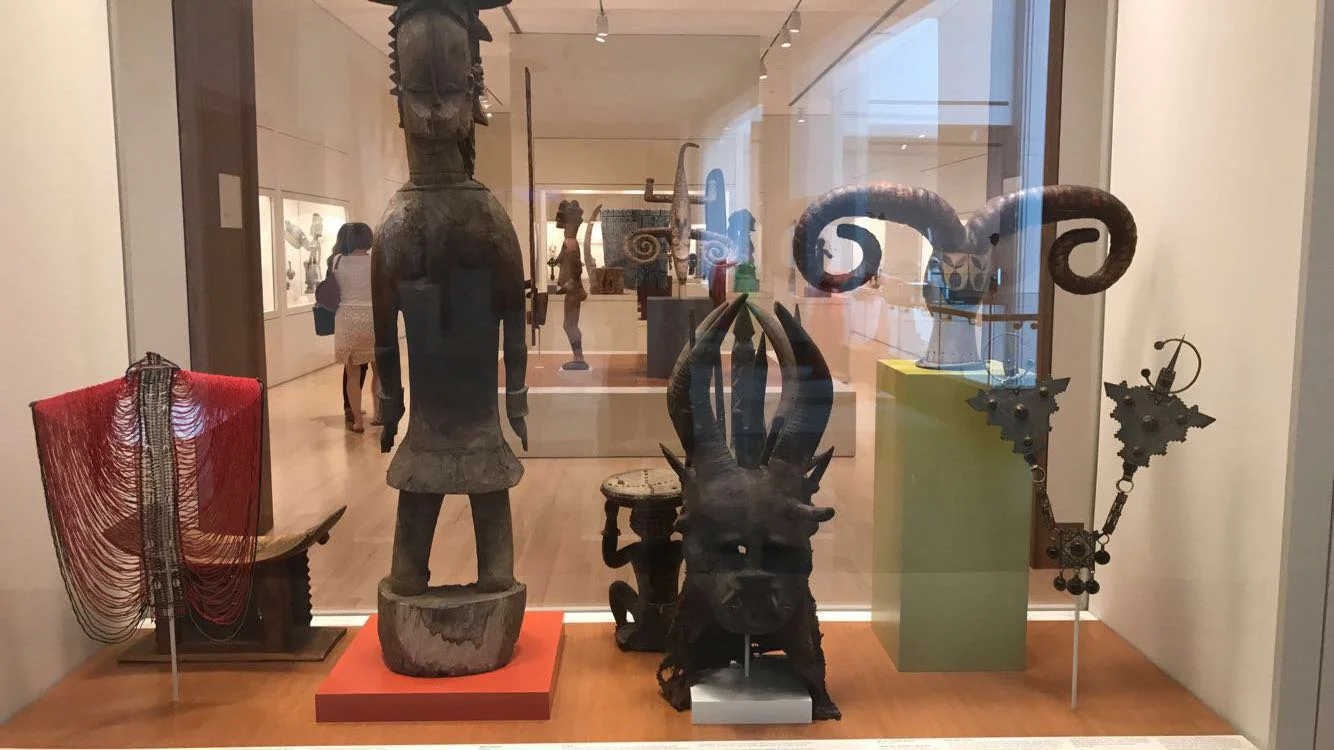
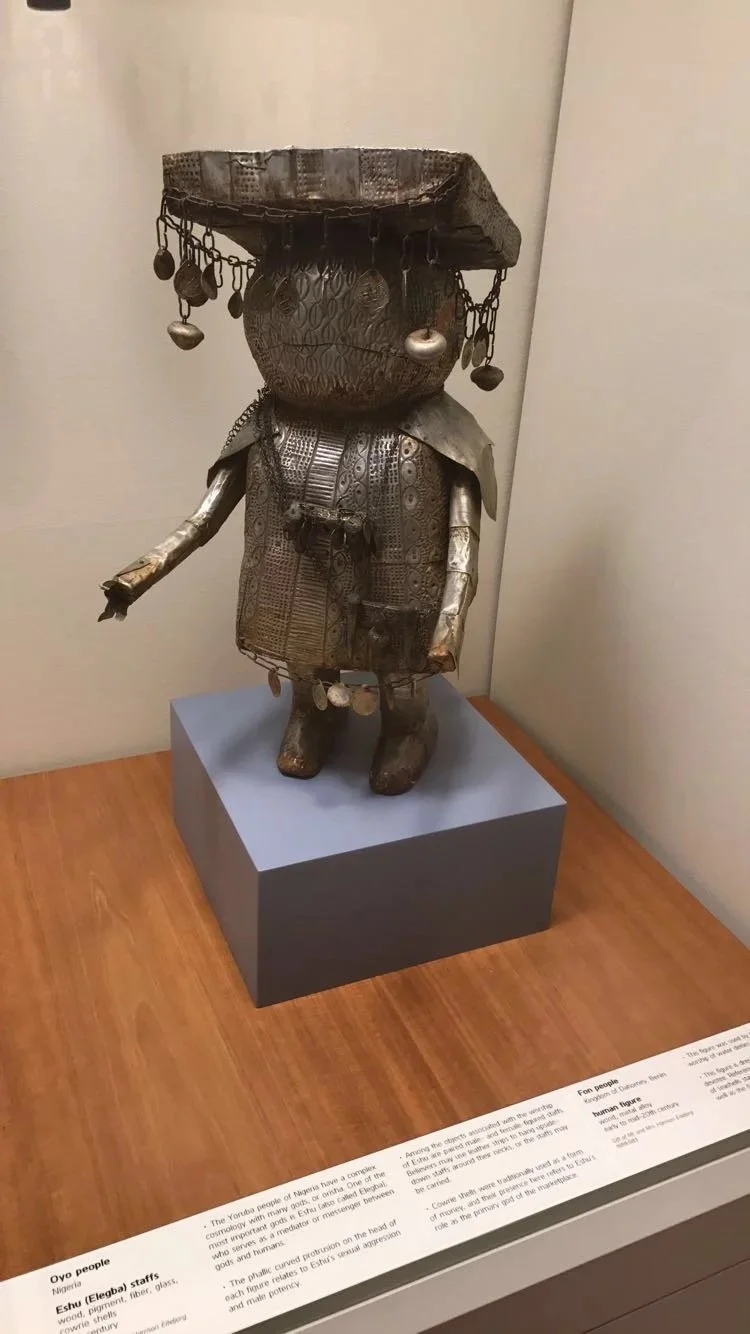
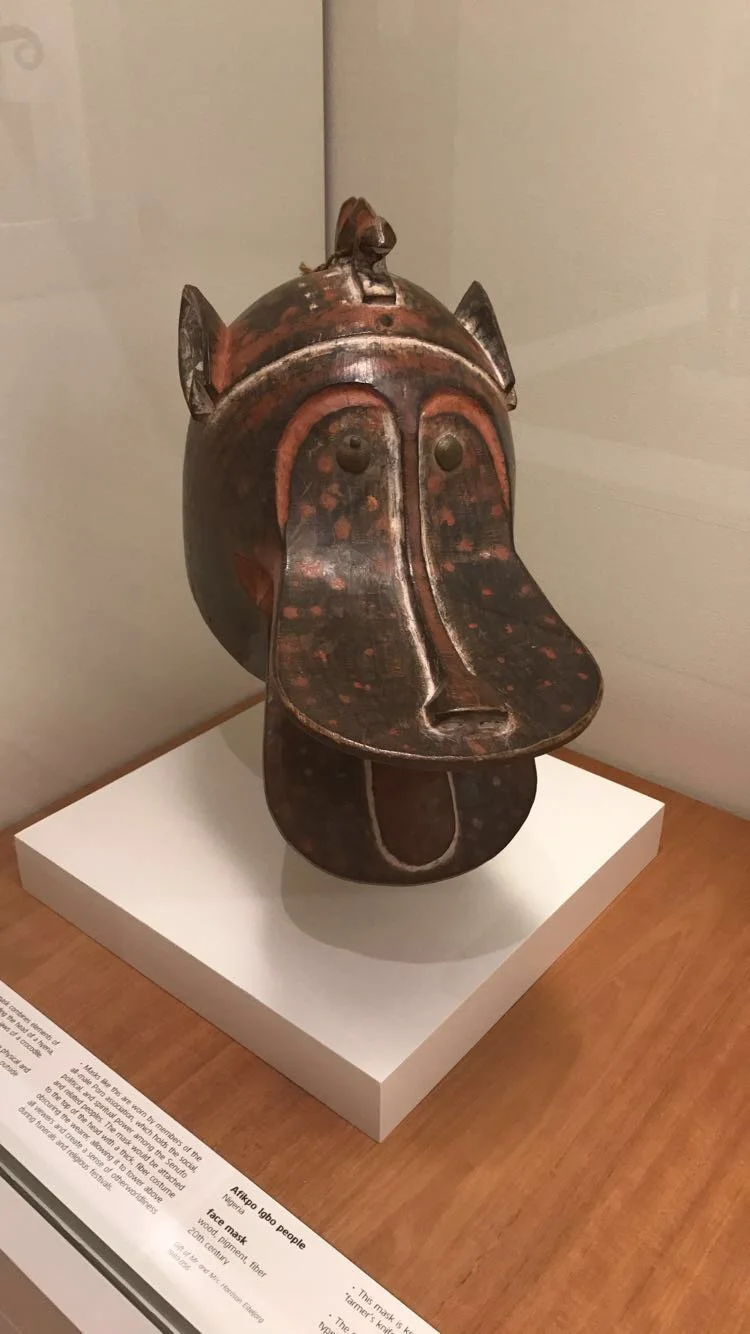
Lastly, I passed through the museum’s collection of African Art. At this point, I was getting a little museum fatigue so I almost certainly could have dug more deeply into this art then I did, but I still particularly liked these masks and sculptures:
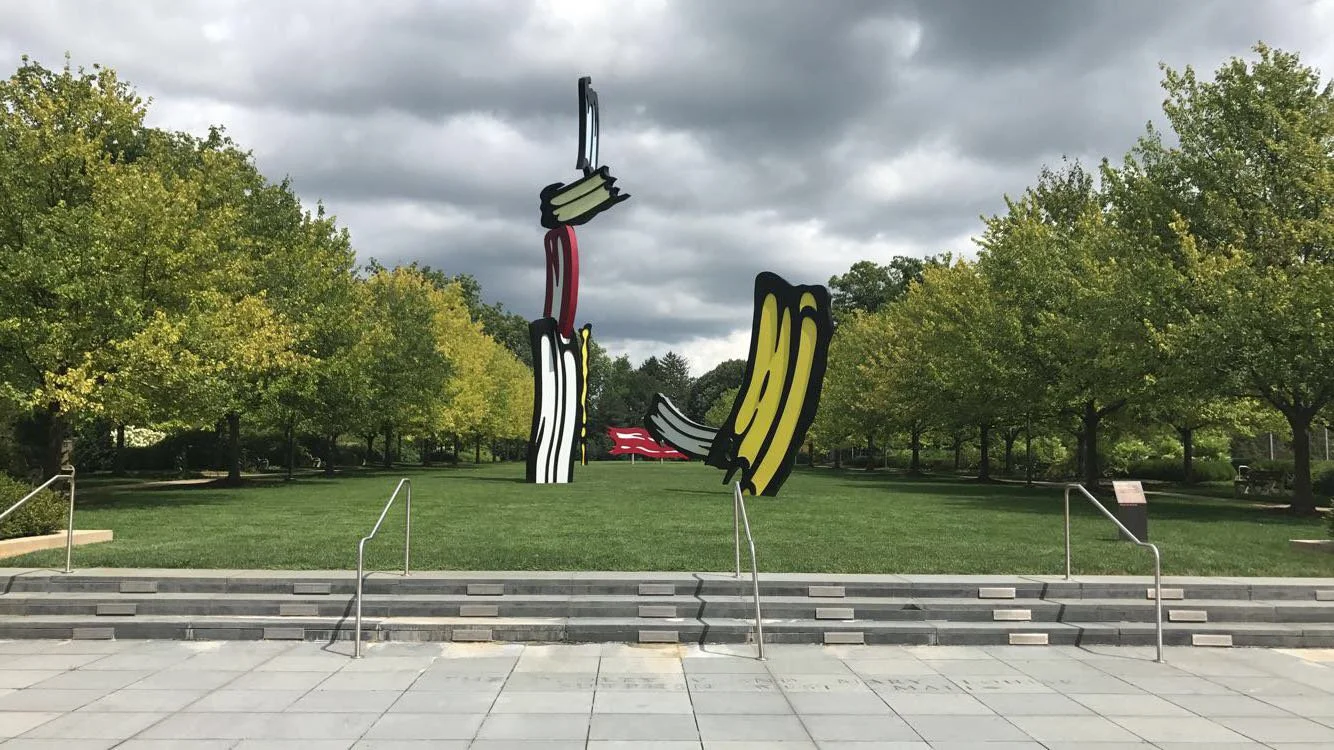
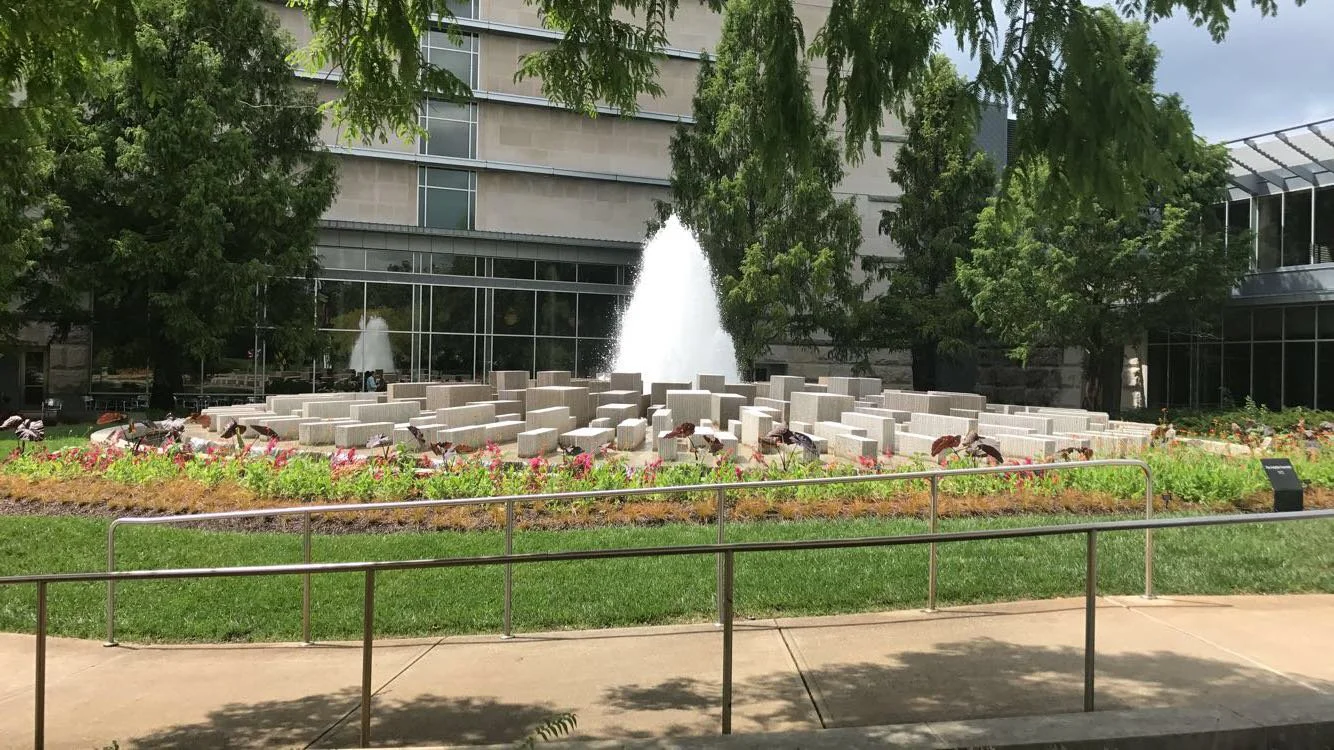
At this point, I got some fresh air and started exploring the museum’s extensive grounds which also features some impressive large scale sculptures:
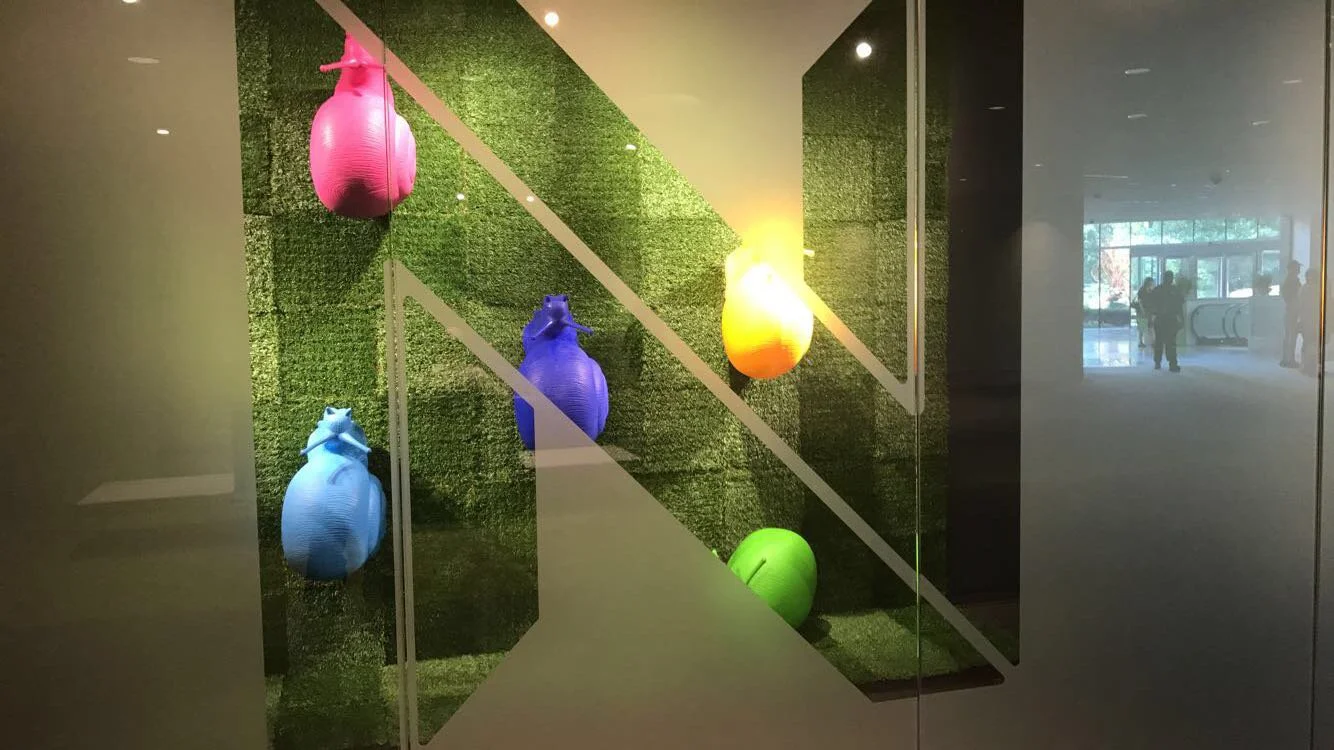
Up next I entered a small gallery that featured some very colorful characters spicing up the museum’s logo:
The gallery was hosting the annual juried exhibition of the Watercolor Society of Indiana, which featured some pretty impressive local talent:
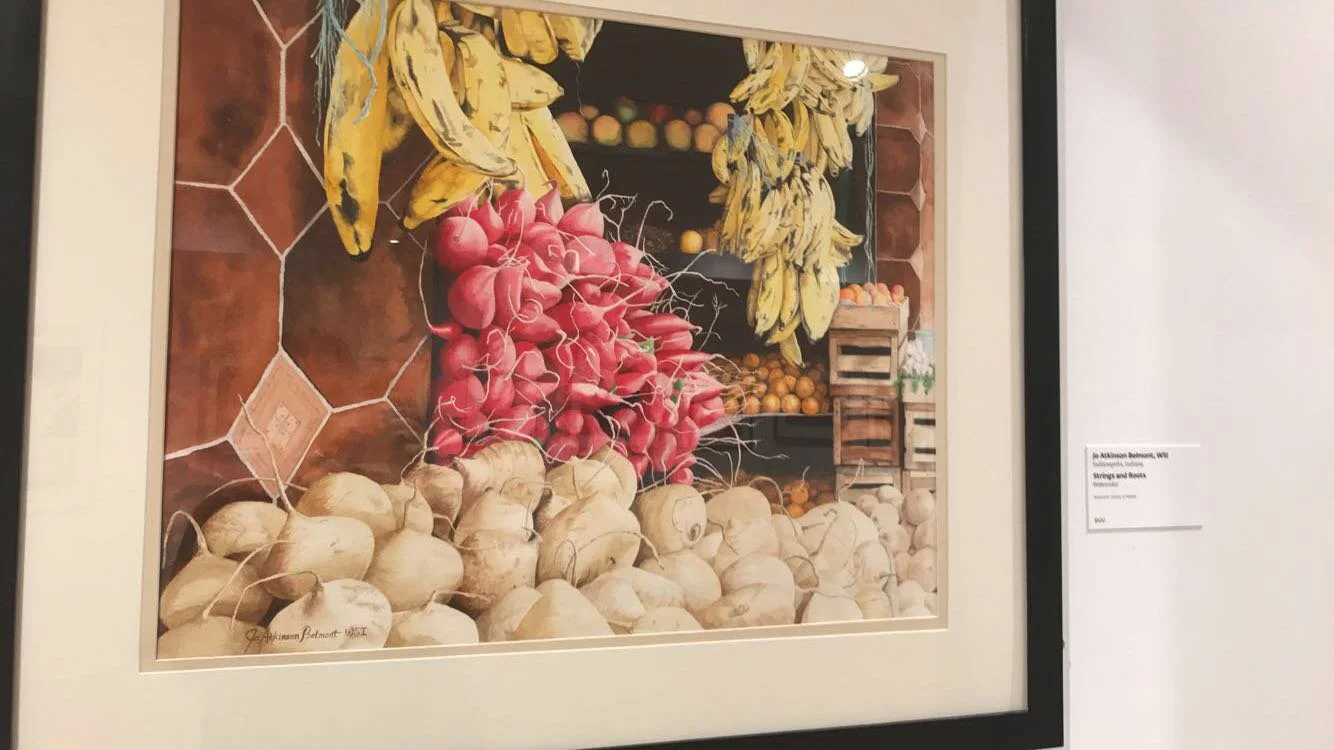
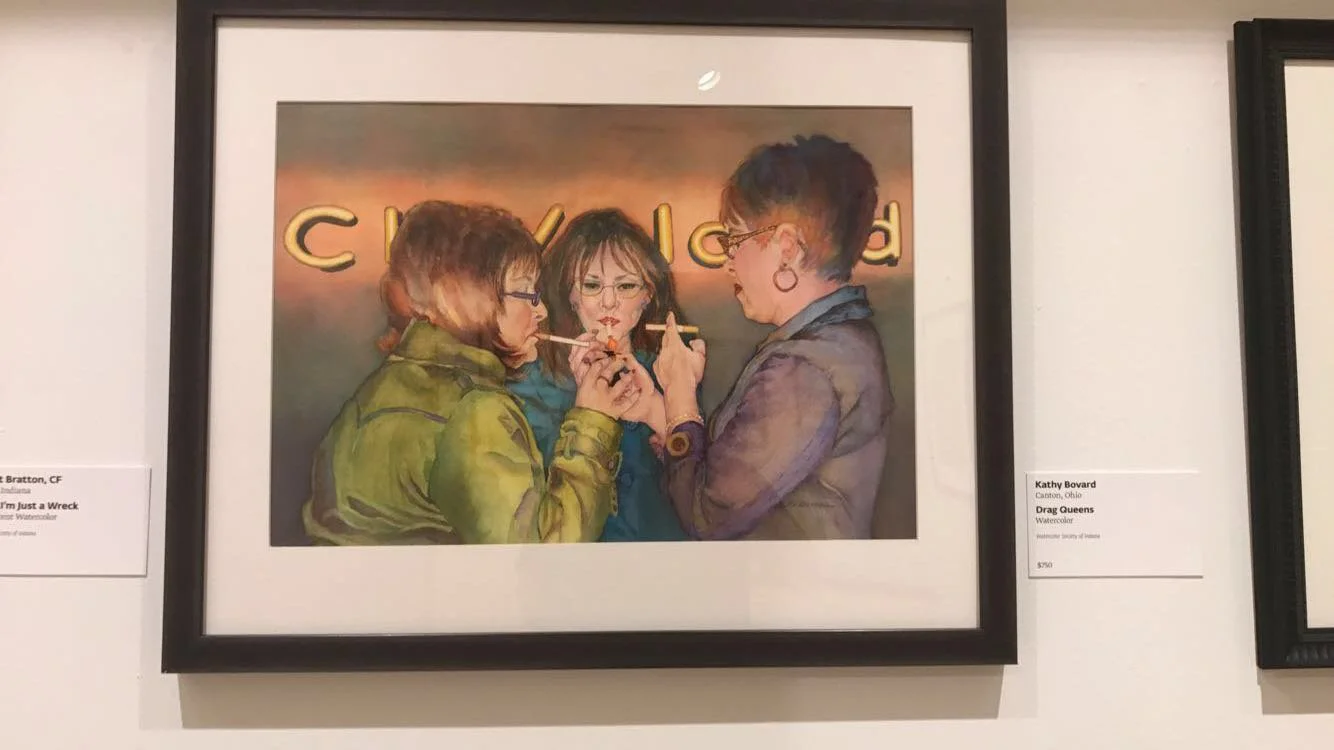
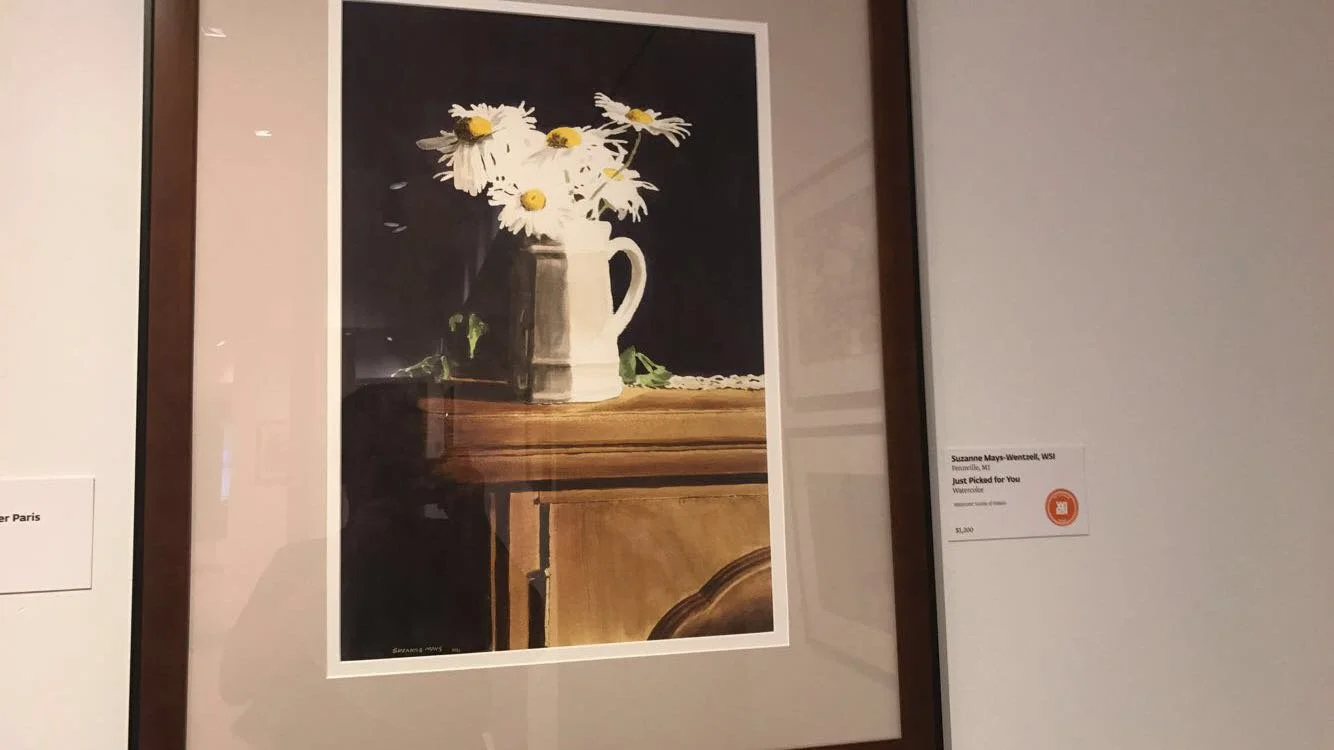
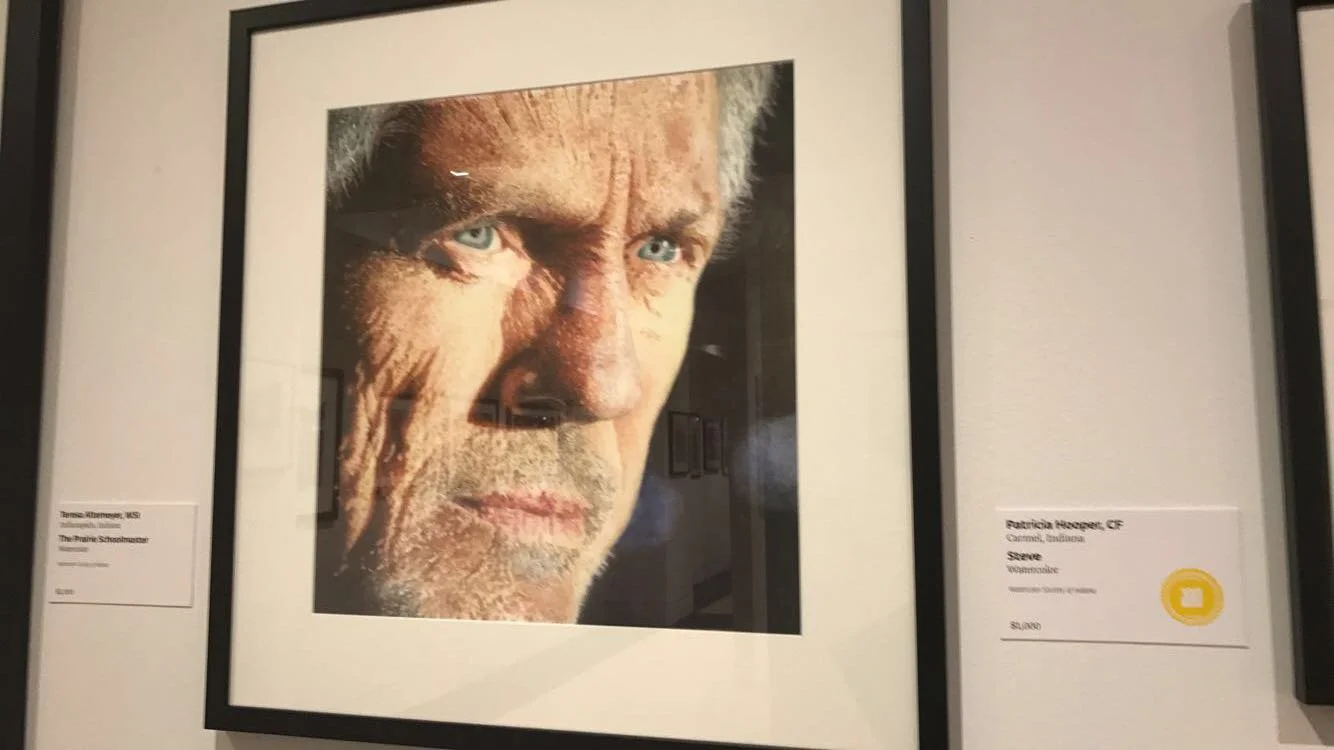
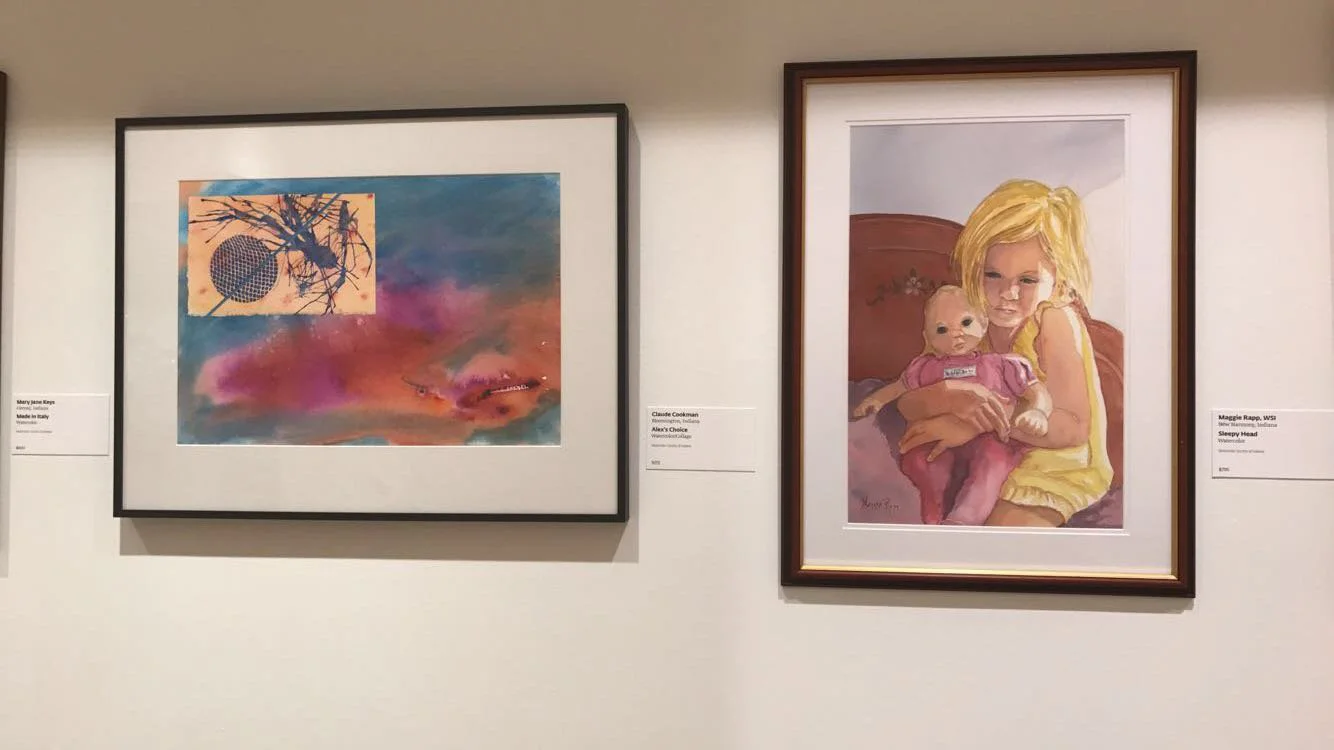
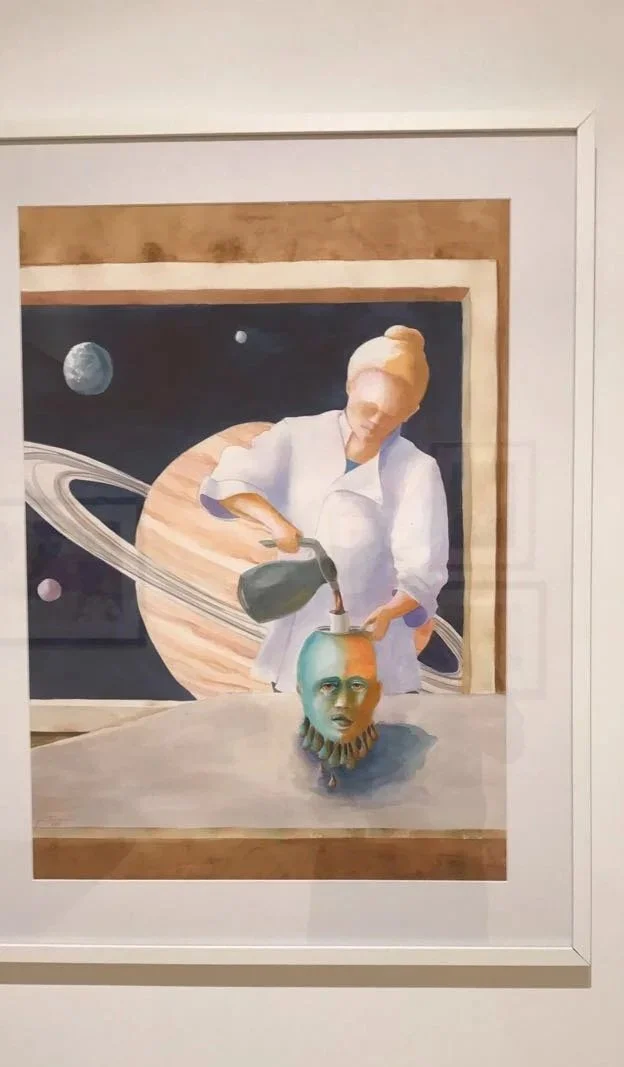
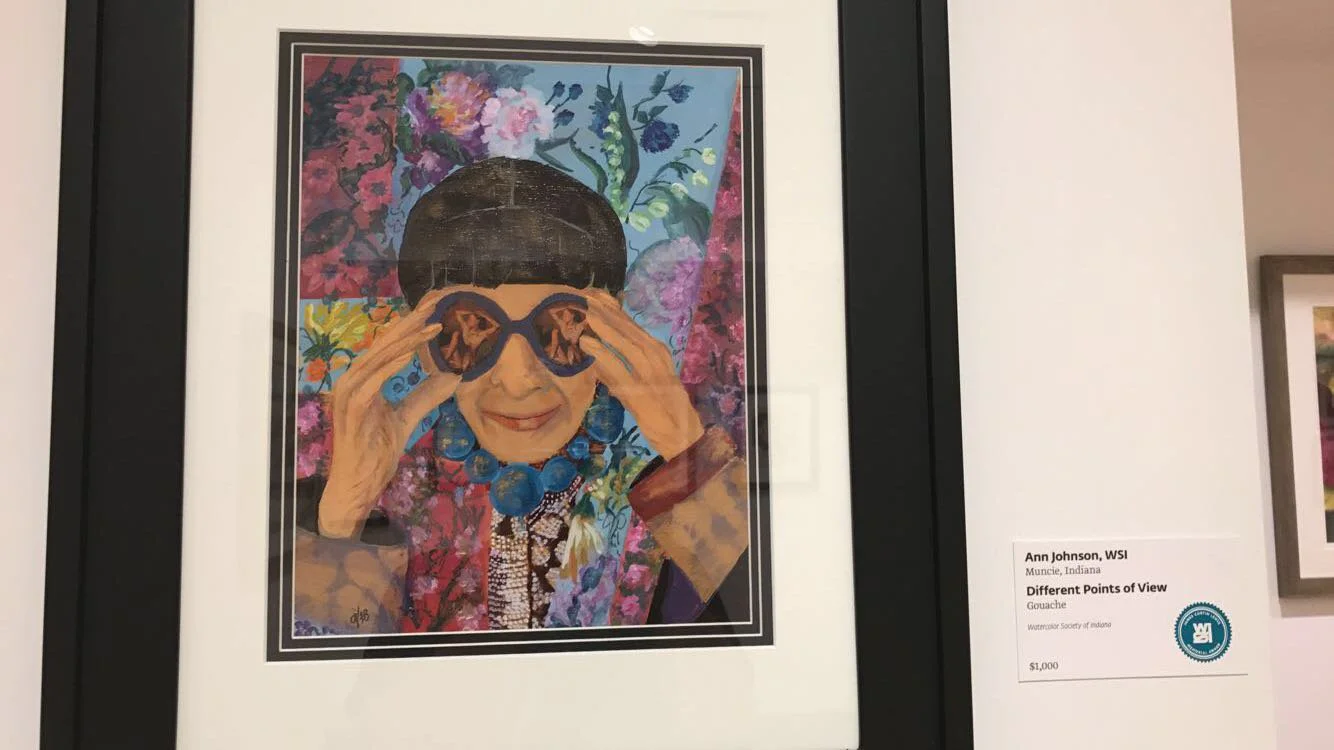
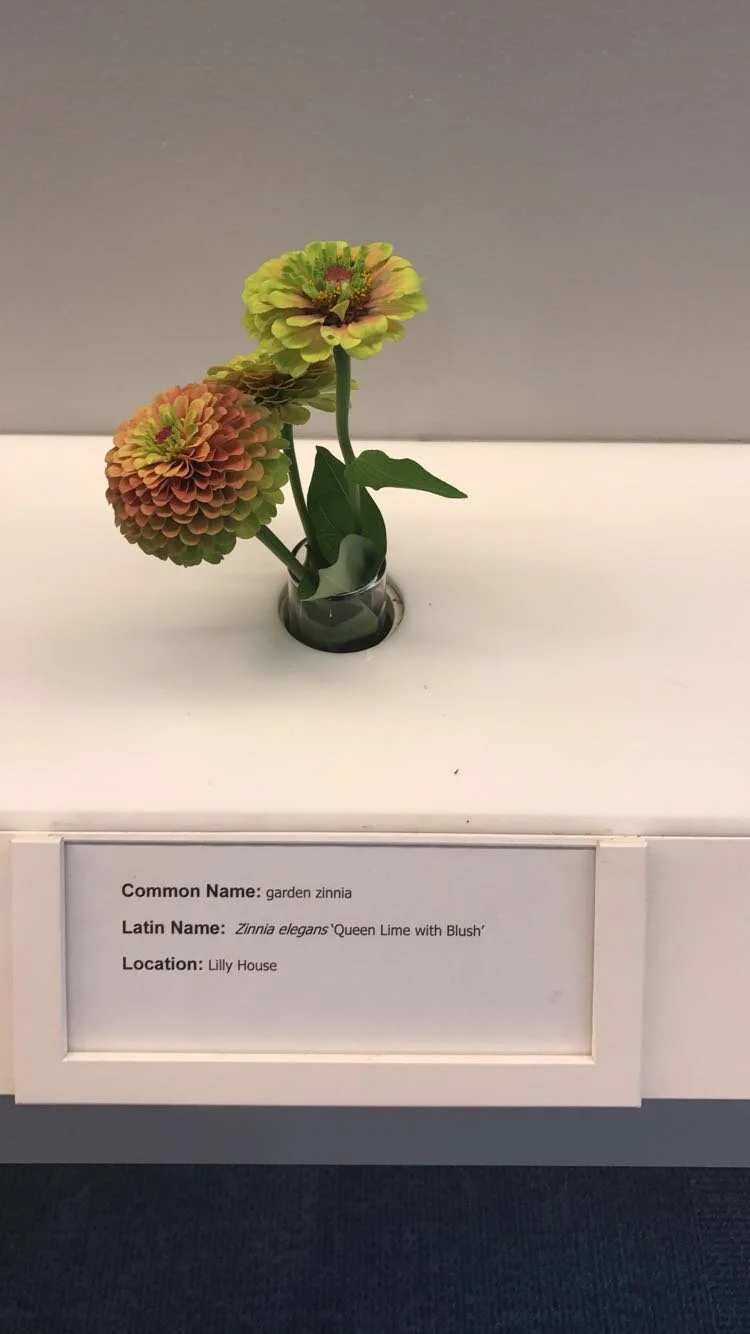
The artwork was also accompanied by pretty spectacular flowers from the museum’s greenhouse:
Back outside, I got to enjoy more of the sculptures that dotted the park grounds:
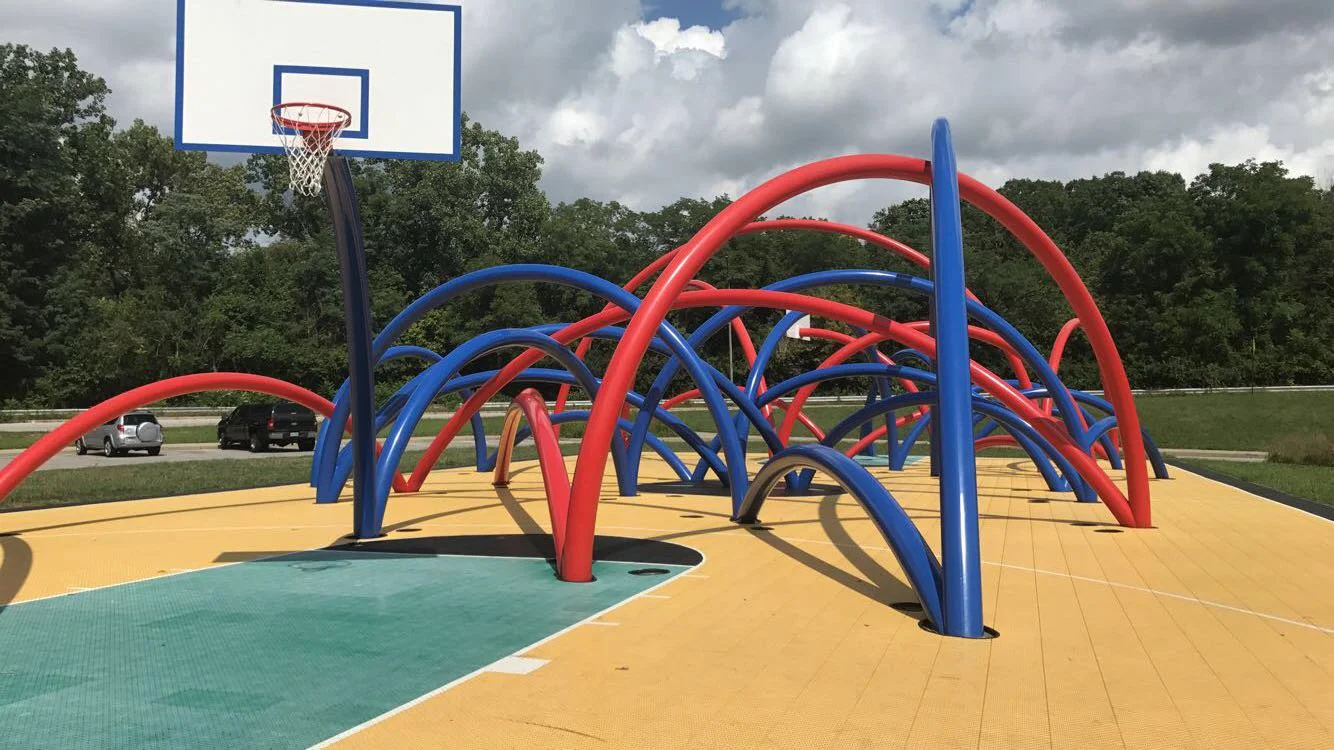
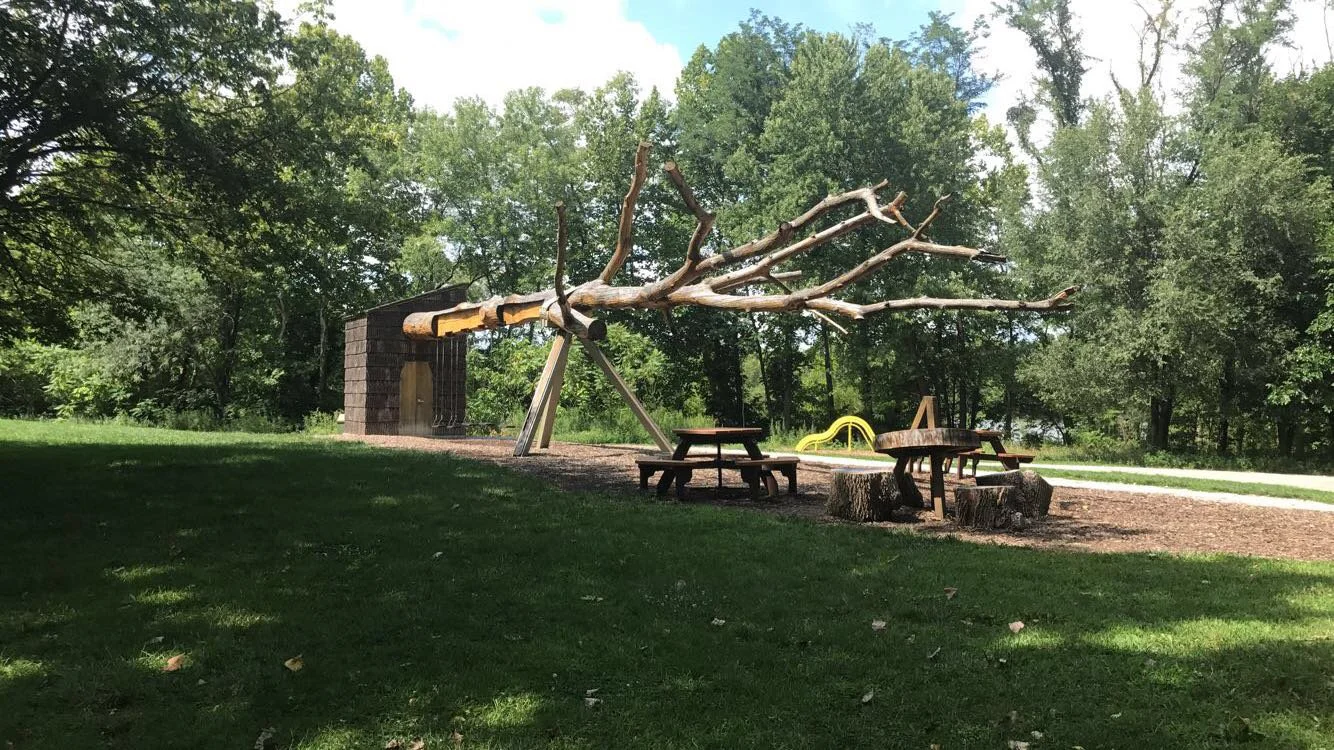
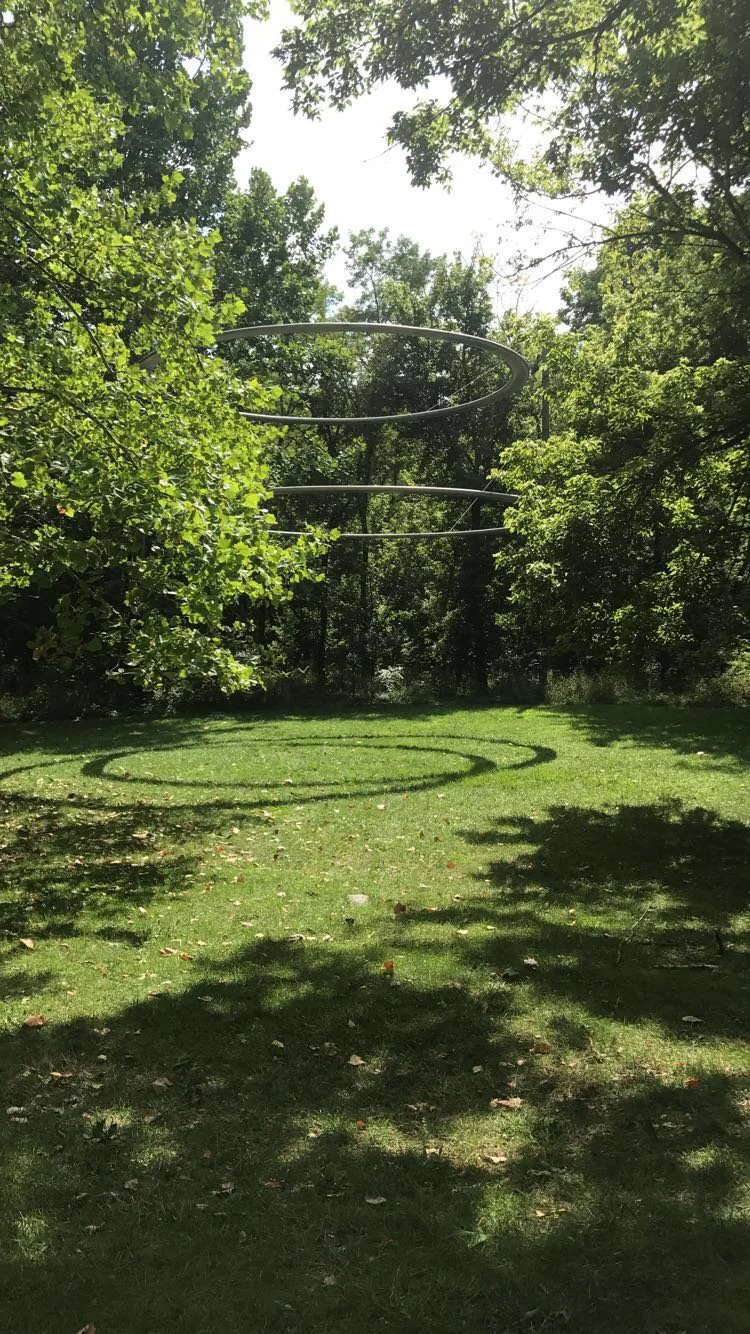
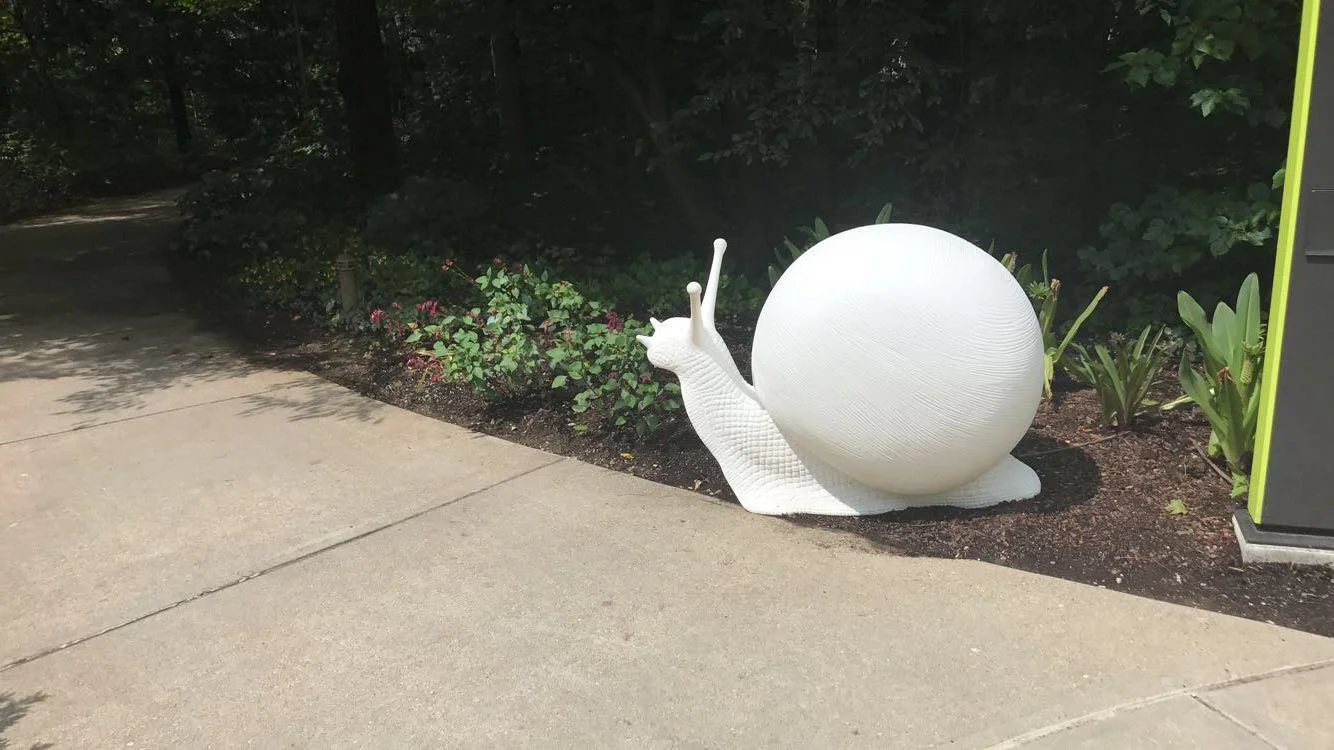
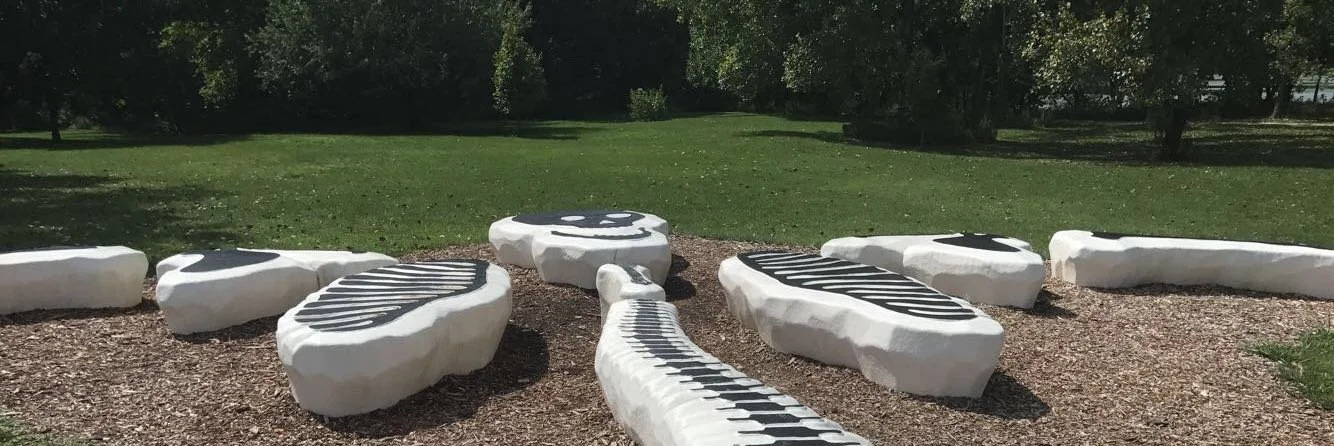
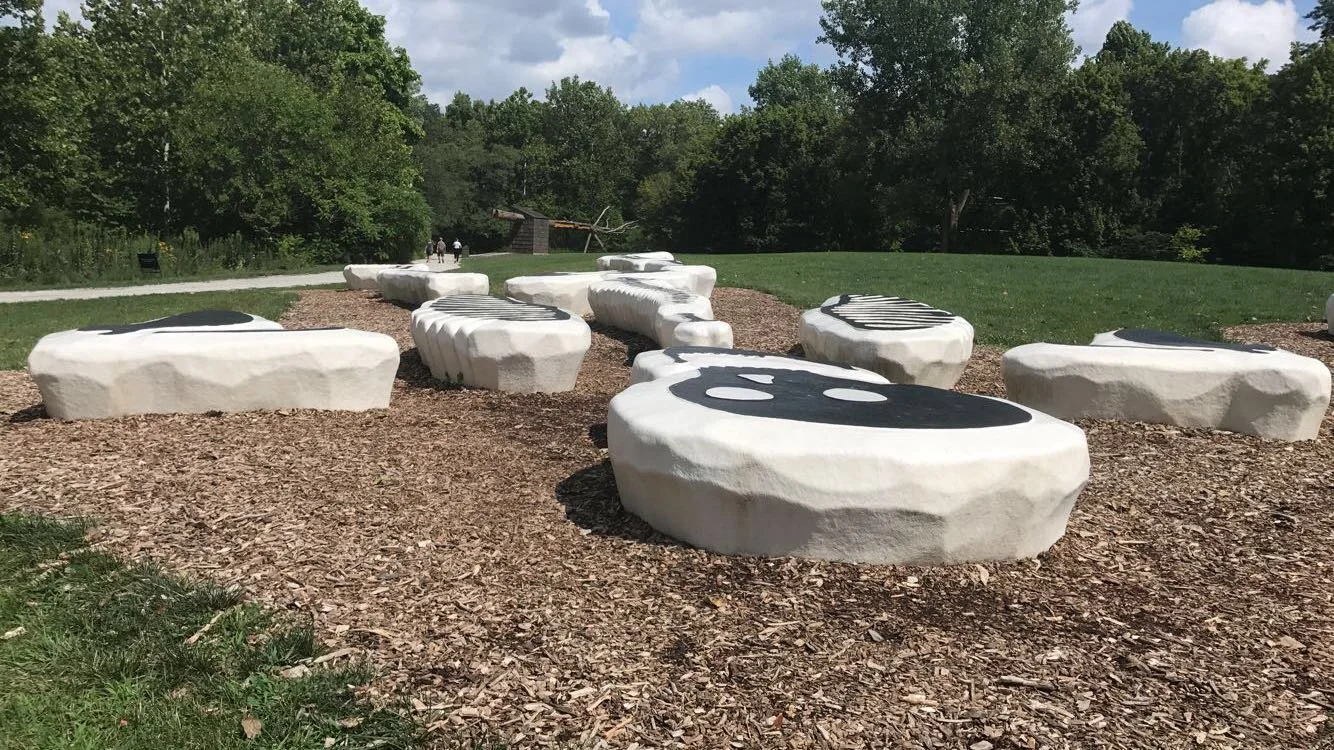
One of the largest and most lovable outdoor sculptures was the aptly named Funky Bones by Atelier Van Lieshout which consists of 20 functional benches that come togeher to form one big suitably funky skeleton. It’s silly and macabre in perfect measure, and if I grew up here as a kid I would have gone nuts climbing and jumping over all the benches. I guess the piece also got a shout out in the book The Fault in Our Star, so that probably brought a lot of angsty teens running to the museum.
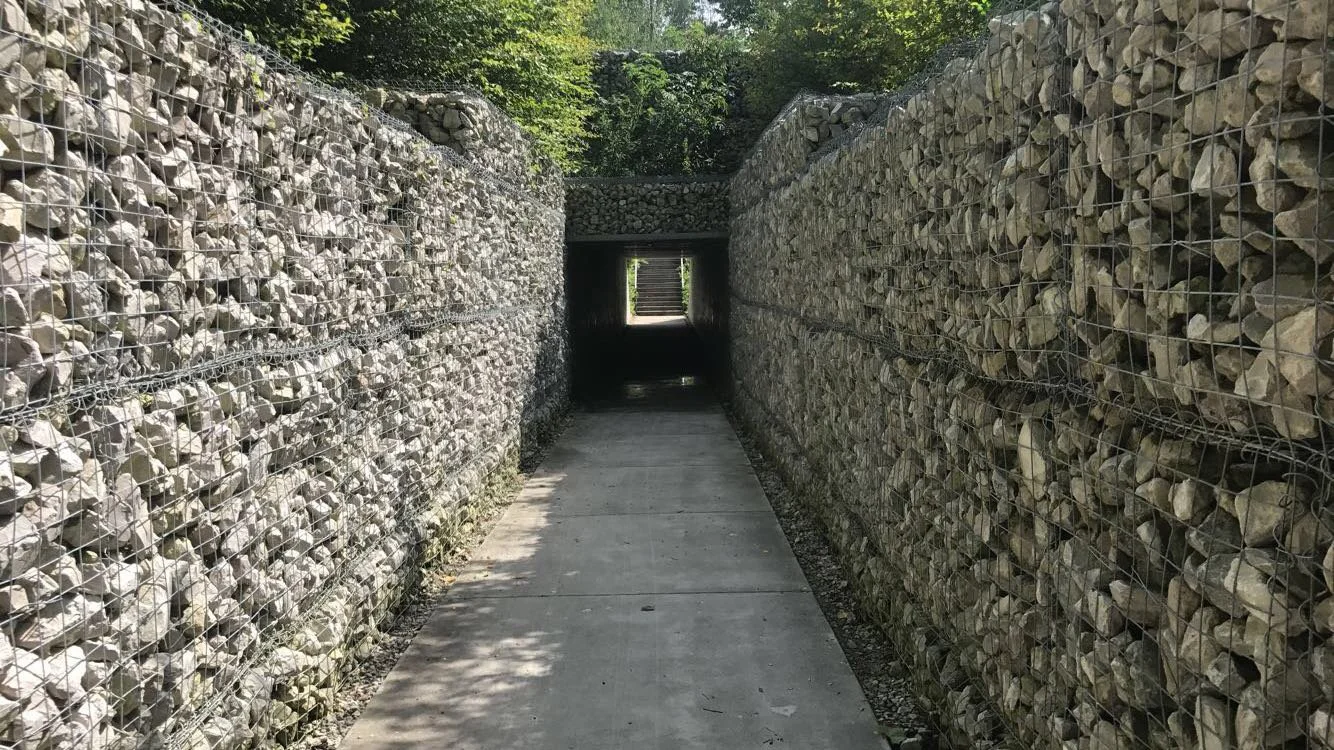
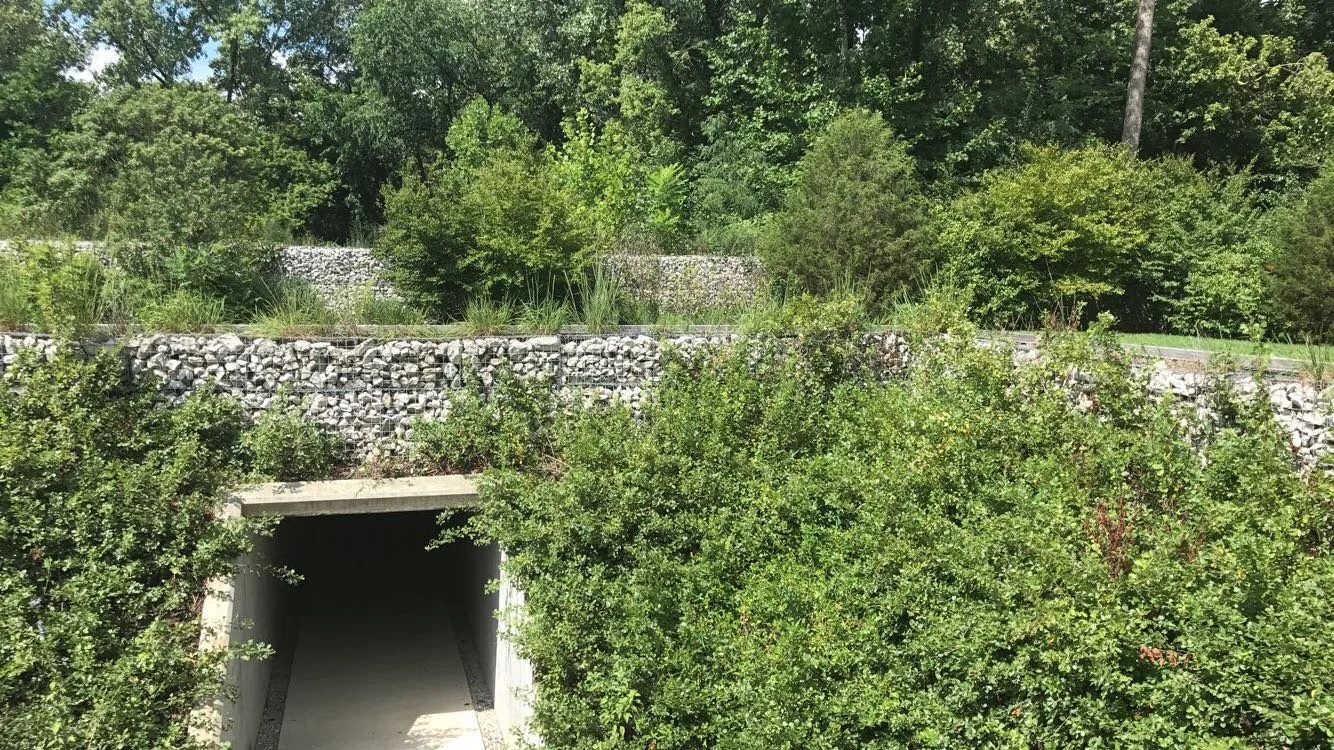
The next sculpture was a meditative bit of interactive landscape architecture called Park of the Laments by Alfredo Jaar. The pyramid-like structure featured steps and walls made out of wire baskets filled with limestone, and entering the piece through a long underground tunnel would lead you to a staircase that would take you to a sitting area filled with benches and indigenous wildlife to sit among for quiet reflection.
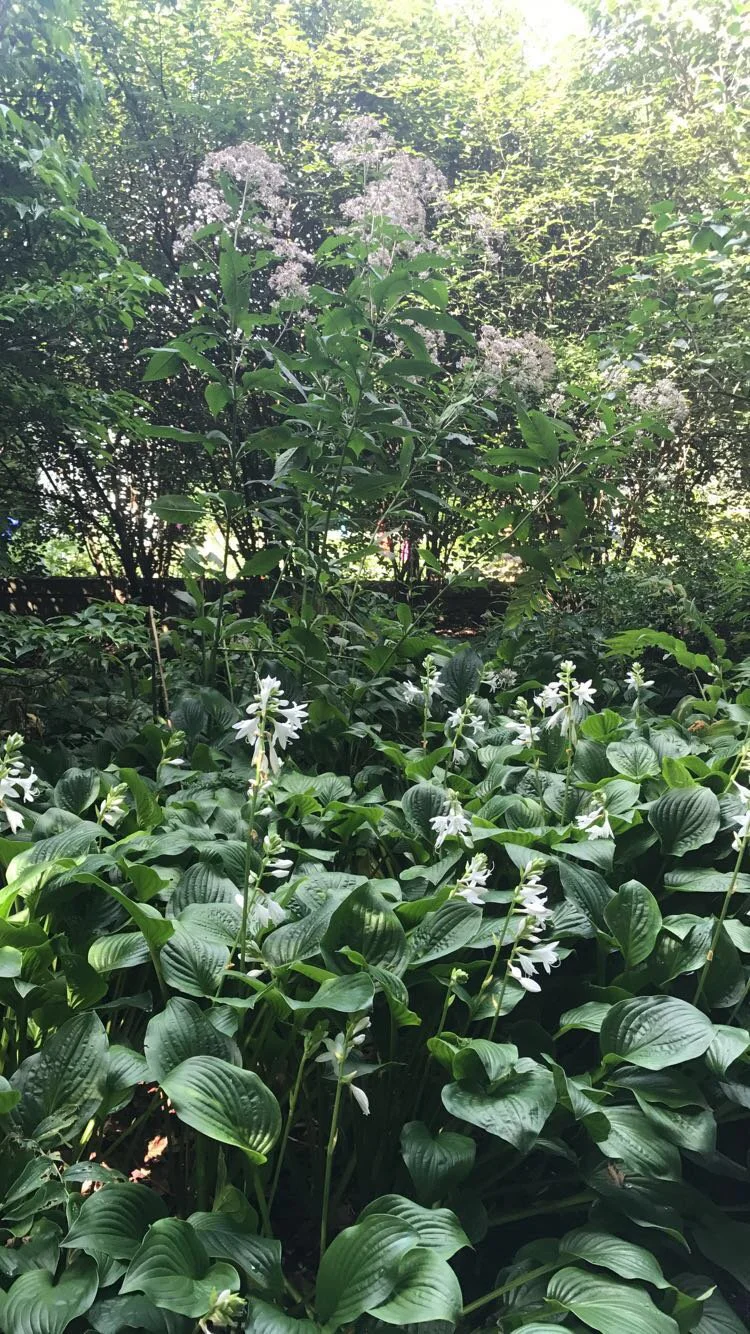
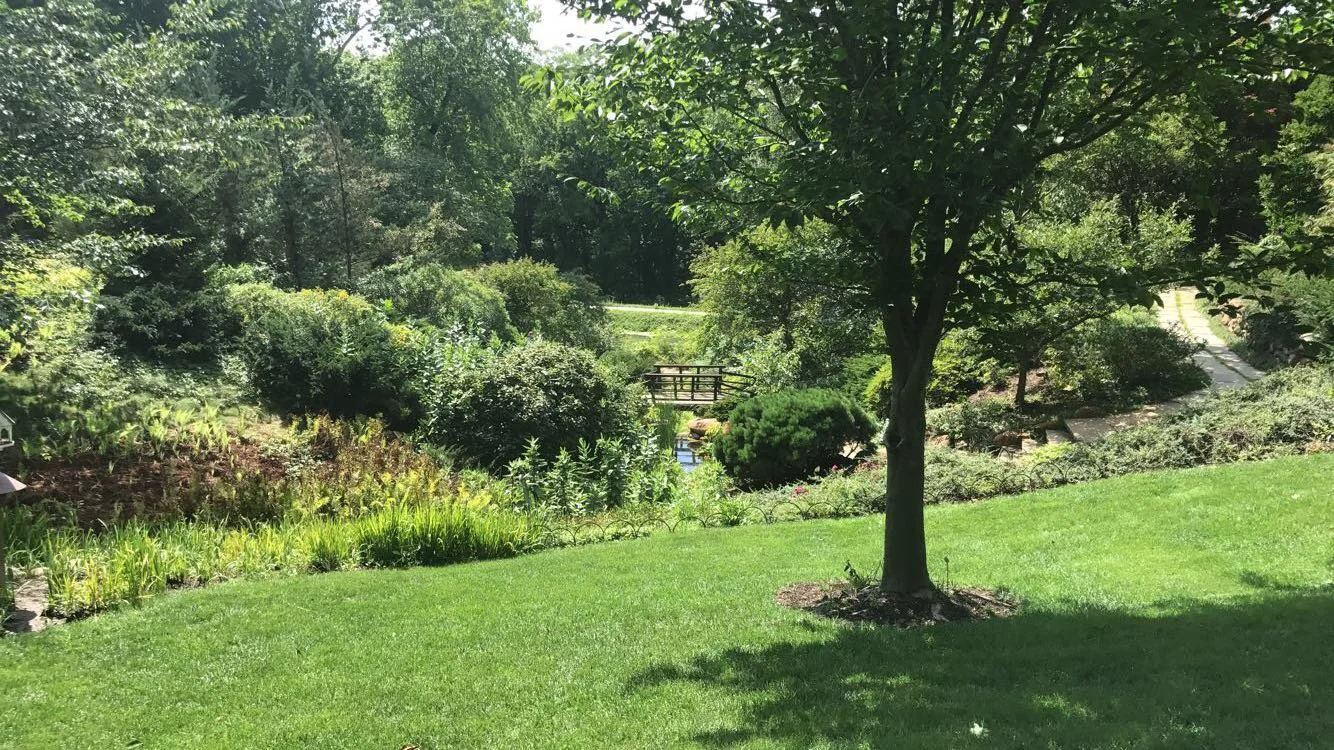
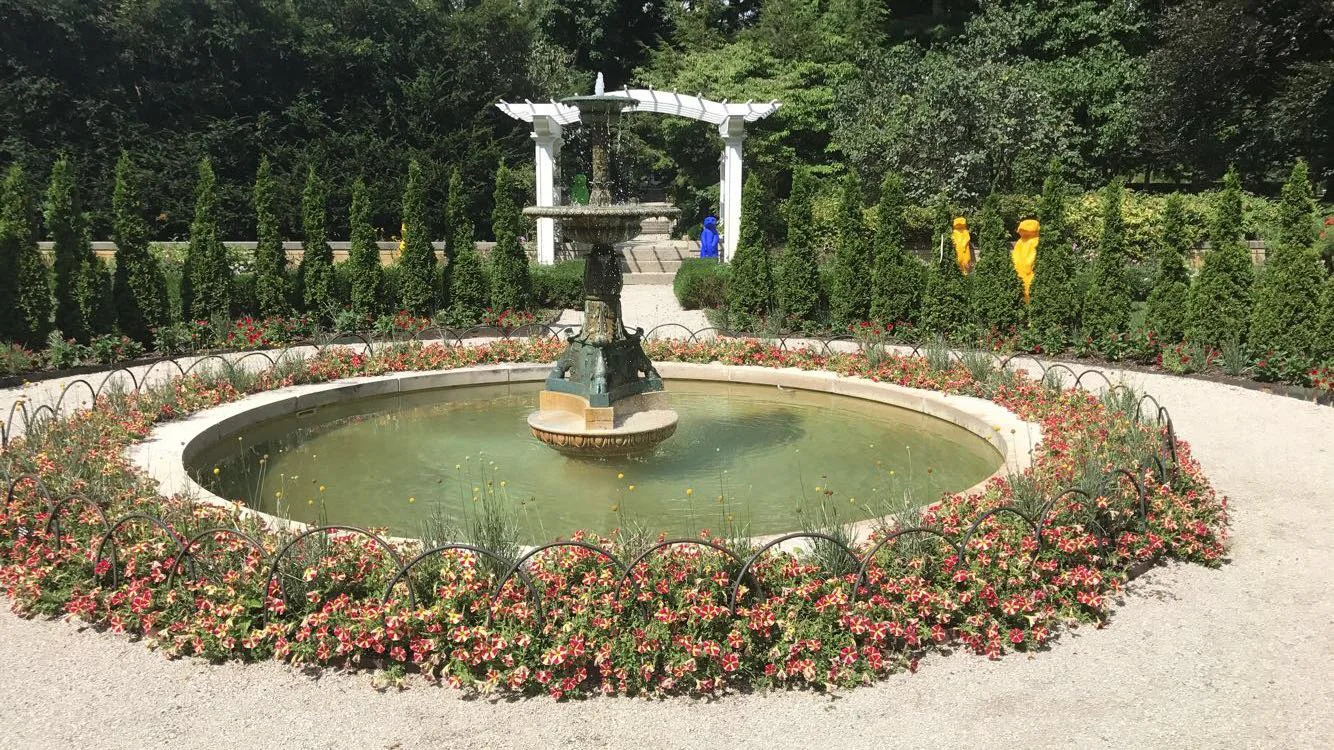
The gardens themselves were lovely and the expansive grounds made for some beautiful summer strolling:

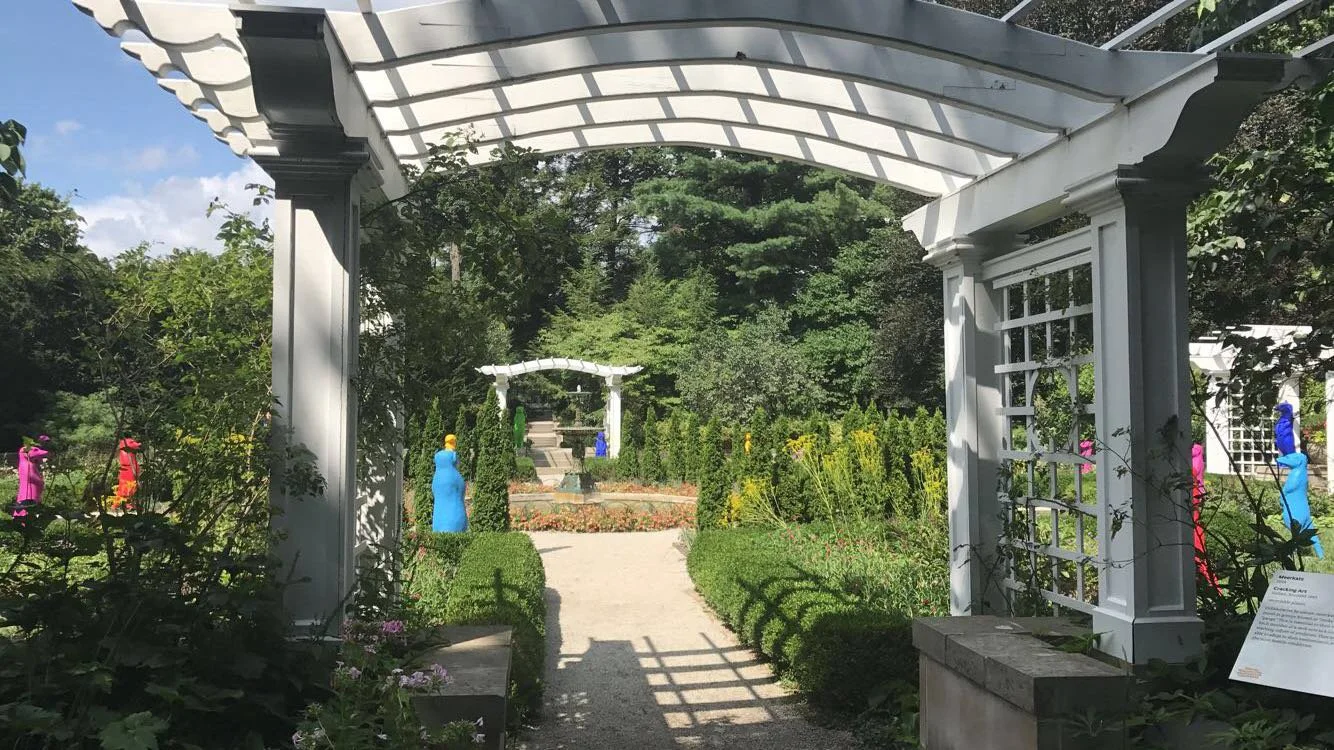
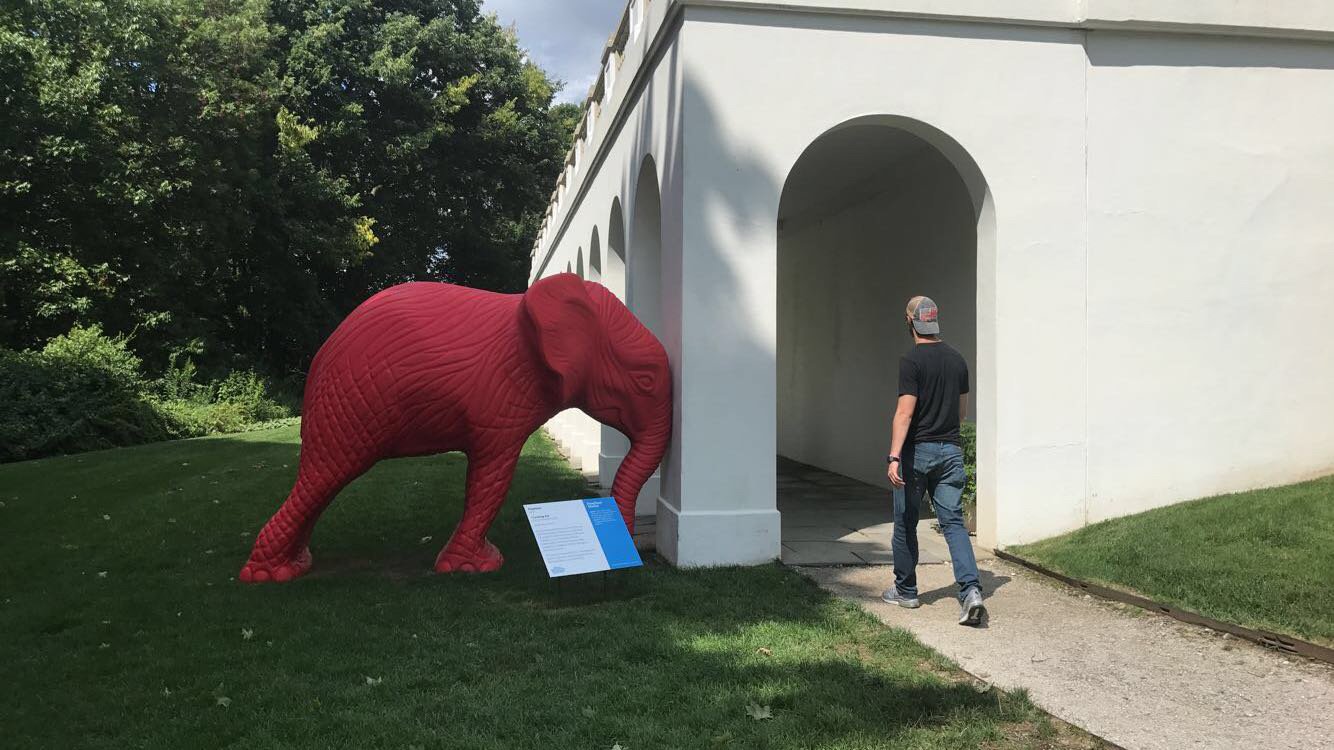
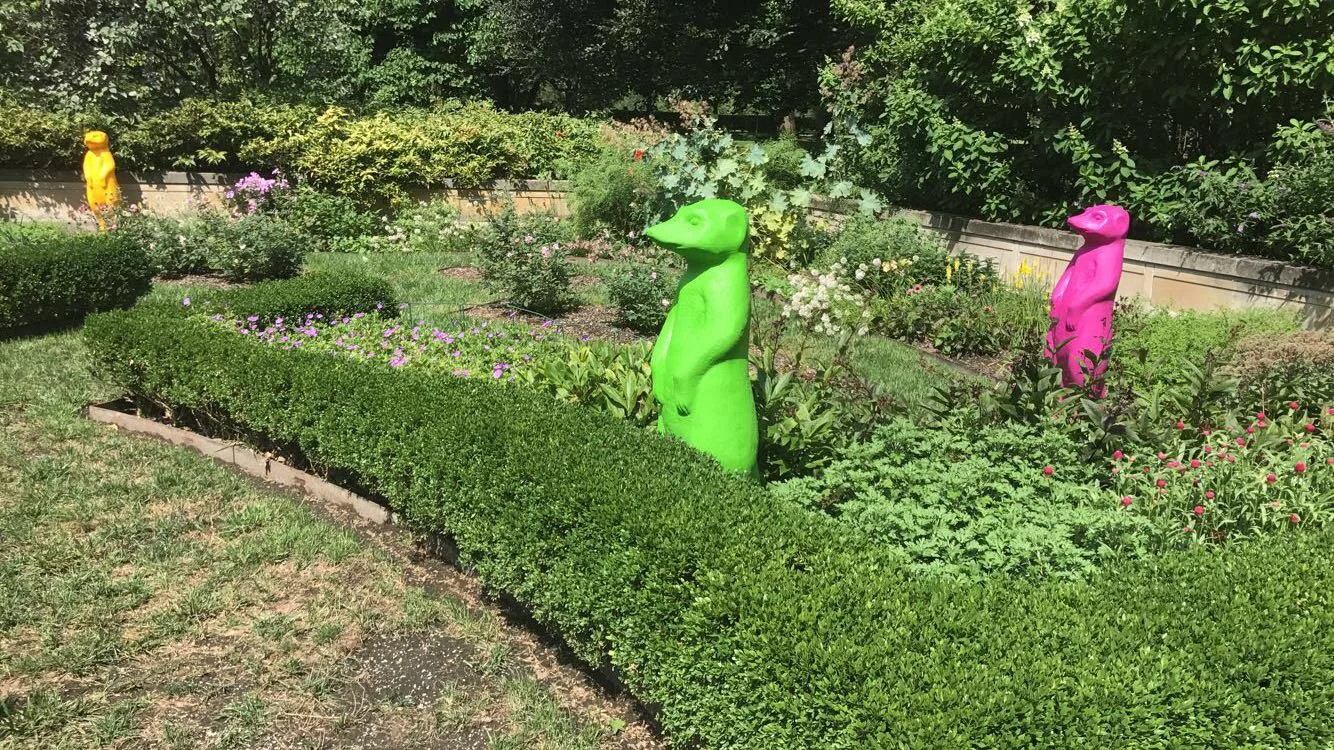
I really enjoyed how the Cracking art team had their animal sculptures interact with the grounds of the museum with meerkats popping up behind bushes and elephants helping to keep the buildings standing up:
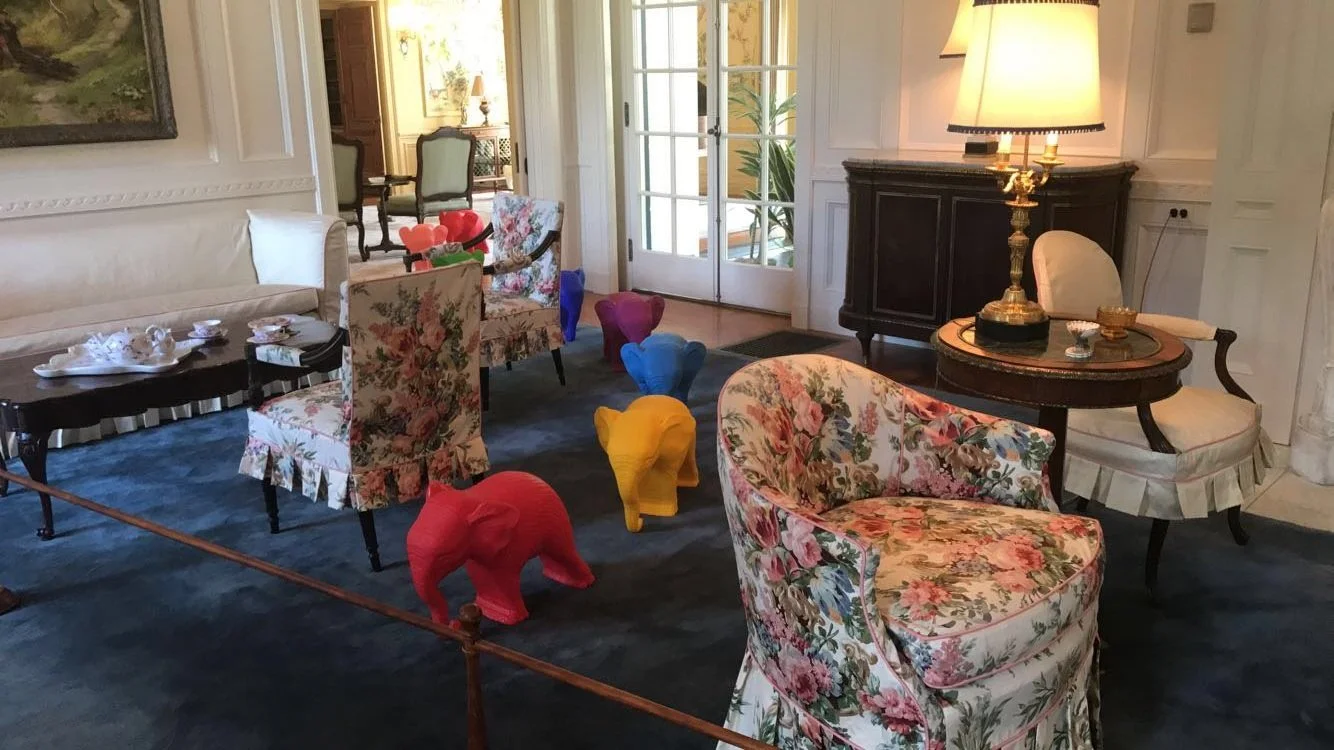
Next up I visited the Lilly House a historic home on the museum’s campus originally built in 1907 as the Landon family estate before it was purchased by Josiah Lilly Jr. an industrialist and philanthropist who’s grandfather started the successful and probably evil pharmaceutical manufacturing company Eli Lilly and Company in Indianapolis in 1870. However you feel about Big Pharma, the house was quite impressive with lots of period furnishings. I was particularly charmed by this group of tiny elephants walking in single file respectfully thoughout the house.
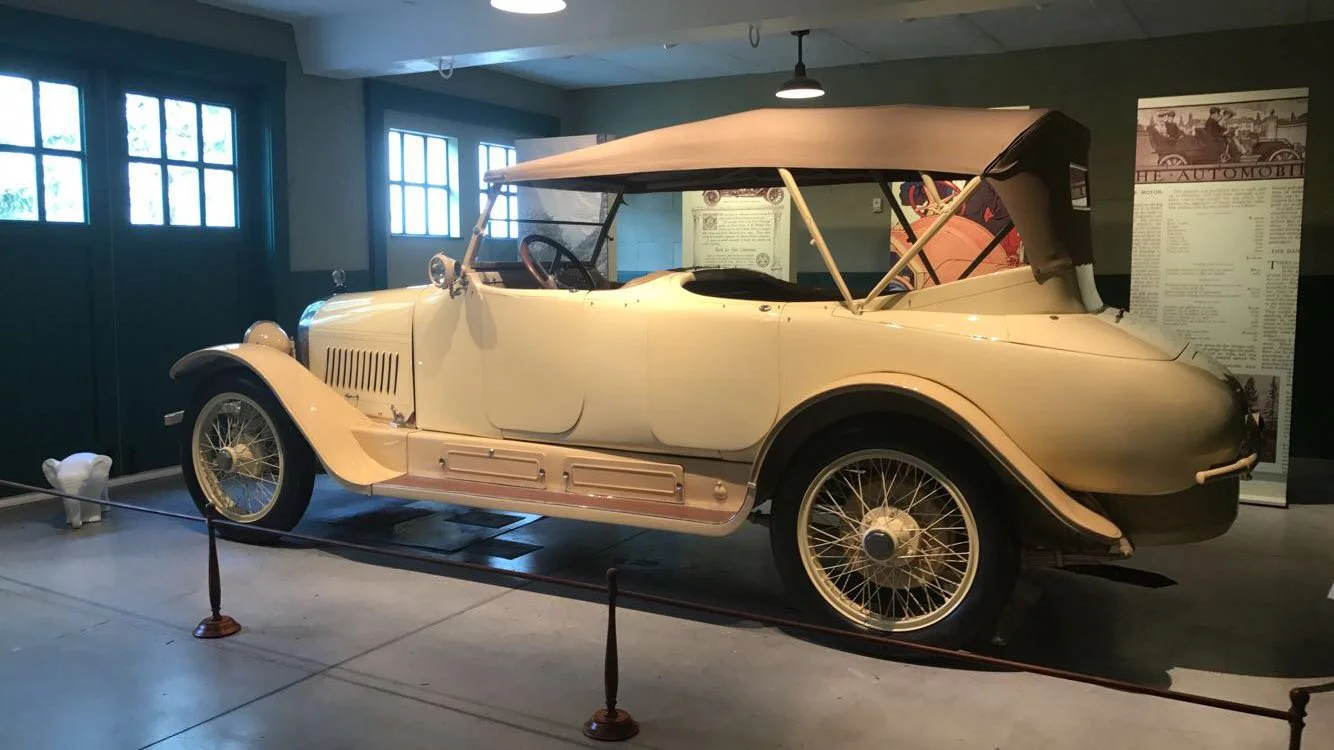
On the lower level, the garage also featured an impressively well maintained 1917 Pathfinder on loan from the Indianapolis Motor Speedway Museum. Unfortunately in front of the car, one of the elephants seems to have gotten seperated from his group.
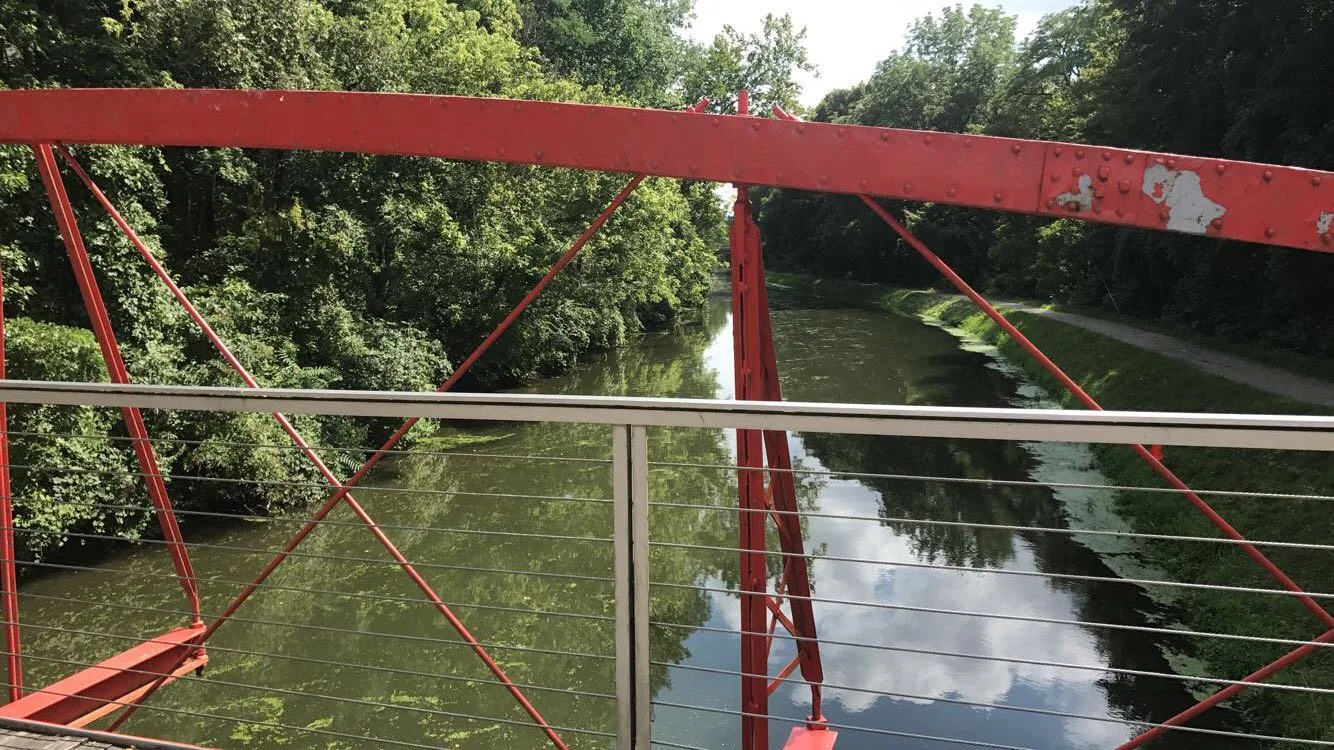
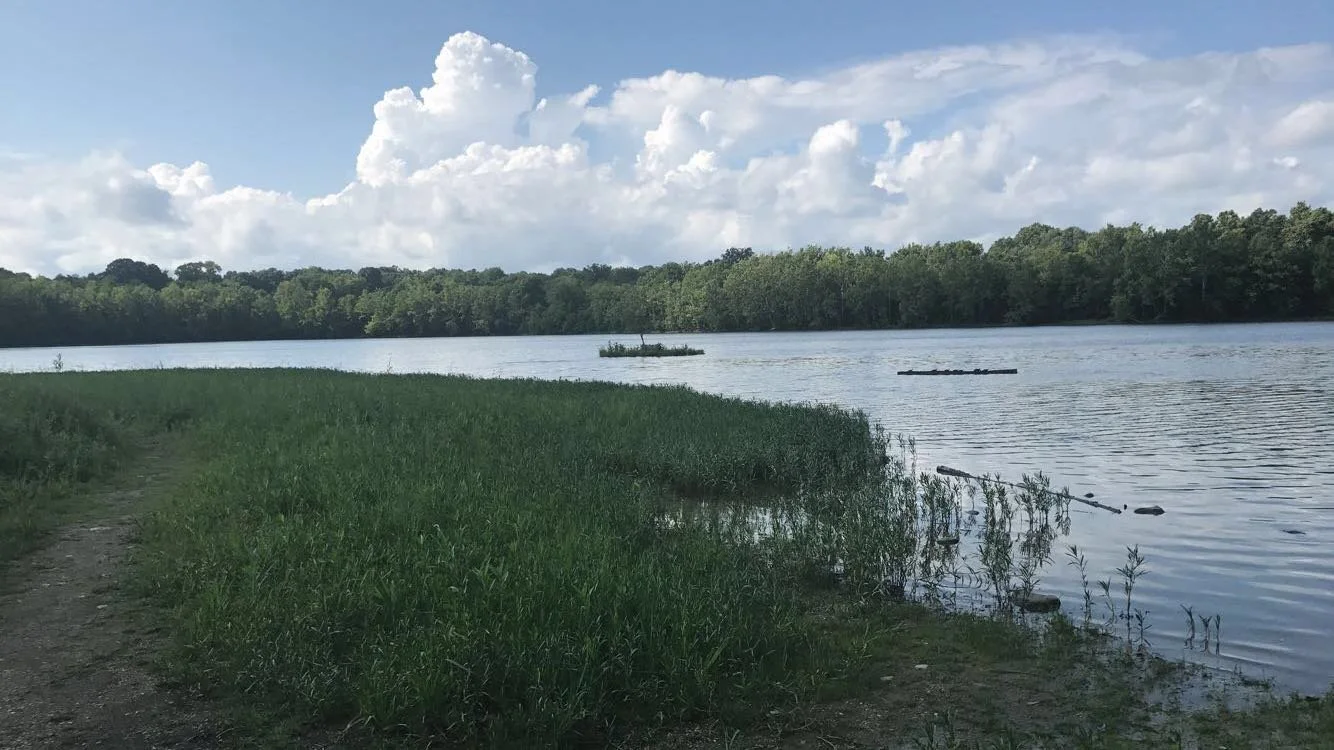
Impressively there were still more grounds to see as I made my way along a nice shady trail that passed by a pond and the White River.
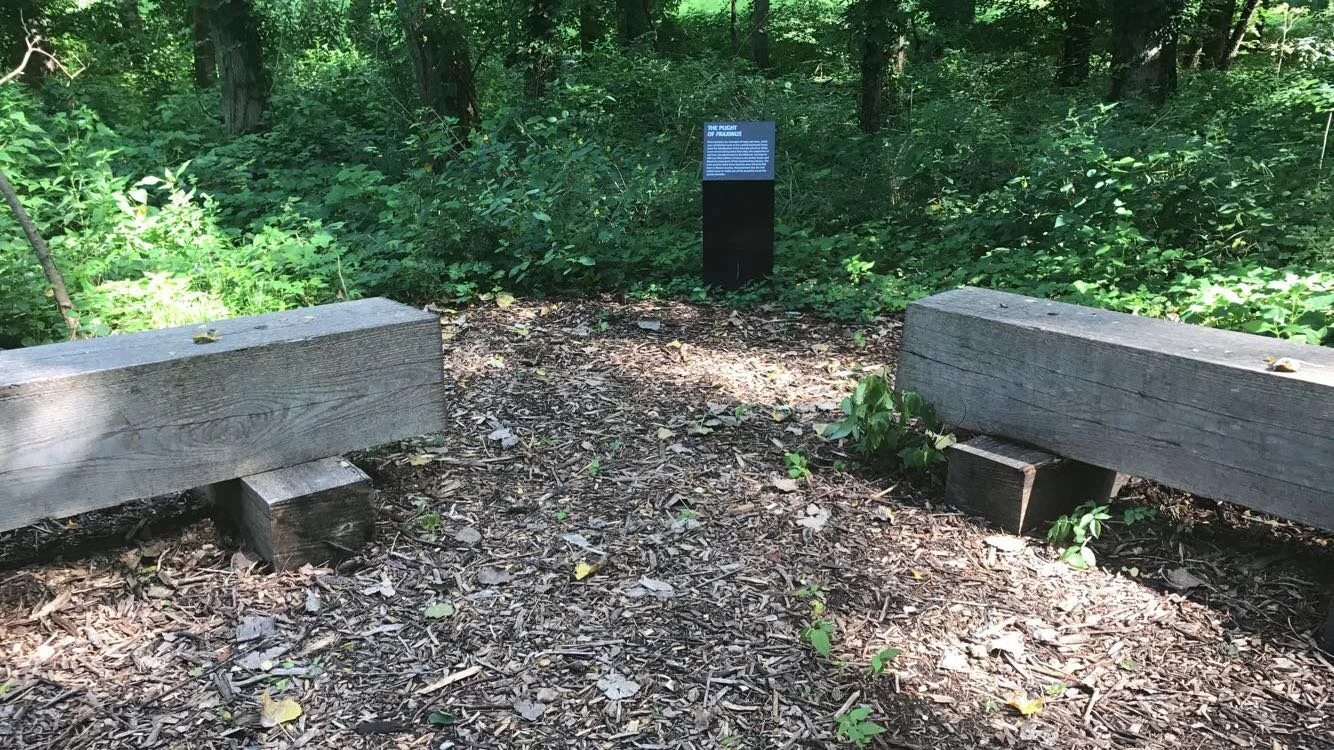
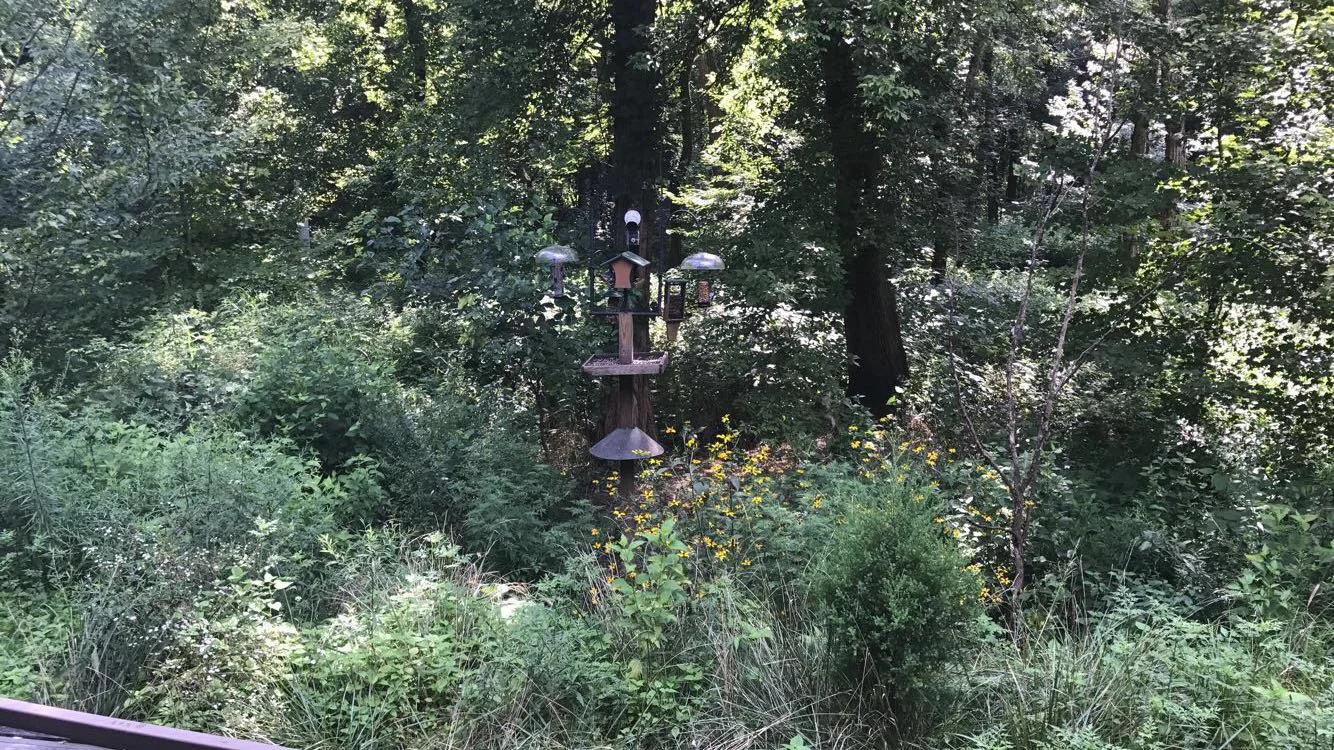
At the end of the trail was the Ruth Lilly Visitor Pavilion, which I thought was an exceptionally beautiful building tucked into the forest. The glass, wood, and very Frank Lloyd Wright-inspired designed really blended nicely into the environment and it was such a peaceful place to stop and sit. A real hidden jewel of the massive campus.
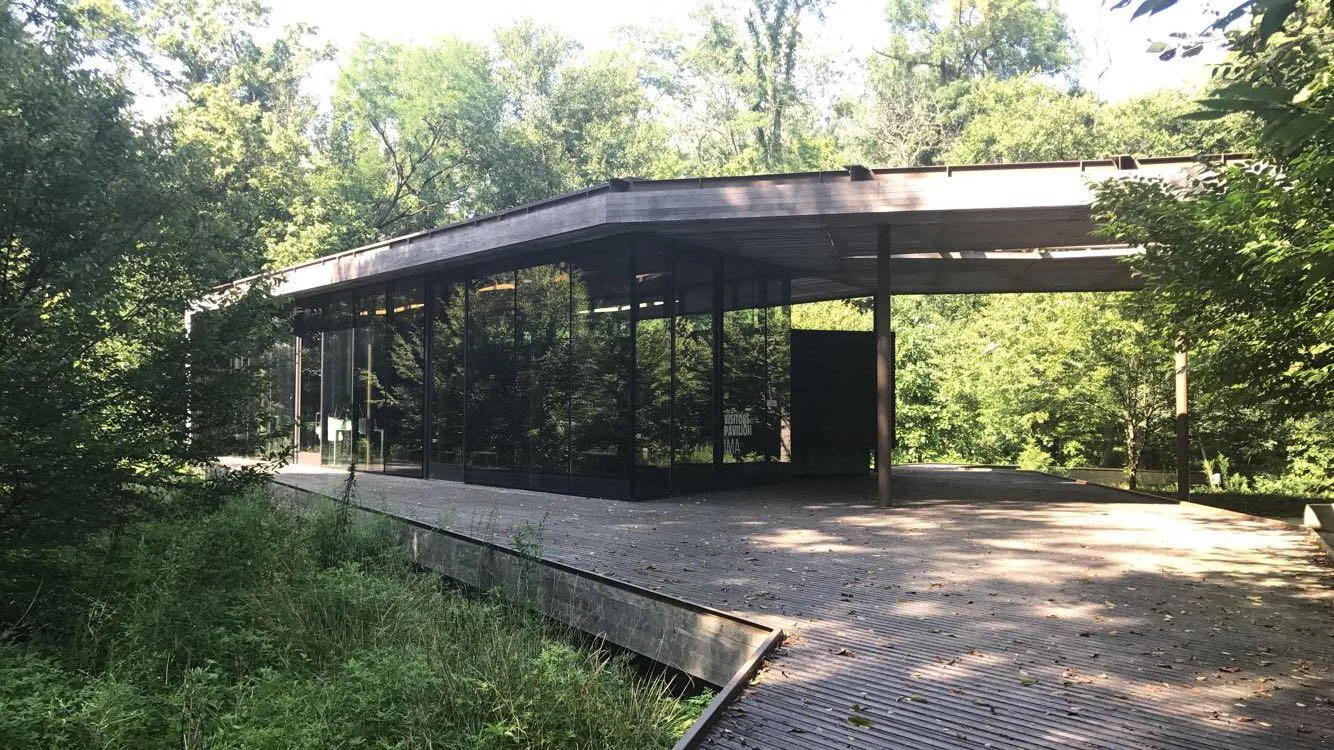
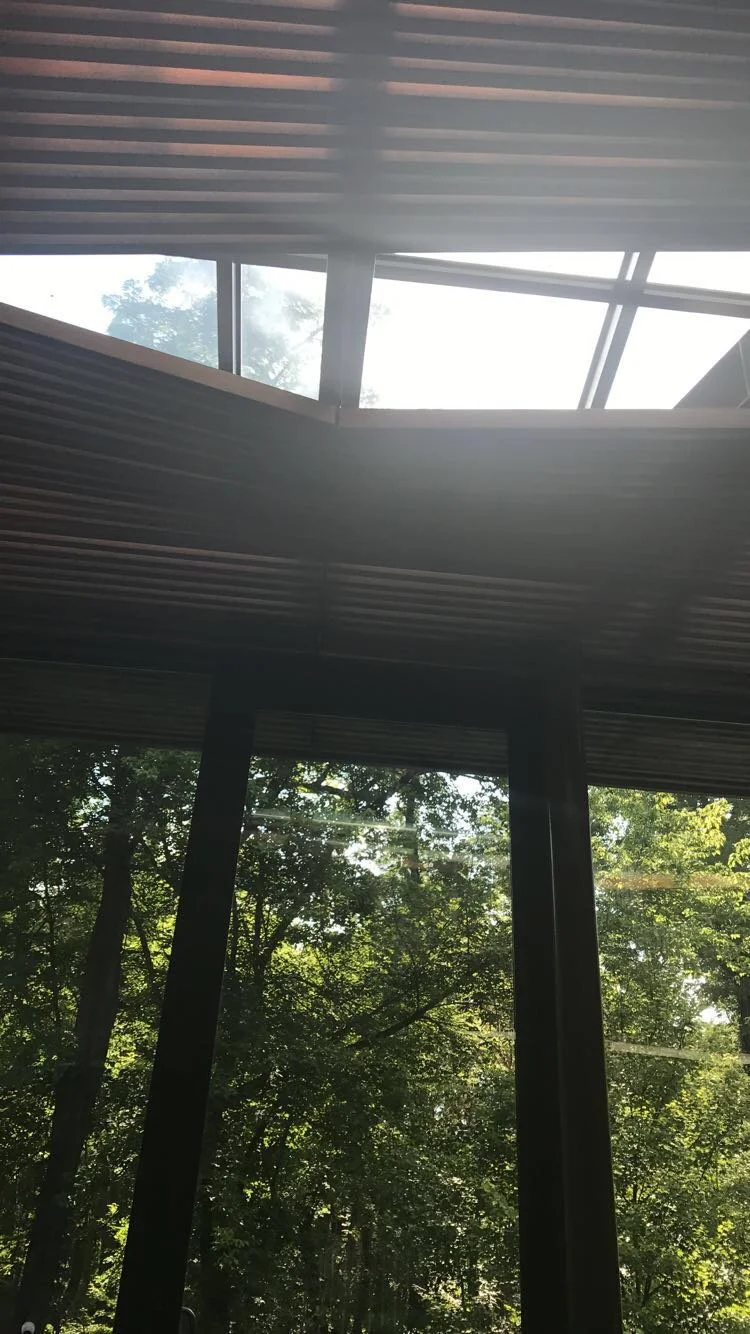
Lastly, as I was leaving the museum I came acros the most self-conscious fire place I have ever seen:
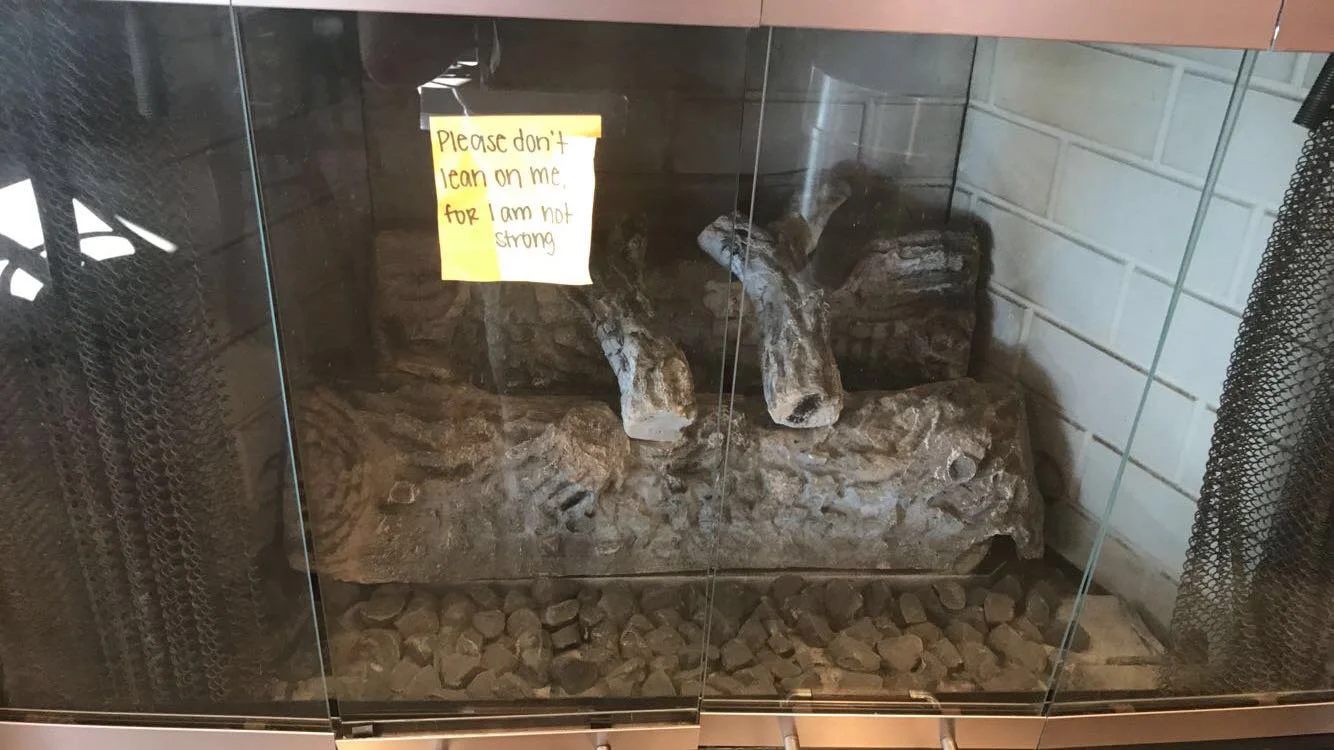
same, brother
After all that museum-ing, I needed a pick-me up so I got some coffee at Rabble Coffee, housed in cute brick building with a lot of socially conscious art to add some implied rousing to go with the store’s name. I got a good strong iced coffee, and I was ready to finish out the day.
Next up on the agenda, I met up with my college friend Jimmy. Jimmy was a senior in the low brass section of the Harvard band when I was a freshman and one of the leader’s of college band mischief so I looked up to him greatly. He was also a MA local like me, and he stayed in the Boston area after graduating and his house became a home away home for bandies and recent band graduates, extending some of the convivial fun and community from college without any of that academic and career dread. He’s meant a lot to me! He stopped in Indy because we were both going to our fellow bandmates’ wedding in Wisconsin later in the week and he flew out a few days early to meet up with me on my trip. Truly the sweetest guy.
I wanted to repay Jimmy’s company by giving him a real welcome to the midwest with lots of good comfort food, so for dinner we went to The Eagle Food & Beer Hall. This rustic eatery specializes in fried chicken and hearty southern-inspired cookin’ so we split a veritable feat of classics with the staple fried chicken, mac and cheese, and mashed potatoes and gravy with some local beers to wash it down. It was decadent and delicious, felt like a good home-cooked meal to have while catching up with an old friend.
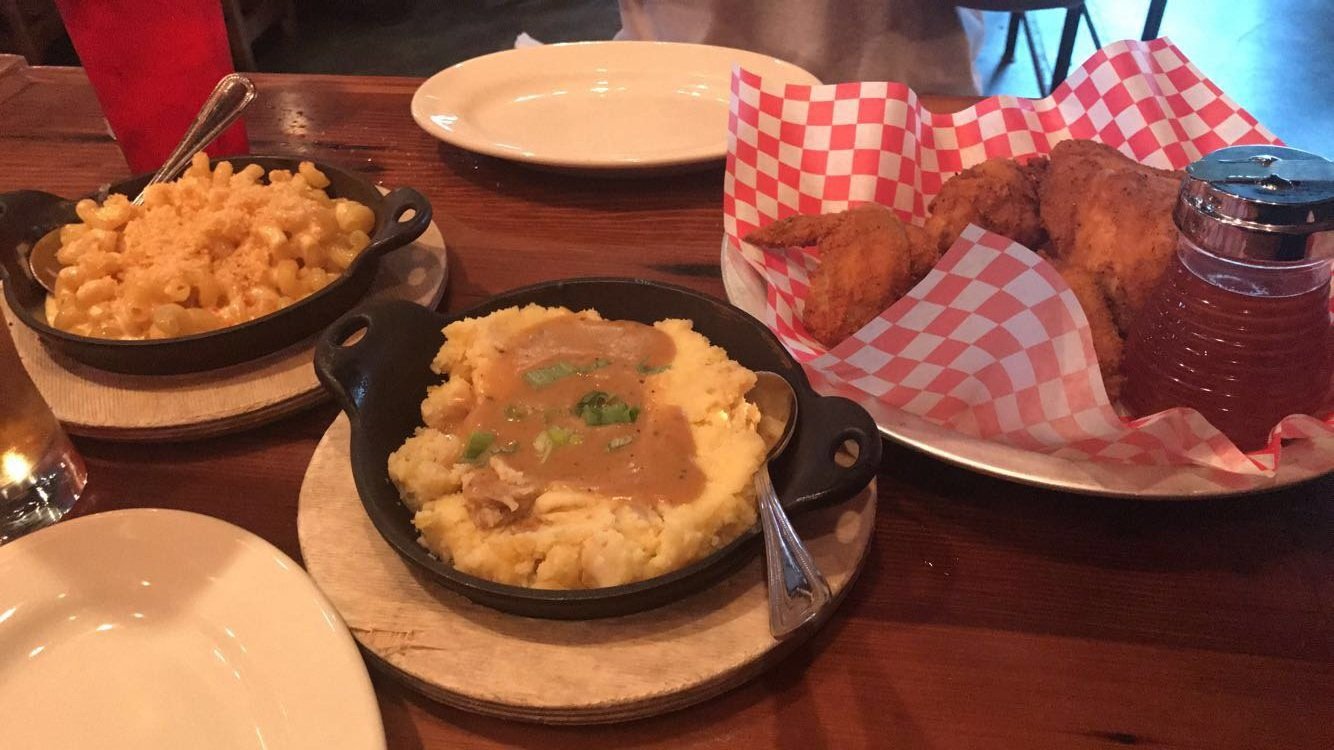
After our feast, Jimmy came with me to the night’s open mic at the sadly now-defunct Casba Bar. It was hosted by Alex Price whom I had met at Monday’s open mic. Alex is and was a warm and generous presence in the Indy scene, and he really made me feel welcome. He also was a clear pro and hosted the hell out of the mic which made it feel almost like a show more than a mic, which was pretty lucky for Jimmy. He would have been a good sport either way, but I was glad he got a good night of comedy.
I think both of our favorite comic of the night was Zain Zaidi, who did a really funny bit about having a stupid tatoo where he kept repeating the phrase “My body is tarnished!”. He would then sometimes interrupt other bits he was doing to repeat “My body is tarnished!” which was very silly but just got funnier each time. Even close to 8 years later I can still hear his exact intonation in my head, which is a testament to how funny he was even if I’m not sure I can do him justice in just text.
Other highlights:
Thaddeus - my therapist told me I need to stop lying. I don't have a therapist
Abby - my pussy is not an iPhone X because it clearly does no have facial recognition
Austin Fry- My step dad Bruce sounds like a website kids go to when they're parents are arguing
Jeff- Autodidact is a word I taught myself
Tan McDonald-I gave up cheese at the same time my boyfriend broke up with me. His name happened to be MAC so I know the universe has a messed up sense of humor because I lost Mac and cheese in the same week
Alex Price- I'm a monster. I have a weird superpower I got pulled over and let off because I was too fat to fit in the back of a police car
Mo Mitchell - I'm the most like Jesus in my family, middle eastern kid born of a sexless marriage
My own set went well, and it was fun to have Jimmy there because he also saw me during my New Hampshire week (the first week of this whole crazy trip) so he was able to verify that at least relative to myself I’d gotten exponentially better at comedy as a result of this goofy project.
Favorite Random Sightings: A bumper sticker that ominously said “Stay afraid but do it anyways” (a lovely Carrie Fisher quote that does not apply well to driving); Noble Roman’s Pizza; a breakfast place called Wild Eggs; The Ball & Biscuit (a savory counter part to ball and chain)
Regional Observation: As far as I could tell, there was not a particularly strong accent native to Indiana which is interesting considering how strong the regional accents are in the rest of the midwest
Random Joke of the Day:
There's a guy with a Doberman Pinscher and a guy with a Chihuahua. The guy with the Doberman Pinscher says to the guy with a Chihuahua, "Let's go over to that restaurant and get something to eat."
The guy with the Chihuahua says, "We can't go in there. We've got dogs with us."
The guy with the Doberman Pinscher says, "Just follow my lead." They walk over to the restaurant, the guy with the Doberman Pinscher puts on a pair of dark glasses, and he starts to walk in.
A guy at the door says, "Sorry, mac, no pets allowed."
The guy with the Doberman Pinscher says, "You don't understand. This is my seeing-eye dog."
The guy at the door says, "A Doberman Pinscher?"
He says, "Yes, they're using them now, they're very good."
The guy at the door says, "Come on in."
The guy with the Chihuahua figures, "What the heck," so he puts on a pair of dark glasses and starts to walk in. The guy at the door says, "Sorry, pal, no pets allowed."
The guy with the Chihuahua says, "You don't understand. This is my seeing-eye dog."
The guy at the door says, "A Chihuahua?"
The guy with the Chihuahua says, "You mean they gave me a Chihuahua?"
Song of the Day:
Warren has nothing particularly to do with Indiana, but Hoosier-native Davide Letterman sure loved him and it’s nuts that he was able to play this song on television